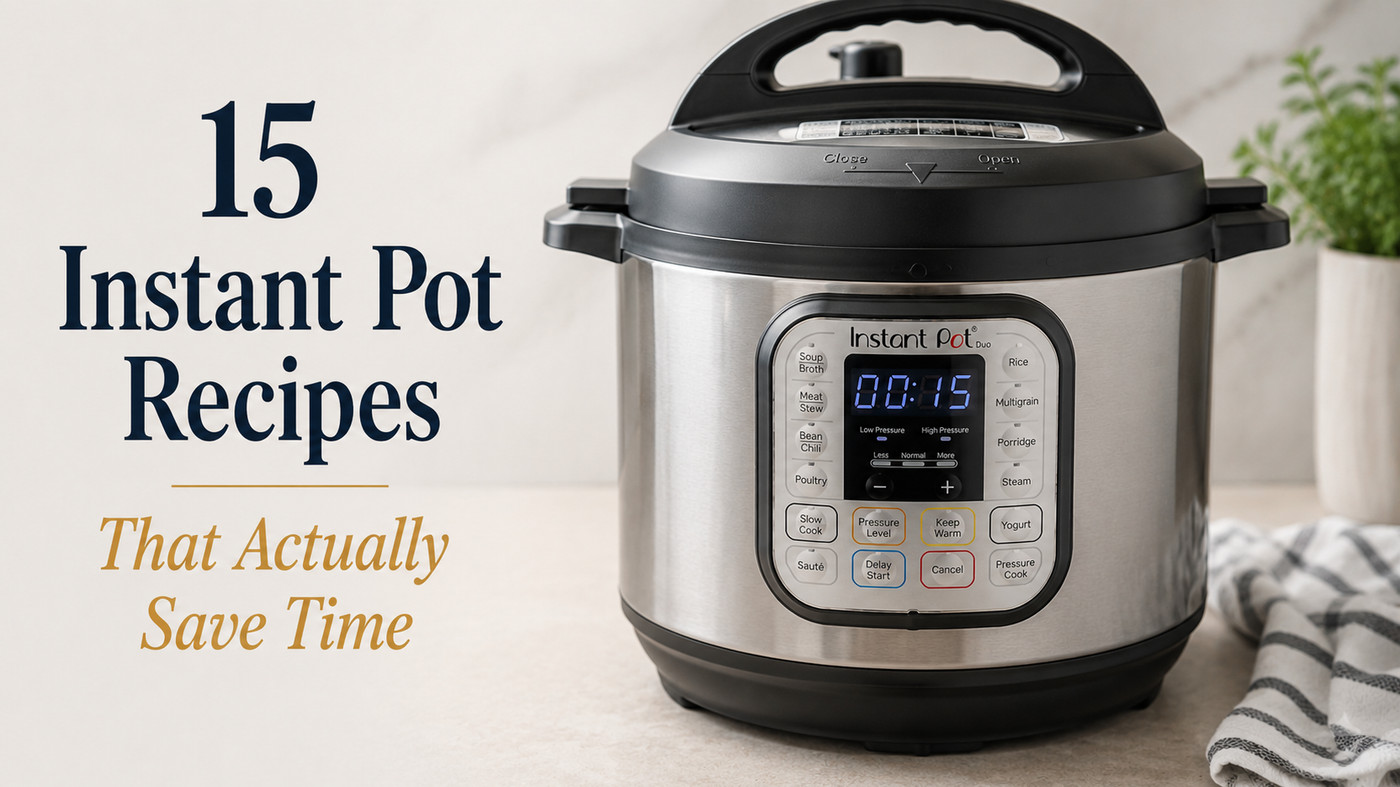
15 Instant Pot Recipes
That Actually Save Time
Not the recipes that just move the cooking time into a thirty-minute pressurizing wait. The fifteen where the Instant Pot is genuinely, measurably faster than the stove — and the honest math on why.

That steam means something real already happened, fast.
There is a very specific kind of betrayal that happens around minute forty. You bought the Instant Pot because every caption promised dinner in twenty minutes. You are now standing in your kitchen, watching a small digital counter climb toward “ON,” and dinner is nowhere close to twenty minutes away.
This is the most common complaint in every Instant Pot forum on the internet, and it’s not wrong. Some recipes genuinely don’t save time — they just relocate the waiting from “watching a pot” to “watching a countdown,” and call it progress.
But some recipes are different. Some categories of food — the ones with dense proteins, dried legumes, tough cuts, or anything that normally demands hours of unattended simmering — get a genuine, physics-backed shortcut from pressure. This article separates the two. Fifteen real recipes, sorted by honest time math, plus the actual research on why pressure cooking works and a few claims about it that don’t hold up.
The Honest Time Math — Why Some Instant Pot Recipes Lie
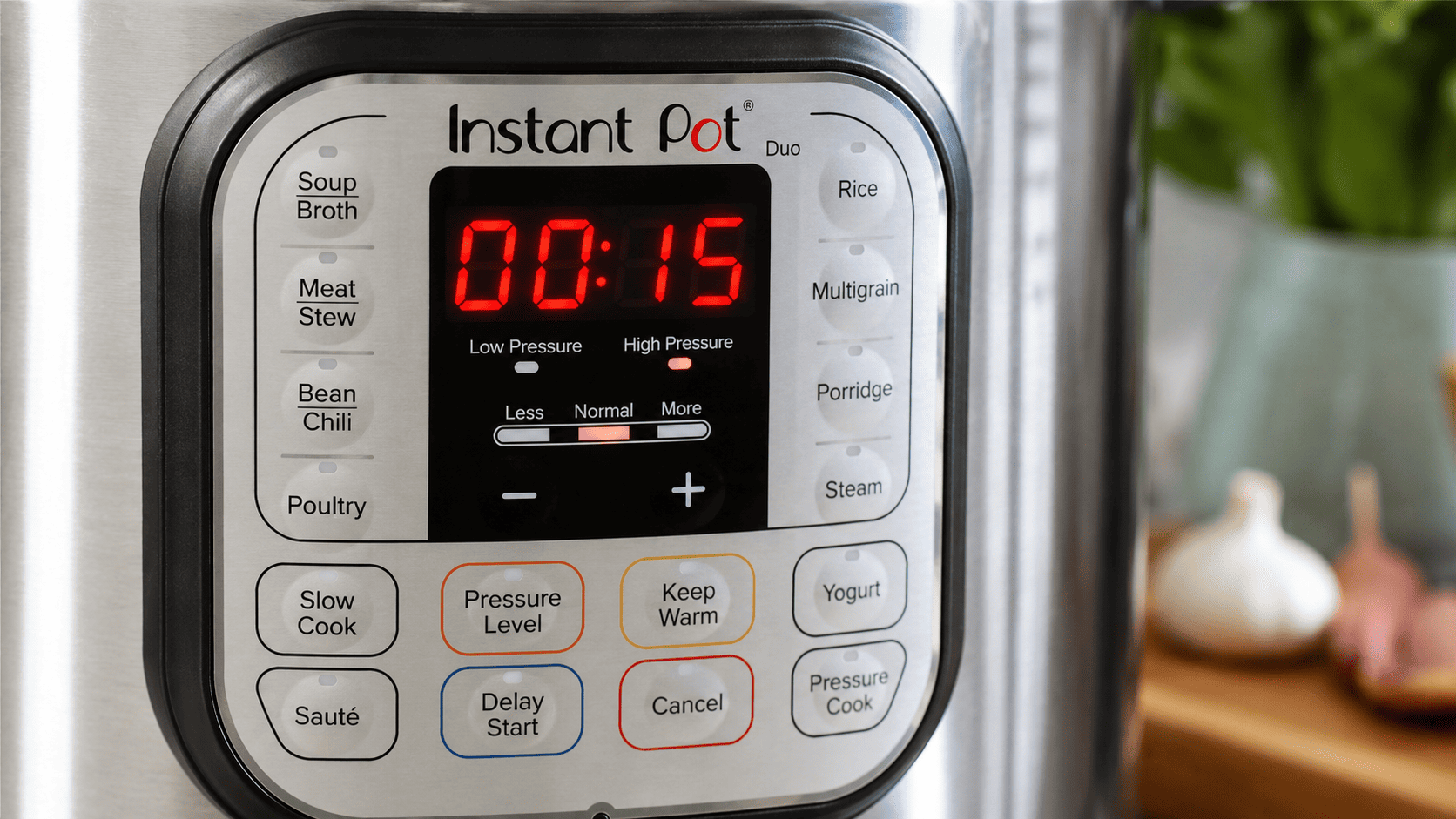
The number on the display is only ever part of the story.
An Instant Pot doesn’t actually start counting down the moment you press the button. First it has to come to pressure — sealing the lid, building internal heat until the float valve pops up — and depending on how much liquid is inside, that can take anywhere from five to twenty-five minutes before the “cook time” even begins. Then, when the timer ends, the pressure has to release before you can open the lid, either quickly through the valve or slowly and naturally over ten to twenty more minutes.
Add it up and a recipe billed as “15 minutes” can quietly become 45. That’s the betrayal. It’s also why so many people decide the whole appliance was a scam and shove it to the back of a cabinet.
The honest version: pressure cooking doesn’t save meaningful time on food that was already fast. It saves dramatic time on food that was already slow. Independent testing consistently finds pressure cooking reduces total cooking time by roughly a third to two-thirds versus conventional methods, with the largest gains on dense, fibrous, or long-simmering foods — dried beans, tough cuts of meat, whole grains — where stovetop cooking measures in hours, not minutes.
Comparative cooking-time data compiled from controlled pressure cooker vs. conventional-method testing, widely corroborated across independent kitchen-science sources.
The mechanism is genuinely simple physics. Water boils at 100°C (212°F) at sea level, and no amount of extra heat raises that ceiling — it just boils harder. A sealed pressure cooker breaks that ceiling. Trapped steam raises internal pressure to roughly 10.2–11.6 psi above atmospheric, which pushes the boiling point of water up to around 116–121°C (240–250°F). Food cooks at a meaningfully hotter temperature than anything possible in an open pot, which is the entire reason a dried chickpea that needs 90 minutes of simmering needs only about 12–15 minutes under pressure.
If a stovetop or oven version of a dish takes under 25 minutes already, the Instant Pot will rarely beat it once pressurizing and releasing are counted. If it takes over 45 minutes — beans, stews, whole chickens, tough roasts, risotto, hard-boiled eggs in bulk — the Instant Pot usually wins, often by a lot. That one rule explains almost every recipe on this list.
The Legume Shortcut — Where an 8-Hour Soak Disappears Entirely
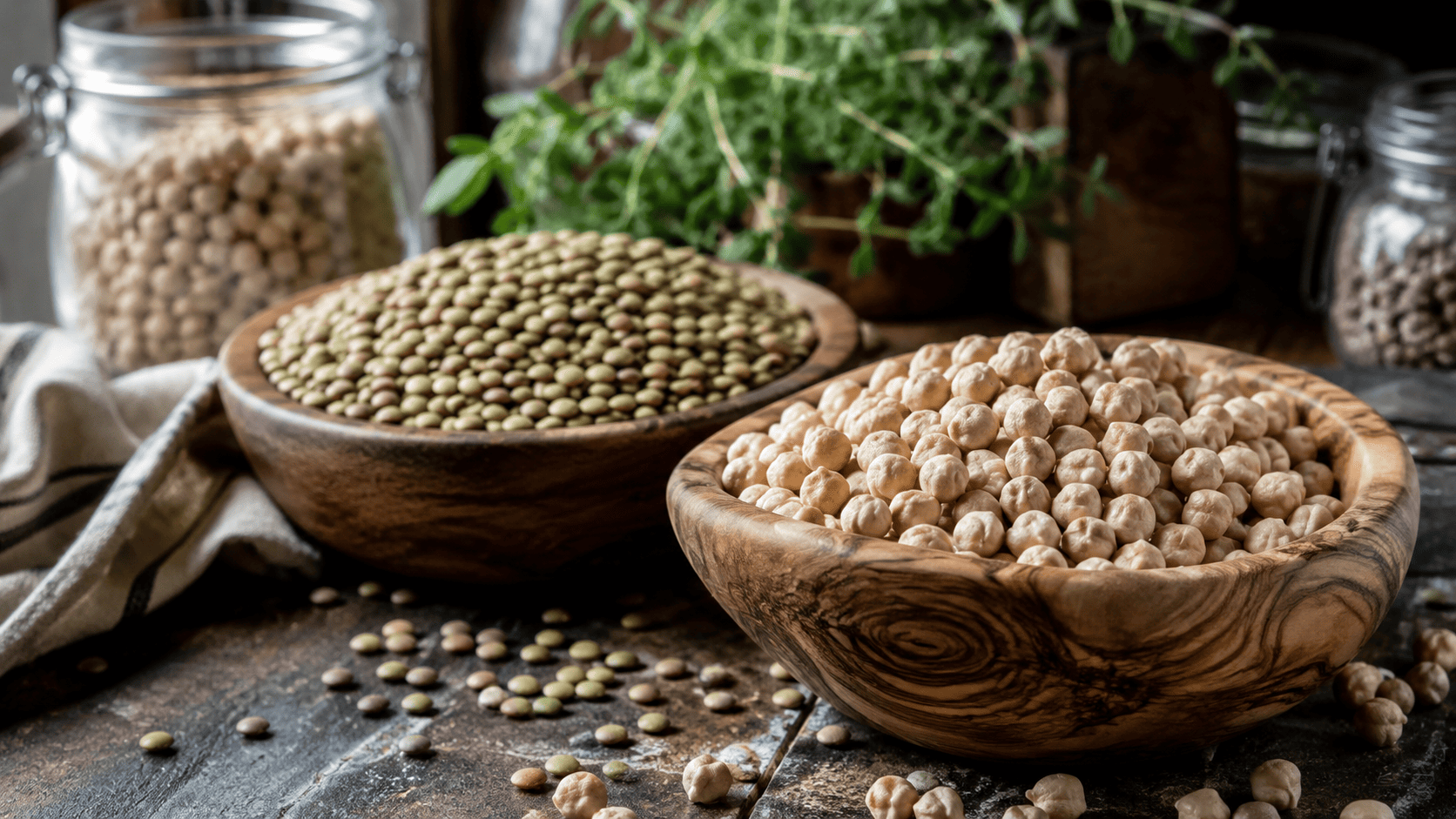
This is the category where the time savings are not subtle.
Dried beans are the single clearest case for pressure cooking that exists. The usual process — soak overnight, drain, simmer for one to two hours, check constantly so they don’t blow out — gets replaced by dumping dried beans directly into the pot, no soaking, and walking away. There’s also a quieter nutritional upside: pressure cooking has been shown to reduce phytic acid and other anti-nutrients in legumes more effectively than boiling alone, meaning the minerals inside are easier for your body to actually absorb.
1. No-Soak Chana Masala
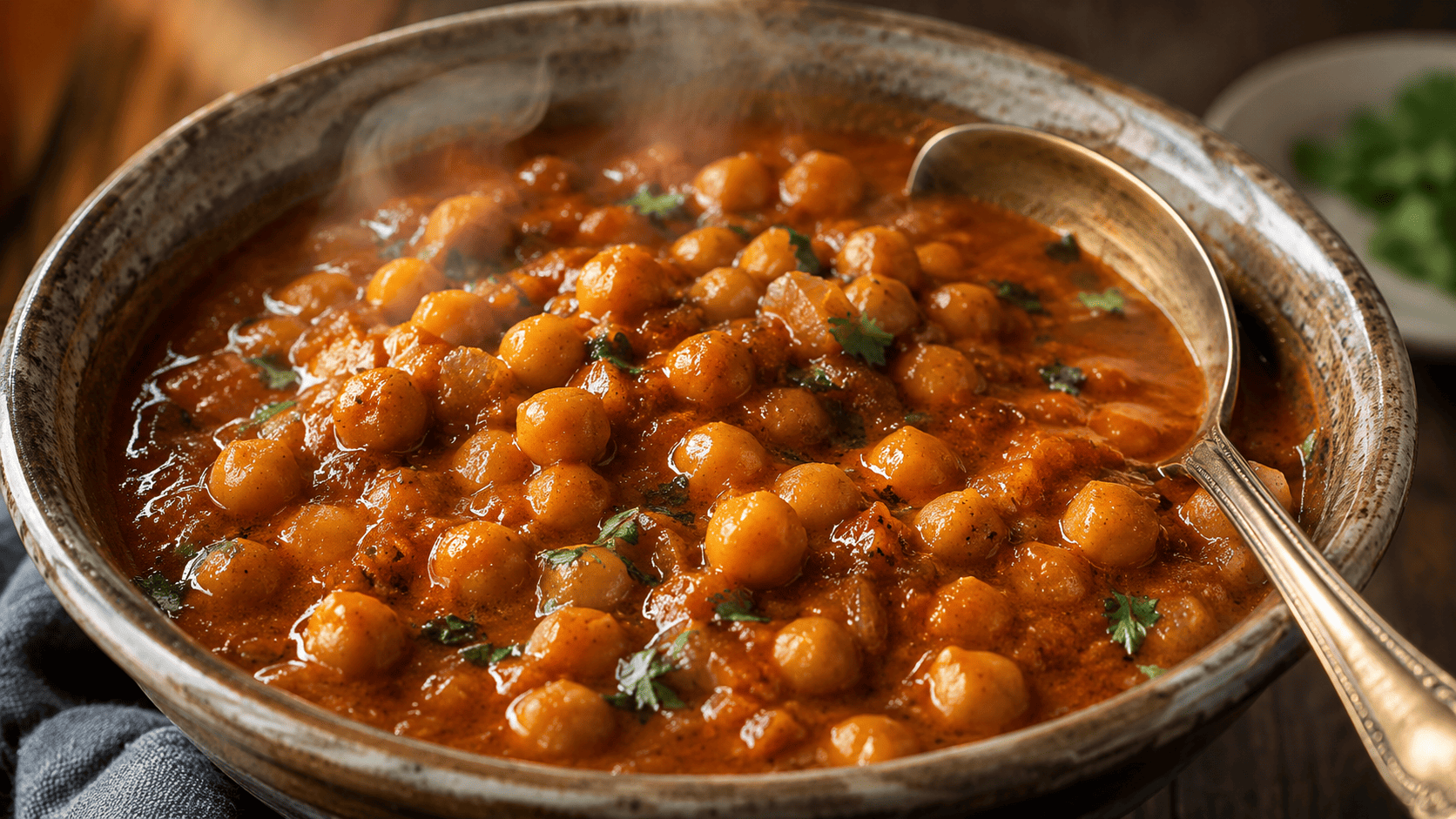
Dried chickpeas, no overnight soak, straight into the pot with onion, garlic, ginger, canned tomatoes, and garam masala. Stovetop chana masala with dried chickpeas easily runs 2+ hours once soaking is included. This version: 45 minutes total, most of it unattended.
2. Dried Black Bean Soup
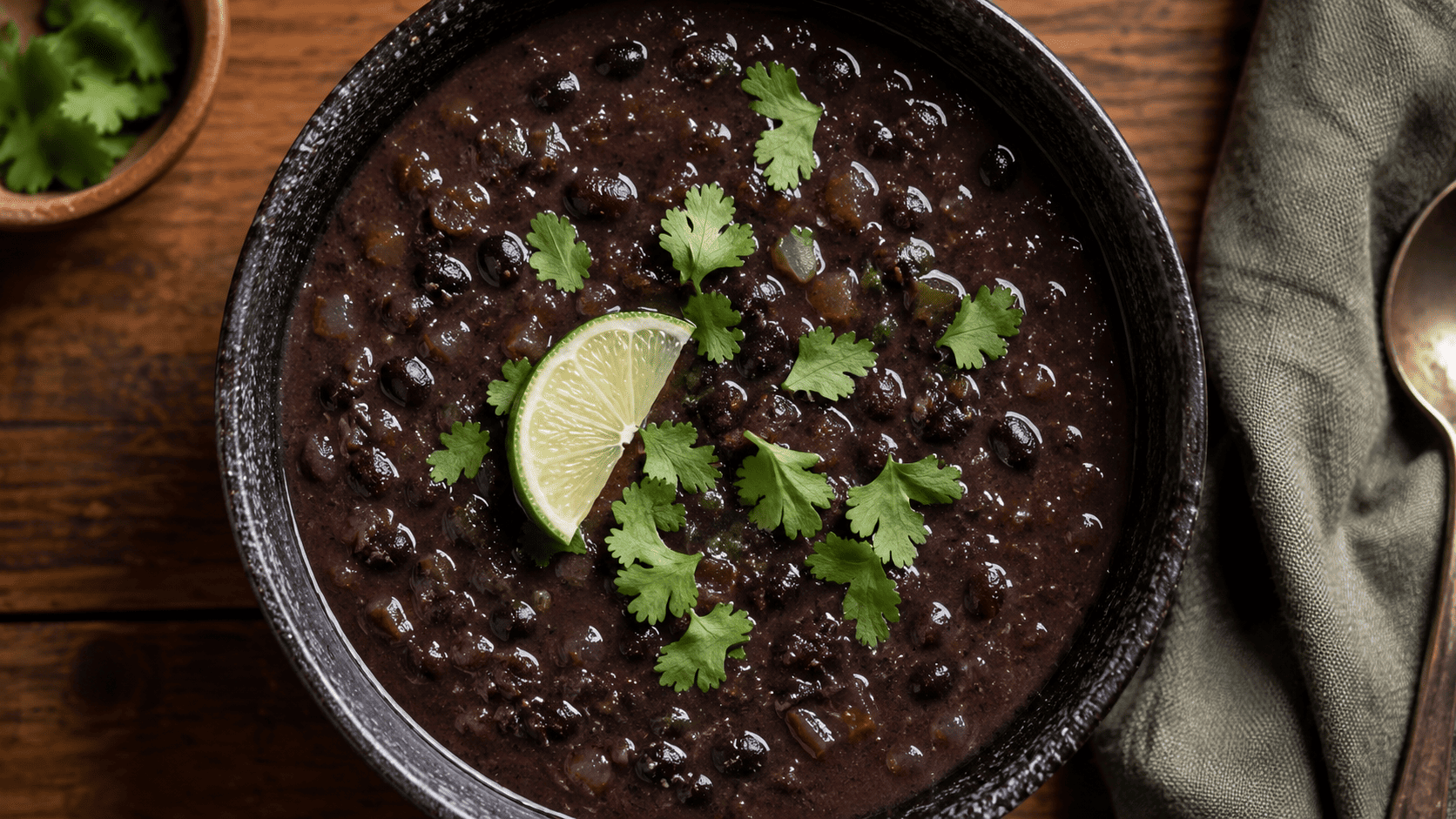
Dried black beans, onion, cumin, smoked paprika, a splash of lime at the end. The soak-and-simmer version is genuinely an afternoon project. This is a 30-minute dinner that tastes like it took four times as long, because in a sense, it cooked at a temperature equivalent to four times the heat exposure.
3. Red Lentil Dal
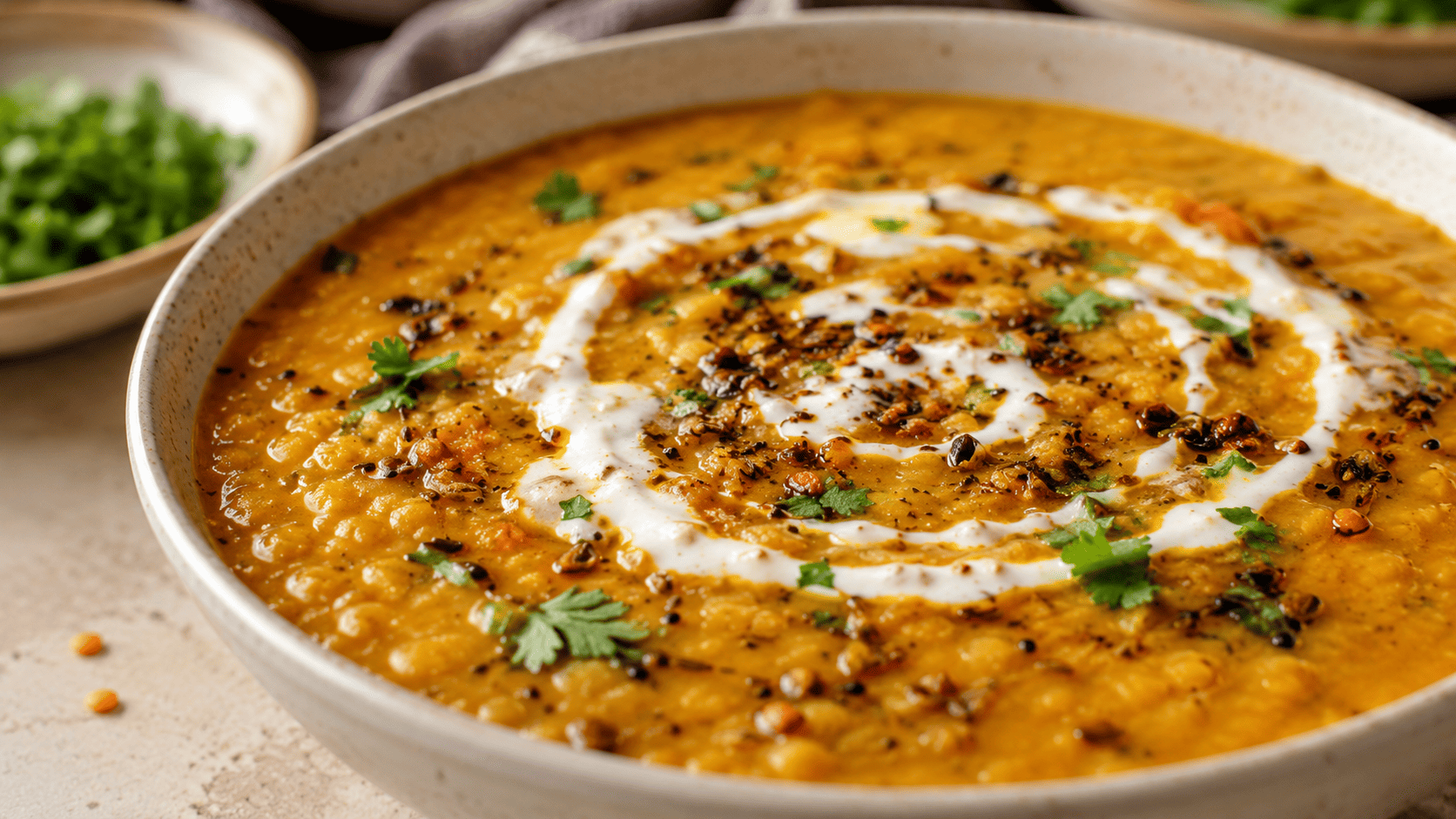
Red lentils don’t need much help even on the stove — but this is the rare legume recipe where the Instant Pot wins on flavor, not just time. Sealed pressure cooking concentrates the toasted-spice base instead of letting it evaporate off into the kitchen, so the dal tastes deeper for the same ingredients.
4. White Bean & Rosemary Mash
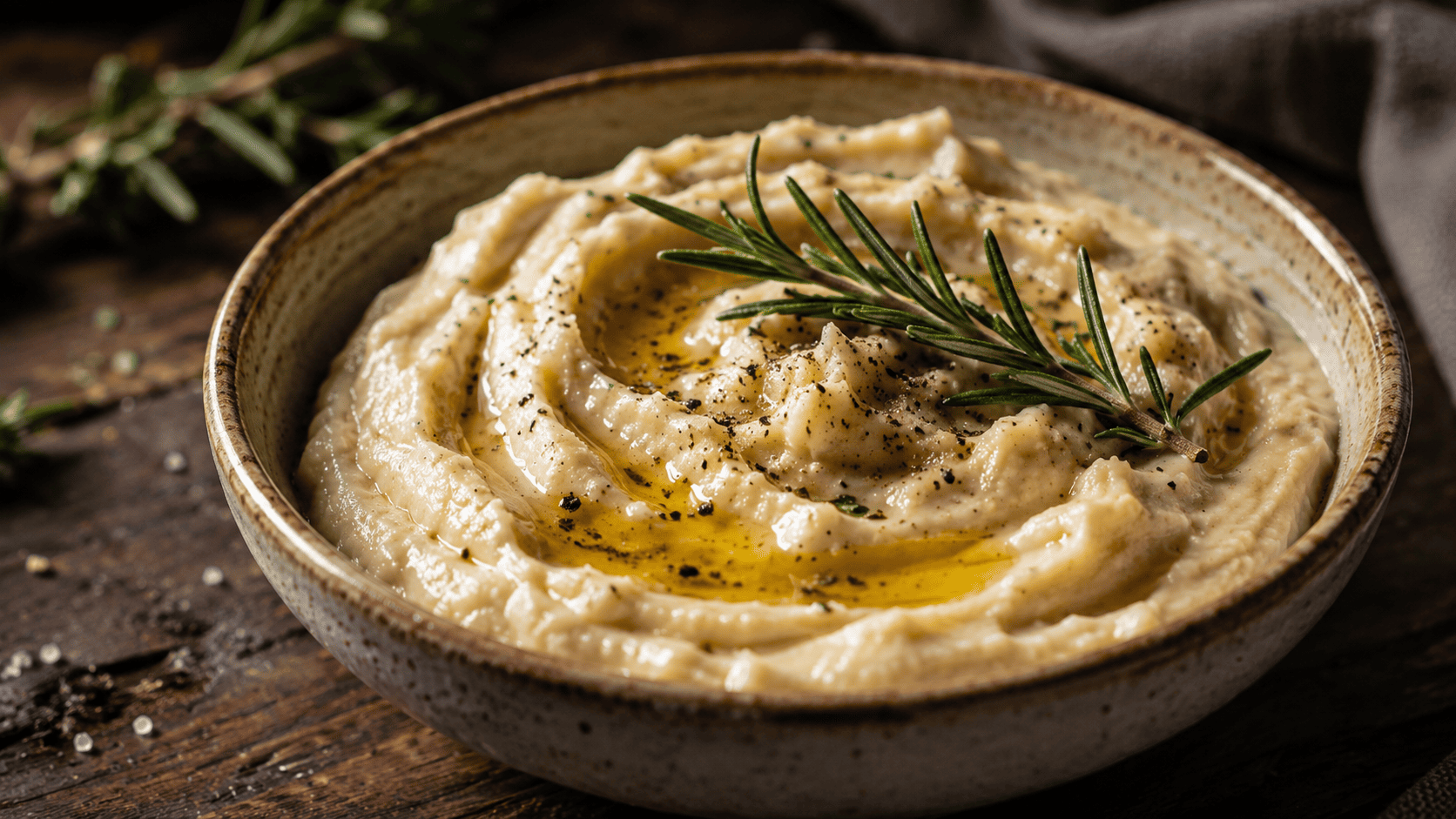
Dried cannellini beans, whole garlic cloves, a sprig of rosemary, simmered under pressure until they fall apart, then mashed with olive oil into something that reads as a side dish but eats like a luxury. Works as a base for roasted vegetables or a stand-in for mashed potatoes.
The Tough-Cut Trick — 3 Hours Becomes 35 Minutes, No Exaggeration
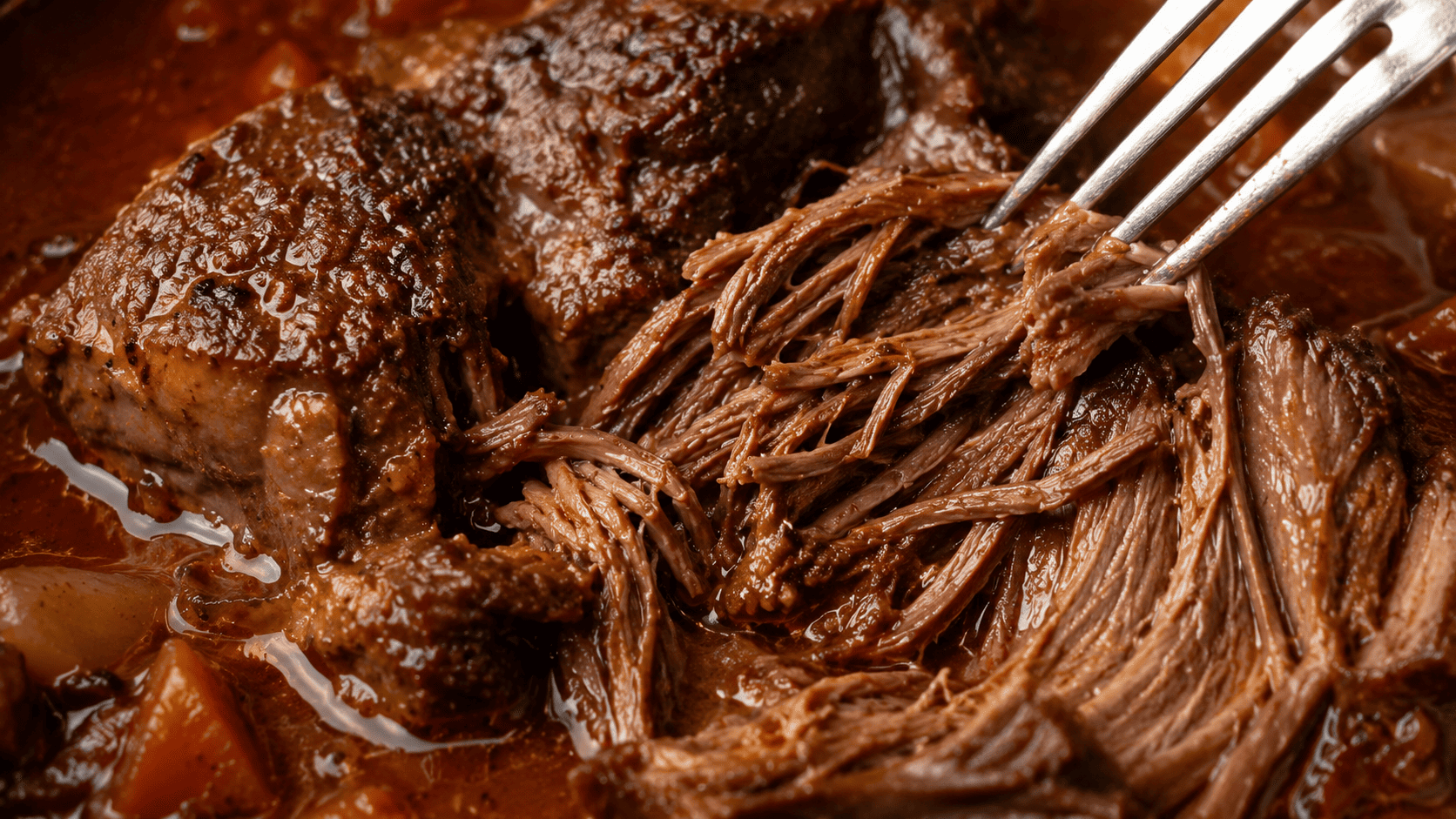
Collagen breaks down the same way under pressure as it does in a slow braise. It just doesn’t take all afternoon.
Tough, collagen-rich cuts — chuck, shank, short rib, oxtail — get tender through the same chemistry whether you braise them for three hours or pressure-cook them for thirty-five minutes: connective tissue breaks down into gelatin at a sustained high temperature over time. Pressure cooking simply applies more heat in less time, and the collagen doesn’t know the difference. This is the category where the Instant Pot stops being a novelty and starts being the better tool, full stop.
5. Fall-Apart Beef Chuck Ragù
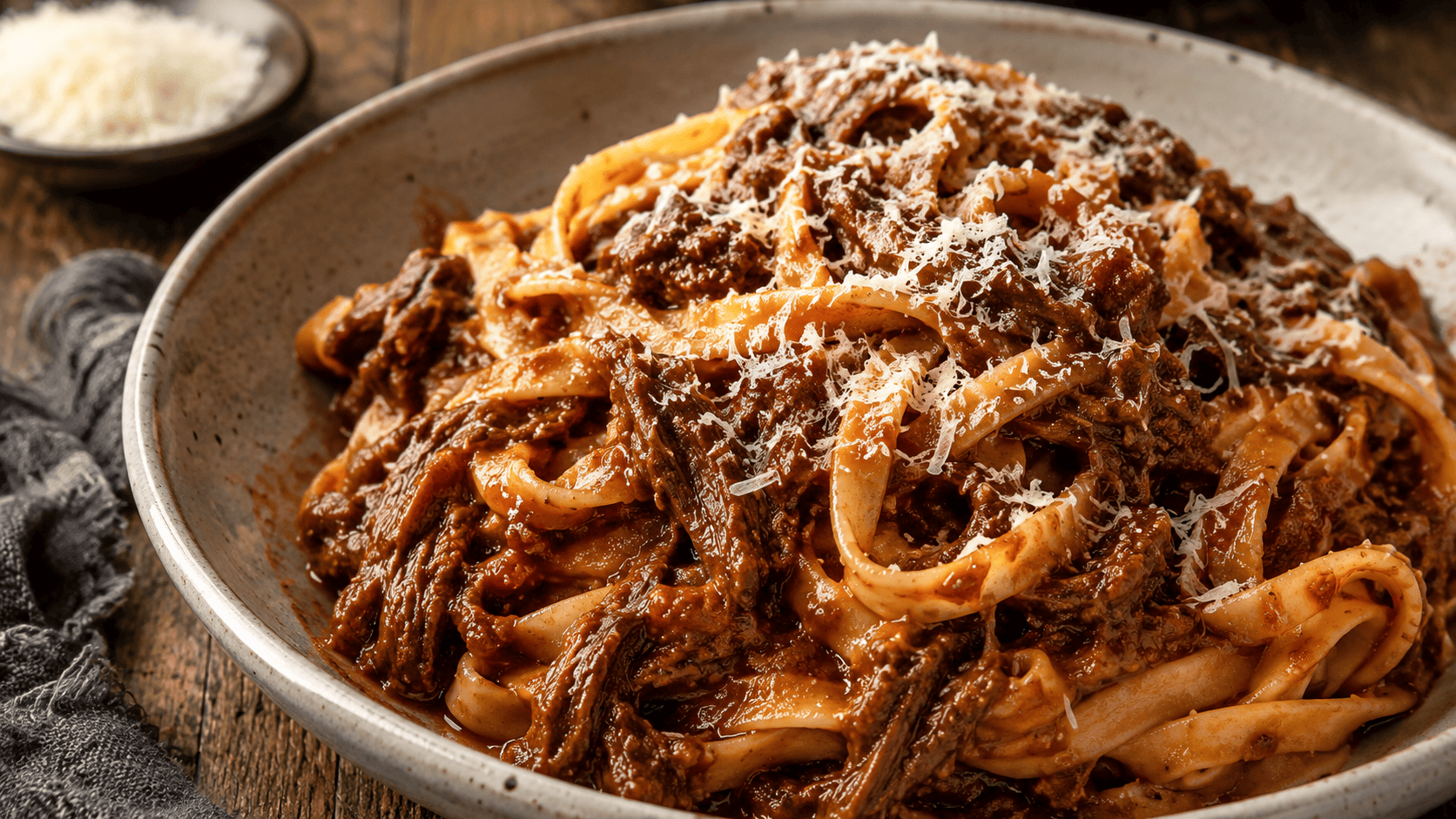
Sear chuck roast in the pot, build a base of onion, carrot, garlic, and tomato paste, add wine and crushed tomatoes, pressure cook, then shred and toss with pasta. A traditional braise for this cut runs 3 to 3.5 hours in the oven. This gets there in well under an hour, total.
6. Korean-Style Short Ribs
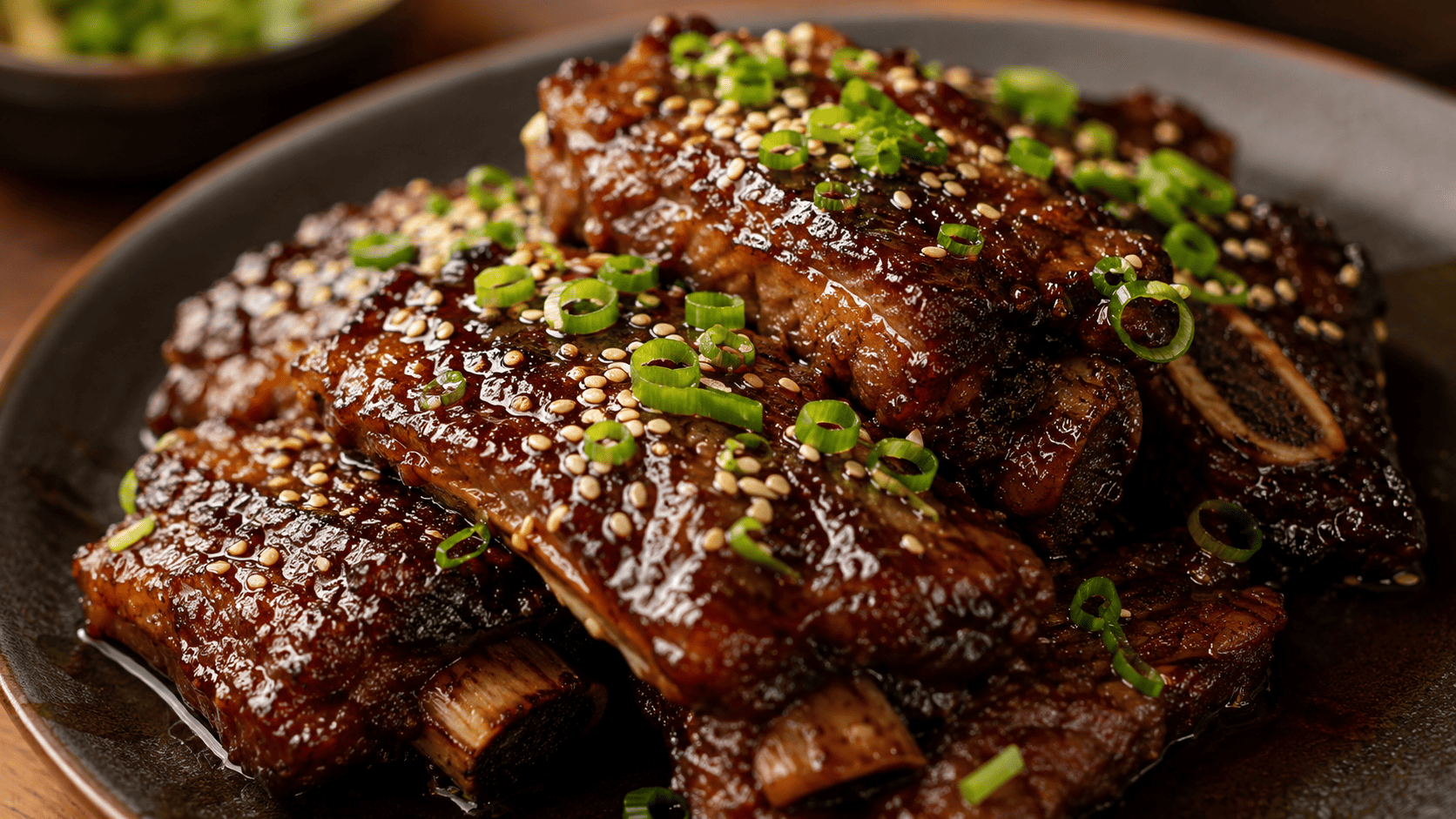
Soy, brown sugar, garlic, ginger, a little sesame oil. Short ribs braised conventionally need a genuinely long, low oven session to get past their connective tissue. Under pressure they arrive fork-tender and glossy in well under an hour.
7. Whole Chicken, Start to Finish
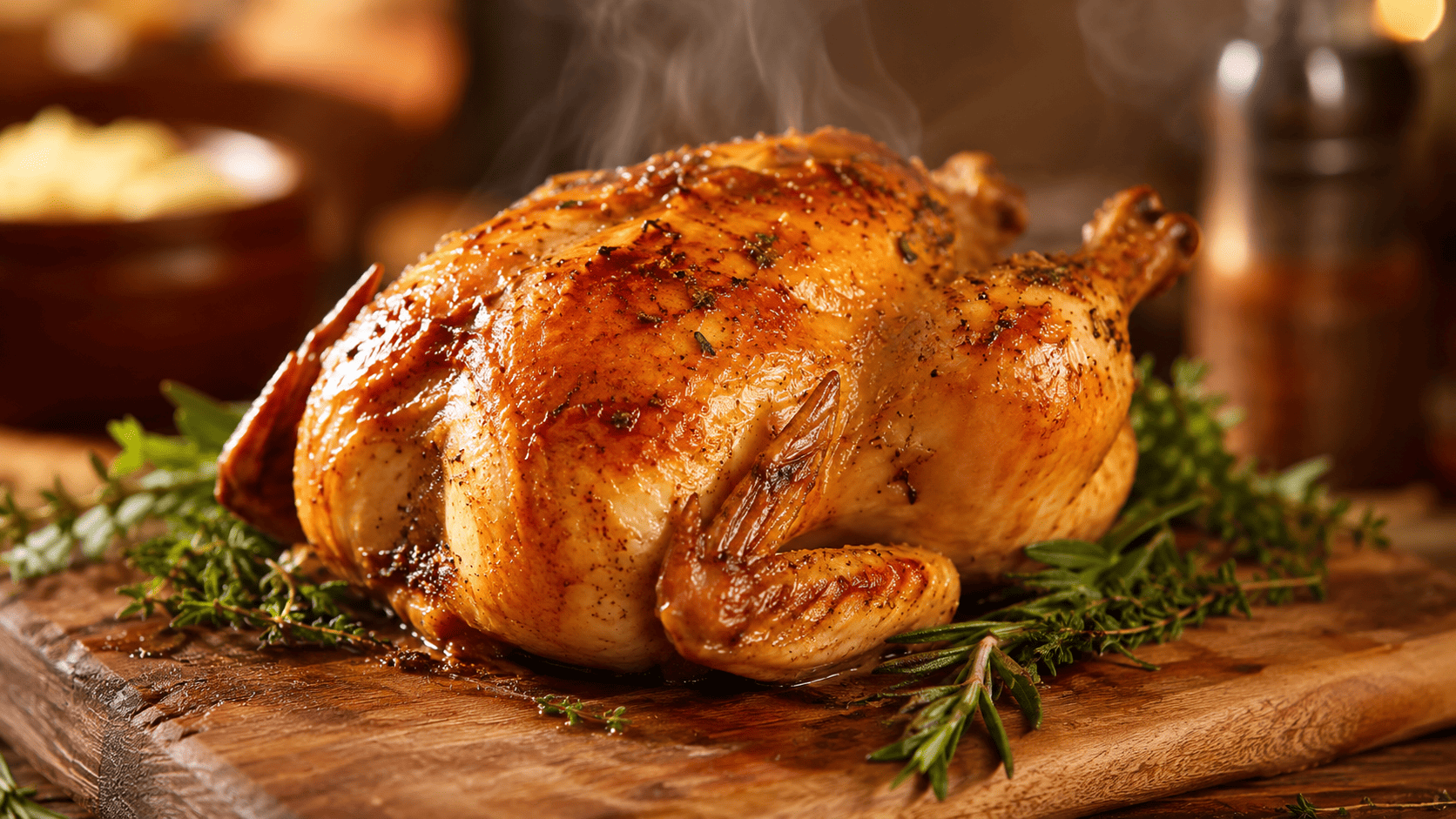
This is the recipe people use to argue the Instant Pot is slower than the oven, and at face value the math is close — a 4-pound bird needs roughly 24–28 minutes under pressure, plus coming-to-pressure time, versus around 70–80 minutes roasting. The real win shows up afterward: the leftover carcass and drippings are already inside the pot, ready to become 30-minute stock with zero extra cleanup.
8. Pulled Pork Shoulder
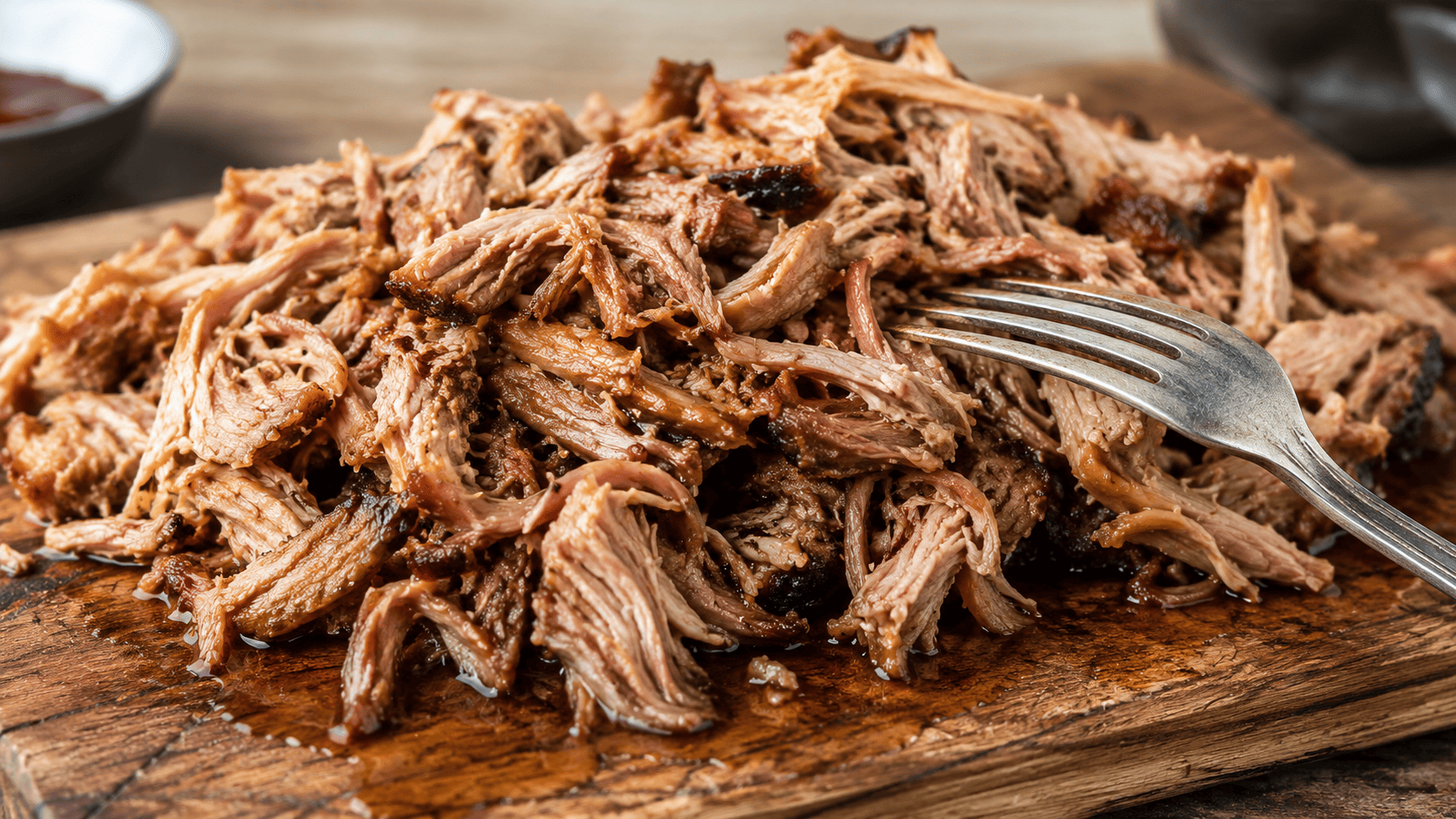
Pork shoulder traditionally wants 6 to 8 hours of low, slow heat to render properly. A few minutes of high-heat searing for color, then pressure cook with broth, onion, and a dry rub. The texture is genuinely comparable — shreddable, juicy, not dry — in a fraction of the time commitment.
Same shreddable texture, different clock
Collagen breaks down the same way
The True 20-Minute Dinners — Where the Marketing Promise Is Actually Real
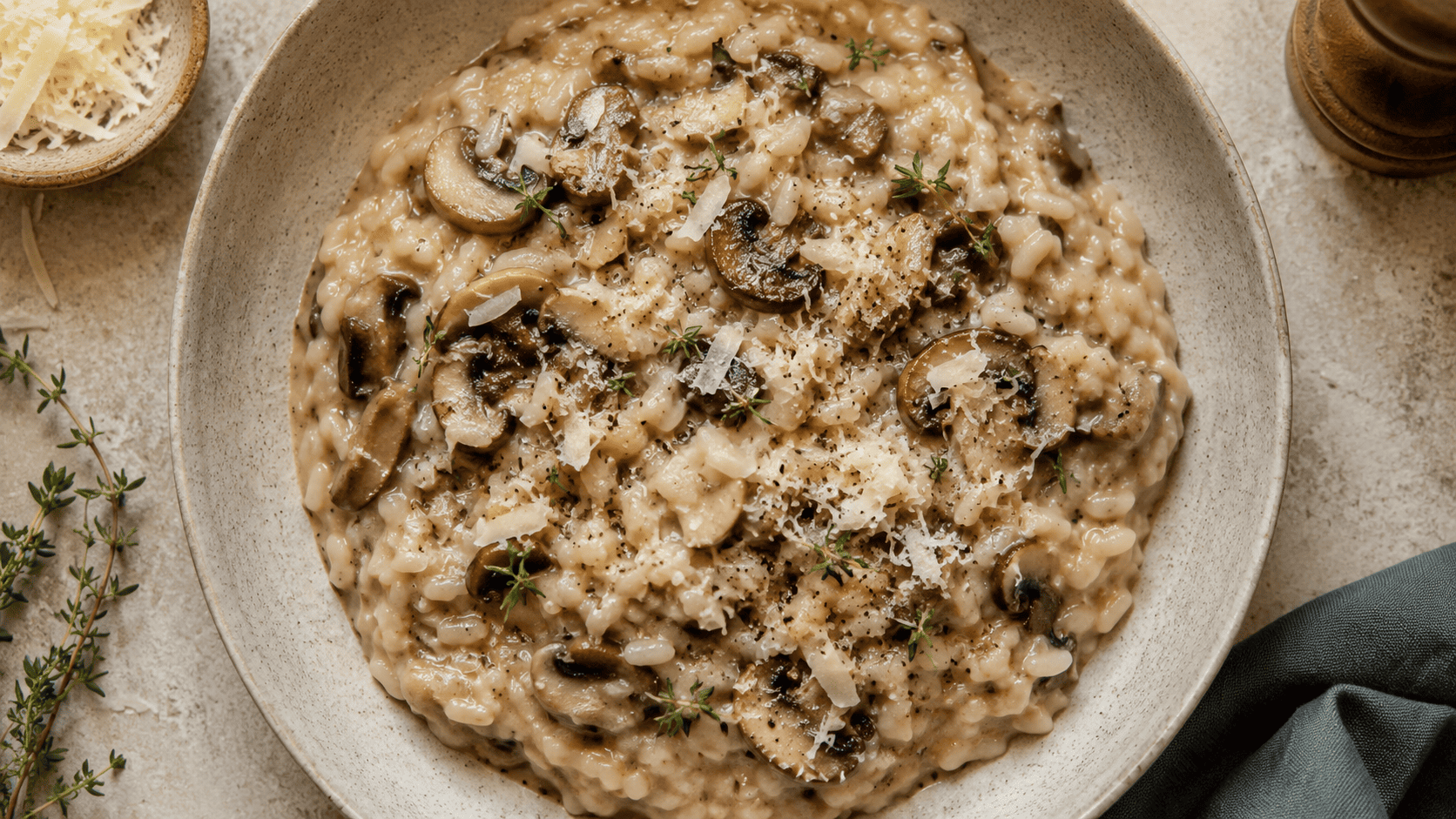
Risotto without 25 minutes of standing at the stove stirring.
These four are the recipes where the “20 minutes” on the box isn’t spin. Either the dish has very low liquid volume — which means a fast pressurize time — or the conventional method it’s replacing requires standing, watching, and stirring rather than just waiting, which is its own kind of time the Instant Pot genuinely gives back.
9. Hands-Off Risotto
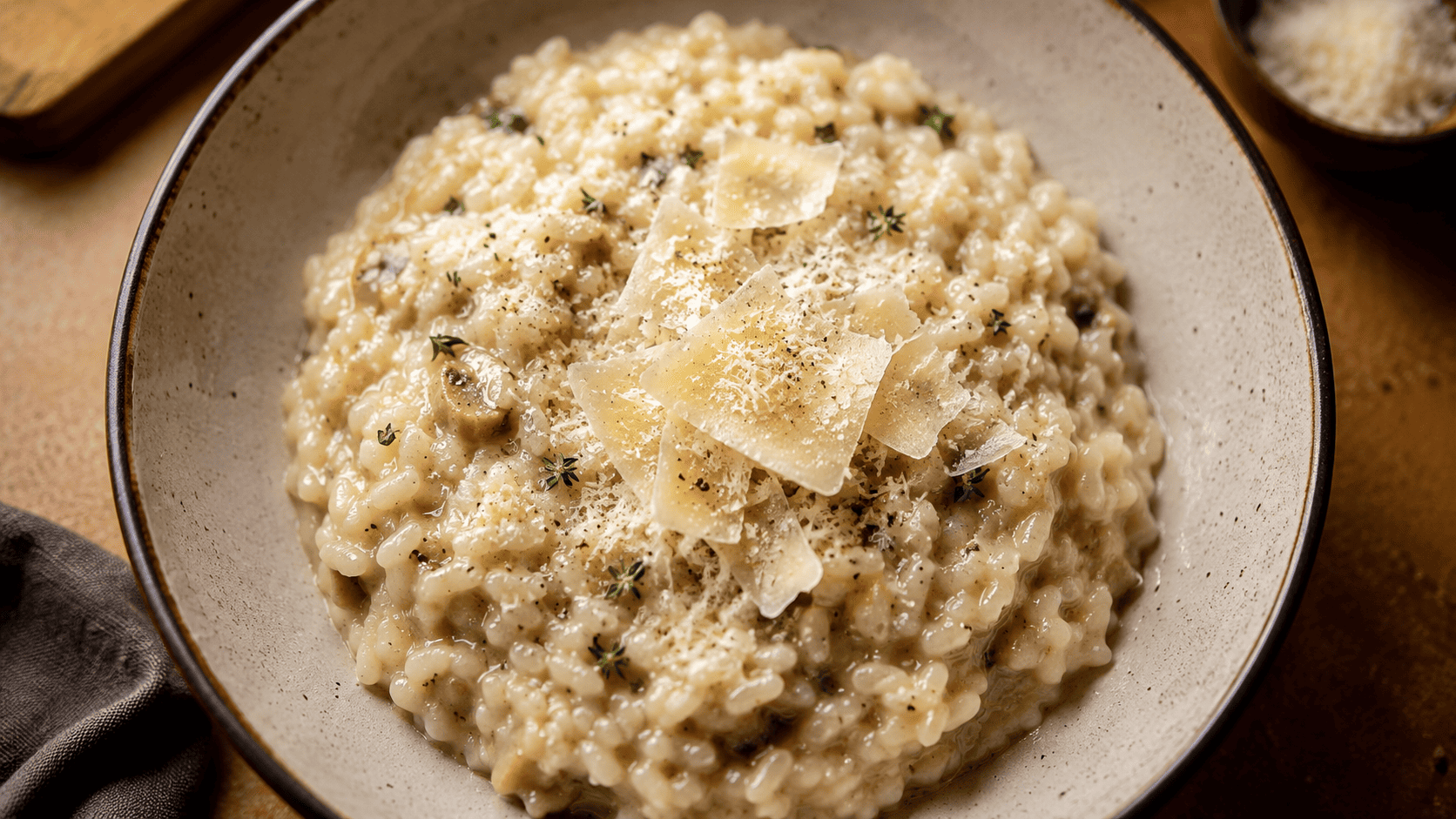
Traditional risotto demands near-constant stirring and ladling warm stock for 20–25 minutes — it’s not slow, but it’s hostage-taking. This version: sauté rice and onion, add stock all at once, pressure cook 6 minutes, stir in parmesan and butter at the end. Identically creamy. Zero hostage situation.
10. One-Pot Chicken & Rice
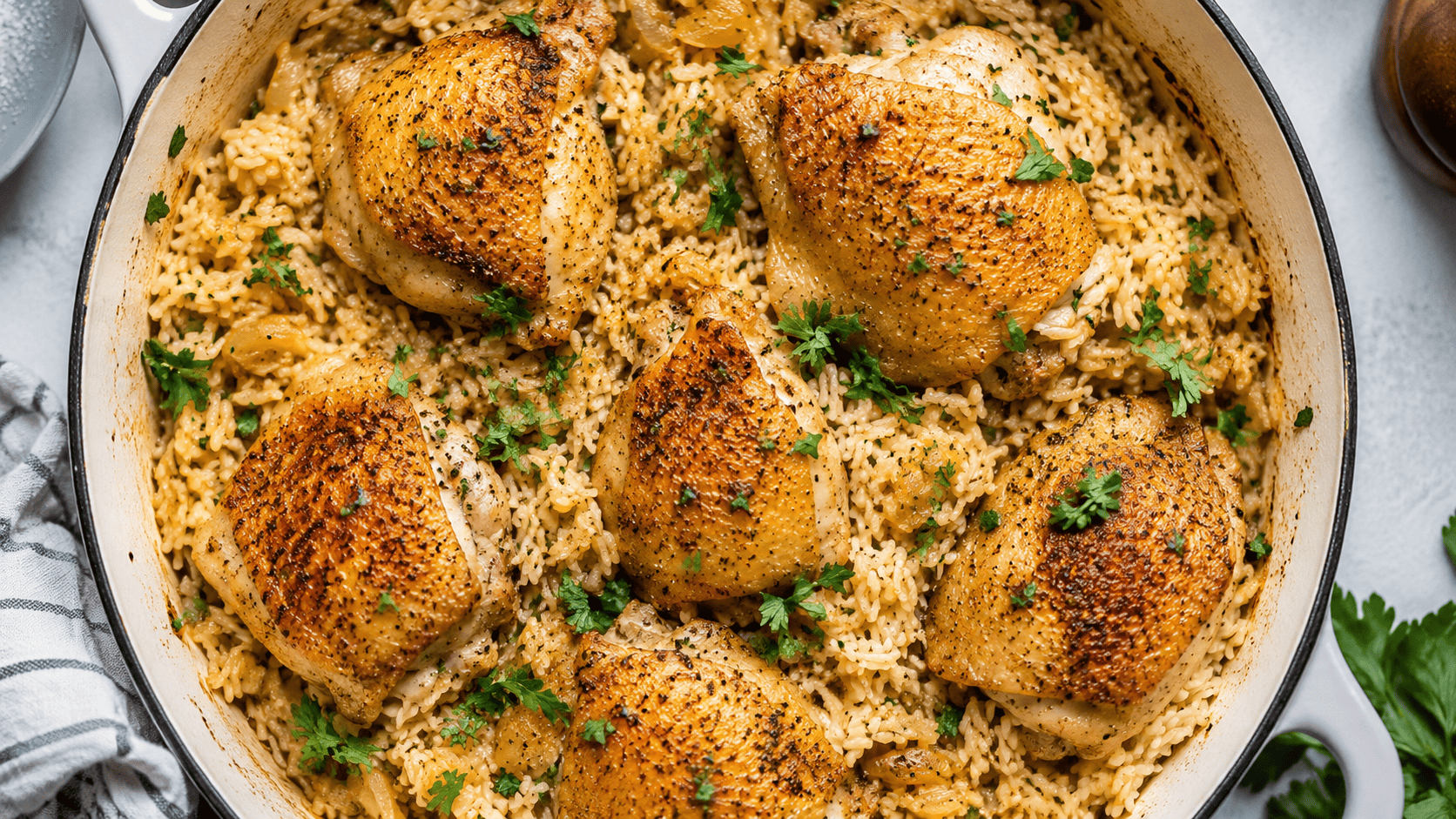
Chicken thighs, rice, broth, and aromatics, all in together. Low liquid volume means a fast pressurize, and chicken thighs cook through reliably without drying out, since the sealed environment keeps moisture in rather than letting it evaporate.
11. 5-Minute Marinara
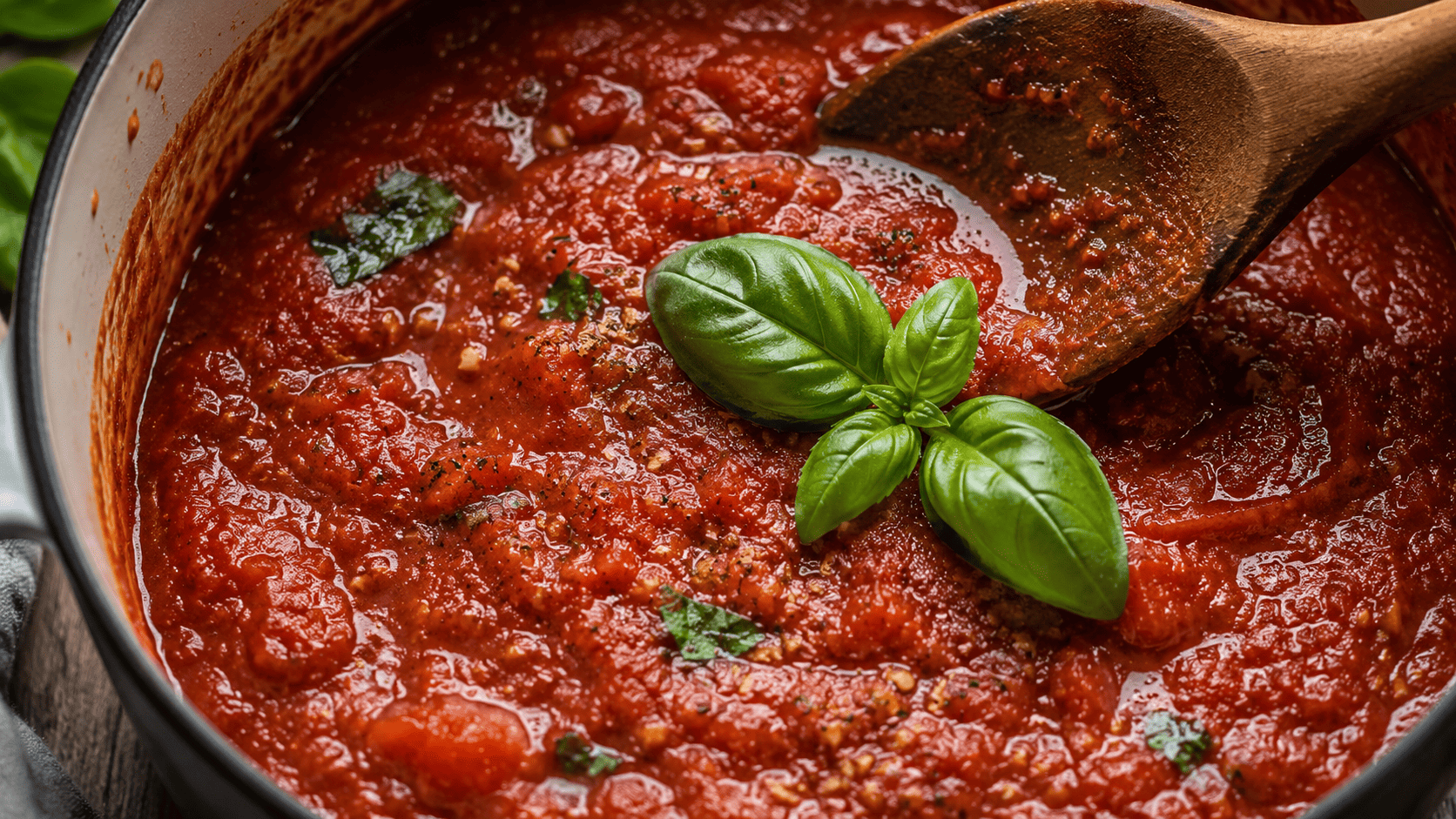
Canned tomatoes, garlic, olive oil, basil, sealed and pressure cooked for five minutes instead of simmered uncovered for forty-five. Because the lid stays shut, none of the liquid evaporates off, so the sauce comes out rich and concentrated without the usual reduction time.
12. Steamed Artichokes
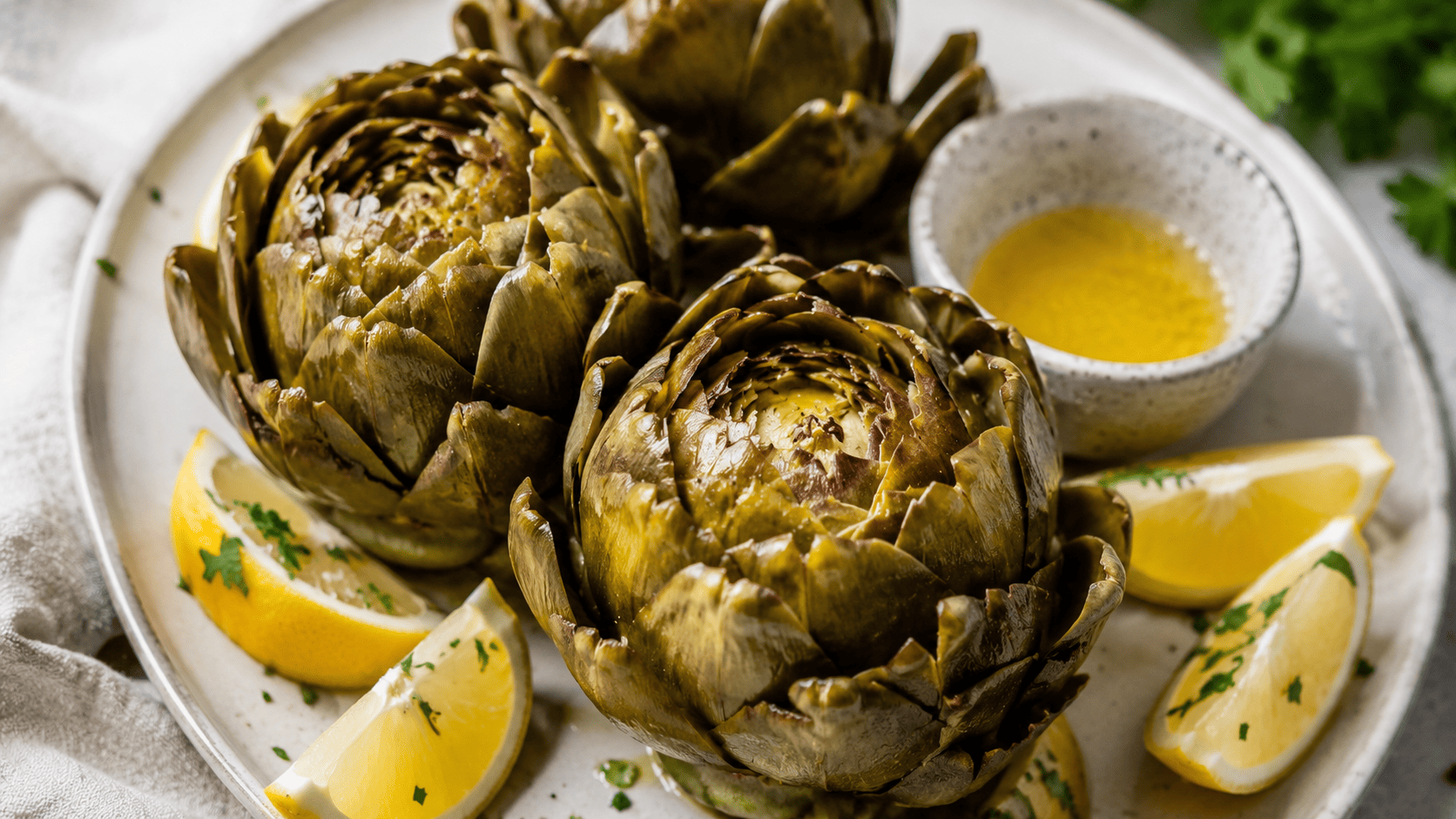
A genuinely underrated win. Whole artichokes steamed conventionally take 30–45 minutes to get tender all the way to the heart. Under pressure: 10 minutes, evenly cooked from leaf tip to heart, no babysitting the pot to keep the water from boiling dry.
Things You’d Never Think to Pressure Cook — But Should
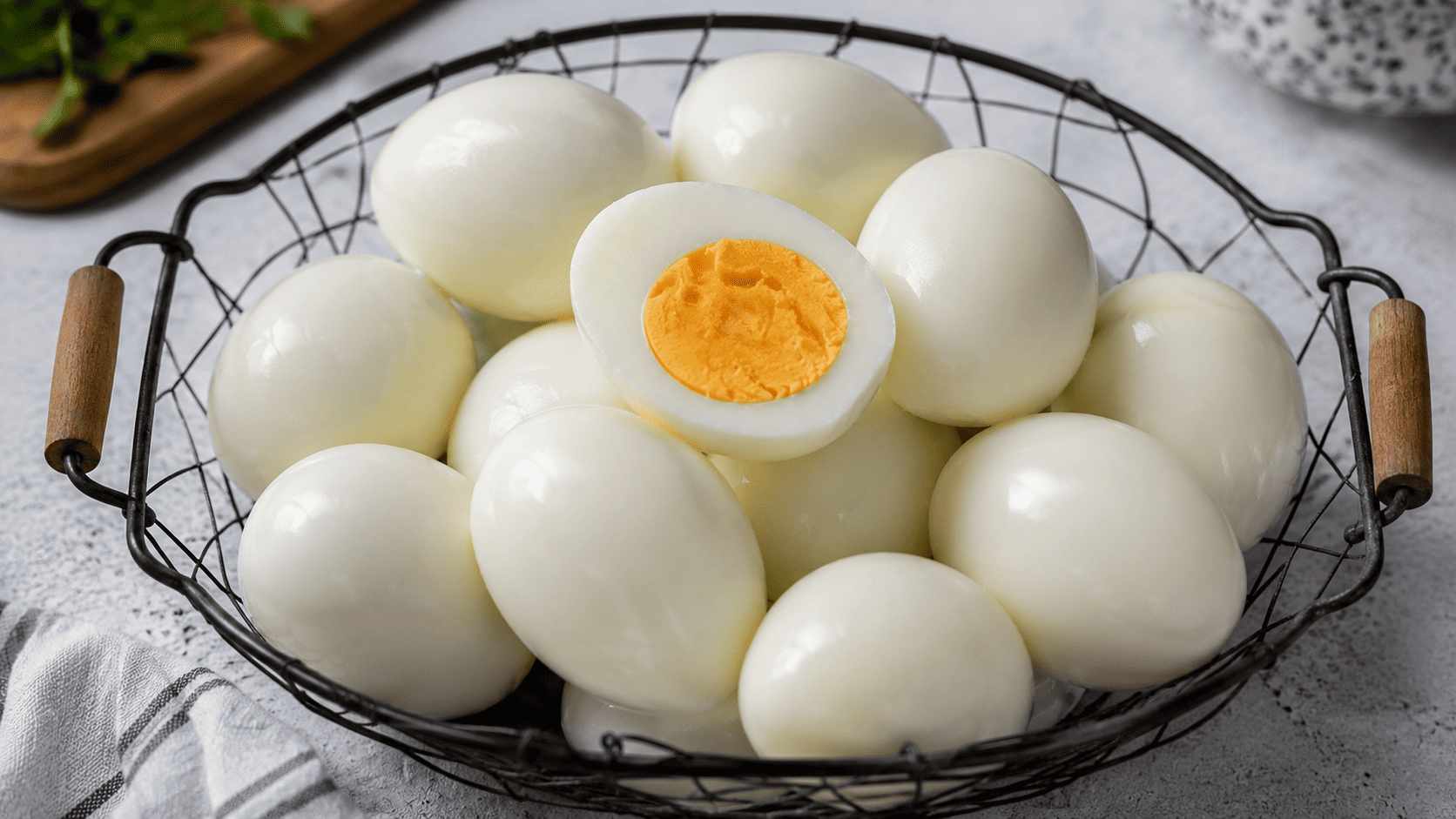
The least glamorous win on this list might be the most useful one.
13. Hard-Boiled Eggs, By the Dozen
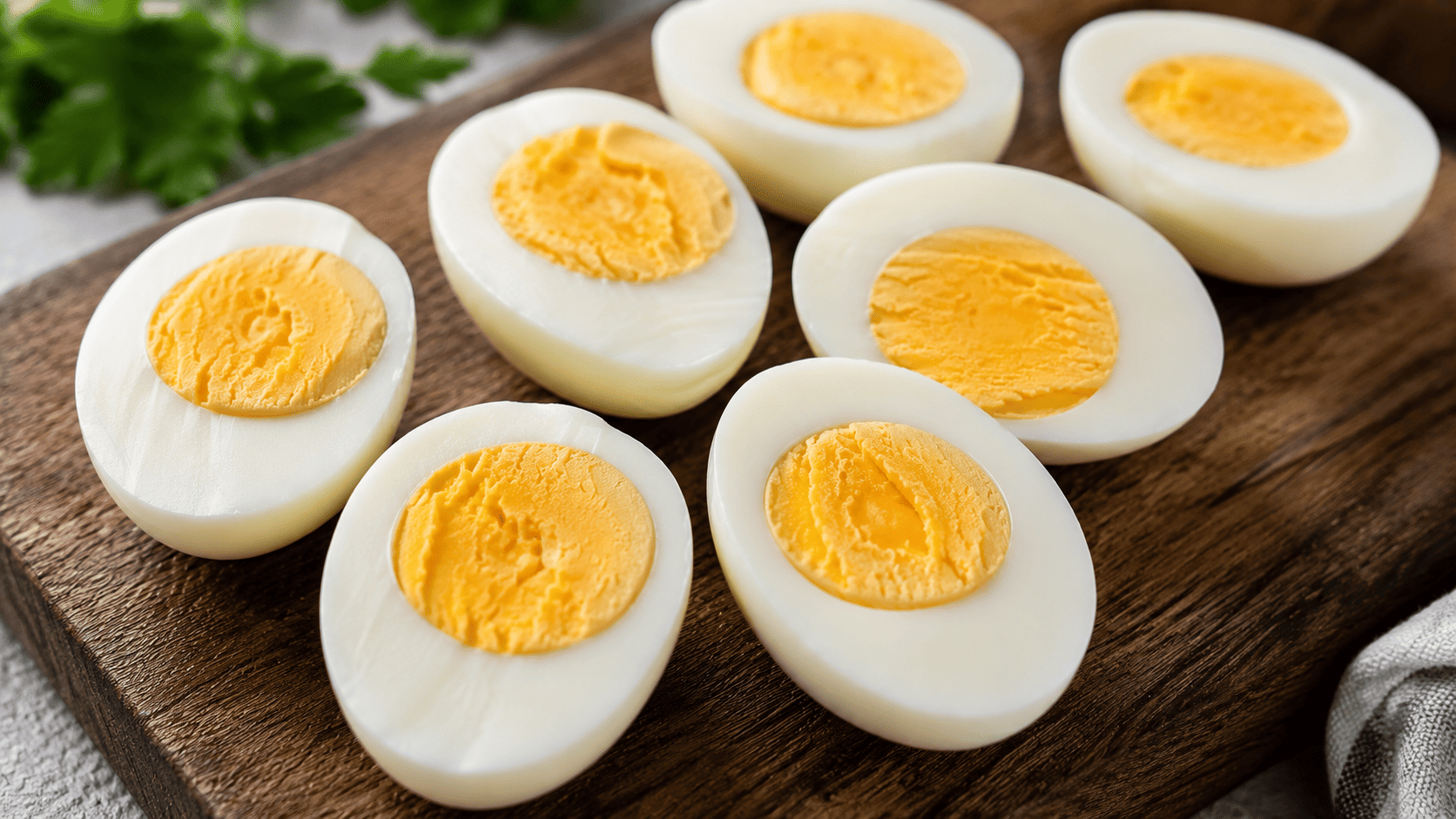
This sounds like overkill until you’ve tried peeling stovetop-boiled eggs and lost half the white to the shell. Steam-cooking eggs under light pressure for 5 minutes, then shocking them in ice water, separates the membrane from the shell almost completely — peeling becomes a one-motion job instead of an excavation. If you’re already building a pantry-meal habit, a dozen of these in the fridge turns “nothing to eat” into lunch in under a minute.
14. 30-Minute Bone Broth

Traditional bone broth wants 12 to 24 hours of barely-simmering extraction. Under pressure, the same collagen and mineral extraction happens in about 45 minutes, because the elevated temperature accelerates the breakdown that would otherwise need an entire day of low heat. It’s the same instinct behind stretching a single chicken into five meals — the carcass that usually gets thrown out becomes the next night’s soup base, no extra shopping required.
15. Steamed Whole Sweet Potatoes
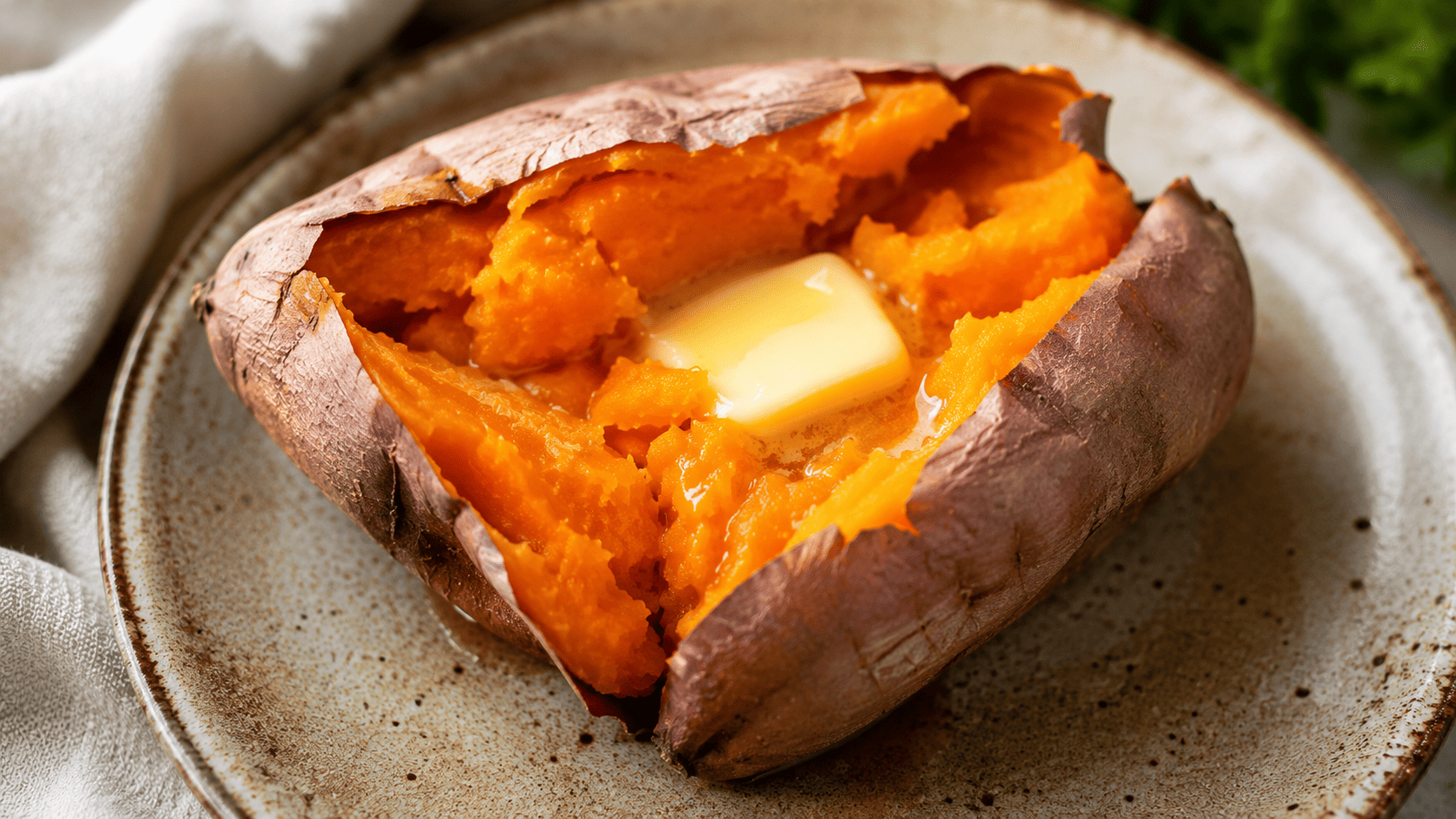
Baked sweet potatoes need a genuine 45–60 minutes in a hot oven to get soft all the way through. Steamed under pressure, large sweet potatoes come out fully tender in 15 minutes — slightly different texture (moister, less caramelized skin), but for a weeknight side, the trade is an easy one.
Stovetop vs. Instant Pot — Visualized
Total minutes per dish, including pressurizing and release time for the Instant Pot column.
Notice the pattern: the bigger the conventional cooking time, the bigger the percentage saved. Risotto barely moves. Pulled pork falls off a cliff.
Why “What’s for Dinner” Feels Heavier Than It Should

The 6 p.m. fridge stare has a name, and it isn’t laziness.
There’s a reason “set it and walk away” appliances feel disproportionately relieving compared to the actual minutes they save. It isn’t really about minutes. It’s about the number of decisions a meal requires, and dinner consistently arrives at the exact moment your capacity to make good decisions is lowest.
A 2020 concept analysis in the Journal of Health Psychology describes decision fatigue as a measurable decline in the quality of choices and self-control after repeated decision-making — and it identifies situational load (a long workday, competing demands, low time pressure) as a direct trigger. By the time dinner rolls around, you’ve usually been making decisions for ten-plus hours straight.
The effect has been observed in oddly serious settings: parole boards have been shown to grant favorable rulings far more often early in a session than later, after the same kind of decision fatigue sets in. A separate 2014 study in JAMA Internal Medicine found physicians were 26% more likely to prescribe unnecessary antibiotics in the fourth hour of a clinic shift than the first. Dinner decisions aren’t medical or legal, but they’re being made by the exact same depleted brain.
Pignatiello GA, Martin RJ, Hickman RL. J Health Psychol. 2020;25(1):123–135. DOI: 10.1177/1359105318763510 · Linder JA, et al. JAMA Intern Med. 2014;174(12):2029–2031. DOI: 10.1001/jamainternmed.2014.5225
What a pressure cooker actually removes isn’t cooking time — it’s the monitoring decision. Stovetop cooking asks you to keep deciding: check the heat, stir it, taste it, decide if it needs more liquid, decide when it’s done. A sealed pot removes every one of those micro-decisions. You make one decision — ingredients in, button pressed — and the next decision doesn’t arrive until the timer ends. For a depleted brain at 6 p.m., that’s not a small thing. It’s the entire thing.
This is the same underlying relief behind pantry-only cooking — fewer choices, not more recipes, is usually what actually reduces dinnertime dread. A pressure cooker just adds a second lever: fewer choices and fewer minutes spent making them.
The Nutrient Question Nobody Asks — Does Faster Cooking Mean Worse Cooking?
There’s an intuition that fast cooking must be lower quality, nutritionally speaking — that real nourishment requires real time. The data on this specific question runs the opposite direction.
A widely cited 2007 study in the Journal of Food Science compared five cooking methods for vitamin C retention in broccoli. Boiling and steaming caused significant losses — 34% and 22% respectively — while pressure cooking retained more than 90% of the original vitamin C. The reason tracks directly back to time: vitamin C is heat- and water-sensitive, and the dramatically shorter cook time under pressure simply gives it less opportunity to degrade or leach into the cooking water.
Galgano F, et al. J Food Sci. 2007;72(2):S130–S135. DOI: 10.1111/j.1750-3841.2006.00258.x
The honest caveat: this doesn’t make pressure cooking universally superior for nutrition — some compounds, like certain carotenoids in root vegetables, show mixed results across methods, and the cooking liquid itself often retains nutrients that leached out, which is worth saving and reusing rather than discarding. But the core finding holds up: less time at heat generally means less degradation, and a sealed pressure cooker is the fastest legitimate cooking method most home kitchens have access to.
5 Instant Pot Claims Worth a Second Look
A decade of Instant Pot marketing produced some genuinely useful claims and some that need a footnote.
Instant Pot FAQ
The Instant Pot was never going to make a fifteen-minute pasta dish faster than fifteen minutes. What it actually does is quietly erase the worst part of cooking — the long, unattended hours that used to gatekeep an entire category of food from weeknight life. Beans that needed an overnight soak. A roast that needed a Sunday afternoon. A stock that needed to simmer while you slept.
None of that disappears because of a marketing claim. It disappears because of physics — a sealed pot, a higher boiling point, and a kitchen timer that, for once, is telling the truth.