What Can You Cook When You Have Nothing Left in the Fridge?
5 Surprisingly Delicious Meals from Pantry Staples
The best home cooks know the pantry is not the fallback. It is the foundation — and some of the most nourishing meals in history were born from empty shelves.

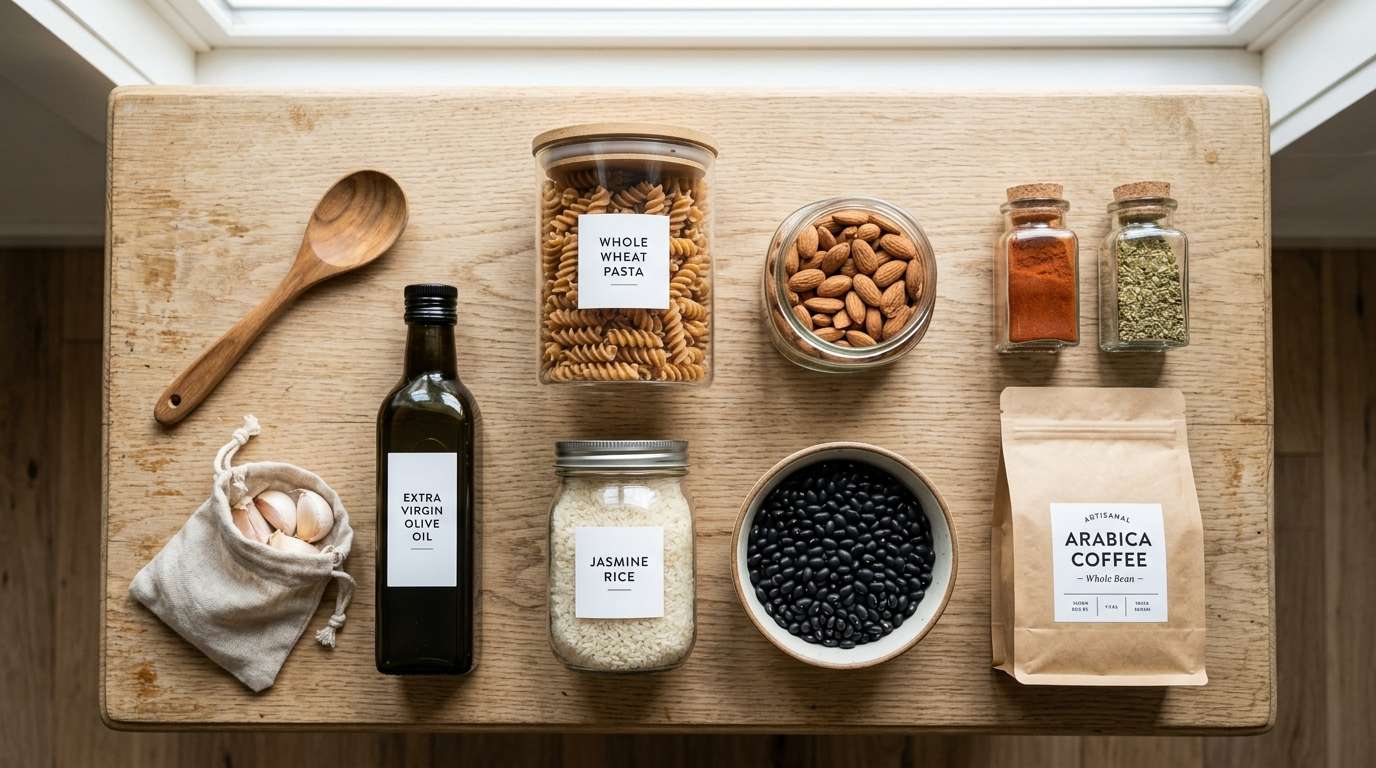
The emptiest pantries have always fed the most honest meals.
There is a specific feeling that happens when you open the fridge late in the evening and find almost nothing. A half-onion in cling film. An egg. A can of chickpeas you’ve been moving aside for two weeks.
The instinct is to feel defeated. To pick up the phone and order something. To tell yourself this is not a cooking situation.
It is always a cooking situation.
According to the USDA, the average American household wastes between 30–40% of its food supply. Most of what gets dismissed as “nothing to eat” is, in reality, a complete meal waiting to be assembled. The gap between an empty fridge and no food is almost always the imagination — not the pantry.
The five meals below were born from scarcity. They are not consolation prizes. They are, quietly, some of the most satisfying things you can make in a kitchen — precisely because there is nothing extra in the way.
What “Nothing Left” Actually Means — and What You Probably Already Have
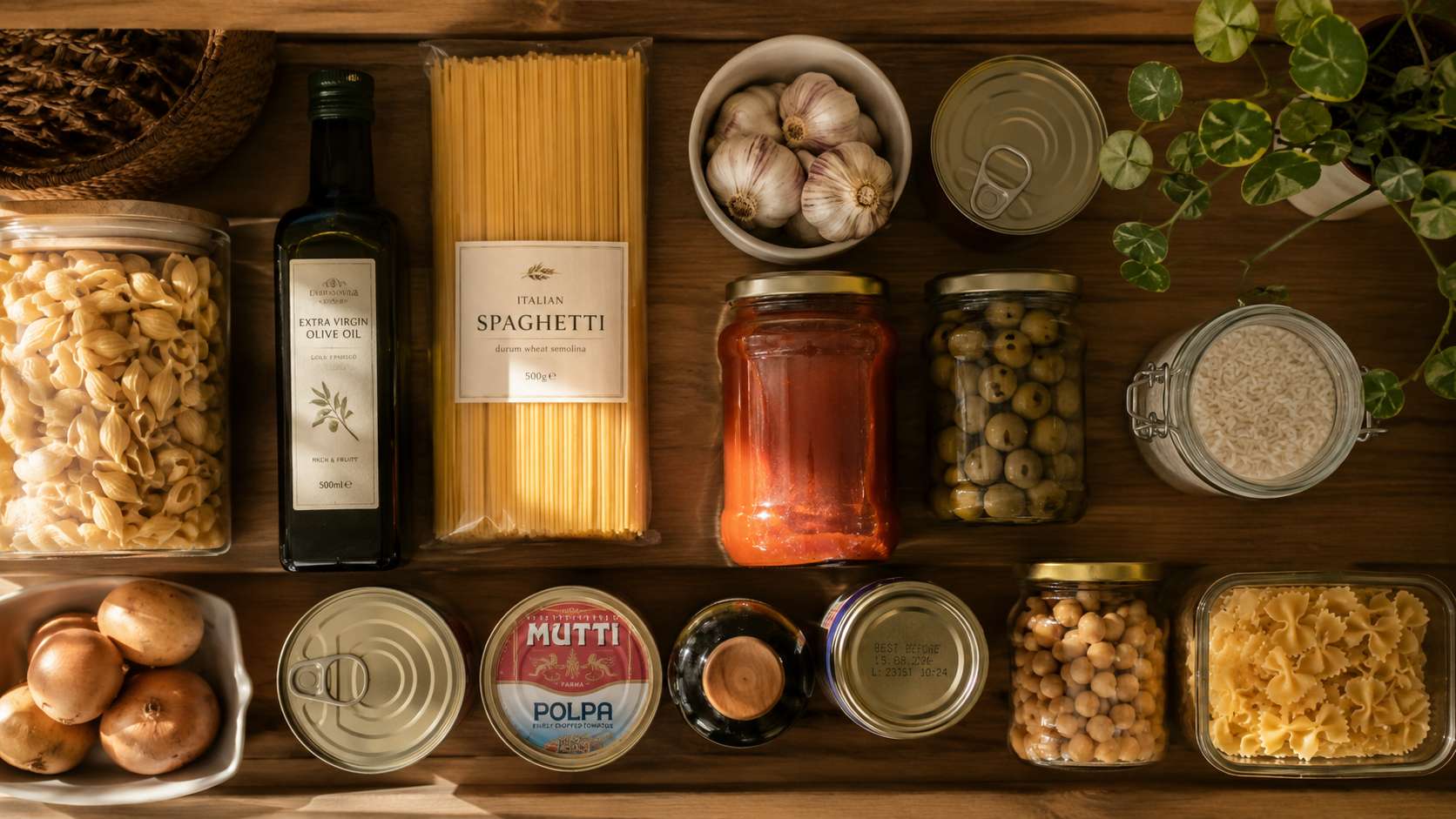
The pantry is not the fallback. It is the starting point.
Most people say they have “nothing to eat” when they actually have pasta, oil, eggs, canned tomatoes, a grain, and a collection of spices. That is not nothing. That is four complete dinners.
These are the ingredients that close the gap between “empty fridge” and “a real meal”:
If you have eight or more of these, every meal below is within reach — no shopping required. Pantry cooking is not a compromise. It is a skill. One that the most resourceful home cooks in history built out of necessity and grew to love.
Garlic Butter Pantry Pasta — The Dish That Outlasted Every Trend
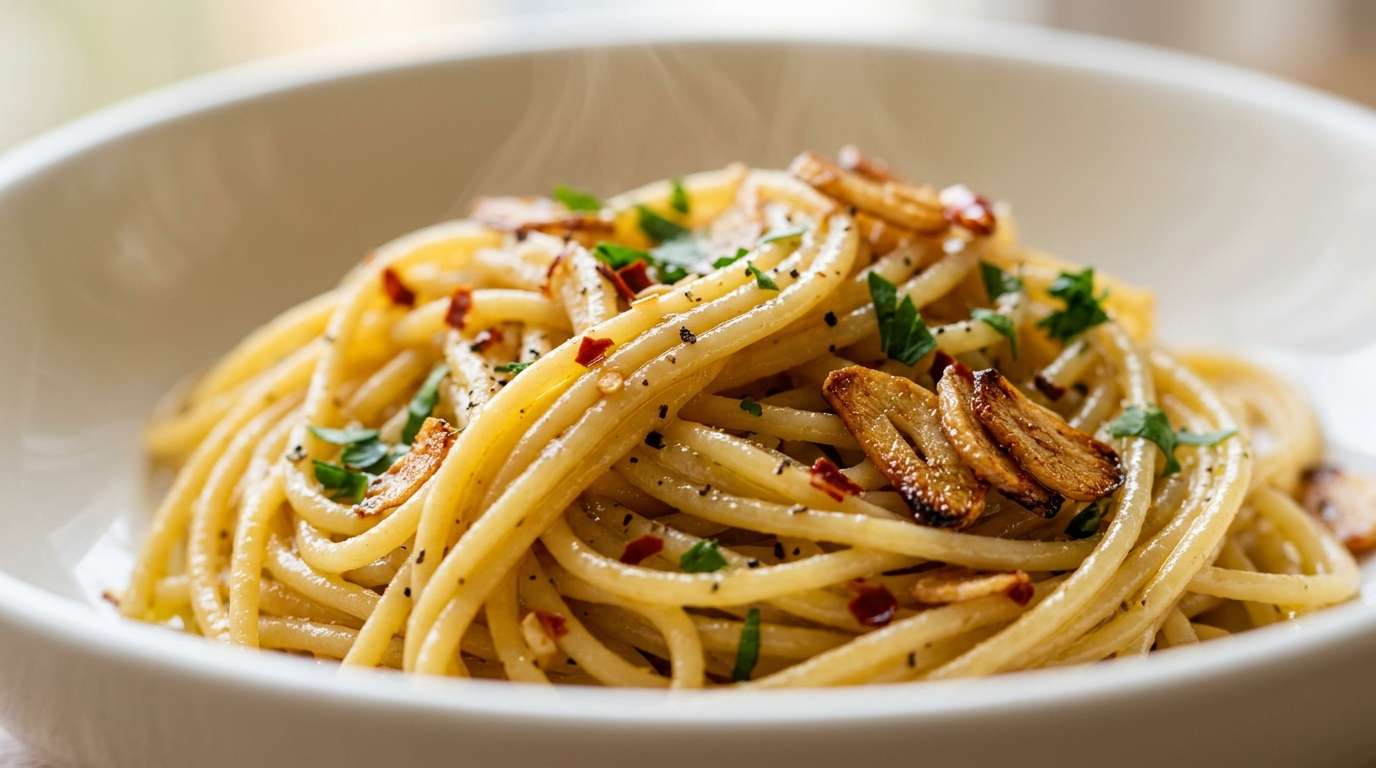
Aglio e olio — the Roman answer to an empty fridge. It has outlasted every food trend by about 2,000 years.
Aglio e olio is one of the oldest pastas in the world. It requires exactly three things: pasta, olive oil, and garlic. Every addition after that is a bonus. The magic is in the technique — fat coating every strand, garlic turning sweet and slightly golden at the edges, and pasta water pulling it all into something that tastes far more complex than the ingredient list suggests.
The internet keeps rediscovering this dish under different names — “5-ingredient pasta,” “lazy girl pasta,” “broke pasta.” It is none of those things. It is one of the most technically precise dishes in Italian cooking. It just happens to require almost nothing to make.
Ingredients (serves 2): 200g spaghetti or any pasta · 4 tbsp olive oil or butter · 4 cloves garlic, thinly sliced · pinch of chilli flakes · salt · a mug of pasta cooking water · parmesan or any hard cheese to finish
Method: Boil pasta until al dente — save a full mug of the water before draining. In a wide pan on medium heat, warm the oil and add garlic. Cook until just golden (watch it — 60 seconds is the difference between golden and burnt). Add chilli flakes. Add drained pasta directly to the pan. Splash in pasta water and toss continuously for 1–2 minutes until silky. Serve with cheese and cracked black pepper.
The key move: The pasta water is not optional. The starch emulsifies the oil into a light, glossy sauce. Without it you get oily pasta. With it you get something restaurant kitchens charge $22 for.
No fresh garlic? ¼ tsp garlic powder stirred into the warm oil. No parmesan? Any hard cheese — or nutritional yeast for depth without dairy. No pasta? This method works identically with any cooked grain. Want protein? A tin of drained white beans tossed in at the end turns this into a complete meal.
Crispy Fried Rice with Egg — The Universal Answer to Leftover Rice
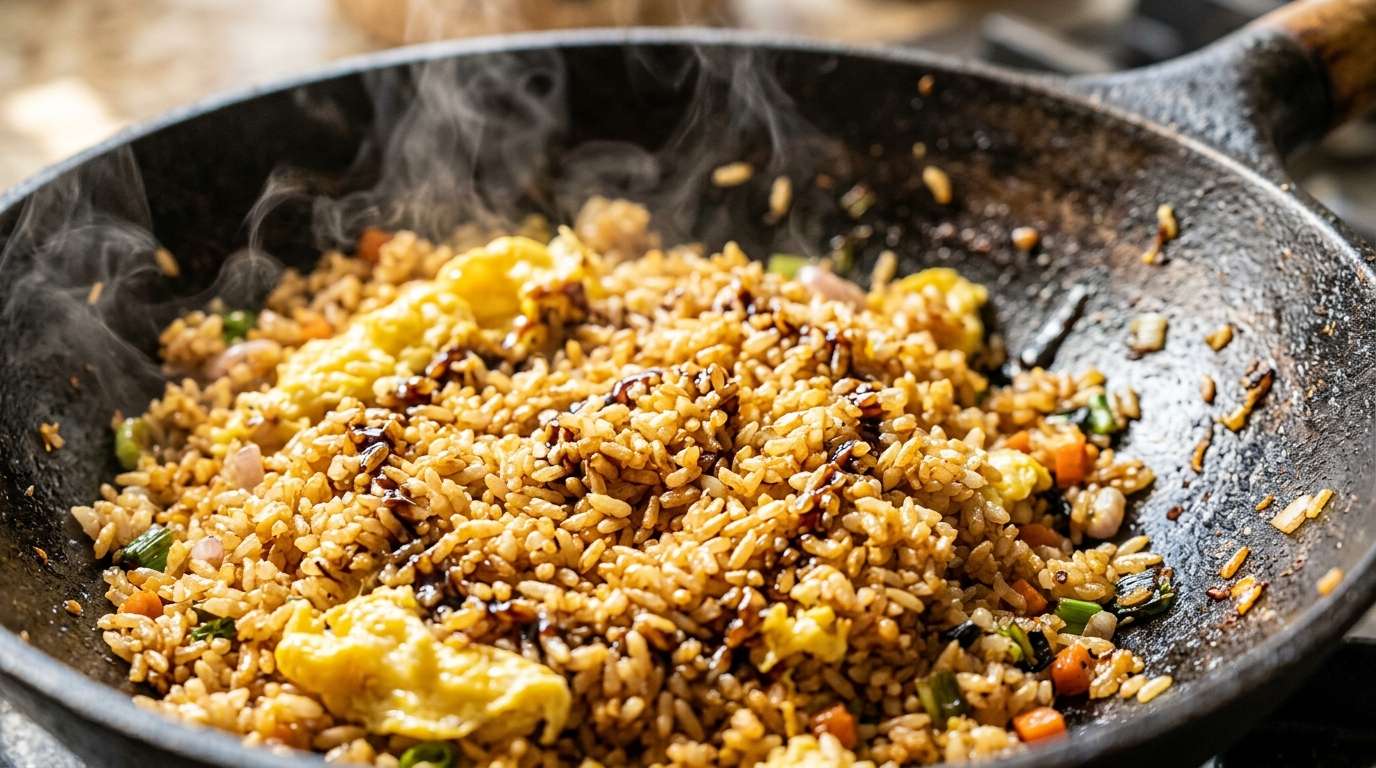
Day-old rice + a very hot pan = the reason every rice-eating culture invented exactly the same dish.
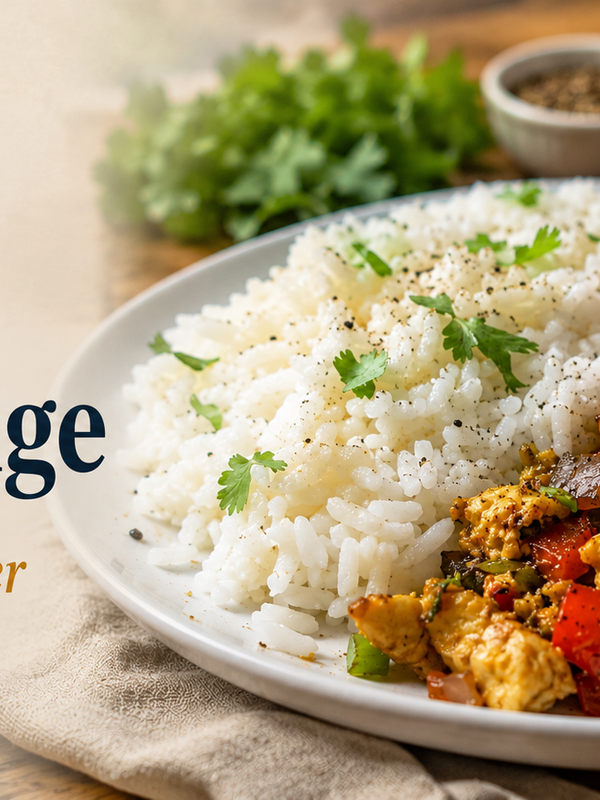
Chinese chǎo fàn, Japanese chāhan, Indonesian nasi goreng, Korean bokkeumbap. Every rice-eating culture on earth invented a version of this independently. The concept is universal because the logic is universal: leftover rice plus high heat plus fat plus egg equals something far better than the sum of its parts.
The key insight most people miss is temperature. The pan needs to be almost smoking before anything goes in. This is what creates the slightly toasted, charred edges that make restaurant fried rice taste like restaurant fried rice — not a special ingredient, just a hotter pan.
Ingredients (serves 2): 2 cups cold cooked rice (day-old is best) · 2 eggs · 2 tbsp soy sauce · 1 tbsp neutral oil · 1 clove garlic, minced · sesame oil to finish (optional) · spring onion or any allium
Method: Get the pan very hot — genuinely very hot — before adding oil. Add rice and press it flat. Do not stir for 90 seconds. This builds the crust. Push the rice to one side, crack eggs into the gap and scramble them loosely. Combine rice and egg, add soy sauce, toss everything on high heat for another 2 minutes. A drop of sesame oil at the end if you have it.
Day-old rice tip: Fresh rice is too wet. If you only have fresh, spread it on a plate and refrigerate uncovered for 30 minutes. The surface dries out and it behaves like day-old. It genuinely makes a difference.
No soy sauce? Salt plus a small knob of butter at the end. No rice? Any leftover grain — farro, barley, quinoa — follows the same method. Vegan? Skip the egg and add frozen peas, corn, or a tin of edamame instead. Want more flavor? A small amount of chilli crisp or fish sauce transforms the whole dish.
Tomato & Bean Skillet Stew — The Meal That Kept Villages Alive for Centuries
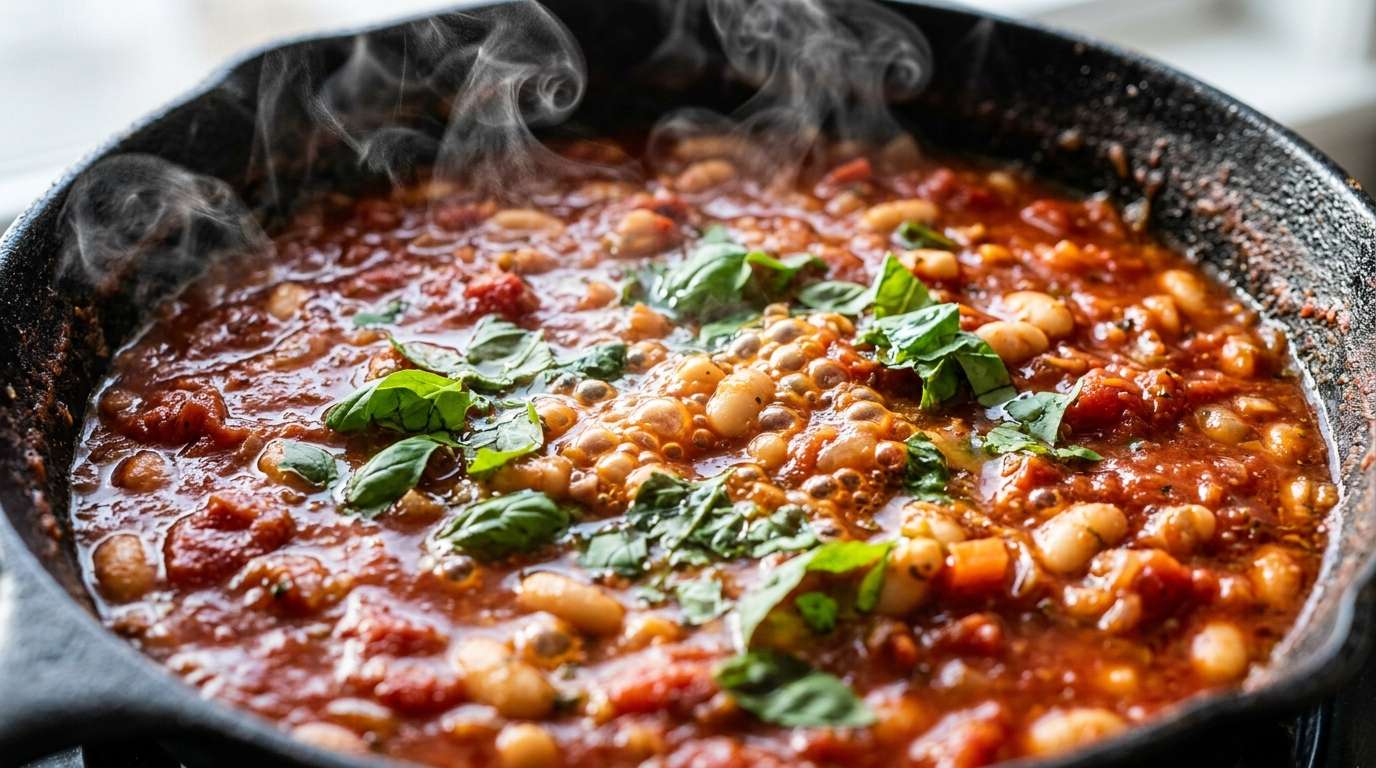
Shakshuka, ribollita, beans on toast — different names, the same ancient idea. Tomatoes, legumes, heat, bread.
Canned tomatoes and legumes produce a stew with more depth than most things that take an hour to make. This is the meal that sustained communities across Southern Europe and Latin America for centuries — not because it was easy, but because the ingredients were always there and the result was always good.
The surprising part? Shakshuka (North Africa), ribollita (Tuscany), potaje (Spain), beans on toast (Britain) — the world’s most beloved comfort foods are nearly all variations on the same base. Tomatoes, legumes, heat. The simplicity is the whole point.
There’s also a psychological dimension to this one. The deep red color, the visible bubbling, the way it smells when garlic and tomato paste hit the hot pan — all of it tells your nervous system that something real is being cooked. That things are handled.
Ingredients (serves 3–4): 1 can (400g) chopped tomatoes · 1 can (400g) white or kidney beans, drained · 1 tbsp tomato paste · 1 onion, diced · 2 cloves garlic · 1 tsp smoked paprika · salt, olive oil, black pepper
Method: Soften onion in oil over medium heat, about 5 minutes. Add garlic and tomato paste directly to the pan — cook for 2 full minutes, stirring, until the paste darkens slightly. This concentrates it and removes the raw edge. Add paprika, then canned tomatoes. Season generously. Simmer 8 minutes until slightly thickened. Add drained beans and heat through. Serve with bread.
The key move: Caramelizing the tomato paste before adding liquid does what an hour of simmering would otherwise do. It’s the single technique that separates a 20-minute stew from one that tastes 20 minutes old.
No canned tomatoes? 2 tbsp tomato paste dissolved in 300ml water. No beans? Red lentils cook in 15 minutes and work identically in texture and protein. Eggs? Crack 2 directly into the stew in the last 5 minutes, cover the pan and let them poach in the sauce — this becomes shakshuka. Want it richer? A stock cube added with the tomatoes adds a savory depth that tastes like it took hours.
Cheesy Toasted Bread Bake — One of the Oldest Prepared Foods on Earth
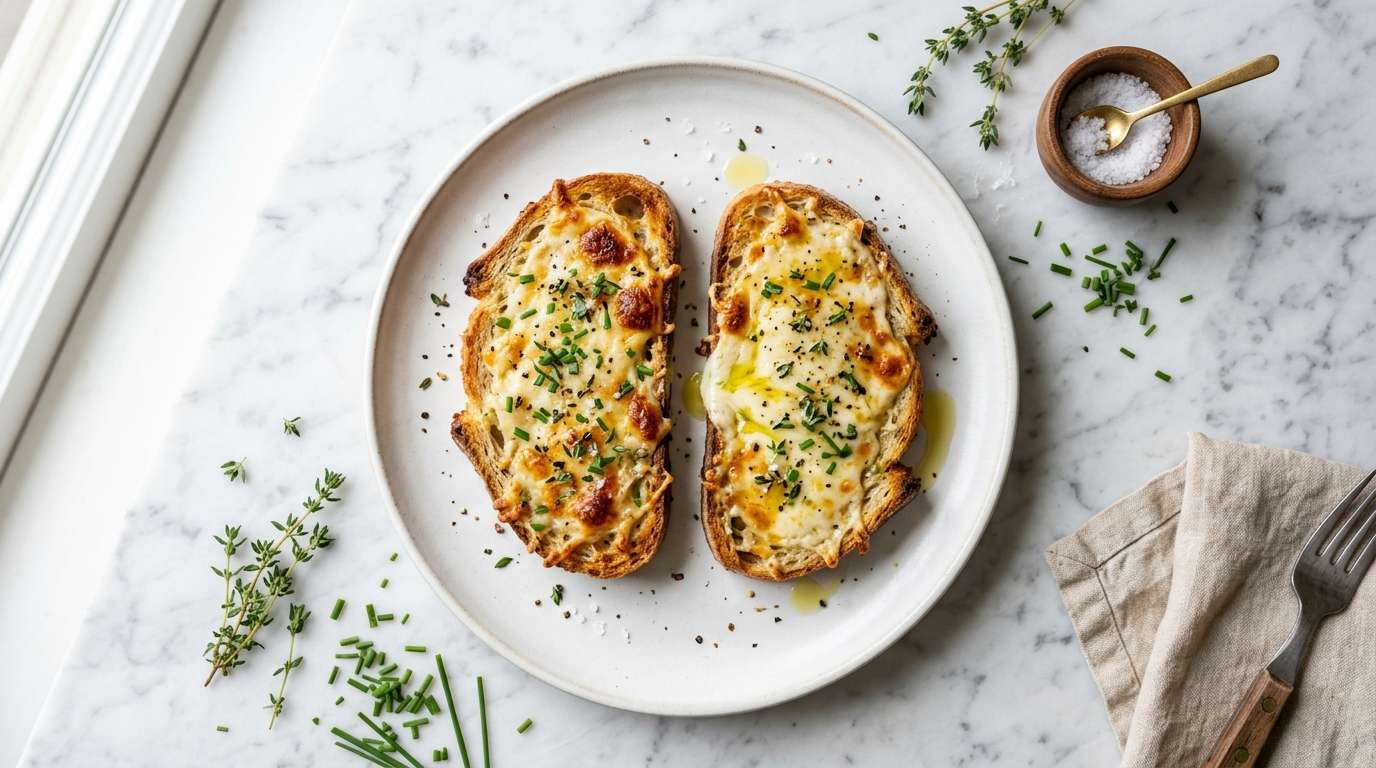
Welsh rarebit, croque monsieur, cheese toast — different countries, the same eternal idea.
Bread and cheese melted together constitute one of the oldest prepared foods in the world. Welsh rarebit dates to the 18th century. Croque monsieur to early 20th-century Paris. Cheese toast appears in nearly every food culture on earth, always carrying the same quiet implication: this is quick, but we are not cutting corners.
The difference between great cheese toast and mediocre cheese toast is almost entirely heat and timing. Most people use medium heat. The correct heat is higher. You want the cheese bubbling and catching at the edges, that slight caramelized bitterness against the molten center — that contrast is the whole meal.
Ingredients (serves 2): 4 thick slices of bread (any kind) · 80g cheese, grated or sliced (any meltable variety) · 1 tbsp butter or olive oil · 1 tsp mustard, optional · black pepper · optional extras: sliced tomato, caramelized onion, fresh herbs
Method: Preheat grill or broiler to high. Spread bread with butter and a thin smear of mustard if you have it. Top generously with cheese — don’t be shy. Add any extras, season with black pepper. Grill 4–6 minutes, watching closely. You want the surface deeply golden, the edges just starting to catch, the cheese fully molten and beginning to bubble.
No grill/oven? Butter a covered pan, lay in the topped bread, cover tightly and cook on low-medium until the cheese melts from the trapped steam. Takes about 4 minutes. Works perfectly.
No hard cheese? Soft cheeses — cream cheese, ricotta, brie — work under the grill with a dusting of paprika on top. No mustard? A small amount of hot sauce or Worcestershire sauce gives similar background depth. Make it a full meal: Fry an egg separately and lay it on top after grilling. This is the entire meal, and it costs under $2.
Spiced Chickpea Bowl — The Pantry Staple That Has Fed Three Continents for Millennia
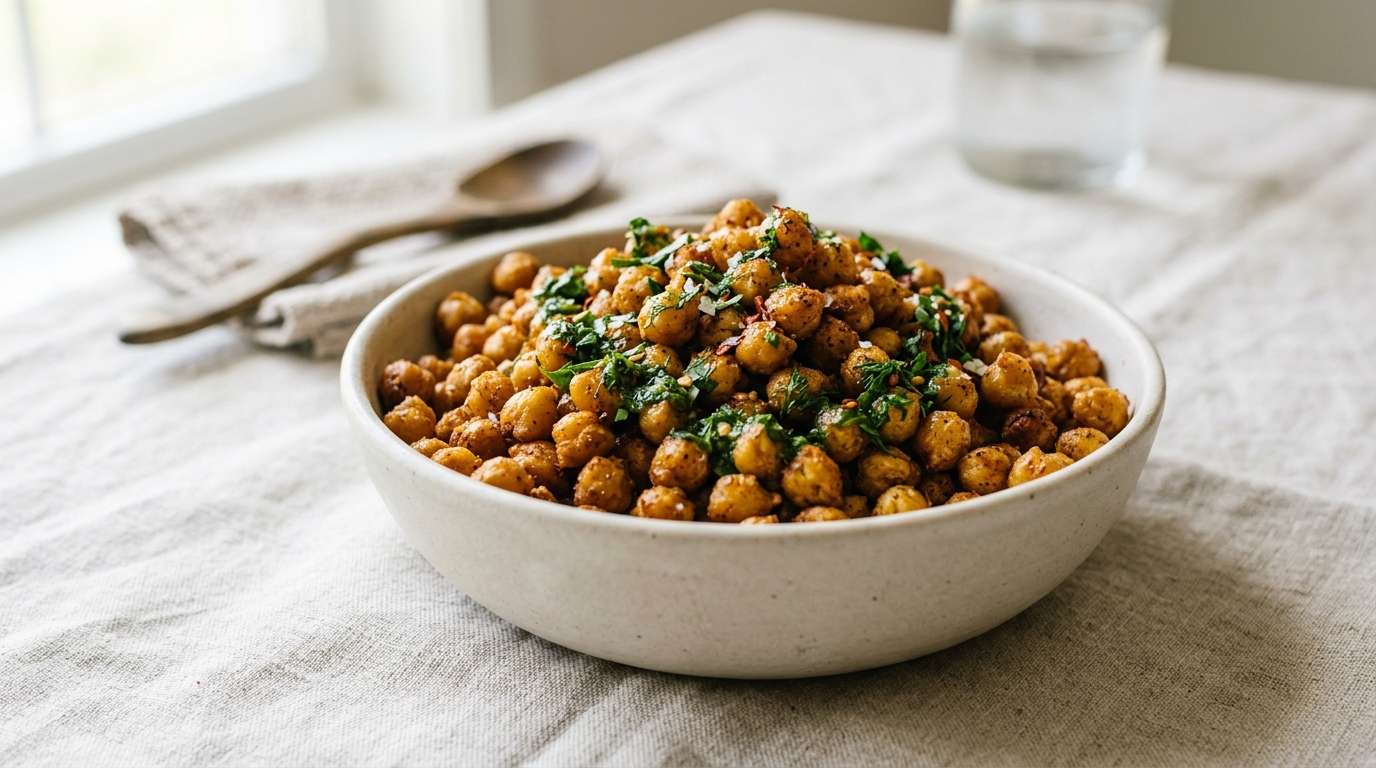
Chana masala, falafel, harira, hummus — all the same base ingredient, doing very different things.
Chickpeas are one of the most versatile proteins on the planet — and one of the most underestimated things sitting in a pantry. A single can, properly seasoned and treated with real attention, produces something that is simultaneously light and deeply satisfying.
Chana masala, falafel, harira, hummus — the chickpea has anchored the pantry cooking of the Mediterranean, Middle East, and South Asia for thousands of years, precisely because it carries spice exceptionally well and takes on personality from whatever surrounds it.
The technique here is simple, but the spicing step matters. Cumin and smoked paprika need to hit the hot oil for 30 seconds before anything else. That bloom — spices in fat, briefly — transforms dried powder into something aromatic and alive. It is the single move that separates pantry food from canteen food.
Ingredients (serves 2): 1 can (400g) chickpeas, drained and dried well · 2 tbsp olive oil · 1 tsp ground cumin · 1 tsp smoked paprika · ½ tsp garlic powder · salt and black pepper · lemon juice to finish (if available) · yogurt or any creamy element to serve
Method: Pat chickpeas completely dry with paper towel — moisture is the enemy of crispiness. Heat oil in a wide pan until shimmering. Add spices and stir for 30 seconds until fragrant. Add chickpeas, spread flat, and don’t touch them for 2 full minutes. Toss, then cook another 3–4 minutes on medium-high until edges are crispy and golden. Season, squeeze lemon over the top. Serve over rice, with bread, or alone from the pan at midnight.
The key move: Drying the chickpeas is non-negotiable. Wet chickpeas steam rather than crisp. 60 seconds with a paper towel changes the entire texture of the finished dish.
No chickpeas? Any canned bean follows the same method — butter beans get beautifully crispy. No spices? Garlic powder and salt alone produce a genuinely good result. Want a stew instead? Stir in 3 tbsp canned tomatoes at the end and simmer 5 more minutes — it becomes a quick chana-style curry. No lemon? A splash of any vinegar at the end gives the same brightness.
What These Meals Actually Cost
Budget cooking often gets dismissed as eating badly by necessity. The numbers below tell a different story. For comparison: the average takeout order in the US costs $12–$18 per person before delivery fees. Every meal here costs less per serving than the average delivery fee alone.
Note: Estimates based on USDA average retail prices for common grocery items, 2025. Costs vary by region and store.
Why Empty-Fridge Cooking Hits Differently Than Anything You Planned
There is genuine psychology behind why food made from almost nothing can feel more satisfying than a carefully planned meal. Part of it is contrast — when the expectation is low and the outcome is good, the brain registers a larger reward than the food alone would produce. But there is more to it than that.
Research by Catrinel Haught-Tromp (2017) found that creative constraints consistently enhance output quality. When you can only use what you have, the brain engages more laterally and more curiously than when following a recipe. The limitation is not an obstacle — it is the mechanism.
We overvalue things we make ourselves — and overvalue them even more when we improvised to make them. Food that required choosing, substituting, and adapting feels more earned than ordered food. The investment of attention becomes part of what you taste.
After a full day of choices, a meal with five ingredients is a relief. The narrowed option set is not a deprivation — it is a gift. This is why “whatever’s in the fridge” cooking often feels more restful than planning an elaborate dinner from scratch.
Carbohydrates trigger serotonin production. Warm food signals physiological safety — the body interprets heat as stability. Pasta, rice, bread, legumes: every meal above works partly because its core ingredients are neurologically comforting before they are even tasted.
The most nourishing meals are almost never the most elaborate ones. They are the ones that arrived exactly when they were needed — made from whatever was there, by someone who decided it was worth the effort.
The Honest Answers
The Fridge Was Never the Point
The habit of reaching for a phone when the fridge looks empty is partly convenience — and partly a story we’ve been told. That a real meal requires planning, shopping, a full set of fresh ingredients, and at least some emotional preparation.
The garlic butter pasta takes fifteen minutes. The fried rice takes ten. The bean stew, which tastes like it simmered all afternoon, takes twenty.
The phone can wait.
Maybe the most honest meals are always the unplanned ones — the ones where the question was “what do we have?” and the answer turned out to be enough.