15 Five-Ingredient Dinners
That Still Taste Like You Tried
Five ingredients. One pan or one pot. Almost no decisions left to make by the time you get to the stove. Here’s the actual kitchen logic behind why a short ingredient list so often outcooks a long one — plus fifteen dinners to prove it.

It’s 6:40 p.m. The fridge is open. Nothing in it is speaking to you, and somehow that’s worse than an empty fridge, because now you have to evaluate twelve half-used things and reject eleven of them before dinner even starts.
A five-ingredient dinner skips that entire negotiation. Not because it’s lesser cooking — because it’s cooking with the evaluating already done. Five things. One pan. A short, specific plan you can hold in your head without writing it down.
This list has fifteen of them, grouped by what’s already in your pantry, with the actual reasoning behind why restraint tends to taste better than abundance — and a photo under every single recipe.
Why Fewer Ingredients Often Taste Like More
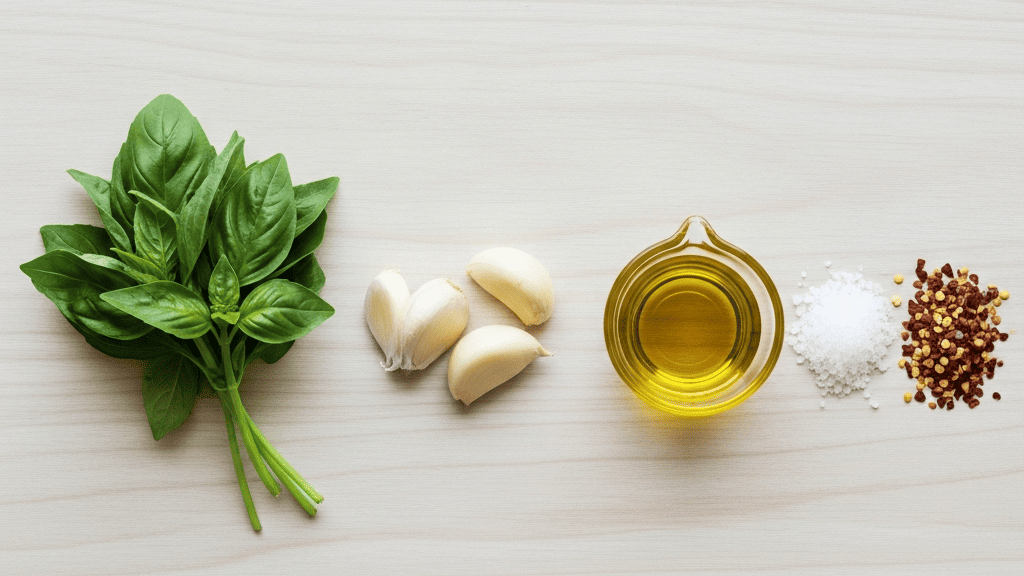
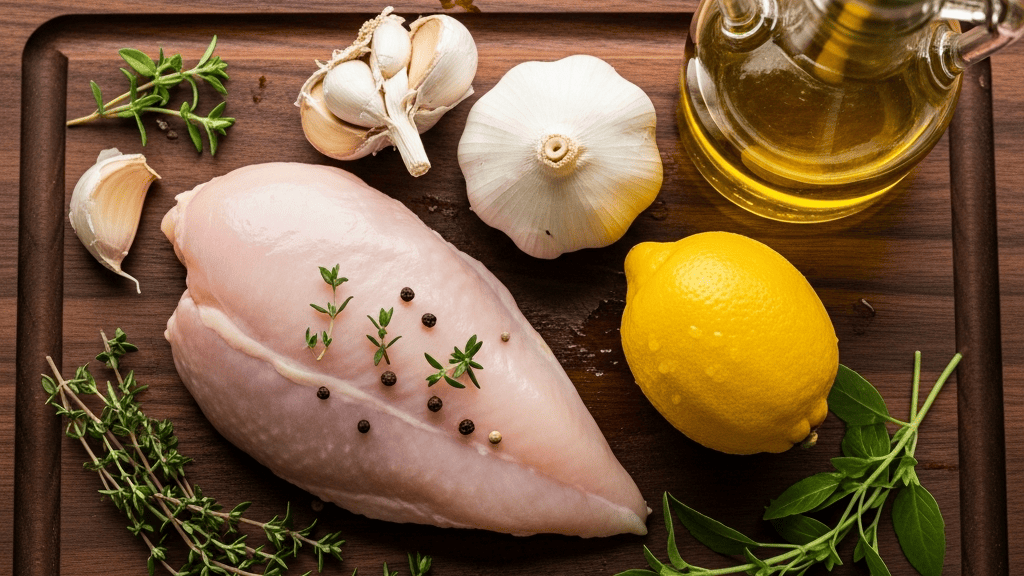
The whole recipe, visible at a glance — nothing left to decide.
By the time most people reach dinner, they’ve already made hundreds of small decisions — what to answer first, what to eat for lunch, whether that reply needed a second read. Psychologists call the resulting mental depletion decision fatigue, and it’s a documented reason people default to whatever takes the least evaluating, even food they hadn’t planned to eat.
A 2025 narrative review on decision fatigue and food choice found that as a person’s self-regulatory resources decline over the day, they reliably default toward whatever’s most convenient rather than what they’d actually intended to eat — not from a lack of caring, but because evaluating options costs mental energy that’s already spent. A five-ingredient dinner removes most of that evaluating before it starts.
Narrative review, Nutrients / PMC, 2025 — decision fatigue and food-choice behavior
There’s a second, less obvious reason it works, and it has nothing to do with tiredness. A short ingredient list forces each ingredient to actually earn its place. Add a twelfth item to a dish and it can hide. Limit a dish to five, and the garlic, the lemon, the one good cut of meat — each has to carry real weight, which is exactly why classic French bistro cooking and Italian cucina povera both built entire cuisines on restraint rather than abundance.
(USDA Economic Research Service)
Home cooking itself hasn’t declined, either — a 2025 analysis of two decades of American Time Use Survey data found the share of adults cooking on any given day actually rose between 2003 and 2023, especially among people with the least spare time. The demand for dinner hasn’t gone anywhere. What’s changed is how much of the evening people are willing to give it.
The Pantry Exemption — What Actually Counts as an “Ingredient”
Every “five-ingredient” recipe lives or dies on one honest rule, so here it is up front: the count below is for what you’d actually have to add to a grocery list. Things almost every kitchen already has open don’t count against the five.
Salt, black pepper, cooking oil or butter, and water. That’s the whole exemption list. Everything else — every spice, every sauce, every can, every fresh herb — is one of the five, counted honestly.
It’s a small distinction, but it’s the difference between a real constraint and a marketing one. If salt and oil didn’t get an exemption, almost nothing anyone actually cooks would qualify — and the whole point of the number is that it’s honest enough to plan a grocery trip around.
Pantry & Pasta
Four dinners that lean on the one box that’s rarely empty.
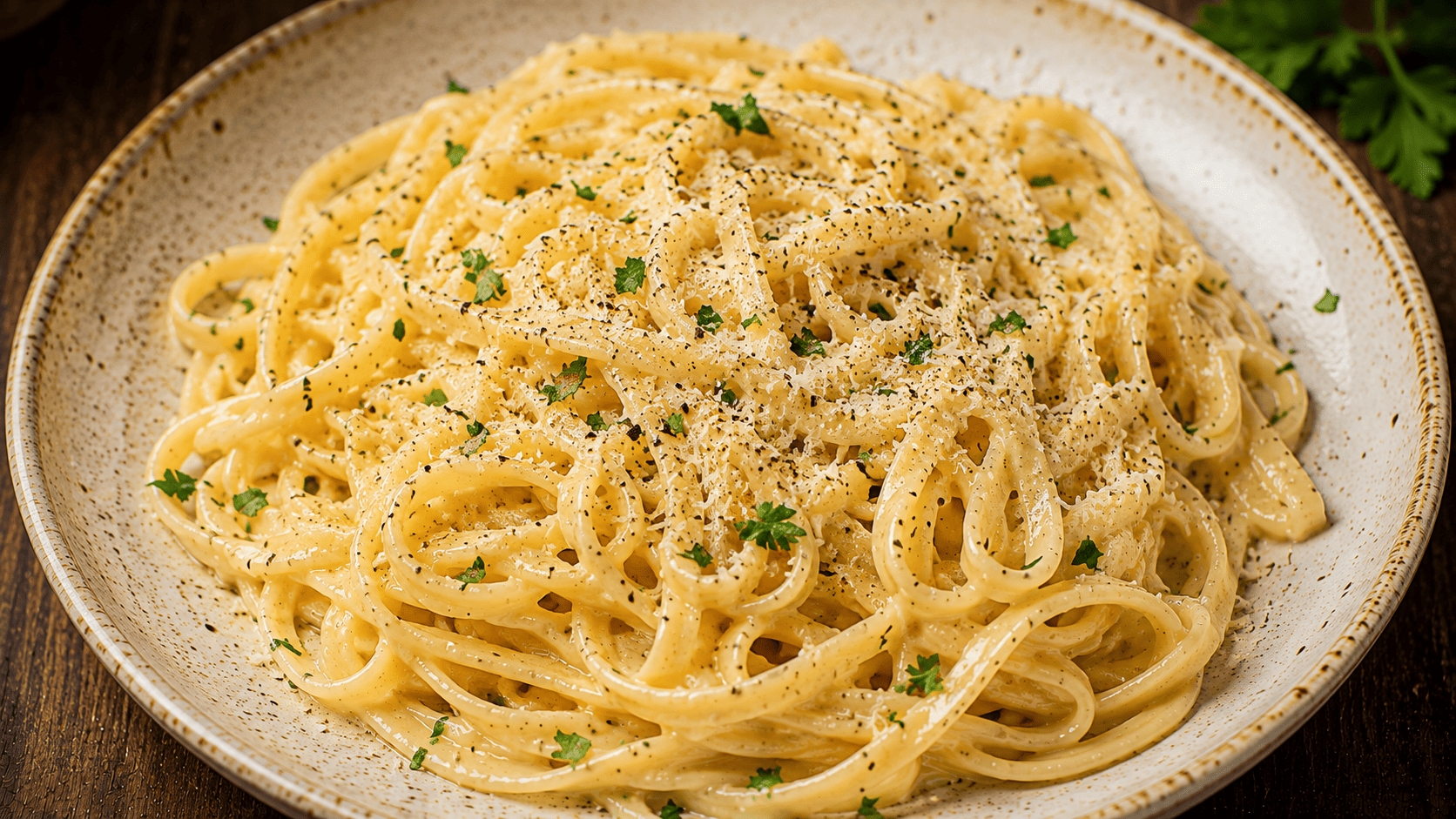
1. Garlic Butter Parmesan Pasta
The five-ingredient dinner that convinces skeptics the format works. Butter and garlic bloom together while the pasta cooks, and a starchy splash of the pasta water turns it into an actual sauce instead of oily noodles.
You’ll need: spaghetti, butter, garlic, parmesan, black pepper.
How: Boil the pasta, saving a cup of the water. Melt butter with sliced garlic over low heat until fragrant, not browned. Toss in the drained pasta with a splash of pasta water and grated parmesan until glossy. Finish with plenty of cracked pepper.
2. Tomato Basil Chickpea Pasta
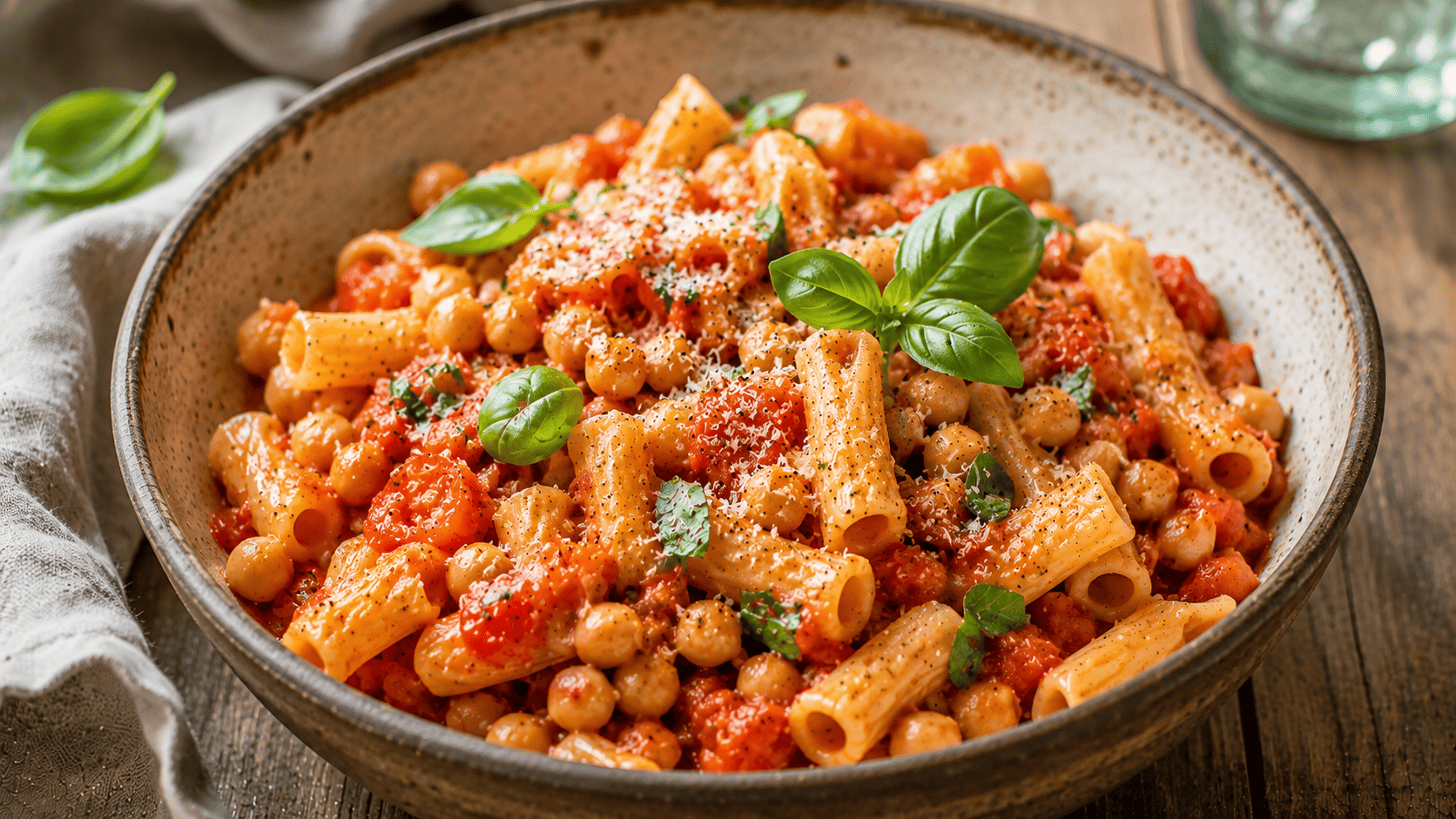
Canned chickpeas simmered into a crushed-tomato sauce turn a basic marinara into something with real body — closer to a stew you can twirl a fork through than a plain red sauce.
You’ll need: short pasta, crushed tomatoes, chickpeas, garlic, fresh basil.
How: Sauté garlic in olive oil, add crushed tomatoes and drained chickpeas, and simmer 15 minutes while the pasta cooks. Toss together and finish with torn basil and a drizzle of oil.
3. Creamy Sun-Dried Tomato Tortellini
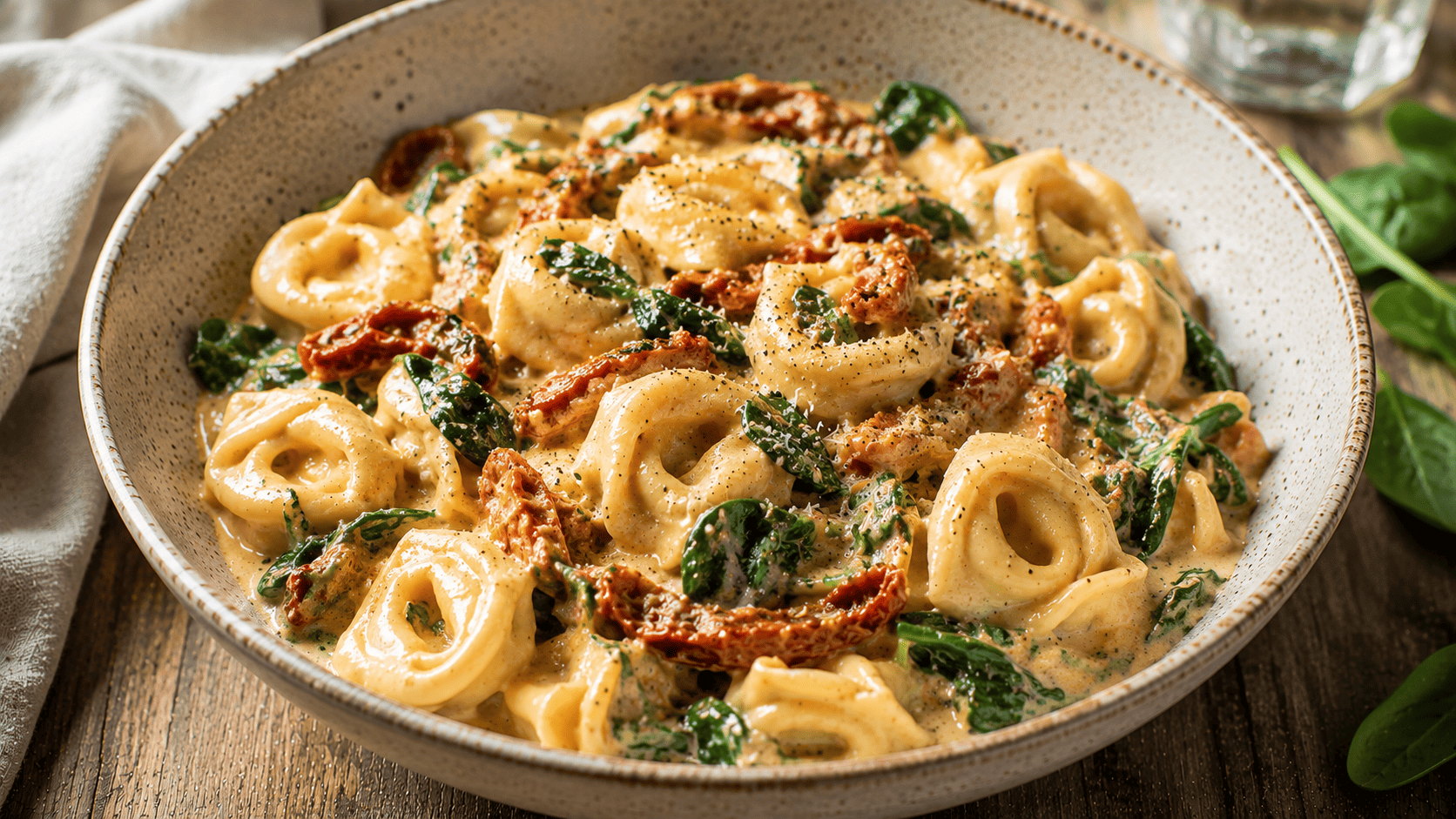
Cheese tortellini needs almost nothing — the filling is already the flavor. Sun-dried tomatoes are the one high-impact ingredient doing all the work a whole spice rack usually does.
You’ll need: cheese tortellini, heavy cream, sun-dried tomatoes, parmesan, baby spinach.
How: Boil the tortellini. Meanwhile, simmer cream with chopped sun-dried tomatoes for 5 minutes, stir in parmesan until it thickens slightly, then fold in spinach until wilted. Toss with the drained tortellini.
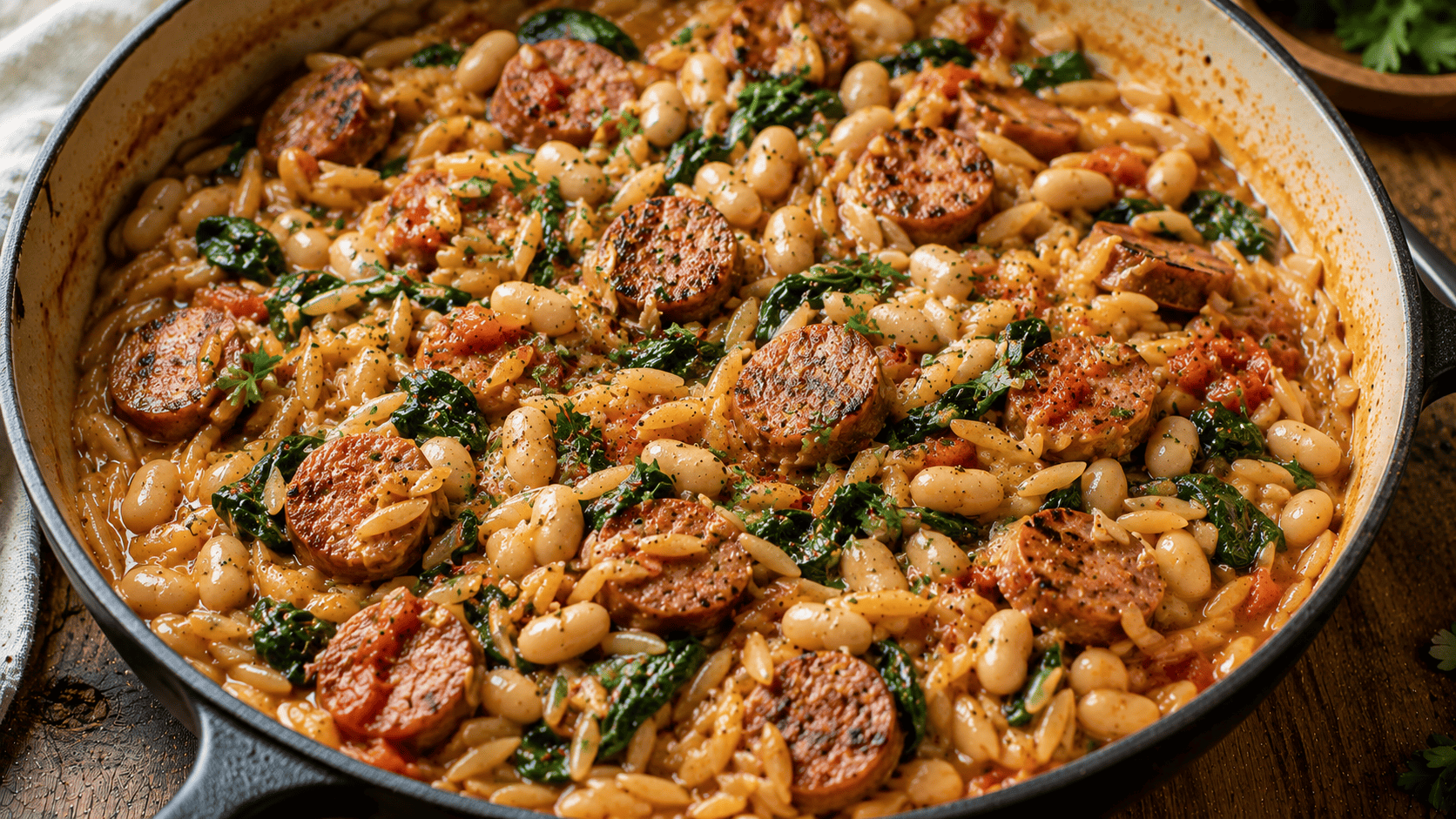
4. One-Pot Sausage & White Bean Orzo
Orzo cooked directly in broth, the way risotto is made, absorbs everything the sausage releases — meaning the “sauce” is really just concentrated pan flavor, and there’s exactly one pot to wash.
You’ll need: Italian sausage, orzo, white beans, chicken broth, baby spinach.
How: Brown crumbled sausage in a deep skillet, add orzo and toast it for a minute, then pour in broth and simmer, stirring occasionally, until the orzo is tender. Stir in the beans and spinach for the last two minutes.
Chicken, Steak & Pork, Simplified
A good cut of meat rarely needs a long ingredient list — it needs heat, salt, and one or two things that get out of the way.
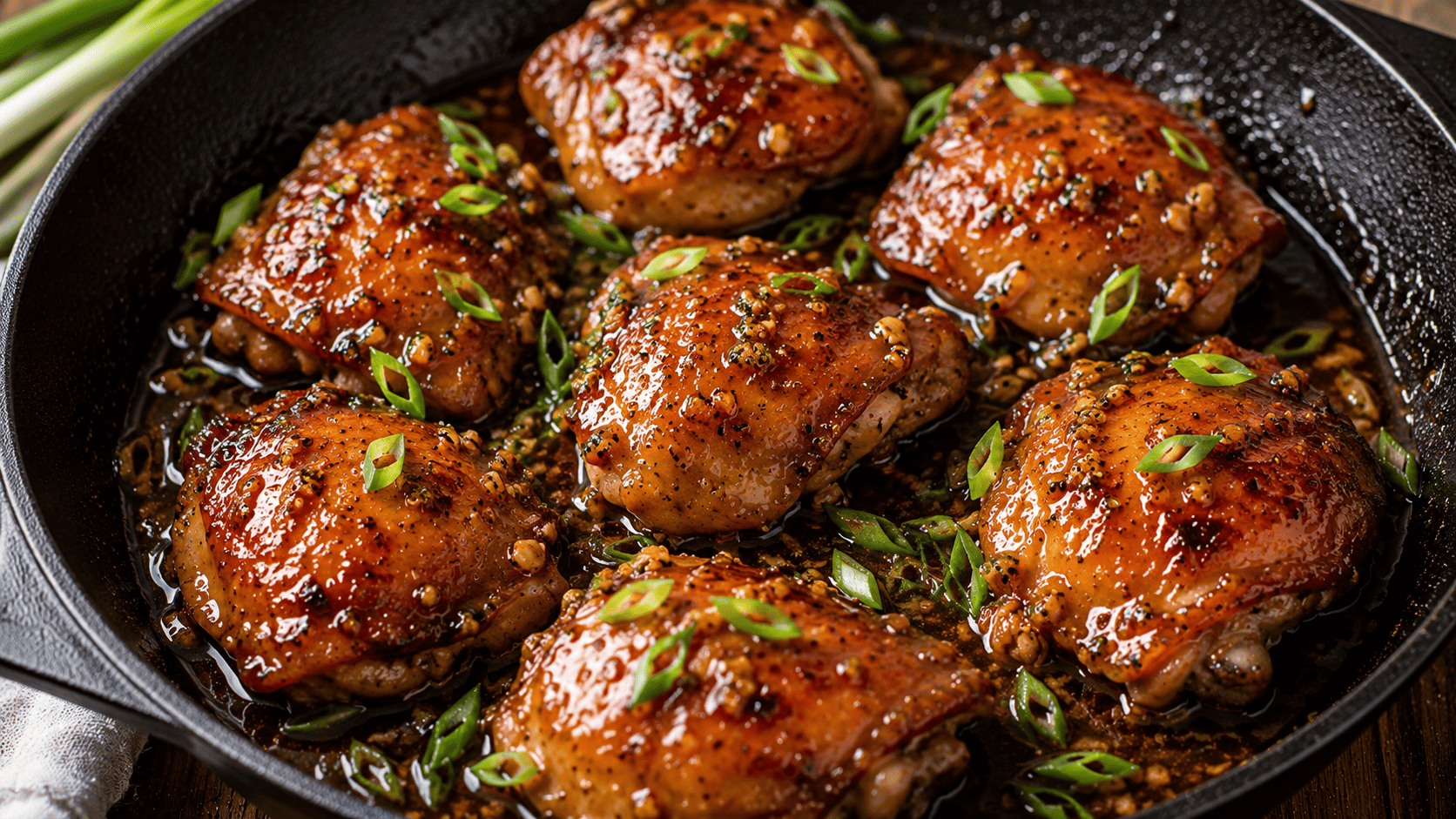
5. Honey Garlic Chicken Thighs
Chicken thighs sear skin-side down until the fat renders, then get glazed in the same pan — the sauce is built from what the chicken already gave up, not a separate saucepan.
You’ll need: chicken thighs, honey, soy sauce, garlic, green onion.
How: Sear thighs skin-side down until deeply golden, flip, then add minced garlic, honey, and soy sauce to the pan. Simmer until the sauce clings and thickens. Scatter sliced green onion over the top.
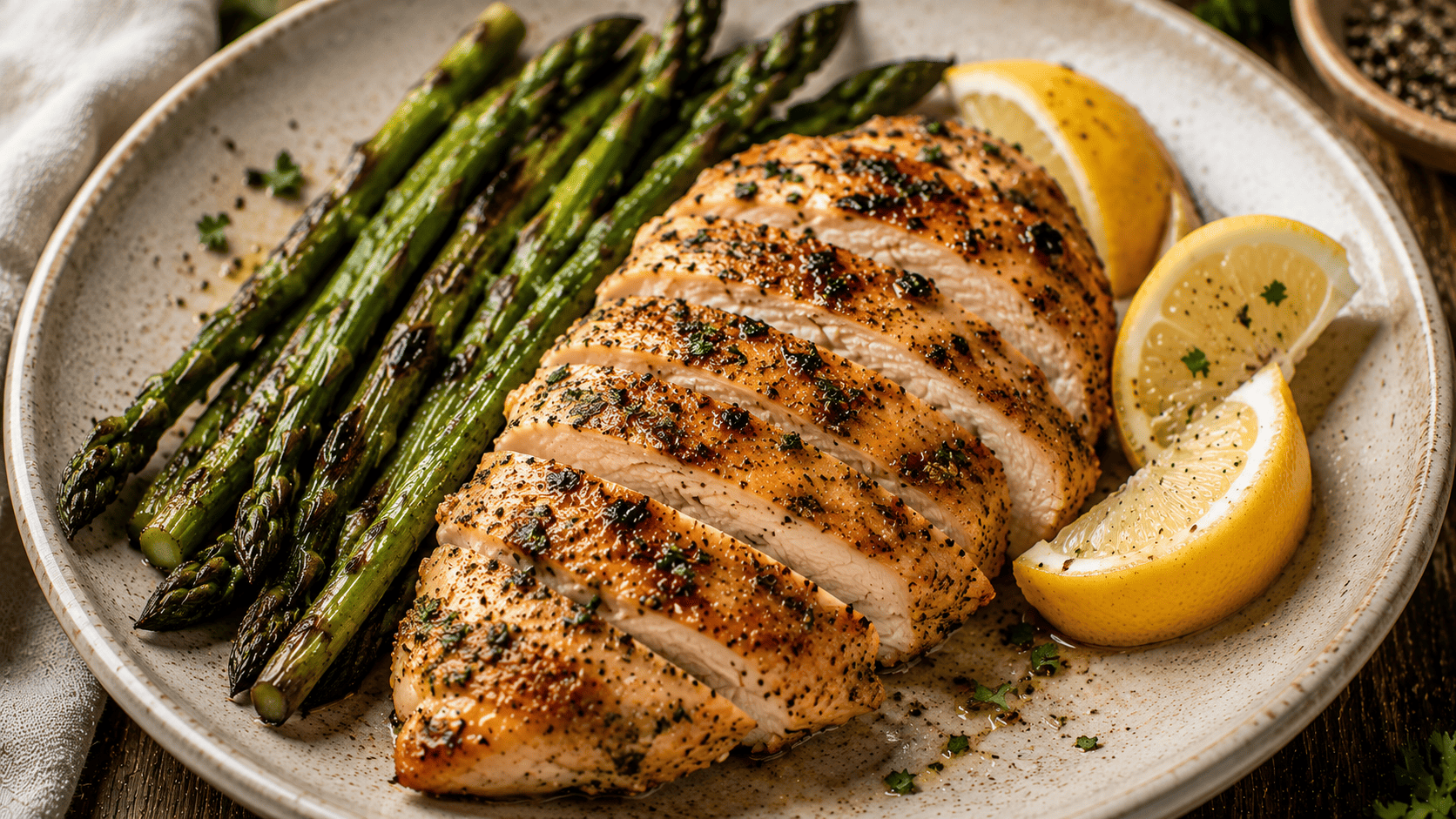
6. Lemon Pepper Chicken & Asparagus
Everything roasts on one tray, and the lemon does double duty — its zest seasons the chicken while its juice keeps the asparagus from tasting like plain roasted stems.
You’ll need: chicken breast, lemon, black pepper, asparagus, olive oil.
How: Toss chicken and trimmed asparagus with olive oil, lemon zest, and plenty of cracked pepper. Roast at 425°F until the chicken reaches 165°F internally, finishing with a squeeze of fresh lemon juice.
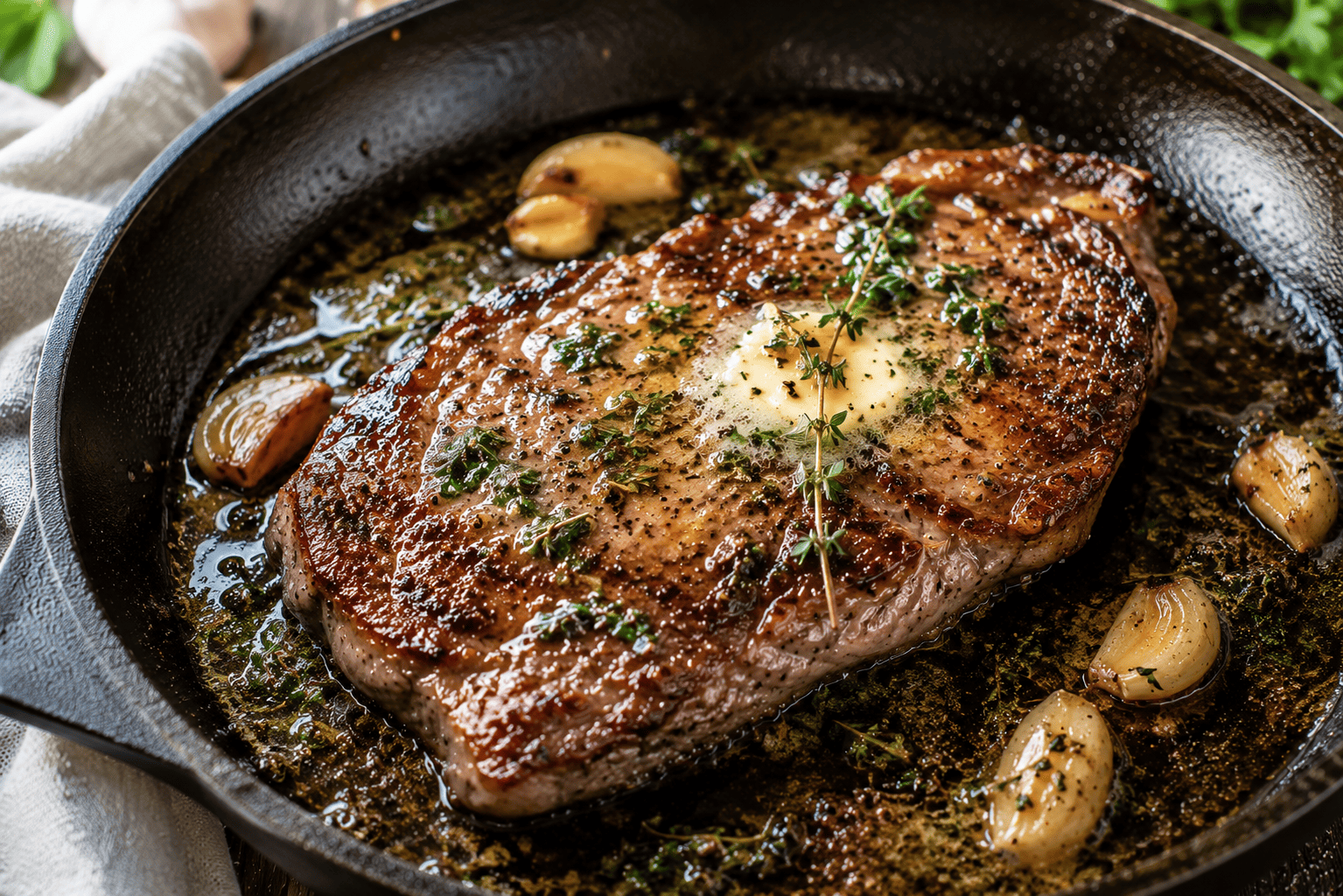
7. Skillet Steak with Garlic Herb Butter
A restaurant technique that needs almost nothing at home: a hot pan, a good sear, and a compound butter that melts into a sauce on contact with the resting steak.
You’ll need: steak, butter, garlic, fresh rosemary, coarse salt & pepper.
How: Sear steak in a screaming-hot skillet, 3–4 minutes per side. In the last minute, add butter, smashed garlic, and rosemary, and spoon the melted butter over the steak. Rest 5 minutes before slicing.
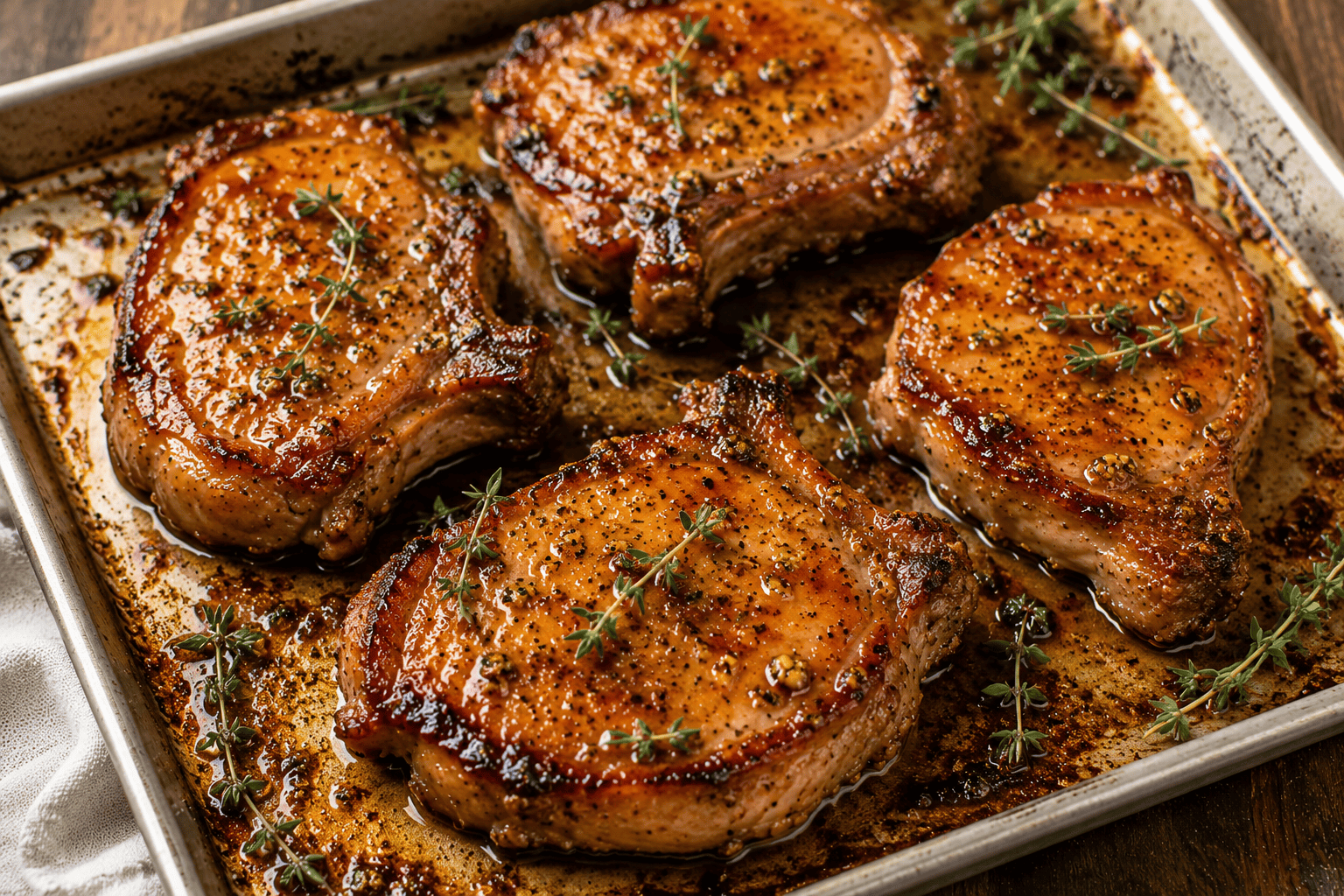
8. Baked Honey Mustard Pork Chops
Honey and dijon do the entire flavor job here, caramelizing into a sticky glaze in the oven while the chops stay juicy underneath.
You’ll need: pork chops, honey, dijon mustard, fresh thyme, olive oil.
How: Whisk honey, mustard, olive oil, and thyme leaves; brush generously over the chops. Bake at 400°F for 18–22 minutes, brushing once more halfway through, until the internal temperature hits 145°F.
Vegetarian & Bowls
Four dinners that don’t feel like the meat was simply removed and forgotten.
9. Black Bean & Corn Quesadillas
Crisped in a dry skillet until the cheese fuses the tortilla shut, this one goes from fridge to plate faster than delivery would arrive.
You’ll need: flour tortillas, black beans, corn, shredded cheddar, lime.
How: Mash beans lightly with a squeeze of lime, spread over half a tortilla with corn and cheese, fold, and cook in a dry skillet 2–3 minutes per side until crisp and the cheese has melted through.

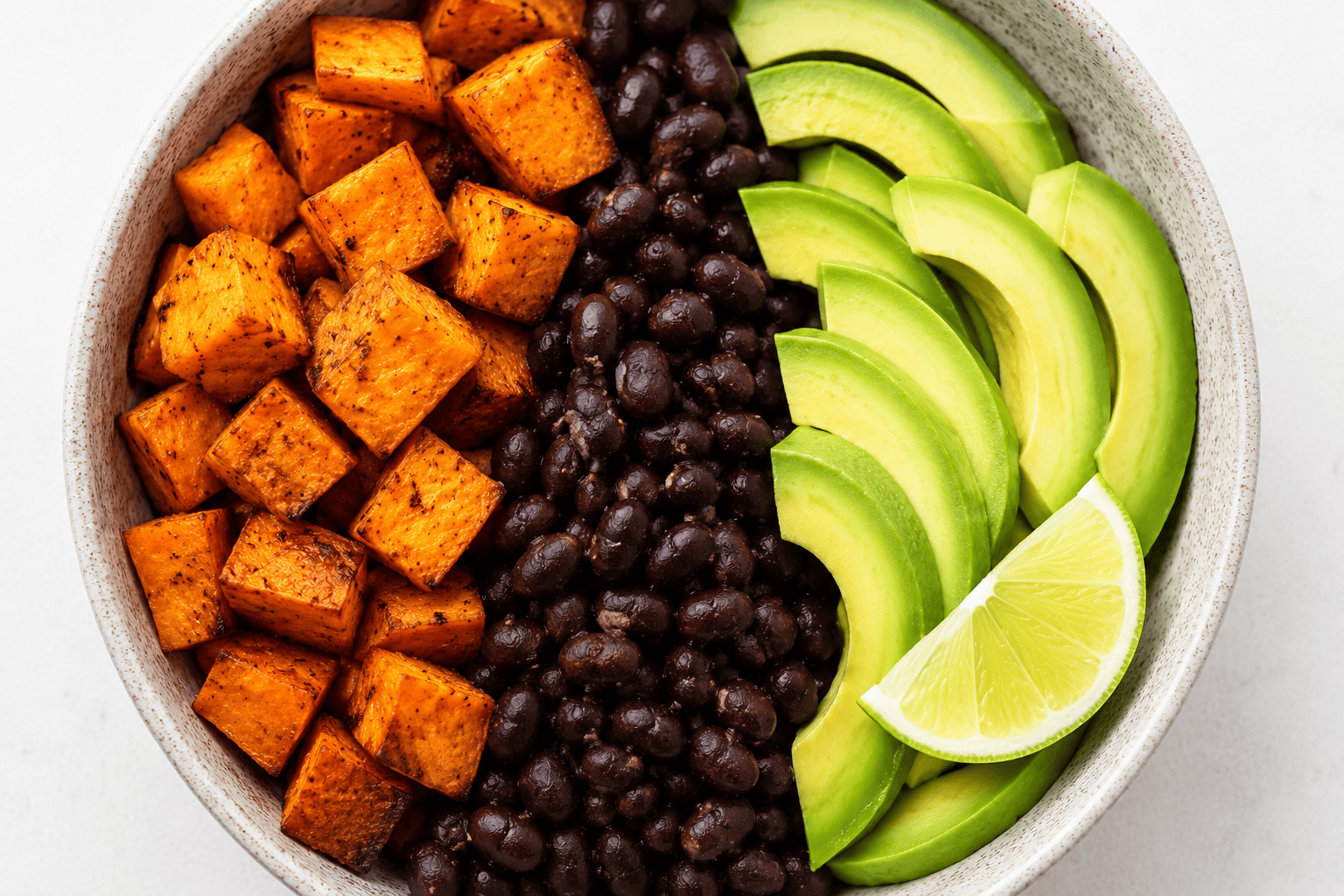
10. Sweet Potato & Black Bean Bowls
Roasted sweet potato and warmed black beans build a bowl with real textural contrast — soft against creamy, sharpened with lime and cumin.
You’ll need: sweet potato, black beans, avocado, lime, ground cumin.
How: Roast cubed sweet potato tossed with cumin and oil at 425°F until caramelized, about 25 minutes. Warm the black beans, then build bowls with potato, beans, sliced avocado, and a generous squeeze of lime.
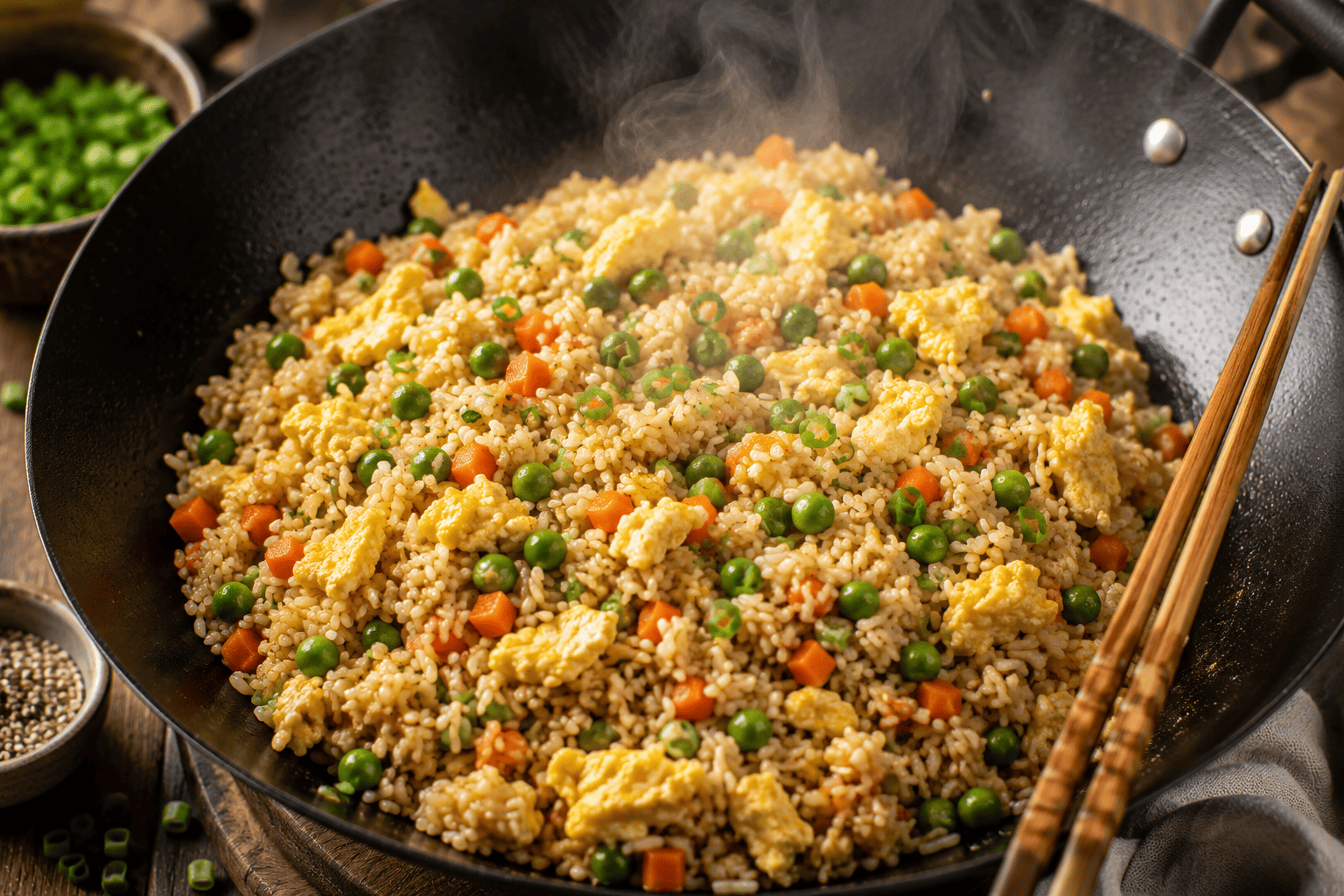
11. Fifteen-Minute Egg Fried Rice
Built entirely from what’s already in the freezer and fridge, this is the dinner that exists specifically for the nights nothing was planned at all.
You’ll need: day-old cooked rice, eggs, frozen peas & carrots, soy sauce, green onion.
How: Scramble the eggs in a hot wok or skillet and set aside. Fry the cold rice until it separates and starts to crisp, add the frozen vegetables, then fold the eggs back in with soy sauce and sliced green onion.
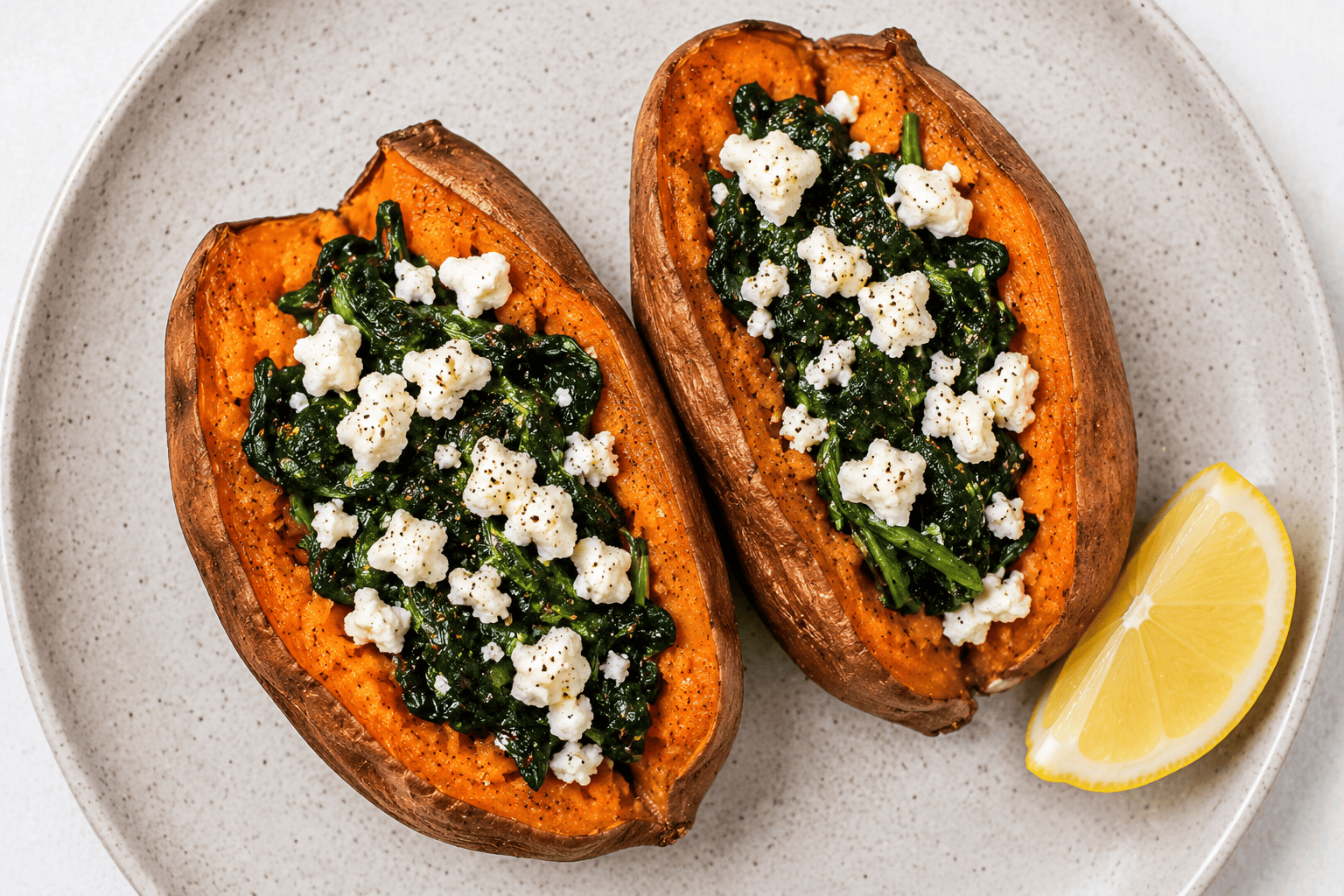
12. Spinach & Feta Stuffed Sweet Potatoes
The sweet potato does the cooking on its own in the oven while everything else waits — genuinely hands-off for most of its cook time.
You’ll need: sweet potatoes, baby spinach, feta, olive oil, lemon.
How: Roast whole sweet potatoes at 400°F until fork-tender, about 45 minutes. Wilt spinach quickly in olive oil, split the potatoes open, and top with the spinach, crumbled feta, and a squeeze of lemon.
Global Weeknight Flavors
Three dinners where a single concentrated ingredient — curry powder, miso, a good salsa verde — does the flavor work of an entire spice rack.
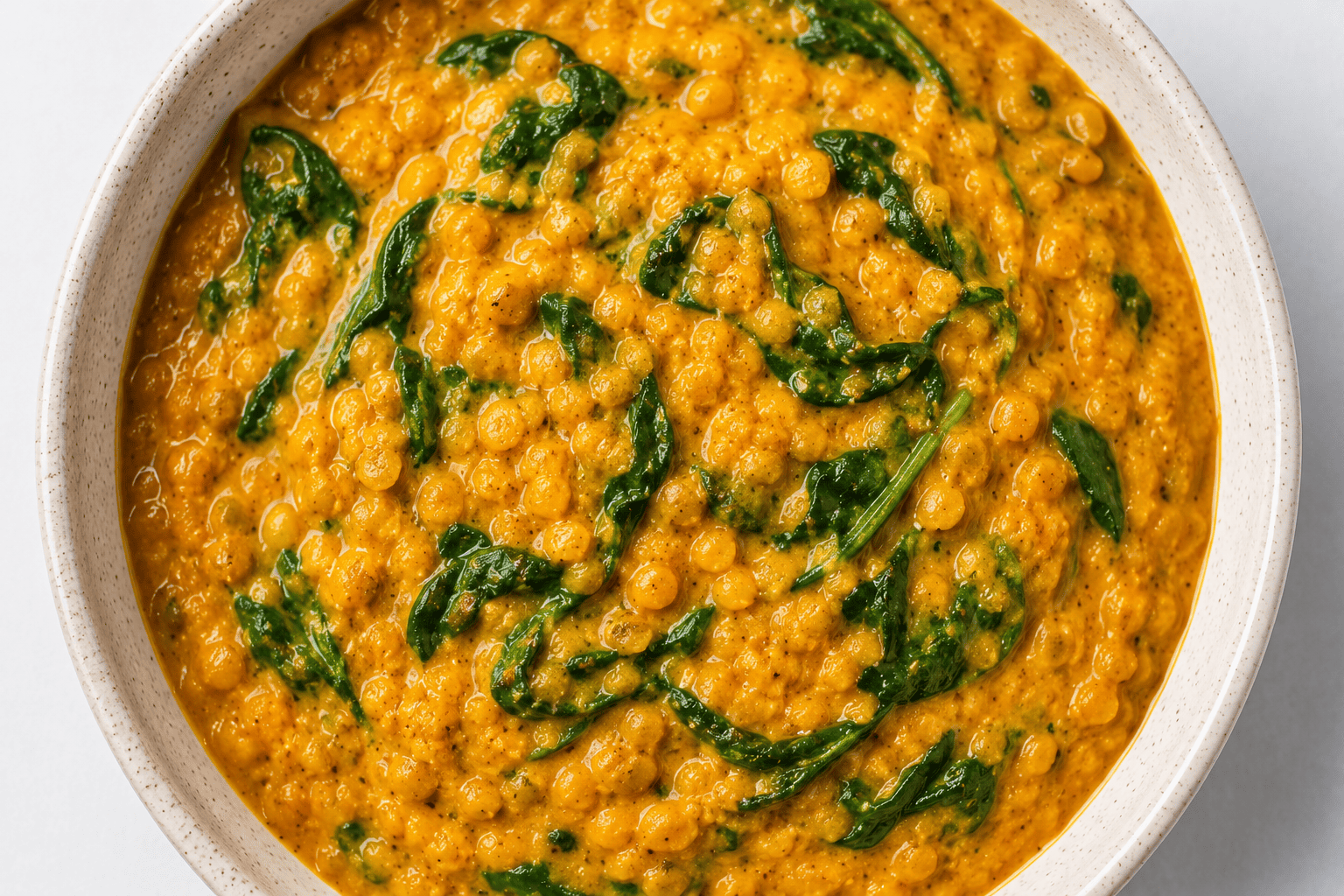
13. Coconut Curry Red Lentils
Red lentils cook down to a thick, almost self-saucing dal in under 20 minutes — no soaking required, and curry powder carries flavor that would otherwise take a dozen individual spices.
You’ll need: red lentils, coconut milk, curry powder, garlic, baby spinach.
How: Sauté garlic, stir in curry powder until fragrant, then add lentils, coconut milk, and enough water to cover. Simmer 15–18 minutes until thick, stirring in spinach at the very end.
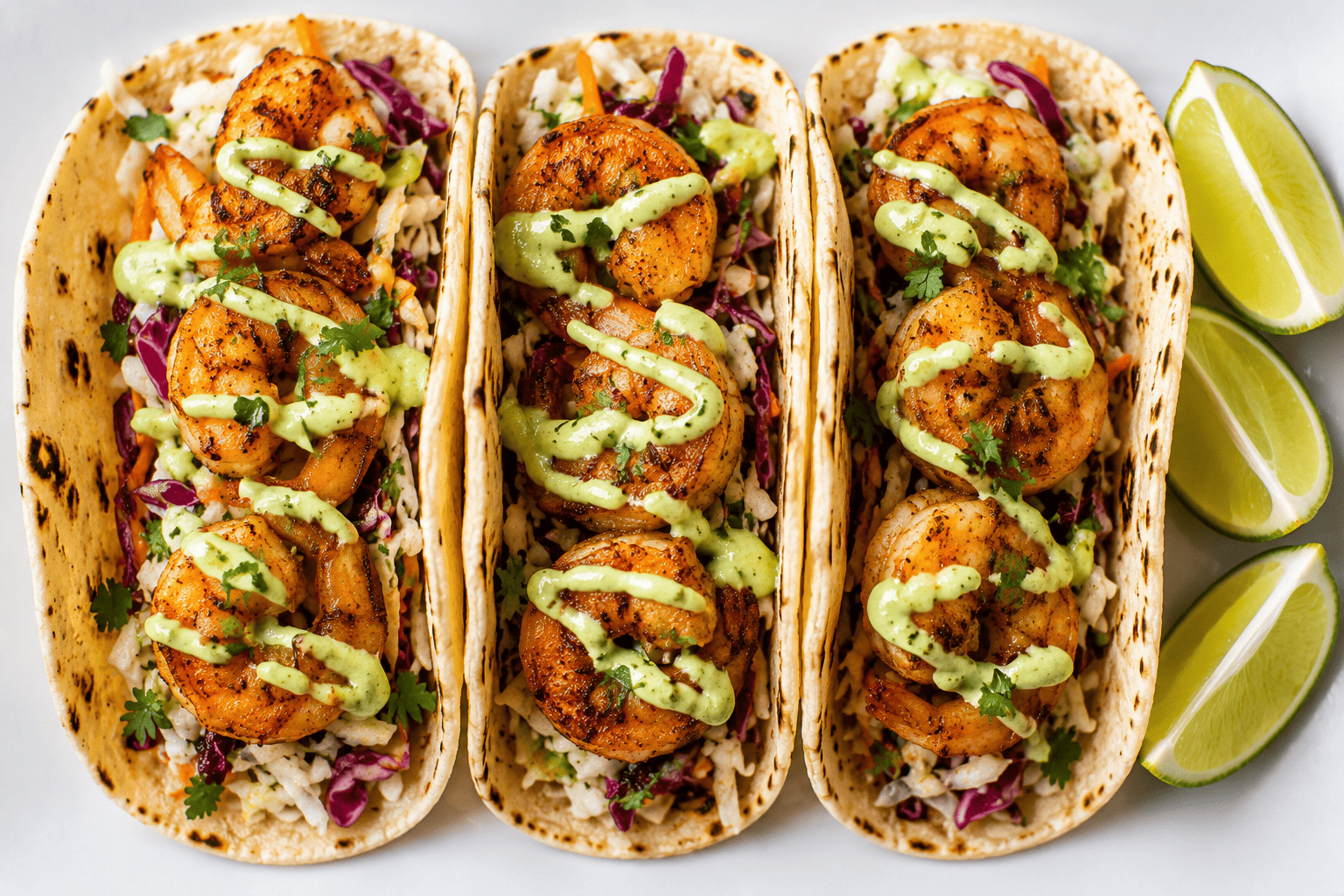
14. Crispy Shrimp Tacos with Lime Crema
Shrimp cook in minutes, and a pre-shredded slaw mix skips the knife work entirely — one of the fastest dinners on this whole list, start to finish.
You’ll need: shrimp, corn tortillas, coleslaw mix, sour cream, lime.
How: Sear shrimp in a hot pan 2–3 minutes until pink and opaque. Whisk sour cream with lime juice and zest for the crema. Warm the tortillas, and build tacos with shrimp, slaw, and a drizzle of crema.
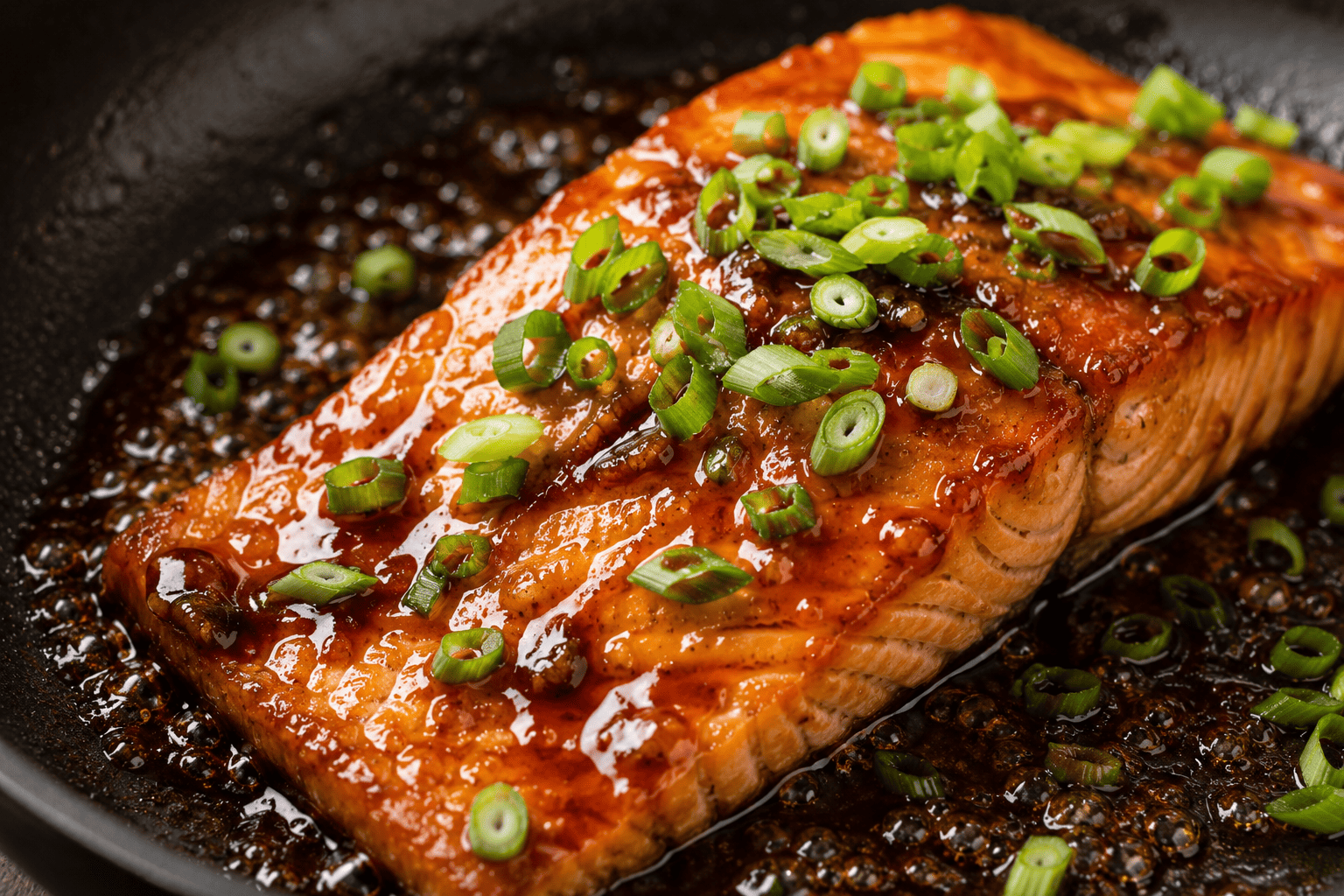
15. Honey Soy Glazed Salmon
A glaze that thickens in the same pan the salmon cooks in, lacquering the fillets in the last two minutes so the sugars caramelize instead of just coating the fish.
You’ll need: salmon fillets, honey, soy sauce, garlic, scallion.
How: Sear salmon skin-side down until crisp, flip, then add minced garlic, honey, and soy sauce to the pan. Spoon the glaze over the fillets as it thickens, about 3 minutes, and top with sliced scallion.
4 Reasons Five-Ingredient Cooking Actually Works
Cut through the “life hack” framing, and four real reasons explain why this format keeps earning a place in weeknight rotations instead of fading like most trends.
4 Five-Ingredient Assumptions Worth Correcting
This format has a reputation problem it doesn’t deserve. Here’s what actually holds up.
Five-Ingredient Dinners FAQ
None of these fifteen dinners are trying to impress anyone. They’re trying to solve a specific, unglamorous problem — the one where it’s evening, the day already spent most of your decision-making budget, and the last thing you need is a recipe with twenty steps and a grocery list to match.
Pick two or three, keep the five items on rotation, and dinner stops being a negotiation. Five ingredients go in. Something worth eating comes out. That’s most of the win, right there.