15 Crockpot Dinners You Set at 7am and Forget Until Dinner

15 Crockpot Dinners You Set at 7am and Forget Until Dinner

πŸ₯˜ Home Cooking June 18, 2026 Β· 15 min read πŸ•– Set it & forget it 15 Crockpot…

πŸ₯˜ Home Cooking June 18, 2026 Β· 15 min read πŸ•– Set it & forget it

15 Crockpot Dinners You Literally
Set at 7am and Forget Until Dinner

Dump everything in before the school run. Come home to a kitchen that smells like someone actually cooked. These are the meals that make Tuesday feel manageable.

Emily Bennett
Emily Bennett
Home cooking & food culture writer Β· foodhitsdifferent.com Β· Real meals tested in a real kitchen
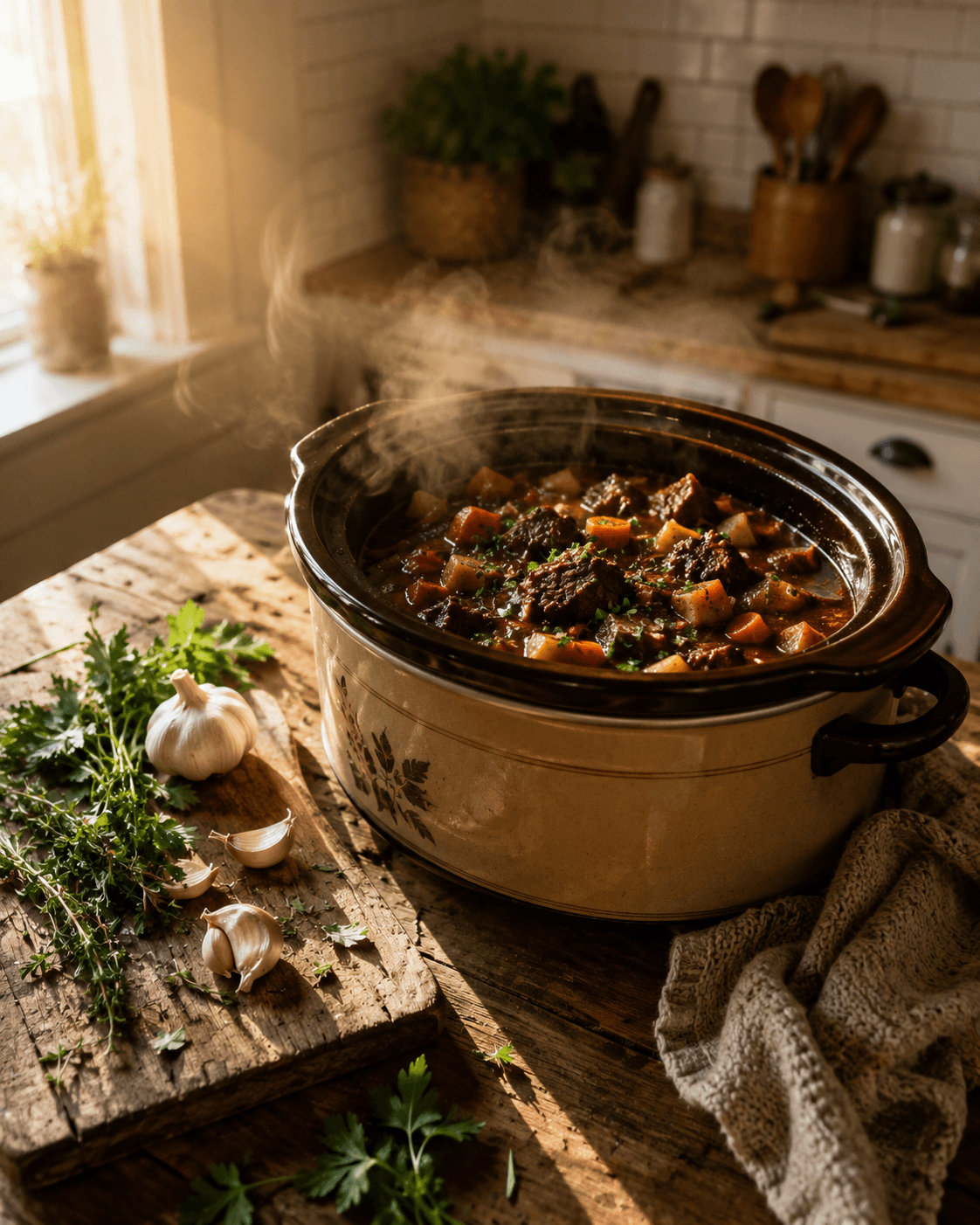
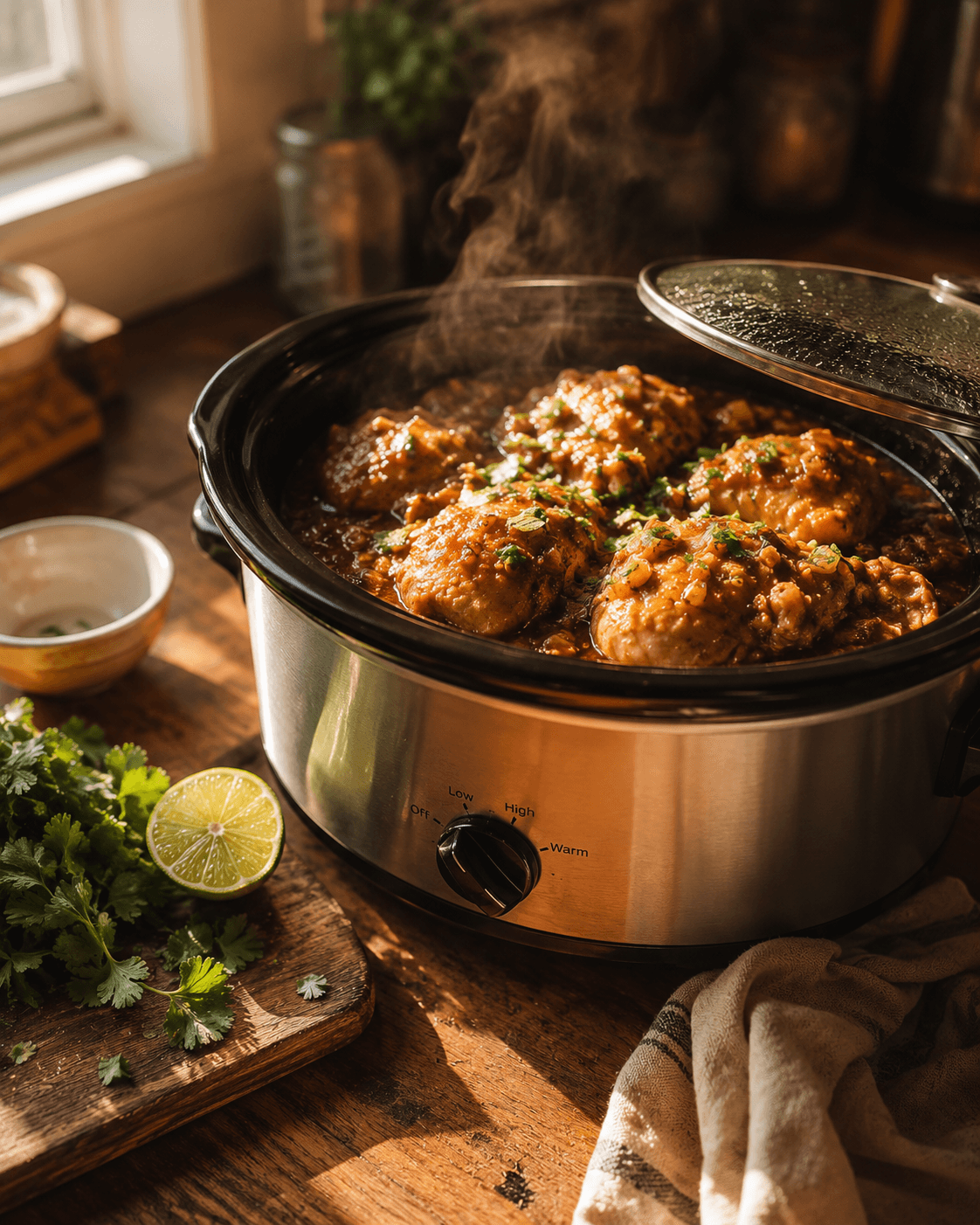
Overhead shot of a bubbling crockpot, steam rising, fresh herbs scattered on the side, golden hour kitchen light

πŸ“· A bubbling crockpot, steam rising β€” the smell that makes the doorway crowd appear.

There’s a particular kind of 7 a.m. peace that comes from clicking the lid onto a crockpot, turning the dial to low, and walking out the door knowing dinner is already done.

No hovering over a stove. No frantic Google searches at 6 p.m. for what to do with a half-pound of chicken and three sad carrots. Just a kitchen that smells impossibly good when you walk back in β€” the kind of smell that makes everyone suddenly appear in the doorway asking what you made.

The slow cooker is the most misunderstood appliance in most kitchens. People treat it like a special occasion tool when it’s actually built for the relentless ordinary Tuesday β€” the day you leave at seven, run a hundred errands, and still need to feed people.

These 15 recipes are all genuinely zero-prep by morning standards. Dump and go. Come home. Eat well. And at the end: how to store the fresh herbs that make every single one of them taste like you actually tried.

πŸ“‹ Jump to a Section
01Why Slow Cookers Actually Work β€” The science of low, slow heat (and why it makes cheaper cuts incredible).
02The 7am Rule β€” What actually holds up for 8–10 hours and what quietly falls apart.
0315 Dump-and-Go Recipes β€” Organized by protein: chicken, beef, pork, and vegetarian.
04The Finishing Touch β€” How fresh herbs transform a slow-cooked meal at the end.
05How to Store Fresh Herbs β€” The herb-by-herb guide so they’re ready every time you need them.
πŸ“ŠHerb Storage Guide + FAQ β€” Mistakes, lifespan tables, freezing methods.
01
The Science of Slow

Why Slow Cookers Actually Work β€” And Why Cheap Cuts Taste Best

Cross-section of braised short rib after slow cooking, fork-tender pull, rich sauce, rustic plate

πŸ“· The science of low heat β€” collagen breaking down into silky gelatin.

The magic of slow cooking is collagen. Specifically, the collagen found in harder-working muscles β€” chuck roast, pork shoulder, chicken thighs β€” that turn rubbery and tough when cooked fast. Give them 8 hours at 190–200Β°F and something different happens.

The collagen dissolves. It literally converts to gelatin, which coats the meat fibers and creates that silky, pull-apart texture you associate with expensive restaurant braises. The muscle fibers themselves relax instead of seizing, because the low temperature never shocks them into tightening.

πŸ”¬ The Science Behind the Tenderness

According to USDA food safety guidelines, slow cookers reach 170–280Β°F during cooking β€” hot enough to safely cook poultry and meat, but gentle enough to prevent protein fibers from seizing. The combination of steady low heat and trapped steam means the internal temperature of dense cuts like pork shoulder climbs slowly and evenly, giving collagen time to break down rather than toughening.

USDA FSIS, Slow Cookers and Food Safety Β· University of Minnesota Extension, Meat Cooking Methods

The other thing slow cooking does well: flavor layering. All those aromatics β€” garlic, onion, tomato β€” have ten hours to release their compounds into the liquid. By 6 p.m. that liquid has become something complex and deeply savory, not because you added anything complicated but because time did the work.

If you’re someone who also worries about that “use by” date on the chicken thighs before they go in the pot, our breakdown of whether expired dates on food are actually dangerous is worth a read.

πŸ₯˜
02
The Morning Rules

The 7am Rule β€” What Survives 10 Hours and What Quietly Doesn’t

Not everything belongs in a slow cooker. More specifically, not everything belongs in a slow cooker for ten hours. The difference between a set-it-and-forget-it success and a sad, mushy disappointment comes down to knowing your ingredients.

The general rule: tough cuts and root vegetables are built for long, slow heat. Delicate vegetables, dairy, and pasta are not.

The 7am Crockpot Cheat Sheet
βœ… ADD AT 7AM
Chicken thighs & drumsticks
Chuck roast, pork shoulder
Dried beans & lentils
Onion, garlic, carrots, celery
Potatoes & sweet potatoes
Canned tomatoes & broth
Dried herbs & whole spices
Frozen vegetables (root types)
⏰ ADD IN THE LAST HOUR
Dairy (cream, sour cream, milk)
Delicate fish & shrimp
Zucchini & soft squash
Cooked pasta or rice
Fresh spinach & leafy greens
Frozen peas
Fresh herbs (basil, parsley, cilantro)
Chicken breasts are borderline β€” fine for 6 hours on low, prone to drying out past 8. When in doubt, use thighs.

One more thing: don’t fill the slow cooker more than ΒΎ full. The heat needs to circulate. And resist every urge to lift the lid during the day β€” each peek releases 20–30 minutes of accumulated steam and heat, according to the Penn State Extension slow cooker safety guide.

Short on time even for the morning dump? Our 15 Instant Pot recipes that actually save time covers the same dump-and-go philosophy, just compressed into an hour instead of a day.

πŸ₯˜
03
The 15 Recipes

15 Dump-and-Go Crockpot Dinners β€” No Morning Cooking Required

All tested on low for 8–10 hours unless noted. Budget estimates per serving based on average grocery prices.

πŸ— Chicken

Chicken thighs are the budget MVP here β€” and if you want to push value even further, see how we stretch a single whole chicken into 5 completely different meals.
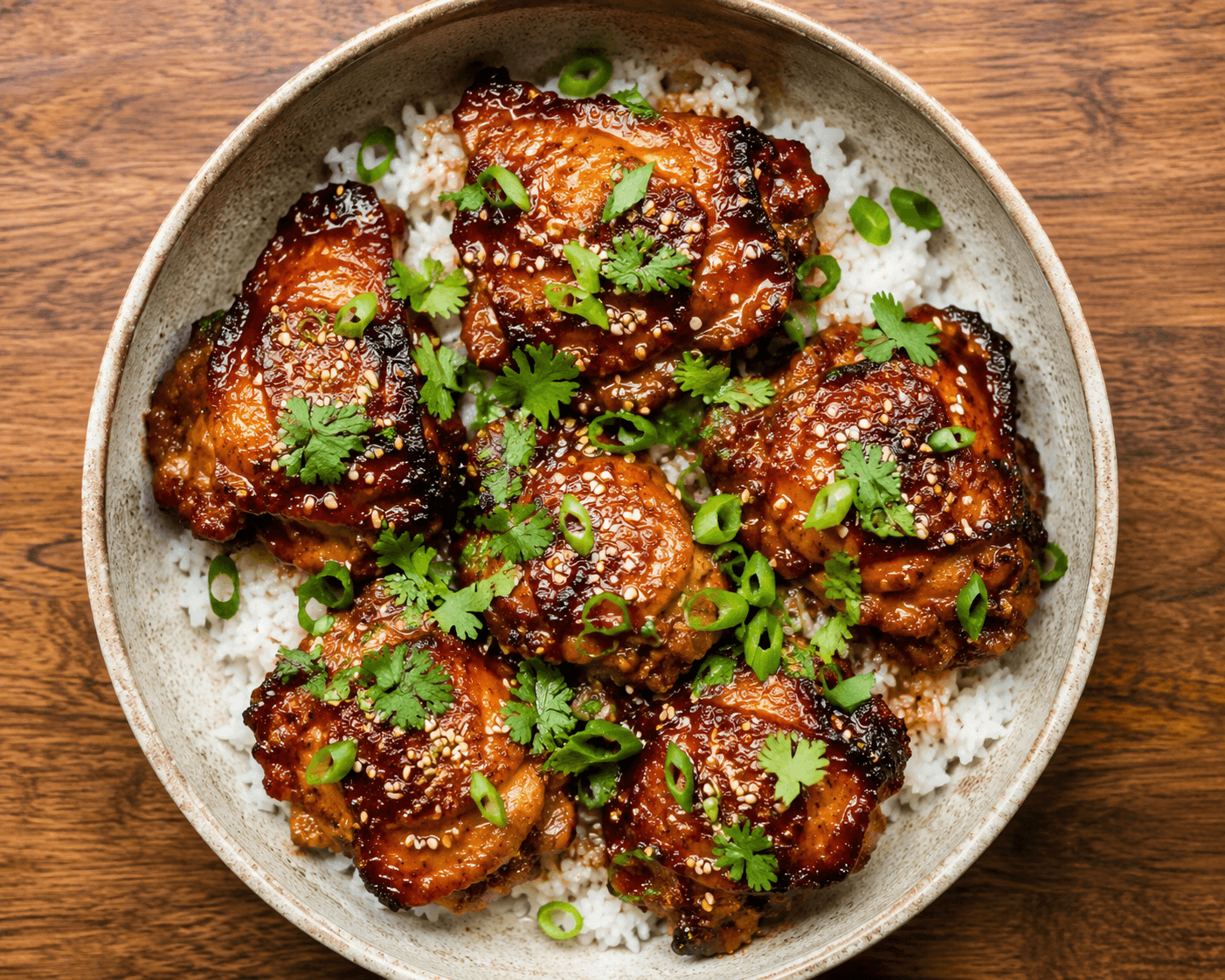
Honey garlic chicken thighs, glossy caramelized sauce, served over rice with scallions and sesame seeds
01 β€” Honey Garlic Chicken Thighs
~$2.50/serving 8–10 hrs low

Dump in: 6 bone-in chicken thighs Β· β…“ cup honey Β· 3 tbsp soy sauce Β· 4 cloves garlic (minced) Β· 1 tbsp rice vinegar Β· 1 tsp sesame oil Β· pinch of red pepper flakes.

By dinnertime the sauce reduces into something glossy and caramelized around the edges of the pot. Serve over rice. Top with fresh scallions and sesame seeds at the table β€” the contrast of fresh against deeply savory is what completes it.

πŸ’‘ Herb finish: A handful of fresh cilantro stirred in at serving. Store it stem-down in a glass of water in your fridge β€” more on this below.
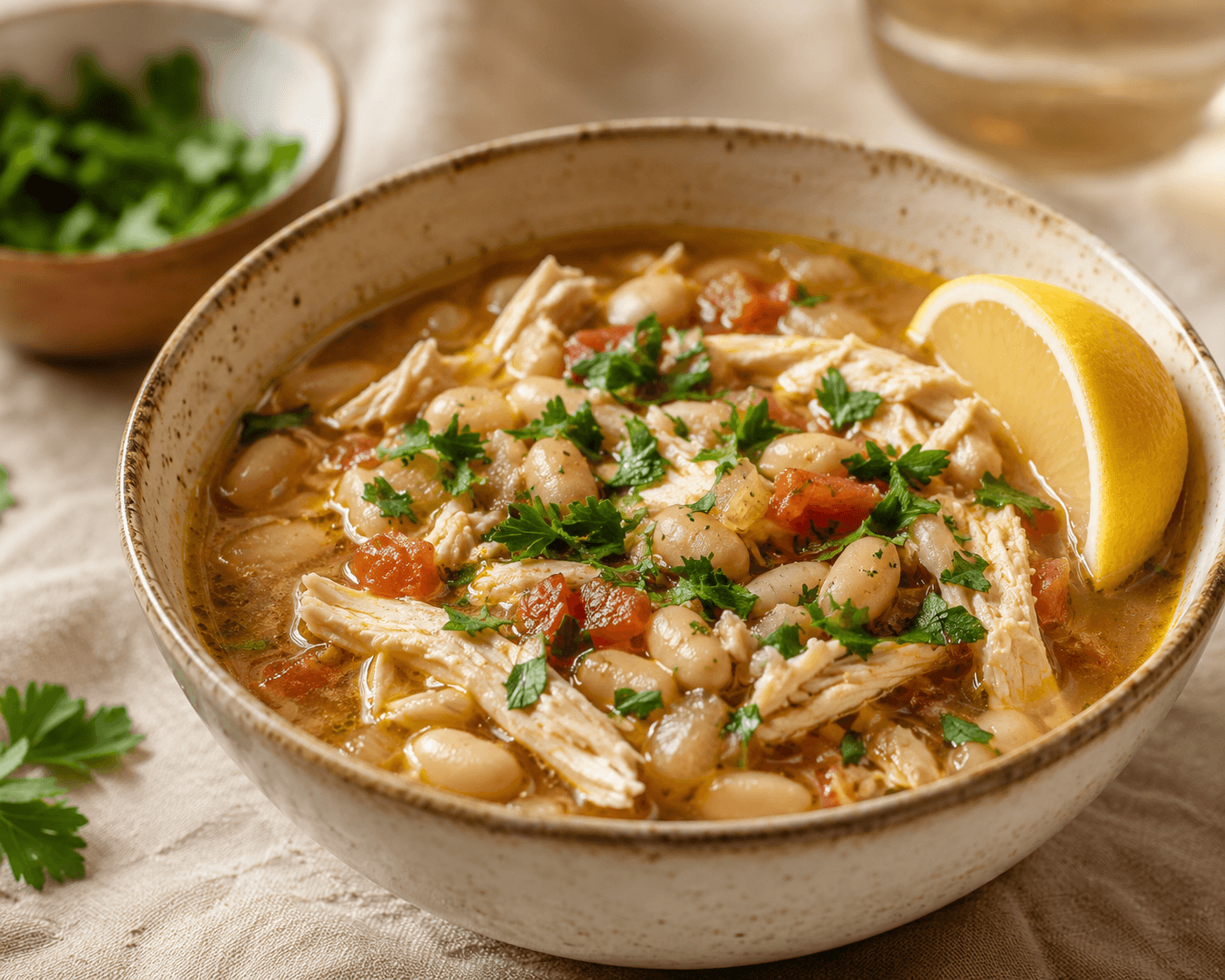
White bean and chicken soup, shredded chicken, fresh parsley and lemon, rustic bowl
02 β€” White Bean & Chicken Soup
~$1.80/serving 8 hrs low

Dump in: 4 chicken thighs Β· 2 cans white beans (drained) Β· 1 can diced tomatoes Β· 4 cups chicken broth Β· 1 onion (diced) Β· 4 garlic cloves Β· 1 tsp dried thyme Β· 1 tsp dried rosemary Β· salt & pepper.

Pull the chicken apart at serving β€” it falls right off the bone. Add a fistful of fresh parsley and a squeeze of lemon. This is the soup that tastes like it cooked all day because it did.

Salsa verde chicken tacos, shredded chicken in tortillas with cilantro, onion, and lime
03 β€” Salsa Verde Chicken Tacos
~$2.20/serving 8 hrs low

Dump in: 2 lbs chicken thighs Β· 1 jar (16 oz) salsa verde Β· 1 can black beans (drained) Β· 1 tsp cumin Β· 1 tsp chili powder.

Shred the chicken into the juices. Serve in tortillas with fresh cilantro, diced onion, and a squeeze of lime. Three ingredients before coffee. A complete dinner by six.

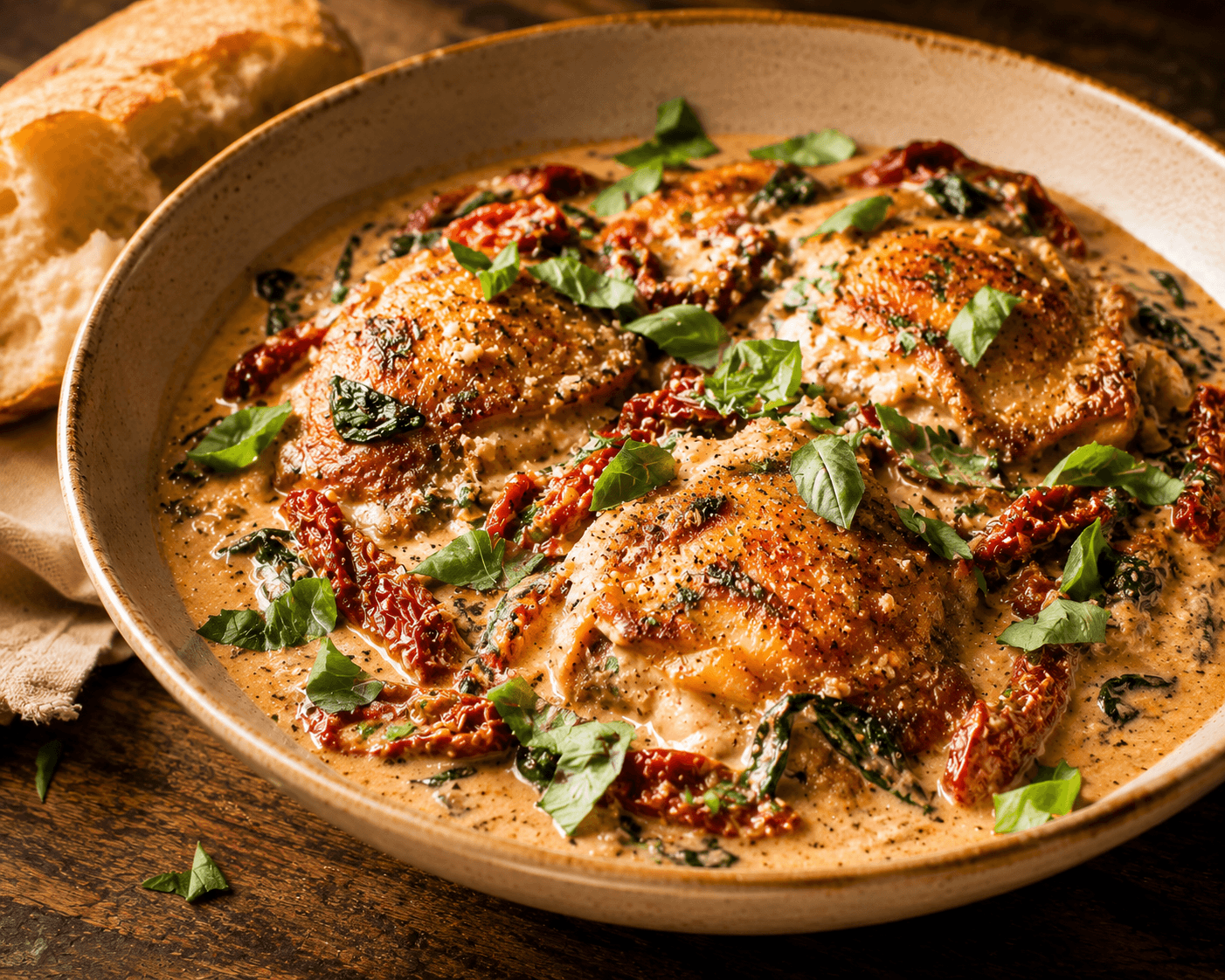
Tuscan chicken with sun-dried tomatoes in a creamy spinach sauce, fresh basil garnish
04 β€” Tuscan Chicken with Sun-Dried Tomatoes
~$3.10/serving 6–8 hrs low

Dump in: 4 chicken thighs Β· Β½ cup sun-dried tomatoes (chopped) Β· 4 garlic cloves Β· 1 cup chicken broth Β· 1 tsp Italian seasoning Β· salt & pepper. Last 20 min: stir in β…“ cup heavy cream and fresh baby spinach.

Finish with torn fresh basil at serving. The cream turns the broth silky and the sun-dried tomatoes collapse into little pockets of concentrated sweetness. Serve over pasta or crusty bread. We have a full step-by-step version of this Tuscan chicken if you want exact searing and timing details.

πŸ₯© Beef
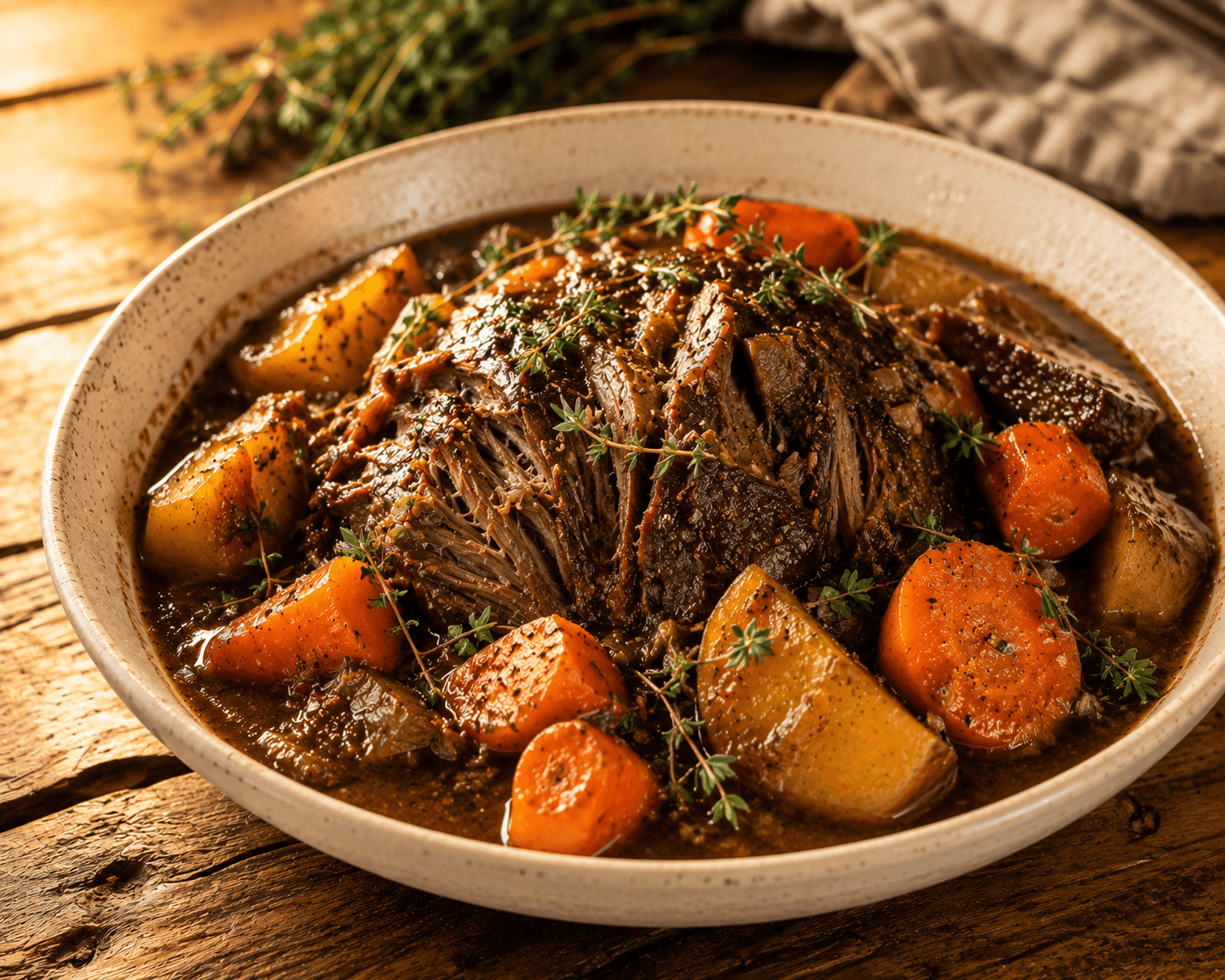
Classic pot roast with carrots and potatoes, fork-tender chuck roast, fresh thyme garnish
05 β€” Classic Pot Roast with Carrots & Potatoes
~$3.50/serving 9–10 hrs low

Dump in: 3 lbs chuck roast Β· 4 carrots (chunked) Β· 4 medium potatoes (quartered) Β· 1 onion (sliced) Β· 1 cup beef broth Β· 2 tbsp Worcestershire sauce Β· 1 packet onion soup mix Β· 4 garlic cloves.

The one that smells so good your neighbors ask what you’re making. Chuck roast was engineered for this moment β€” all that connective tissue becomes gelatin, the broth thickens, and the whole thing shreds at a fork’s suggestion. Finish with fresh thyme on top.

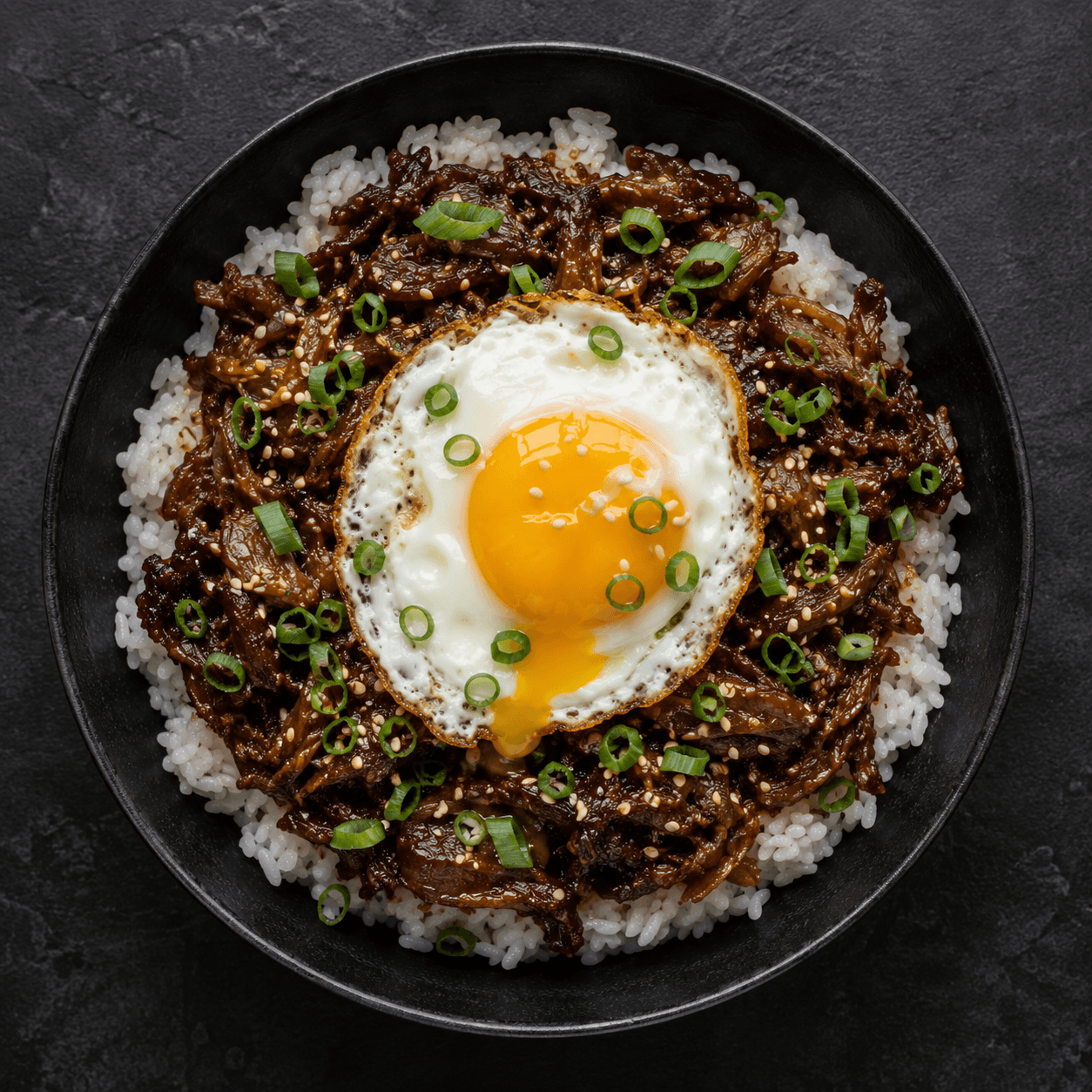
Korean-style beef bulgogi bowl over rice with sesame seeds, scallions, and a fried egg
06 β€” Korean-Style Beef (Bulgogi Bowl)
~$3.00/serving 8 hrs low

Dump in: 2 lbs chuck roast (thinly sliced or left whole) Β· β…“ cup soy sauce Β· 3 tbsp brown sugar Β· 2 tbsp sesame oil Β· 5 garlic cloves Β· 1 pear (grated, or ΒΌ cup pear juice) Β· 1 tbsp ginger Β· 1 tsp red pepper flakes.

The pear is not optional β€” its enzymes tenderize the beef and give the sauce a natural sweetness that feels complex. Shred and serve over rice. Top with sesame seeds, scallions, and a fried egg if you’re feeling it.

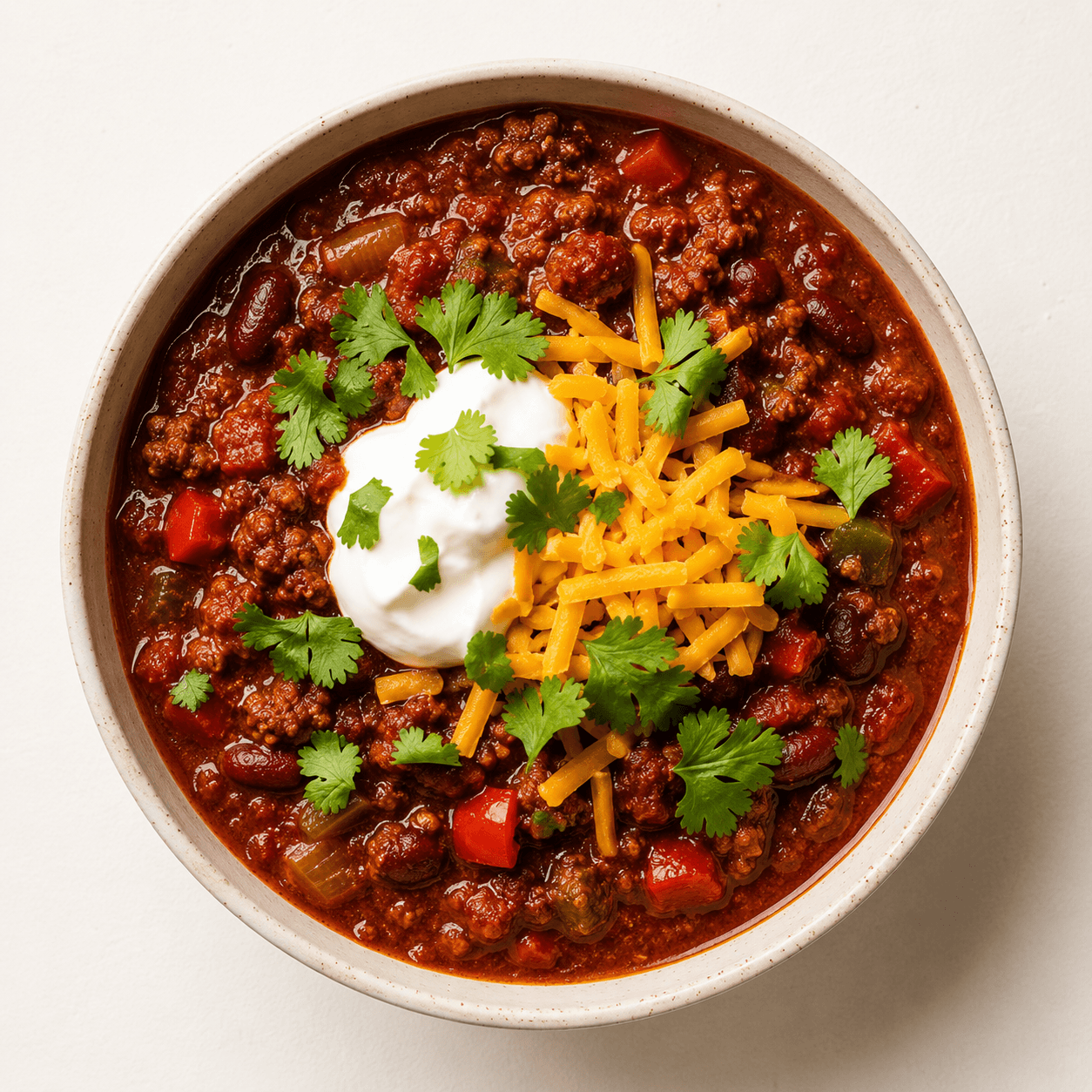
Beef and vegetable chili with kidney beans, topped with cilantro, sour cream, and shredded cheddar
07 β€” Beef & Vegetable Chili
~$2.00/serving 8–10 hrs low

Dump in: 1.5 lbs ground beef (raw is fine) Β· 2 cans kidney beans Β· 1 can diced tomatoes Β· 1 can tomato paste Β· 1 onion (diced) Β· 2 bell peppers Β· 2 tbsp chili powder Β· 1 tsp cumin Β· 1 tsp garlic powder Β· salt.

Ground beef goes in raw and breaks apart during cooking β€” no pre-browning. It’s slightly less complex in flavor than pre-browned, and completely fine for a weeknight. Top with fresh cilantro, a spoonful of sour cream, and shredded cheddar.

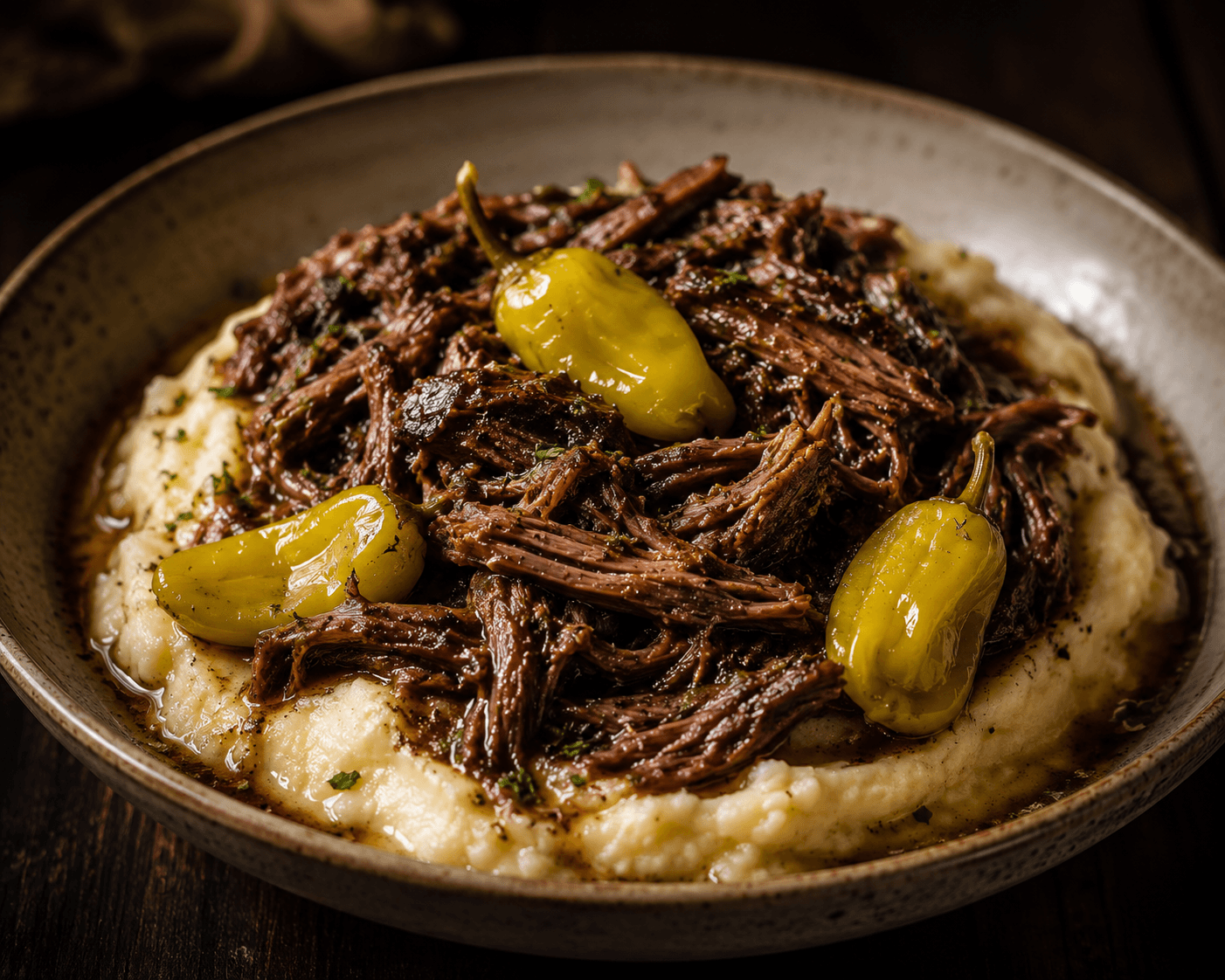
Mississippi pot roast with pepperoncini peppers, served over mashed potatoes
08 β€” Mississippi Pot Roast
~$3.20/serving 9 hrs low

Dump in: 3 lbs chuck roast Β· 1 packet ranch dressing mix Β· 1 packet au jus gravy mix Β· Β½ cup butter (1 stick) Β· 6–8 whole pepperoncini peppers (from the jar).

No liquid. No chopping. The butter and pepperoncini brine create all the sauce you need. This one has a cult following for a reason β€” the tang from the pepperoncini cuts through the richness just enough. Serve over mashed potatoes or egg noodles.

🐷 Pork
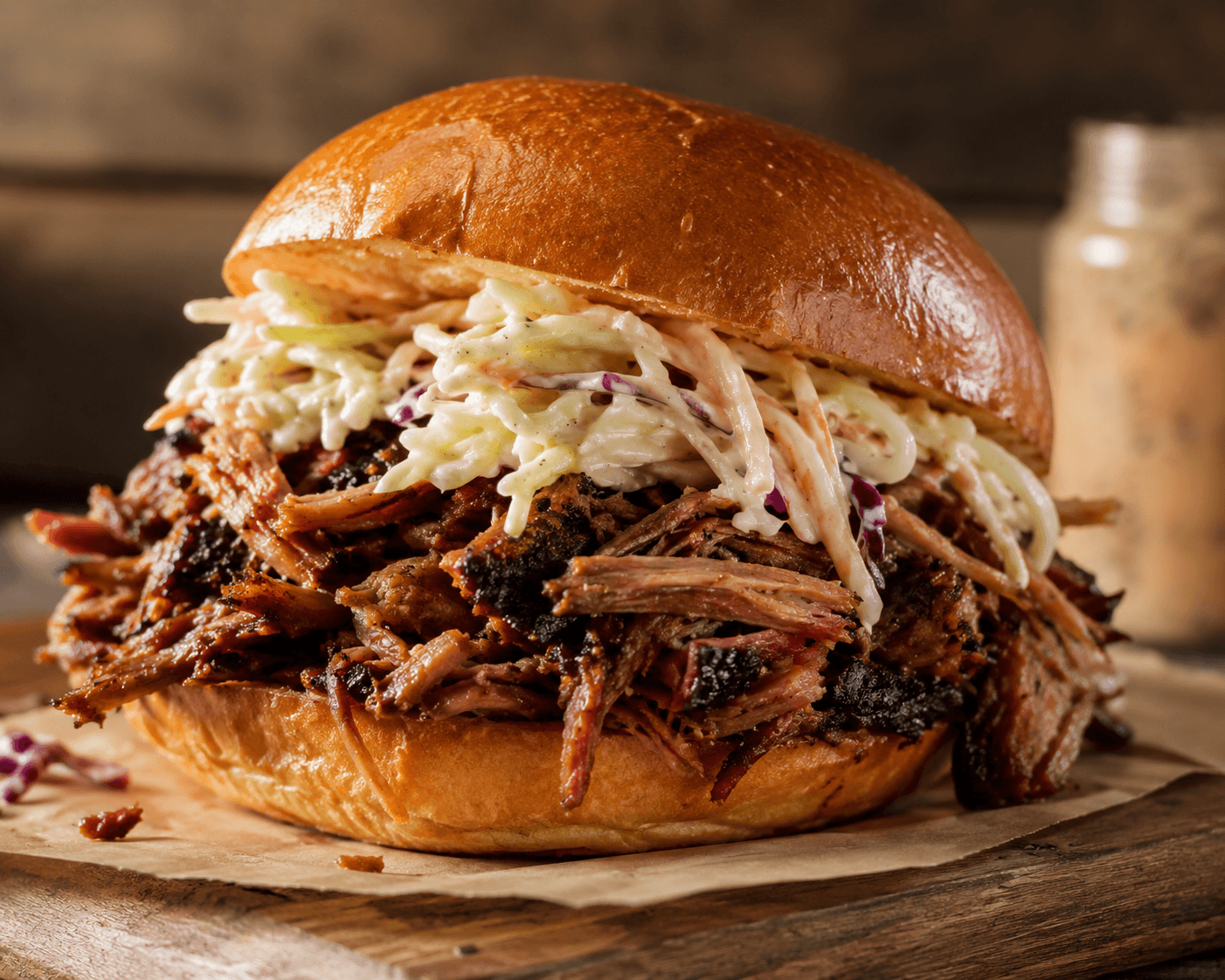
Pulled pork shoulder piled on buns with coleslaw, BBQ glaze
09 β€” Pulled Pork Shoulder
~$1.90/serving 10 hrs low

Dump in: 4 lbs pork shoulder (bone-in is fine) Β· 1 cup BBQ sauce Β· ΒΌ cup apple cider vinegar Β· 2 tbsp brown sugar Β· 1 tbsp garlic powder Β· 1 tsp smoked paprika Β· 1 tsp salt.

Pork shoulder is the slowest cooker’s best friend. Ten hours at low and it shreds into itself. Pile onto buns with coleslaw. Use leftovers for breakfast hash, tacos, or loaded baked potatoes the next two days.

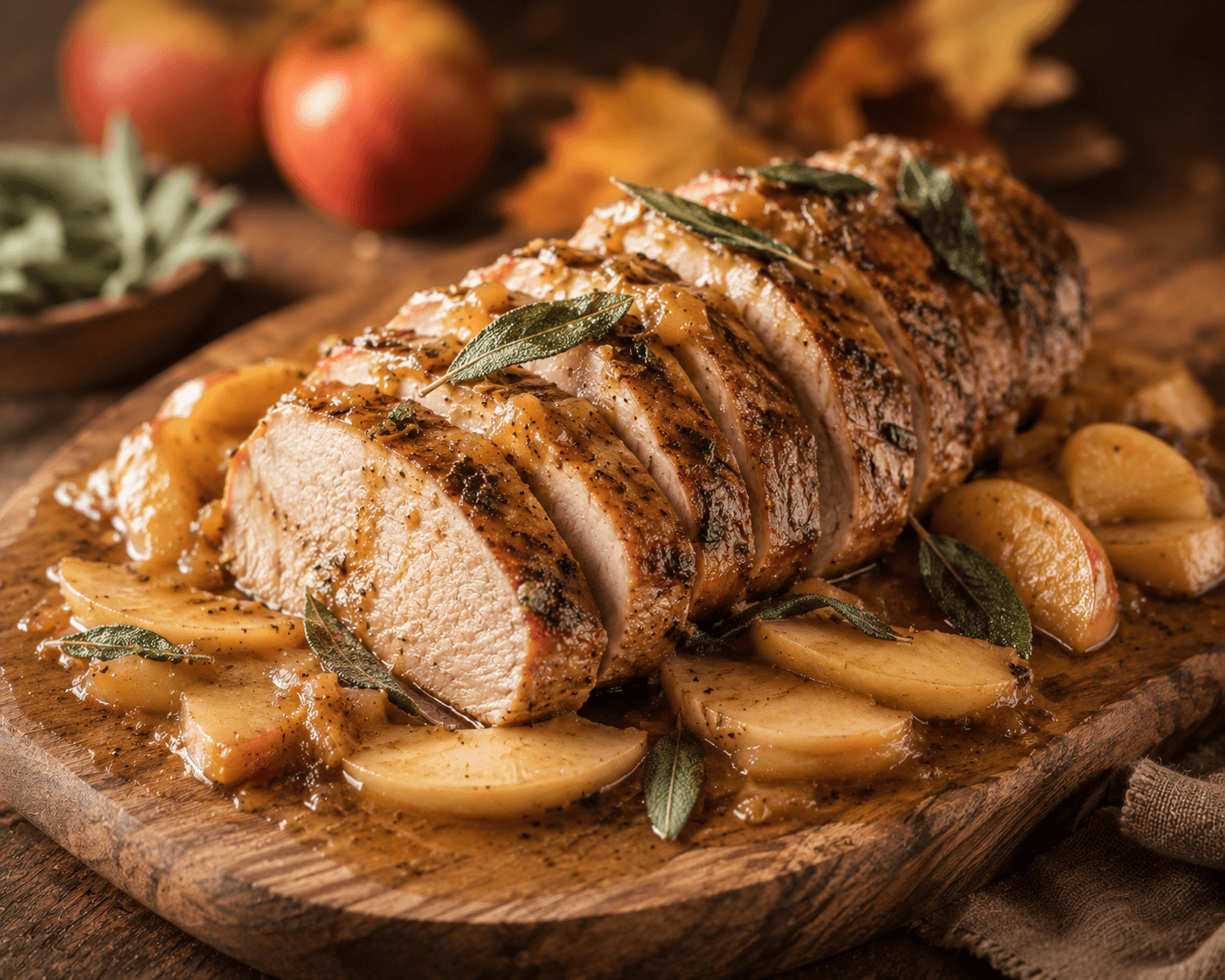
Apple cider pork loin with sliced apples and onions, fresh sage leaves fried in brown butter
10 β€” Apple Cider Pork Loin
~$2.80/serving 6 hrs low

Dump in: 2.5 lbs pork loin Β· 1 cup apple cider Β· 2 apples (sliced) Β· 1 onion (sliced) Β· 2 tbsp Dijon mustard Β· 1 tbsp maple syrup Β· 1 tsp dried thyme Β· salt & pepper.

Autumn in a crockpot. The apple slices soften into a loose sauce, the mustard keeps it savory, and the maple makes the whole thing smell like you spent the afternoon cooking. Finish with fresh sage leaves fried in brown butter, if you want to impress someone.

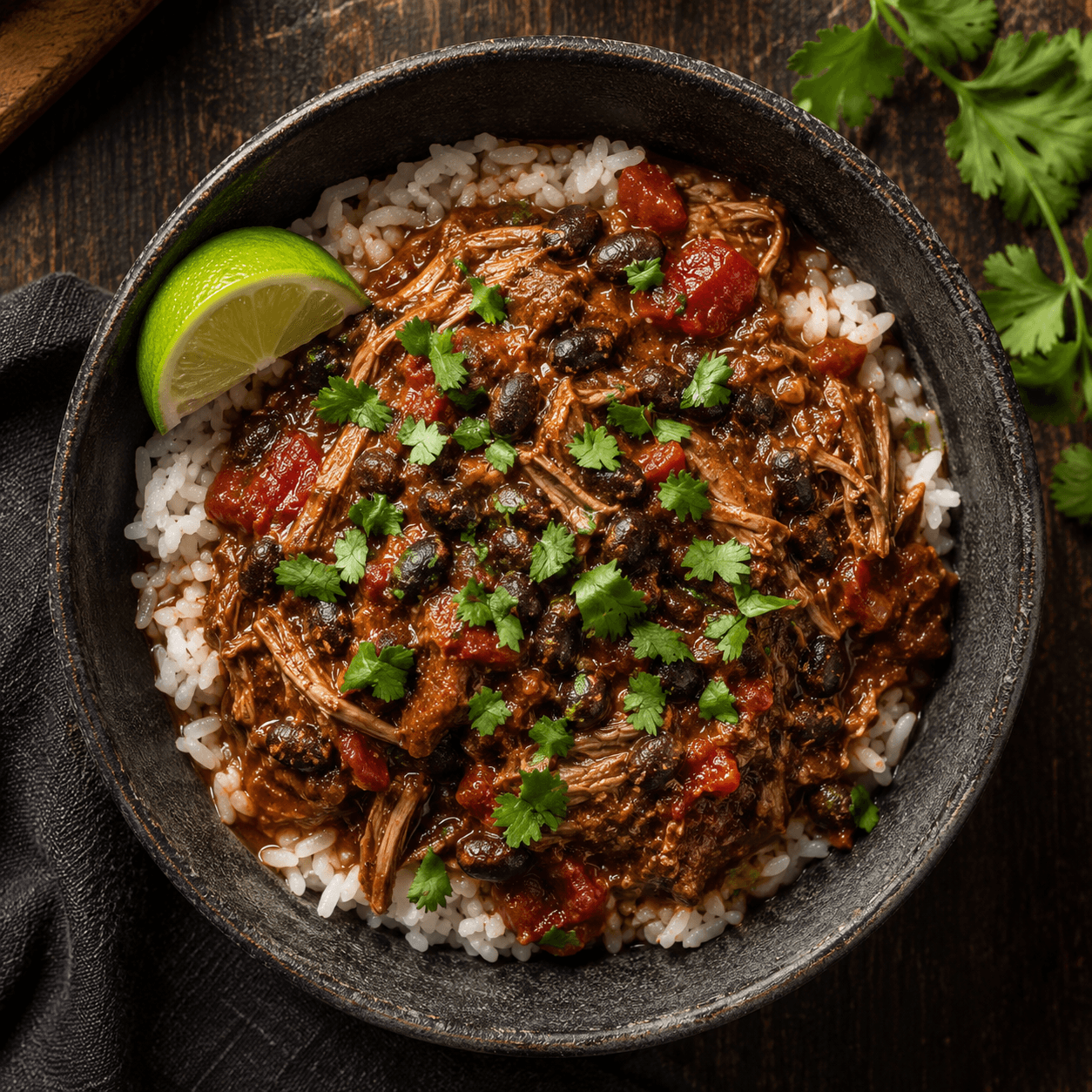
Smoky pork and black bean stew over white rice with lime and fresh cilantro
11 β€” Smoky Pork & Black Bean Stew
~$2.10/serving 9 hrs low

Dump in: 2 lbs pork shoulder (cubed) Β· 2 cans black beans Β· 1 can fire-roasted tomatoes Β· 1 chipotle pepper in adobo sauce (plus 1 tbsp sauce) Β· 1 onion Β· 4 garlic cloves Β· 1 tsp smoked paprika Β· 1 tsp cumin.

Deep, smoky, satisfying β€” the kind of stew that tastes like it was tended all day. Serve over white rice with a wedge of lime and fresh cilantro. One chipotle is enough heat for most families; use two if you want to feel it.

🌿 Vegetarian

These four run under $1.60 a serving. For more meals built around that same tight budget, see The $5 Dinner Challenge β€” 10 meals under five dollars.

Red lentil dal, creamy coconut milk stew, fresh cilantro and naan
12 β€” Red Lentil Dal
~$1.20/serving 8 hrs low

Dump in: 2 cups red lentils (rinsed) Β· 1 can coconut milk Β· 2 cups vegetable broth Β· 1 can diced tomatoes Β· 1 onion Β· 4 garlic cloves Β· 1 tbsp fresh ginger (grated) Β· 1 tsp turmeric Β· 1 tsp cumin Β· 1 tsp garam masala Β· salt.

One of the cheapest, most satisfying dinners in this list. Red lentils dissolve into a naturally thick, creamy stew. Top with fresh cilantro, a drizzle of coconut cream, and serve with warm naan. Under $1.50 a serving.

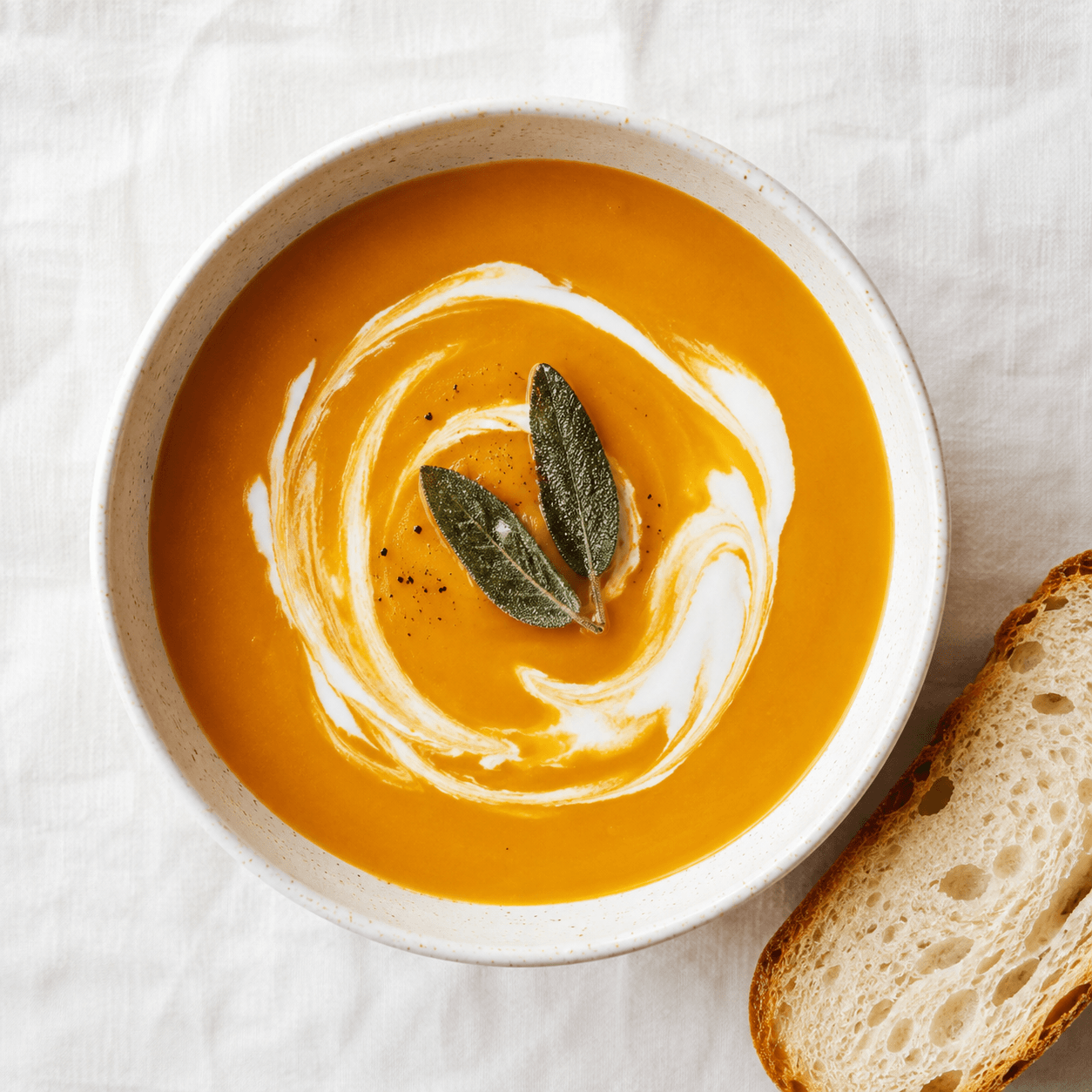
Butternut squash soup, silky and golden, with a swirl of cream and crispy sage
13 β€” Butternut Squash Soup
~$1.50/serving 8 hrs low

Dump in: 1 large butternut squash (cubed) Β· 1 onion Β· 3 garlic cloves Β· 3 cups vegetable broth Β· 1 apple (peeled, diced) Β· 1 tsp cinnamon Β· Β½ tsp nutmeg Β· salt & pepper. Blend at serving with an immersion blender.

Silky, sweet, deeply warming. The apple gives it natural sweetness without adding sugar. Swirl in some cream, add a few fresh sage leaves fried in butter, and serve with crusty bread. The kitchen will smell like October all day long.

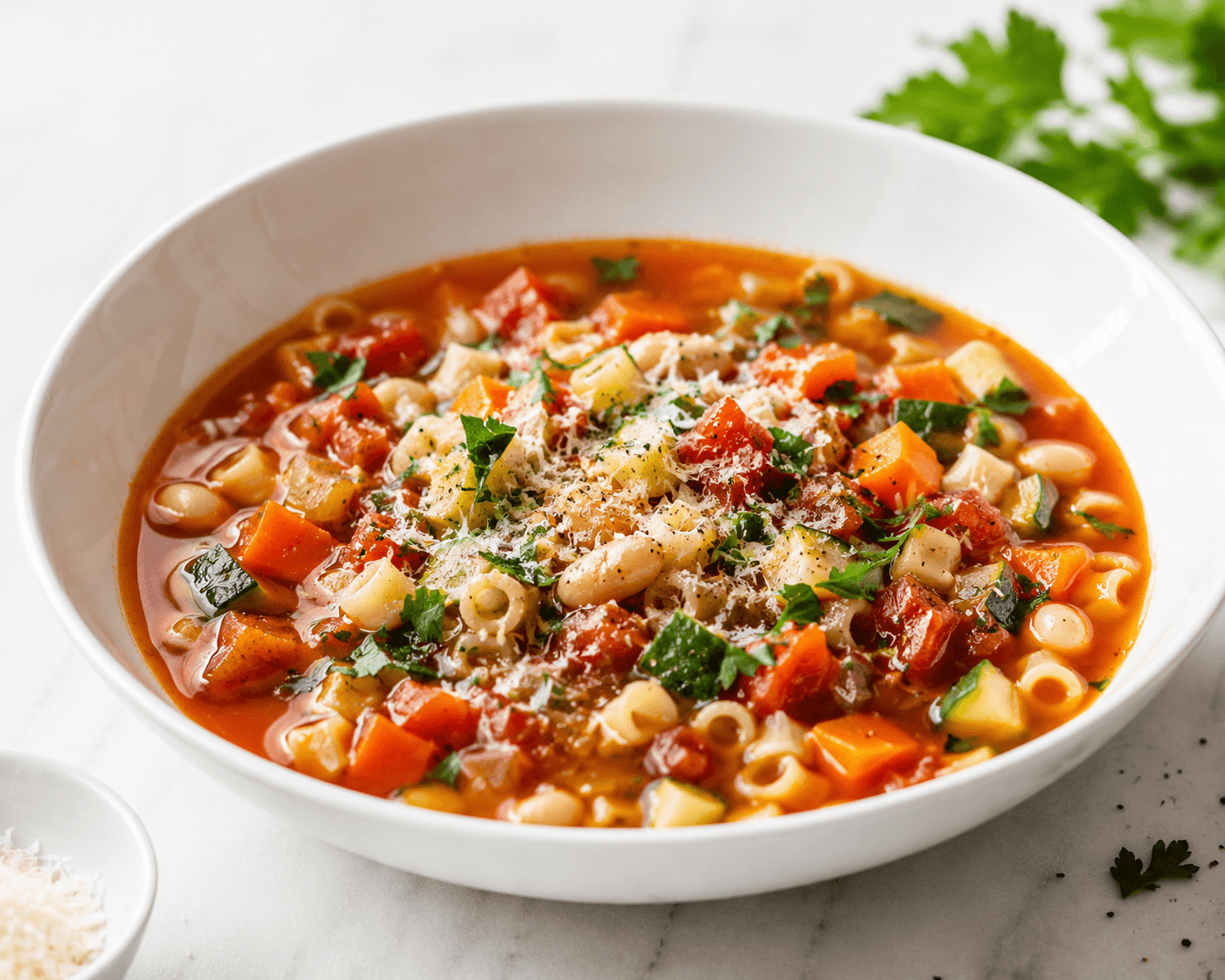
Minestrone soup with vegetables, beans, and small pasta, topped with parsley and Parmesan
14 β€” Minestrone
~$1.80/serving 8 hrs low

Dump in: 2 cans diced tomatoes Β· 1 can cannellini beans Β· 2 carrots Β· 2 celery stalks Β· 1 zucchini Β· 1 onion Β· 4 garlic cloves Β· 4 cups vegetable broth Β· 1 tsp Italian seasoning Β· salt. Last 30 min: add 1 cup small pasta.

Classic Italian patience, crockpot-style. The pasta goes in the last half hour so it doesn’t turn to mush. Finish with fresh parsley and a shower of Parmesan at the table. This freezes beautifully β€” make double.

Chickpea and spinach curry over basmati rice, vibrant green spinach, fresh cilantro and lime
15 β€” Chickpea & Spinach Curry
~$1.60/serving 8 hrs low

Dump in: 2 cans chickpeas (drained) Β· 1 can diced tomatoes Β· 1 can coconut milk Β· 1 onion Β· 4 garlic cloves Β· 1 tbsp fresh ginger Β· 2 tbsp curry powder Β· 1 tsp turmeric Β· salt. Last 15 min: stir in 2 big handfuls of fresh spinach.

The spinach wilts into the sauce in minutes and stays vibrant green. Serve over basmati rice with fresh cilantro, a wedge of lime, and warm naan. This is the recipe that converts slow-cooker skeptics.

“The crockpot’s great secret isn’t convenience. It’s that it turns a $4 chuck roast into a $25 restaurant experience β€” using nothing but time and low heat.”

β€” The slow cooker’s actual value proposition
🌿
04
The Finishing Touch

Why Fresh Herbs Change Everything β€” and Why They Go in at the End

Fresh herbs being added as the final step to a finished slow-cooked dish, bright kitchen light

πŸ“· The last move before serving β€” fresh herbs, added off the heat.

Slow-cooked food gets its depth from dried herbs added early β€” rosemary, thyme, bay leaves. But depth without freshness can feel heavy. The scattered cilantro, torn basil, or chopped parsley added at serving isn’t decoration. It’s contrast.

Fresh herbs added at the end bring three things that ten hours of heat cannot: brightness, a slight bitterness that cuts through richness, and aromatic volatiles that exist for about thirty seconds after chopping. That’s not a figure of speech. The essential oils that make fresh herbs smell alive are genuinely volatile β€” they begin evaporating immediately. This is why the kitchen smells different when you tear a basil leaf than when you drop dried basil into a pot.

πŸ”¬ The Science of Herb Volatility

According to food science research published in the Food Chemistry journal, the volatile aromatic compounds in fresh herbs β€” terpenes, terpenoids, and phenylpropanoids β€” begin degrading within minutes of cell damage from cutting. Heat accelerates this dramatically. Adding fresh herbs at the very end of cooking, or after heat is removed, preserves the most flavor impact.

Pub: Food Chemistry Β· Herb essential oil retention, post-harvest and post-processing

All of which makes keeping fresh herbs actually fresh β€” for the full week β€” genuinely worth caring about.

🌿
05
How to Store Fresh Herbs

The Complete Herb Storage Guide β€” So They’re Ready Every Weeknight

Most herbs go to mush within three days of the wrong storage. Get this right and a $2 bunch of parsley stays fresh for two weeks, a $3 bunch of cilantro carries you through five crockpot nights, and you stop throwing money into the compost bin.

The difference between soft herbs and woody herbs isn’t just texture β€” they need completely different storage environments, and confusing the two is the most common herb mistake in home kitchens. For an even deeper dive with more storage methods than we have room for here, see our complete guide on how to store fresh herbs so they last weeks, not days.
🌿 Soft Herbs β€” Parsley, Cilantro, Mint, Dill, Chives
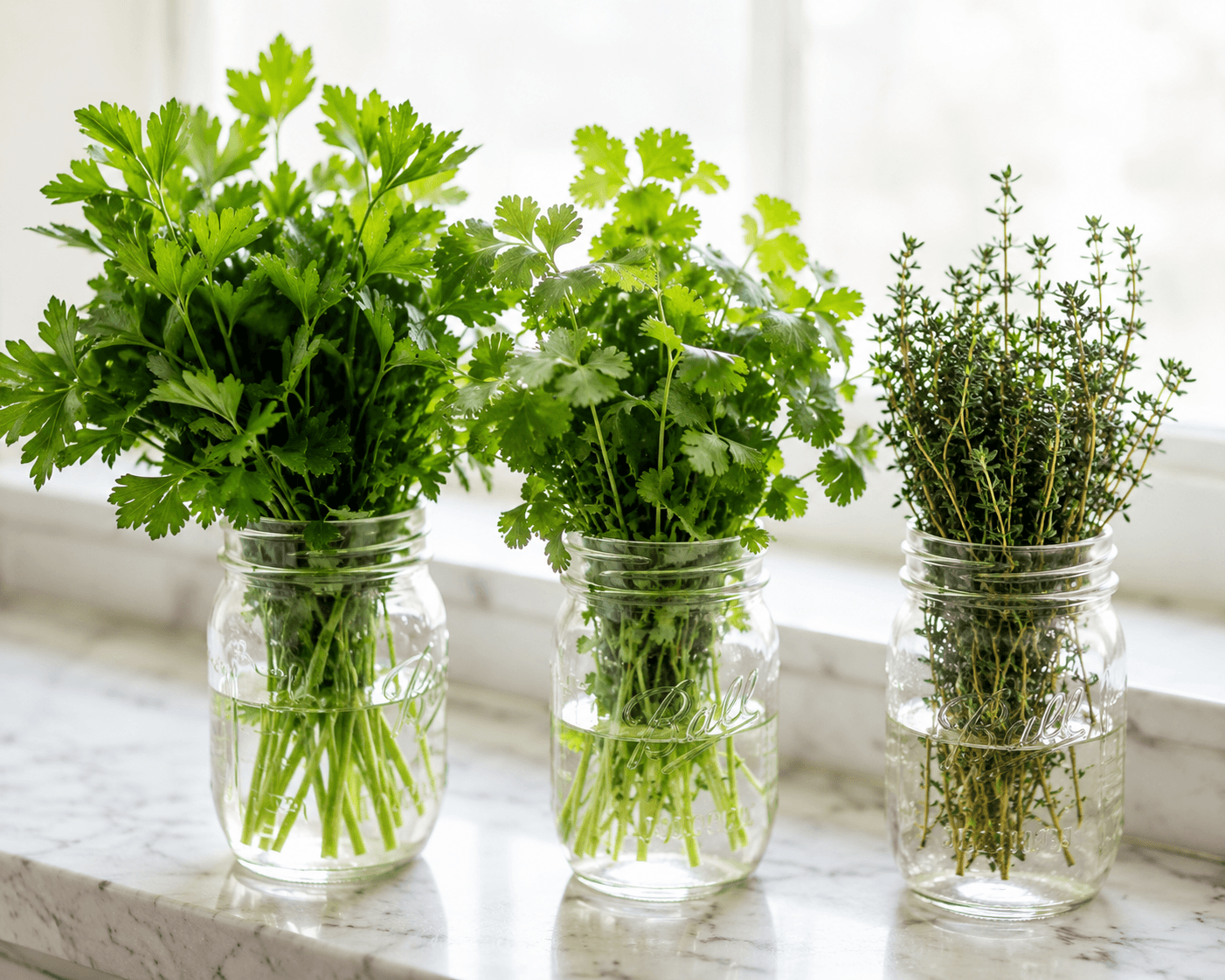
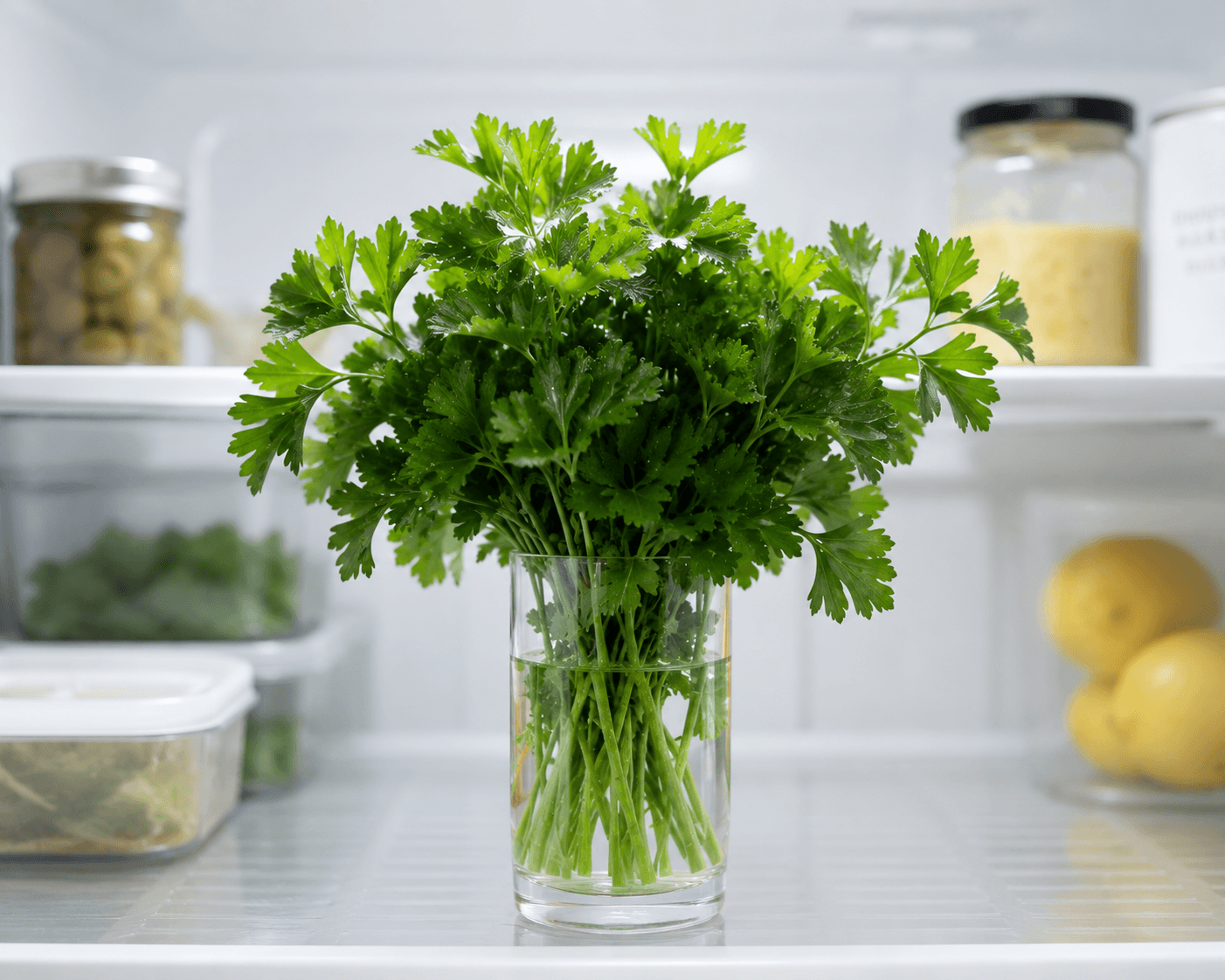
Parsley bunch stored stem-down in a glass of water inside the fridge, bright refrigerator light

πŸ“· The water-glass method β€” like flowers, kept cold and upright.

🌿
Parsley
Up to 3 weeks when stored correctly

Method: Trim the stems, place bunch upright in a glass with 1 inch of water (like flowers), cover loosely with a plastic bag or beeswax wrap, and refrigerate. Change the water every few days.

Common mistake: Wrapping loosely in paper towel and leaving flat. The leaves lose moisture contact and yellow within days.

πŸ’‘ Flat-leaf (Italian) parsley stores longer and has more flavor than curly β€” use it for everything except garnish.
🌱
Cilantro
1–2 weeks in water, refrigerated

Method: Same as parsley β€” trim stems, water glass, loose cover, fridge. Cilantro is more delicate and benefits from keeping the roots attached if you can find bunches with them.

Common mistake: Keeping it too cold (near the back of the fridge where it freezes slightly) or too damp (sealed in a bag with excess moisture). Both accelerate sliminess.

πŸƒ
Mint
1–2 weeks refrigerated, or days on the counter

Method: Water glass method in the fridge. Alternatively, keep at room temperature in a jar of water, away from direct sun β€” mint stays perky for 3–4 days this way without refrigeration.

Common mistake: Storing with other herbs. Mint releases ethylene and can cause nearby herbs to yellow faster.

🌾
Dill
5–7 days refrigerated

Method: Water glass in the fridge. Dill is one of the most delicate soft herbs β€” its feathery fronds lose moisture rapidly and are highly sensitive to the ethylene from fruit and other vegetables.

Common mistake: Storing near apples, avocados, or tomatoes. Keep dill away from any ethylene-producing produce.

🌿
Chives
1–2 weeks refrigerated

Method: Wrap loosely in a damp paper towel and seal in a zip-top bag or container. Unlike other soft herbs, chives don’t benefit from the water-glass method β€” the hollow stems take on too much moisture.

Common mistake: Storing too wet. Excess moisture causes them to become slimy; the paper towel should be damp, not saturated.

🌲 Woody Herbs β€” Rosemary, Thyme, Sage, Oregano
🌲
Rosemary
2–3 weeks refrigerated

Method: Wrap in a slightly damp paper towel, place in a zip-top bag, refrigerate. Woody herbs need minimal moisture β€” they’re semi-desiccated by nature and will rot quickly if kept wet.

Common mistake: Refrigerating in the original plastic clamshell without any wrap. The lack of humidity control causes the needles to dry out and drop.

🌿
Thyme
2 weeks refrigerated

Method: Same as rosemary β€” damp paper towel, sealed bag, fridge. Thyme is more forgiving than most herbs and one of the easiest to dry at home if you have an excess bunch.

Common mistake: Stripping the leaves before storage. Leave them on the stem β€” they stay fresher longer and are easy to strip when you need them.

πŸ‚
Sage
1–2 weeks refrigerated

Method: Wrap in a dry paper towel (note: dry, not damp), place in a zip-top bag. Sage’s velvety leaves trap moisture and rot faster than other woody herbs. Dry storage keeps them from going slimy.

Common mistake: Washing before storage. Wash sage only right before use β€” damp leaves are sage’s undoing.

🌿
Oregano
1–2 weeks fresh Β· months dried

Method: Damp paper towel, sealed bag, fridge. Oregano is one of the herbs where the dried version is genuinely comparable to fresh for cooked applications β€” it’s one of the few herbs that actually intensifies when dried. Fresh is best for salads and finishing; dried is fine in the crockpot.

Common mistake: Buying fresh when dried will do. Save the fresh oregano for salads and Mediterranean dishes.

⚠️ Basil: The One That Breaks All the Rules

Do not refrigerate fresh basil. Basil is tropical β€” it’s cold-sensitive and will blacken and wilt within 24 hours in a standard refrigerator. The correct storage is room temperature: stem-down in a glass of water on your counter, like a little bouquet, away from direct sunlight.

Expected lifespan: 5–7 days at room temperature. Change the water every 2 days.

If you have too much: Blend fresh basil with olive oil and freeze in ice cube trays. Each cube is a perfectly portioned pesto starter, soup brightener, or finishing oil β€” and it freezes for up to 6 months.

🌿
πŸ“Š The Data

Herb Storage Lifespan β€” Compared Across Methods

Storage times are approximate. Quality and temperature of your refrigerator affect outcomes.

Herb Fridge (correct) Counter Frozen Dried
Parsley 2–3 weeks 1–2 days 6 months 1 year
Cilantro 1–2 weeks 1 day 4 months Poor quality
Basil ⚠️ Do not fridge 5–7 days 6 months (oil) Fair quality
Mint 1–2 weeks 3–4 days 6 months 1 year
Rosemary 2–3 weeks 4–5 days 6 months 1–3 years
Thyme 2 weeks 4–5 days 6 months 1–2 years
Chives 1–2 weeks 1–2 days 6 months Fair quality

Sources: University of Minnesota Extension Β· USDA FoodData Central Β· Colorado State University Extension

⚑

Freezing Herbs β€” The Method That Actually Works

Frozen herbs aren’t a consolation prize. They’re a strategic tool β€” best for cooked applications where texture doesn’t matter and flavor is everything. One batch of frozen herb cubes can carry you through six weeks of crockpot dinners.

How to Make Herb Oil Cubes
1
Wash and thoroughly dry your herbs. Any remaining water becomes ice crystals that damage cell structure β€” use a salad spinner.
2
Chop herbs roughly. Fill each ice cube tray slot about β…” full of chopped herbs.
3
Fill with olive oil (or water for milder herbs). Press herbs down so they’re fully submerged. Freeze 24 hours.
4
Pop cubes into a labeled zip bag. Return to freezer. Good for up to 6 months β€” drop straight into the crockpot, soup, or pan, frozen.
Best herbs for oil cubes: rosemary, thyme, sage, parsley, basil, chives. Not ideal: dill (goes mushy), mint (use in water cubes instead).
🌿
⚑ Mistakes to Avoid

7 Herb Storage Mistakes That Shorten Freshness

01
Washing herbs before storage. Surface moisture accelerates microbial growth. Wash only right before using.
02
Refrigerating basil. Cold damages tropical herbs at the cellular level. Counter in water is the only right answer.
03
Sealing herbs in airtight bags without any airflow. Some moisture exchange is needed. Leave a small gap in the seal.
04
Storing mint near other herbs. Mint releases ethylene gas that accelerates yellowing in neighboring herbs. Keep it separate.
05
Not changing the water in herb jars. Stagnant water becomes a bacterial bath. Change every 2–3 days and re-trim the stems.
06
Storing near the coldest part of the fridge. The back wall of most fridges hovers near freezing. Soft herbs stored there freeze and go immediately limp. The door or middle shelf is better.
07
Ignoring damaged leaves in the bunch. One rotting leaf releases ethylene and moisture that accelerates decline in the whole bunch. Remove damaged leaves before storing.
🌿
Questions, Answered

Crockpot & Herb Storage FAQ

Can I put frozen meat directly in the crockpot?
The USDA advises against it β€” frozen meat can spend too long in the “danger zone” (40–140Β°F) before reaching safe internal temperatures. Thaw overnight in the refrigerator for best results and food safety. If you forget, thaw under cold running water and then crockpot on high for the first hour before reducing to low.
Can I leave the crockpot on when I leave the house?
Yes β€” this is what slow cookers are designed for. Manufacturers build them with safety in mind for all-day unattended cooking. That said, keep the area around it clear, don’t use extension cords, and make sure the lid is seated properly before you leave. Modern slow cookers are among the safest kitchen appliances for unattended use.
Why does my slow-cooked food taste bland?
Two reasons: under-seasoning (salt added to a large volume of food dilutes fast β€” season more than you think you need), and no acid or freshness at the end. Fresh herbs, a squeeze of lemon or lime, a splash of vinegar, or a spoonful of something bright (yogurt, sour cream, fresh chili) added at serving fixes this almost every time.
How do I know how to store fresh herbs properly for each type?
The simple rule: soft herbs (parsley, cilantro, mint, dill) go in a glass of water in the fridge β€” like flowers. Woody herbs (rosemary, thyme, sage, oregano) go wrapped in a damp paper towel in a sealed bag in the fridge. Basil is the exception: room temperature, in water, on the counter. And never wash any herb before storage β€” only before use.
What’s the best crockpot size for a family of 4–6?
A 6-quart oval slow cooker handles most recipes comfortably for a family of 4–6 with leftovers. Oval fits roasts and whole cuts better than round. For a family of 2, a 3–4 quart is ideal. Fill to no more than ΒΎ capacity regardless of size.
Can I meal prep these crockpot recipes in advance?
Yes β€” and it’s the best way to make this system really work. Assemble everything in a zip-top bag or container the night before, refrigerate overnight, and dump straight into the crockpot in the morning. Some people prep 2–3 bags on Sunday for the whole week. Never put a frozen bag of ingredients into the crockpot insert directly β€” thaw at least partially first.
πŸ₯˜ Keep Reading
15 Instant Pot Recipes That Actually Save Time β€” for the nights even 8 hours feels too slow
β†’

There’s something genuinely satisfying about the crockpot rhythm. The ten minutes before the school run. The day that runs how it runs. The kitchen that smells, against all odds, like someone took care with dinner.

That smell is mostly collagen and time. But the torn cilantro you add at the end, the fresh parsley scattered over the pot roast, the basil you kept alive on the counter all week β€” that’s the part that feels personal. That’s the three seconds of deliberate finishing that turn a Tuesday into something worth sitting down for.

Keep the herbs fresh. Keep the crockpot running. And let 7 a.m. do what it was always supposed to do: set something good in motion, so you can come home.

πŸ“š Related Reading
β€” / 5

No reviews yet β€” be the first!

Leave a Review