Foods That Feel Like Studio Ghibli Scenes You Can Taste

Foods That Feel Like Studio Ghibli Scenes You Can Taste

Why does animated rice make us cry? The real psychology behind Ghibli food — and how to eat…

Why does animated rice make us cry? The real psychology behind Ghibli food — and how to eat your way into that feeling tonight.

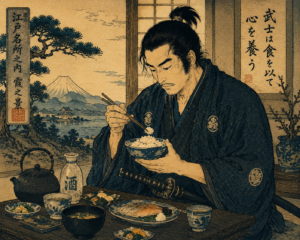
Handmade onigiri and steaming miso soup on a wooden table in warm golden morning light

© 2008 Studio Ghibli - Spirited Away(2011)

📷 The exact feeling: warm light, simple food, someone who cared enough to make it

C
hiroisan sitting on a hillside. Her parents are pigs. Everything is wrong. Then Haku hands her two rice balls — and she starts crying — and you start crying — and honestly nobody in the room is okay.

It's rice. Just compressed rice. And yet it lands in your chest like a small, perfect stone.

This is the Studio ghibli food mystery. Why does animated soup hit harder than real soup usually does? Why do we pin Howl's breakfast skillet under a board called "the life I want"?

Because Miyazaki accidentally cracked the exact formula for what food feels like when it's perfect. And once you see it — you can't unsee it.

The Formula

The 4 Things Every Studio Ghibli Food Scene Has in Common

Studio Ghibli food isn't a cuisine. It's a quality — one so specific that millions of people recognize it instantly without being able to name it. Four markers, every time.

🤲
Marker 01 — Imperfection
Handmade. Beautifully, imperfectly handmade.
Kiki's bread is lopsided. Chihiro's rice balls aren't perfectly round. Howl's eggs splash messily. There are always visible human hands.

Our brains read imperfection as care. Perfect food reads as factory output. Slightly lopsided food reads as someone thought about you specifically.

🌅
Marker 02 — Light
Every scene is lit in golden hour.
Cream. Amber. Ochre. Forest green. Rust. No neon. No harsh fluorescent whites. Every food scene is lit as if the sun is rising or setting.

Warm light tells your nervous system: you are safe here. The difficult part is over.

🍚
Marker 03 — Sufficiency
Small portions. Enormous emotional weight.
One bowl. A single egg. Half a loaf. Studio Ghibli doesn't do abundance — it does sufficiency.

The radical idea: this one bowl, right now, is exactly enough. More than enough. Everything, actually.

💛
Marker 04 — Timing
It arrives exactly when someone needs it most.
Chihiro eats while crying. Howl cooks while his life falls apart. Sophie gets bread from a woman who doesn't have much but gives some anyway.

The food always says: I know this is hard. Here. You'll still be in it after — but with something warm in your hands.

"

"Studio Ghibli didn't just make food look beautiful. They made it feel like the most important thing in the world — because in that moment, for that person, it was."

— The Studio Ghibli food philosophy, decoded

The Science

Why Your Brain Completely Loses It

This isn't just aesthetics. There's real neuroscience behind why Studio Ghibli food scenes activate something so deep in us.

🔬 What's actually happening in your brain

1
Soft textures activate your rest response
Scientists call it "oral processing load." Soft food takes low effort — and your brain translates that physical ease into emotional safety.Studio Ghibli chose almost exclusively soft, steaming, yielding foods. Nervous-system design, accidentally.

2
Warm amber light physically changes how food tastes
Oxford's Crossmodal Research Lab proved it: the same dish rated more flavorful under warm amber light than cool white. The food doesn't change. The light changes everything. Studio Ghibli animated every food scene in golden-hour light — flavor design through color temperature.

3
Watching someone cook for you activates your bonding circuits
Brain imaging studies show that observing careful food preparation activates trust and warmth regions — even just watching. The care in the preparation is the intimacy.

4
The ambient sounds are working on you too
Oil sizzling. Soup bubbling quietly. A kitchen late at night. These sounds reliably drop your shoulders and unclench your jaw. Studio Ghibli layered them under every food scene. Your body responds the same way, every time.

The Worlds

The 4 Studio Ghibli Food Moods — Which One Are You Craving?

Four distinct emotional registers. Figure out which one you need right now.

🌿
My Neighbor Totoro
The Forest Scene
Wild mushrooms on thick toast. Root vegetable stew. Miso that smells like a forest floor in the very best way.
Make this when the city is too loud and you need to remember you're an animal that lives on a planet with actual soil in it.

🍞
Kiki's Delivery Service
The Bakery Morning
Sourdough that shatters when you press the crust. Brioche that tears in golden strands. The smell of fermentation and something that took all night.
Make this when you want a morning that feels like a ritual, not a routine.

🏮
Spirited Away
The Night Stall
Tonkotsu ramen so full it nearly spills. Yakitori with real char marks. Eating next to strangers who are also eating — nobody talking much, nobody needing to.
Make this when it's 9pm and raining and you want something deeply hot and real.

🎋
Countryside Picnic Energy
The Cloth-Wrapped Bento
Onigiri and tamagoyaki and pickled things, wrapped in cloth. The whole emotional weight is in the wrapping — evidence that someone thought about you.
Make this for yourself. Wrap it anyway. It still counts.

The Hit List

Studio Ghibli-Coded Food Ideas Worth Making

These aren't just recipes. They're portals. Make any one on a quiet evening with warm light and something ceramic to eat from.

Foods That Feel Like Studio Ghibli Scenes You Can Taste

© 2008 Studio Ghibli - NDHDMT Ponyo (2008)

🍙

Onigiri with umeboshi
Shape them warm, by hand. The shaping is the whole point.

🍵

Miso soup with silken tofu
Three ingredients, one revelation.

🍄

Mushroom & root vegetable stew
Slow, dark, earthy. Smells like a forest in November.

🍞

Sourdough, still warm
Tear it. Don't slice it. The tearing matters.

🥚

Tamagoyaki
Five minutes of patient attention. It feels like a ritual.

🌾

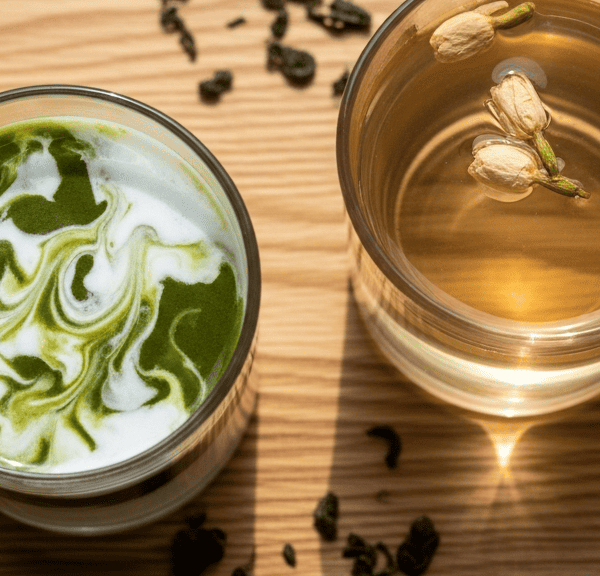
Barley tea, cold or hot
Tastes like the concept of a quiet afternoon.

🌰

Chestnut rice
The color alone will fix something in you.

🏮

Tonkotsu ramen at 10pm
You need the hour as much as the noodles.

The Philosophy

The Japanese Ideas That Explain Everything

01
Monozukuri
The Art of Making
The care you bring to making something matters as much as the skill. A ramen broth that took 48 hours isn't excessive — it's respectful. The labor is part of what you taste. Nobody in a Studio Ghibli film ever cooks carelessly.

02
Washoku
Beauty as Respect
UNESCO Intangible Heritage — partly because food should be beautiful in a way that reflects nature. Small portions. Natural colors. Vessels that complement, not compete. Presenting food well is respect for the ingredients, the person eating, the earth.

03
Seasonal Eating
Marking Time
Sakura mochi means spring. Chestnut rice means the air is about to change. Each seasonal food says: I'm here, in this specific moment, paying attention. Even in fantastical Studio Ghibli worlds, the food tells you what time of year it is.

04
Omotenashi
Anticipatory Care
Real care is anticipatory, not reactive. The bento packed the night before. Soup already on the stove when you get home. Every Studio Ghibli food scene is omotenashi — someone saw ahead and was ready, just in case you needed this.

The Method

Make Tonight Feel Like a Miyazaki Scene

Five changes. Any one shifts something. All five and you're eating in a completely different emotional key.

Change
What to Do
Why It Works

🕯️ Light
Kill the overhead. One warm lamp or candle only.
Warm light changes how food tastes — proven by Oxford. Biggest single shift.

🏺 Vessel
A ceramic bowl you love. Heavy. Slightly imperfect.
Weight makes food feel more substantial. Clay says: this is not a performance.

⏳ One slow thing
Broth that simmered. Dough that rested. Rice soaked first.
Before you even eat it, you already know: something was tended here.

🌿 Texture
Soft + slightly crisp. Hot + cool pickled alongside.
Studio Ghibli food is never one texture. Contrast makes eating an event.

📵 Attention
Phone face-down. Five actual minutes with the bowl.
Every Studio Ghibli food scene shows someone fully present. That presence is the magic.

Questions

Things People Actually Want to Know

Howl's Moving Castle for sheer volume — Howl's breakfast sequence is one of the most joyful cooking scenes in all of animation. Spirited Away for emotional devastation (those rice balls, the bathhouse feast). Kiki's Delivery Service for the definitive bakery energy. My Neighbor Totoro for the bento scene — quietly, deeply healing.

Correct move: watch all of them on a rainy evening with something warm. Don't skip Porco Rosso just because it sounds like a film about pigs. Excellent food vibes.

It's completely real — millions of Pinterest boards, TikTok cooking videos in warm kitchens, cottagecore and slow-living content all converging on this aesthetic. People aren't following a recipe. They're cooking toward a feeling. That's what makes it different from every other food trend.

Yes. Completely. Making food for yourself with genuine care is an act of self-regard your nervous system registers exactly the same way. You are the person who thought about this. You carried it to yourself.

The rice balls you make for yourself at midnight are not lesser. They contain the same message: you're worth the effort. Eat something warm. You'll be okay.

Miso soup. Miso paste dissolved into near-boiling water, silken tofu. Five minutes. Don't boil the miso — just dissolve it in to keep the depth of flavor.

Pour it into a bowl you like. Sit somewhere still. Phone away. Drink it slowly. It will do more for your evening than you're expecting.

At some point this stops being about food. What we're really looking for when we save those Studio Ghibli images is the version of ourselves sitting in that scene — unhurried, present, with something warm in both hands and nowhere else to be.

Miyazaki said his films are about paying attention to the ordinary world. That the magic is already there.

You have a kitchen. Five minutes. A bowl that feels right. The feeling was always yours.

Emily Bennett

Emily Bennett
Blogger · foodhitsdifferent.com · she/her
Makes miso soup most mornings. Has rewatched Spirited Away more times than is probably reasonable.

You might also like

/ 5

No reviews yet — be the first!

Leave a Review