Greek Yogurt Hacks:
15 Genius Savory Dips & Marinades
One container. Fifteen possibilities. The ingredient your refrigerator already has — and your kitchen isn’t using nearly enough.


📷 Close-up of thick Greek yogurt being spooned into a ceramic bowl — that white bowl holds more culinary potential than most people realize.
There’s a container of plain Greek yogurt in most refrigerators right now. It will, in all likelihood, be eaten tomorrow morning with honey and granola — and that’s a fine fate for it. But there’s a version of that same container that ends up on a dinner table as a shawarma marinade, draped over grilled lamb as a harissa sauce, or served at a party as a roasted red pepper dip that guests ask about for the next week.
The gap between those two fates is smaller than you think. It’s mostly a matter of knowing what Greek yogurt actually is — not just a breakfast food, but a fermented, protein-dense, acid-rich base that Mediterranean kitchens have been building sauces and marinades around for centuries.
These 15 hacks range from five-minute party dips to overnight marinades that genuinely transform meat. Some are riffs on classics. Others you may not have considered at all. All of them start with the same white container.
Why Greek Yogurt Works in Savory Cooking — And Why It Works So Well
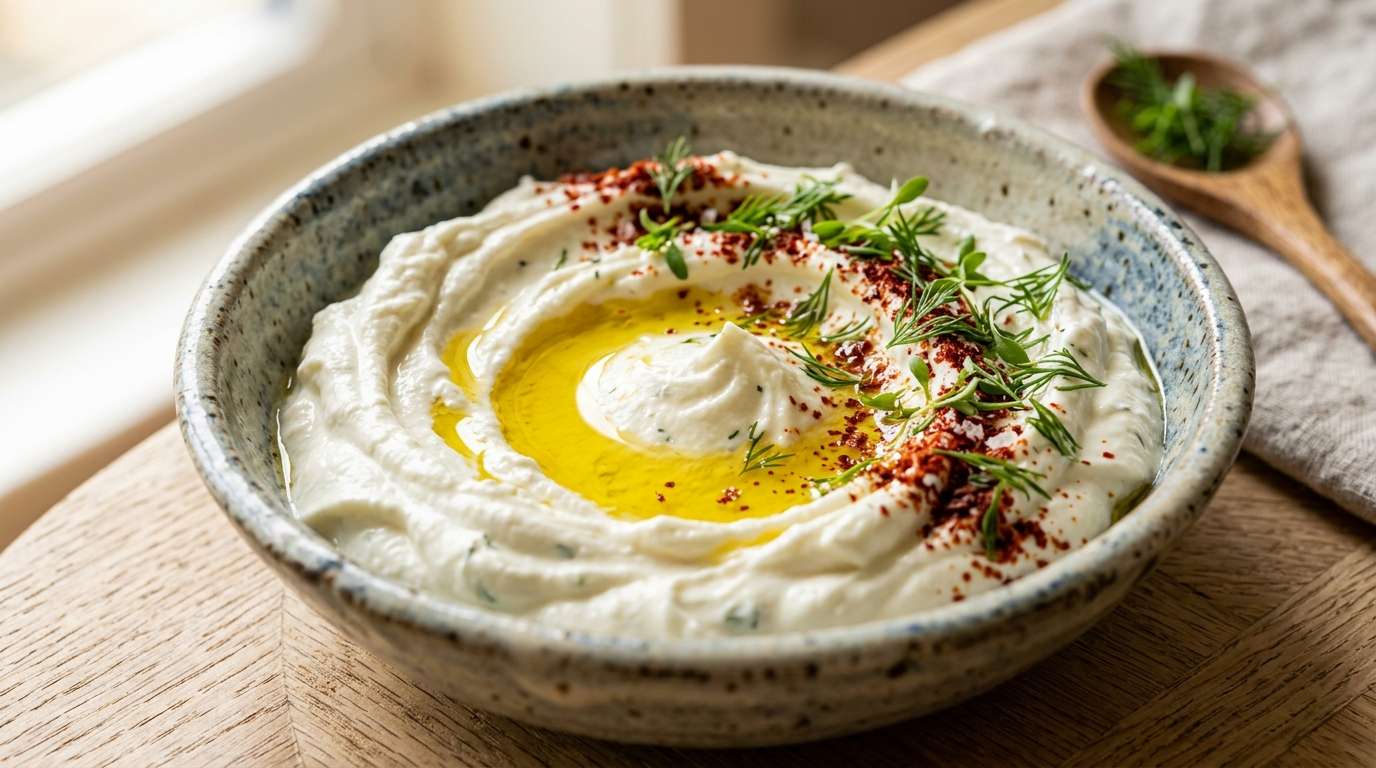
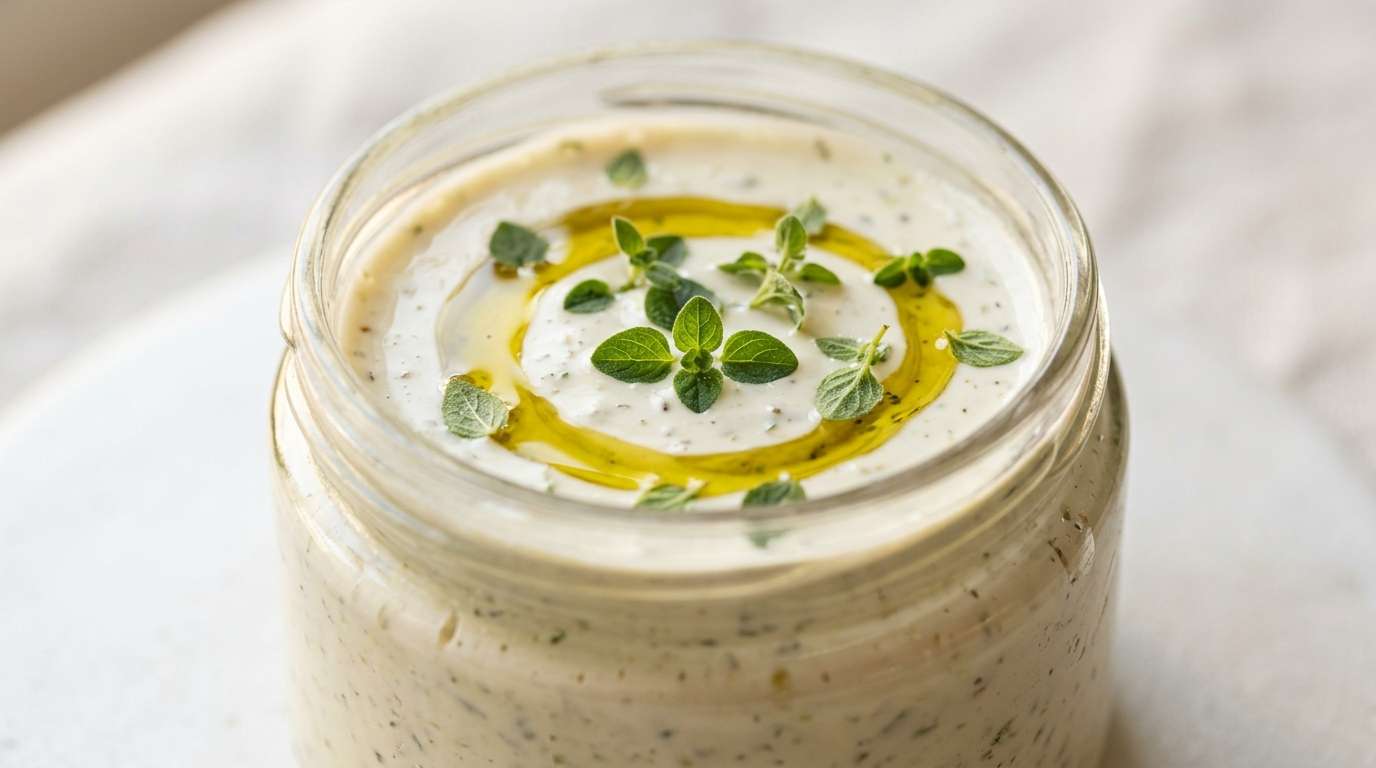
📷 A bowl of Greek yogurt dip — simple base, endless savory potential.
The straining process that makes Greek yogurt thick is also what makes it exceptional in savory applications. During straining, whey — the watery liquid — is removed, concentrating both protein and natural lactic acid. A standard 200g serving of Greek yogurt contains roughly twice the protein of regular yogurt, while carrying significantly less sugar and lactose.
That lactic acid does two things in cooking. In dips and sauces, it provides gentle tang without the sharpness of vinegar — rounding out garlic, cutting through fat, and making flavors seem brighter without dominating them. In marinades, it acts as a mild tenderizer: the acid slowly breaks down surface proteins in meat, making it more receptive to flavor absorption without the mushiness that citrus or vinegar can cause if left too long.
Greek yogurt typically delivers 15–20 grams of protein per 170g serving — more than most plant-based alternatives and comparable to a large egg. Its live active cultures (Lactobacillus bulgaricus and Streptococcus thermophilus) also classify it as a probiotic food, and WebMD notes that these cultures support digestive health as part of a balanced diet. In cooking, heat deactivates live cultures — but the protein, calcium, and flavor remain fully intact.
Sources: Healthline Nutrition (2025) · WebMD Health (2025) · USDA FoodData Central
The texture is the other underrated asset. Greek yogurt emulsifies beautifully — it holds garlic, oil, herbs, and spices in stable suspension without breaking the way cream-based sauces do. For cold dips, this means a consistent, smooth texture from first serving to last. For hot applications like marinades that hit the grill, the yogurt chars slightly at the edges, creating a layer of flavor that plain acid marinades simply can’t replicate. That char on a yogurt-marinated chicken thigh? That’s the protein in the yogurt doing its work.
15 Genius Greek Yogurt Hacks
Starting with the dips and sauces, moving into the marinades. All recipes yield approximately 1 cup and keep for 3–5 days refrigerated in an airtight container.
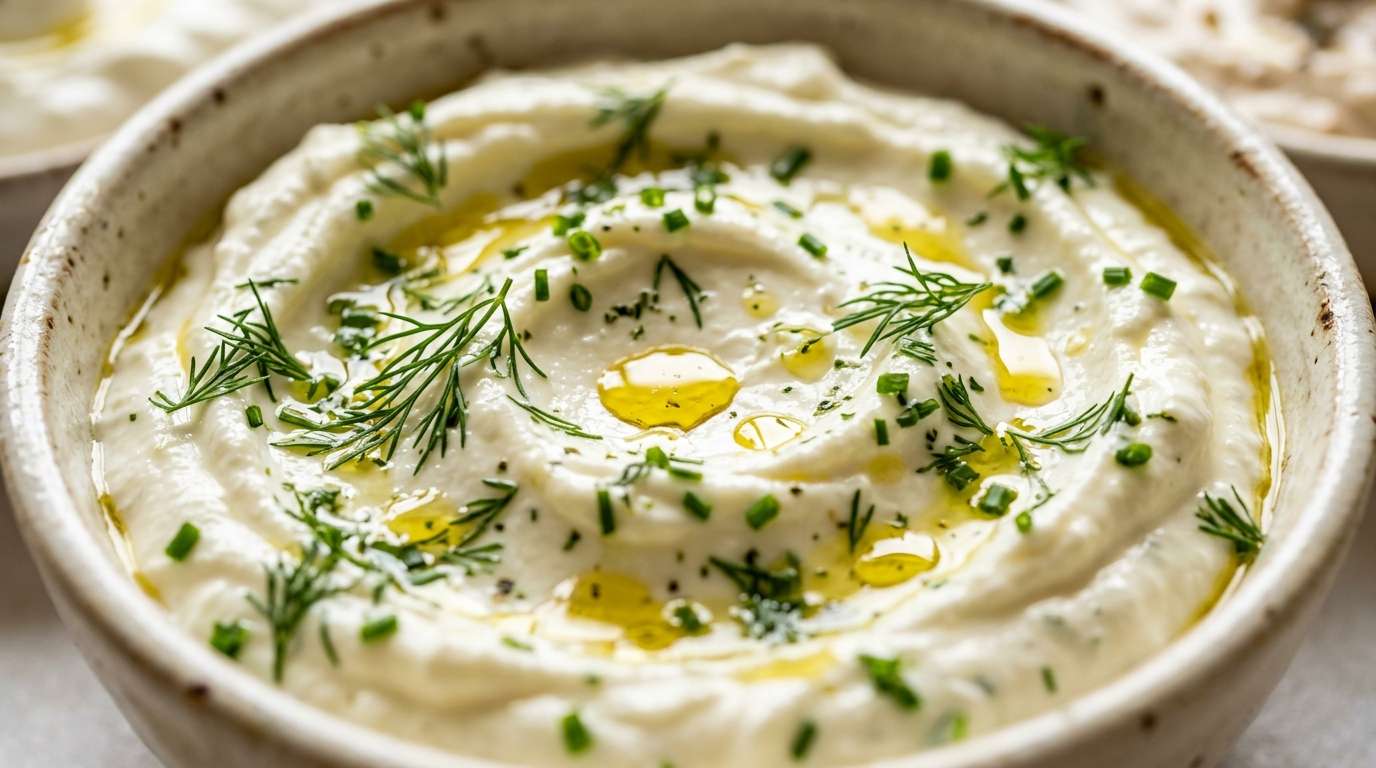

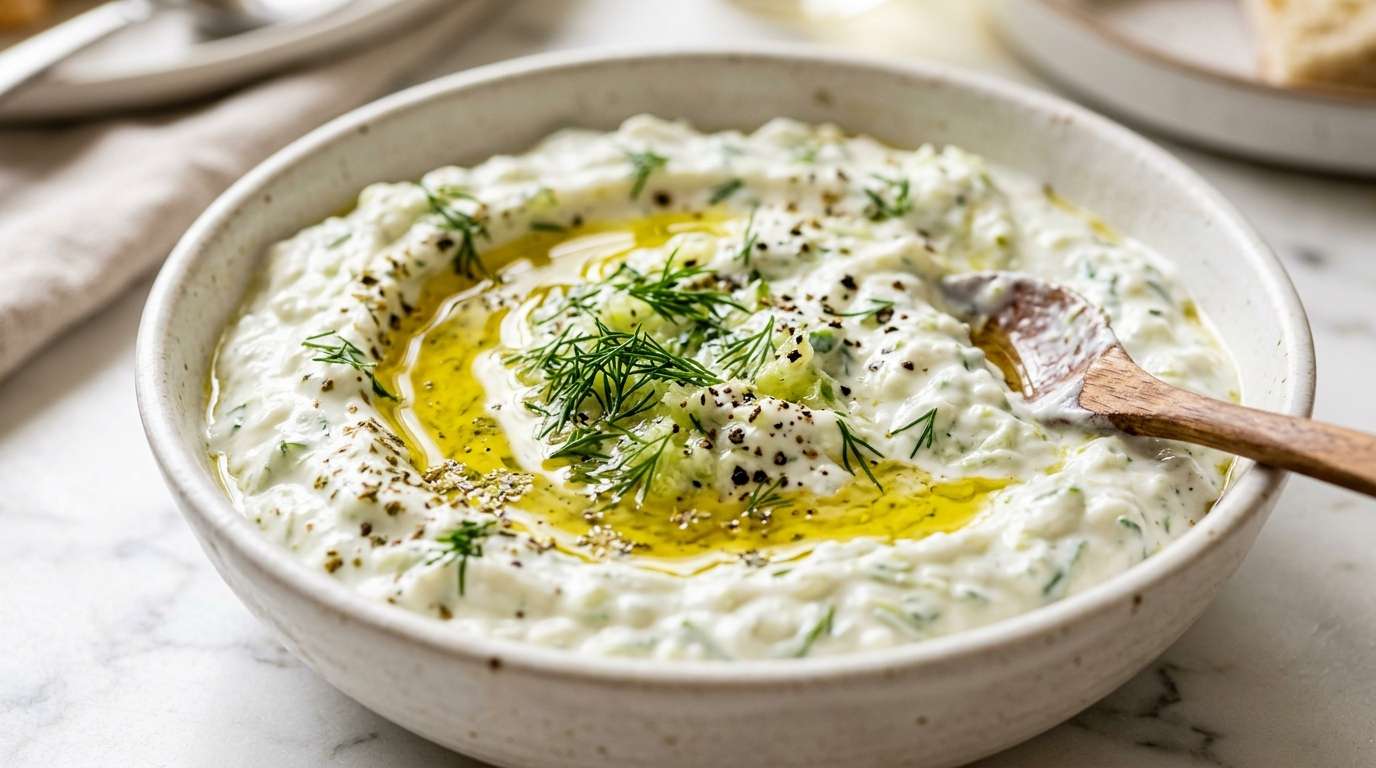
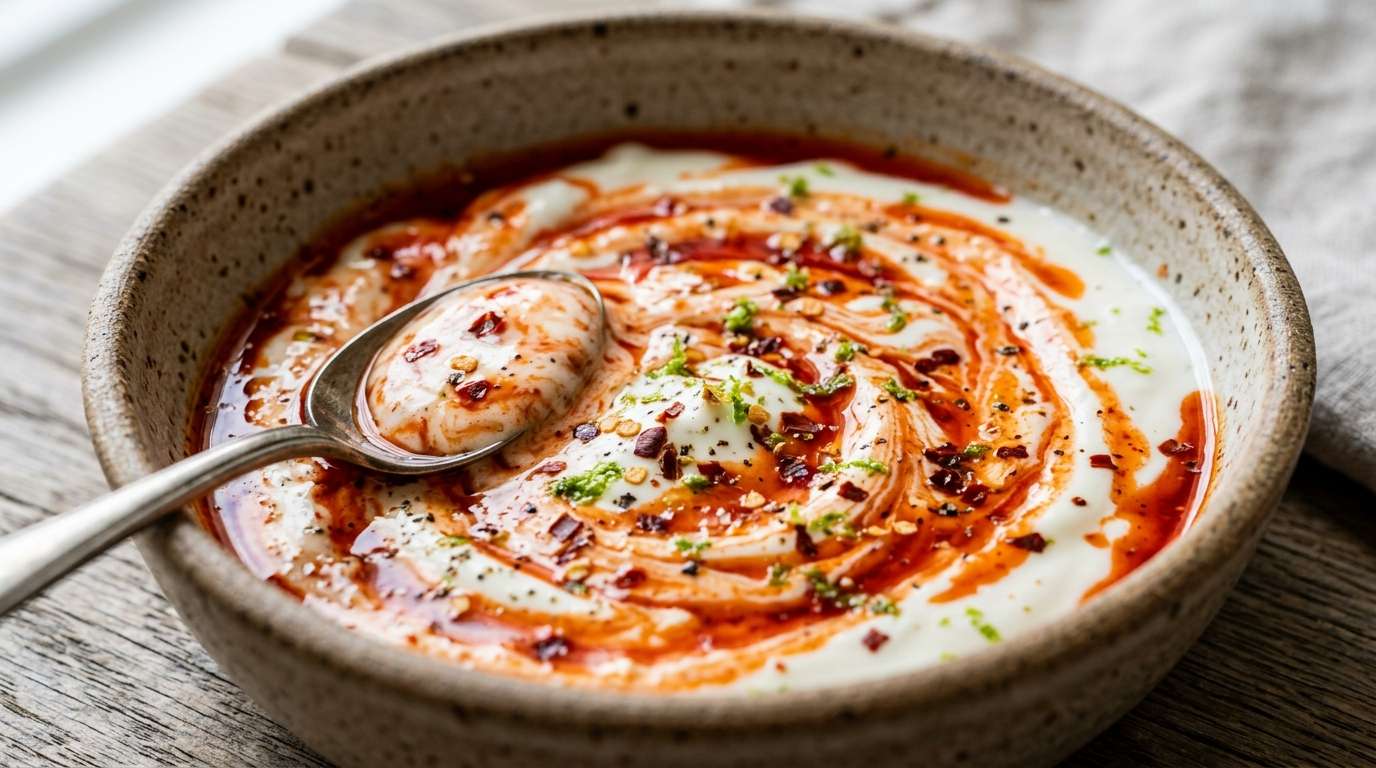
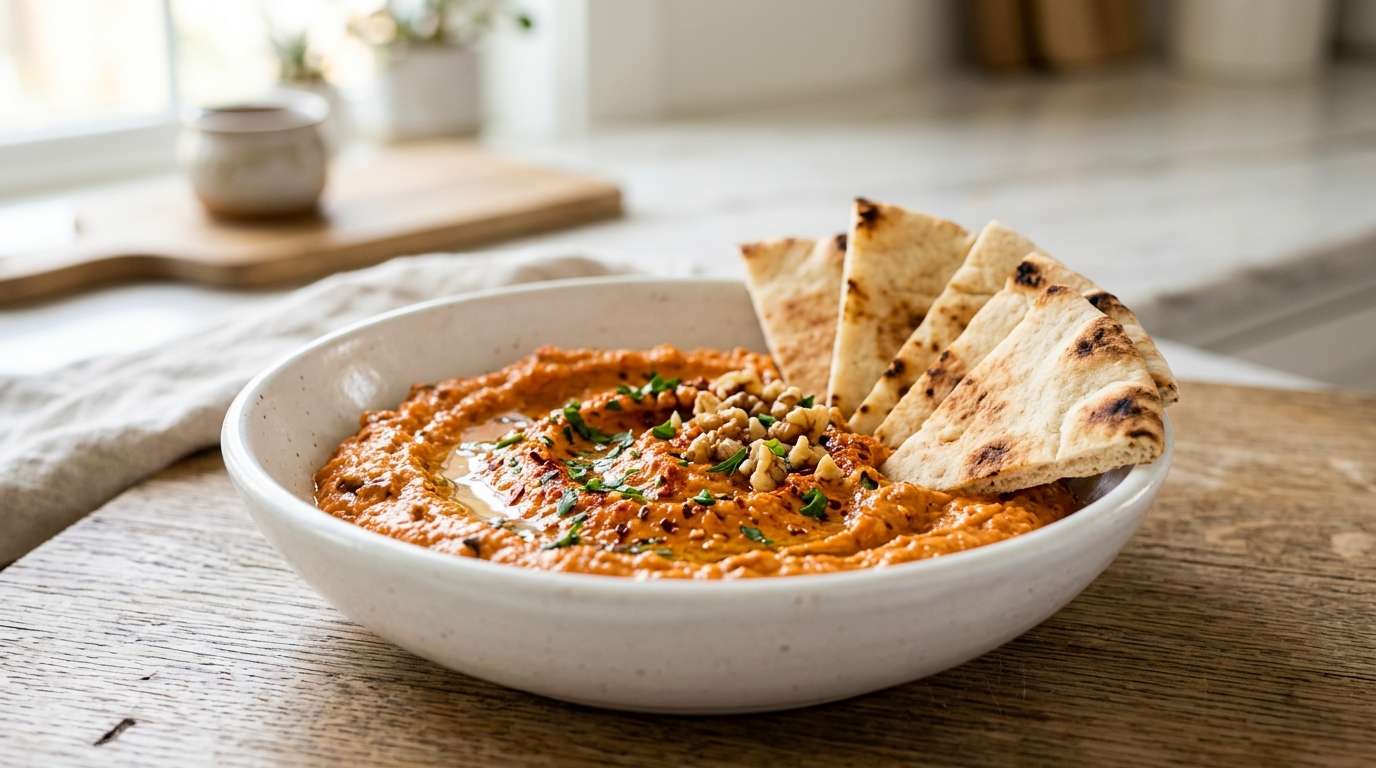

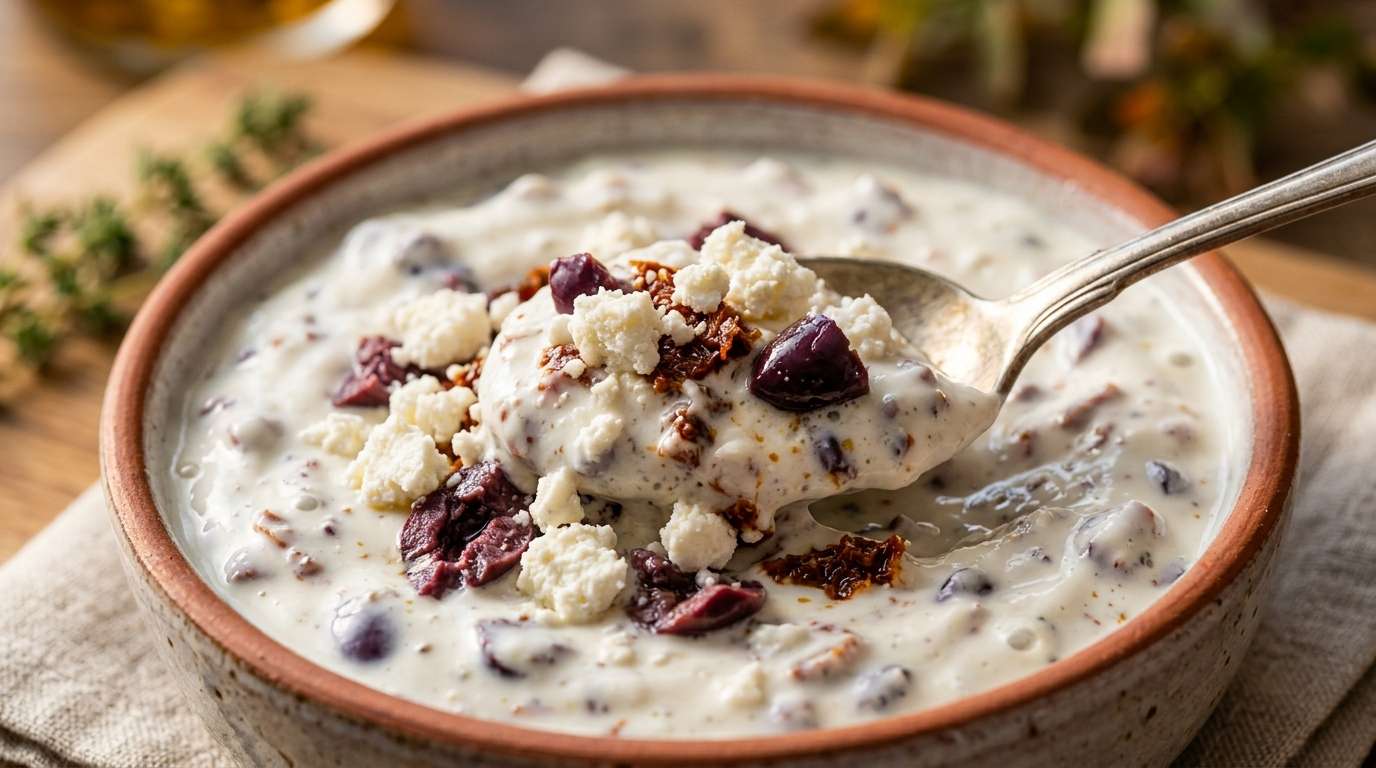
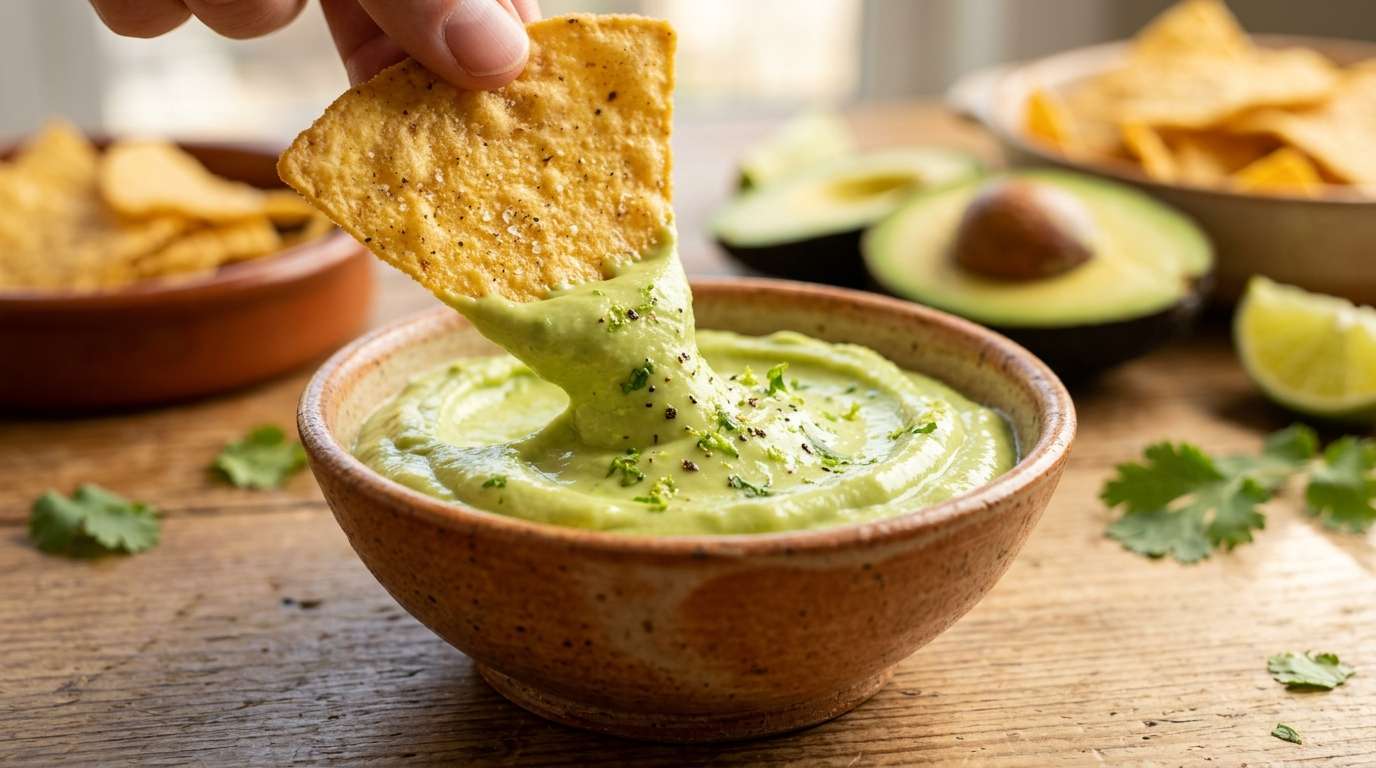

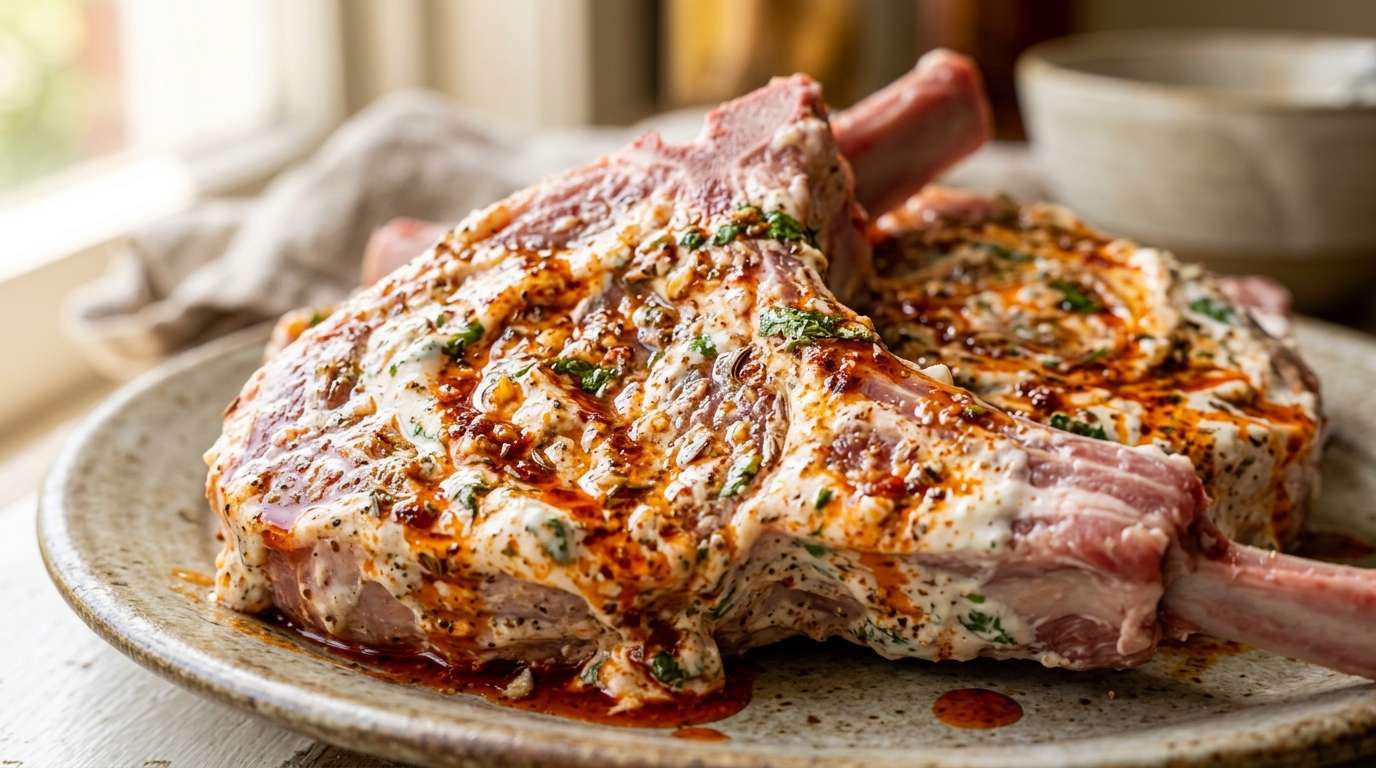
For each marinade: minimum 2 hours, maximum 24 hours. Pat meat dry before cooking. Yogurt marinades perform best on the grill or in a very hot oven.




Greek Yogurt vs. Mayo vs. Sour Cream
Per 100g serving. Why yogurt wins as a cooking base — the numbers make it obvious.
| Per 100g | Greek Yogurt (plain, nonfat) |
Mayonnaise | Sour Cream |
|---|---|---|---|
| Calories | 59 kcal | 680 kcal | 193 kcal |
| Protein | 10.2g | 1.0g | 2.1g |
| Fat | 0.4g | 74.8g | 19.4g |
| Carbs / Sugar | 3.6g / 2.7g | 0.6g / 0.6g | 4.6g / 4.0g |
| Probiotics | ✓ Live cultures | ✗ None | Sometimes |
Sources: USDA FoodData Central · Healthline Nutrition (2025) · RECIPAL nutritional database
Substitutions & Adjustments
Greek Yogurt FAQ
The container has been sitting in your fridge long enough. It arrived as breakfast and it can leave as dinner — as a marinade for tomorrow’s chicken, as the dip at Sunday’s gathering, as the dressing that makes next week’s salads feel like they came from somewhere with a view of the sea.
Greek yogurt was always more than a morning food. The Mediterranean already knew this. It just took the rest of us a little longer to look past the granola aisle.