The De-Influencer’s Grocery List
15 Things to Stop Buying This Summer
Your cart isn’t a personality. A quiet rebellion against algorithm-fed grocery shopping — and the 15 items worth leaving on the shelf this summer.

Somewhere in your fridge right now is a jar of something you bought because a fifteen-second video told you your gut, your skin, or your mornings were incomplete without it. It’s been opened once. It’s got a faint layer of something on top. You’re not going to finish it, and some quiet part of you already knew that at checkout.
That’s the joke buried inside every “what’s in my fridge” video: the fridge is full, and somehow nobody’s eaten dinner. Enter de-influencing — the counter-trend where people stopped asking “what should I buy” and started asking “what am I only buying because I was told to.”
This isn’t a list of villains. Some of these products are genuinely good — for someone. It’s a list of the specific ways grocery marketing convinces perfectly reasonable people to buy the same solution twice, in fancier packaging. Here’s what’s worth putting back this summer, and what actually does the job instead.
What De-Influencing Actually Is — And Why It Took Over Grocery Content
De-influencing started as a joke and got serious fast. The premise is simple: instead of telling you what to buy, someone tells you what to skip — and why the thing you almost bought exists mostly to solve a problem you didn’t have until you saw the video.
Grocery de-influencing is its own sharp corner of that world. It’s less about ethics and more about arithmetic: the $14 jar versus the $4 jar doing the same job, the single-use packet versus the thing already in your pantry, the trend that’s really just an old staple with a new label and a 300% markup.
Summer sharpens it further. Warm-weather grocery runs are peak impulse territory — bright packaging, “cooling,” “hydrating,” and “glow” claims everywhere, and a general cultural mood of wanting to feel like you’re doing something for your body. That mood is exactly what gets monetized.
Why Your Cart Is So Easy to Hijack — The Psychology of the Impulse Buy
Three specific mechanisms do most of the work, and none of them require you to be careless with money.
- Novelty reads as improvement. A new format — a powder instead of a whole food, a pouch instead of a jar — feels like progress even when the contents are functionally identical.
- Aspirational buying feels like a shortcut. Buying the “glow water” is easier than sleeping more, and it lets you feel like you did something toward the goal, instantly.
- Scarcity language works even on groceries. “Sold out again,” “restocking Friday,” “limited summer flavor” — these phrases were built for sneakers, and they work identically well on oat milk.
None of this makes anyone gullible. It makes the grocery aisle a genuinely well-designed persuasion environment. Knowing the mechanism is most of the defense — which is the entire premise of what follows.
15 Things to Stop Buying This Summer
Organized by why they get into the cart in the first place. Each one includes what to buy instead — because the goal is a fuller kitchen, not an empty one.
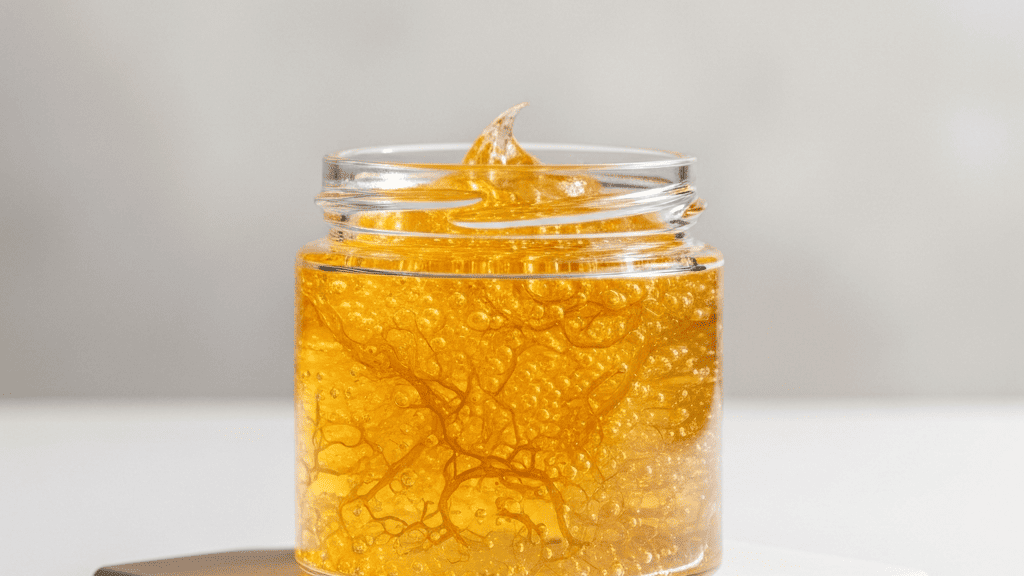
1. Sea Moss Gel
Sea moss has real trace minerals, but the “cures everything” framing has outrun the evidence, and the $20-a-jar gel is mostly water and marketing. A basic multivitamin or a more varied diet covers the same ground for less money and less fridge-clutter guilt.
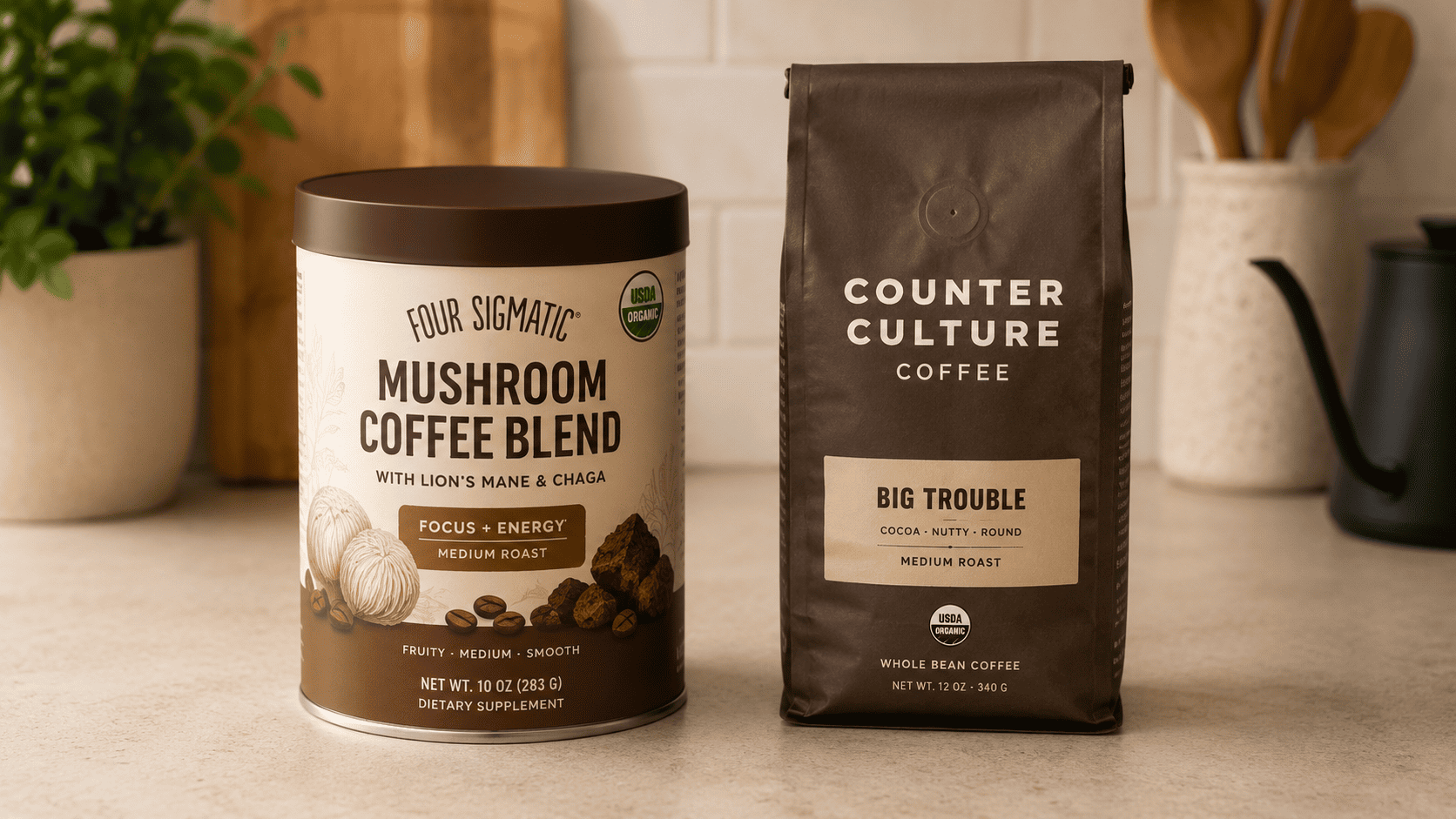
2. Mushroom Coffee Blends
If you like the taste, fine — but the “calmer energy” pitch is mostly just less caffeine, which you can get from making a weaker regular cup for free. You’re not buying focus. You’re buying a smaller coffee at a premium price.
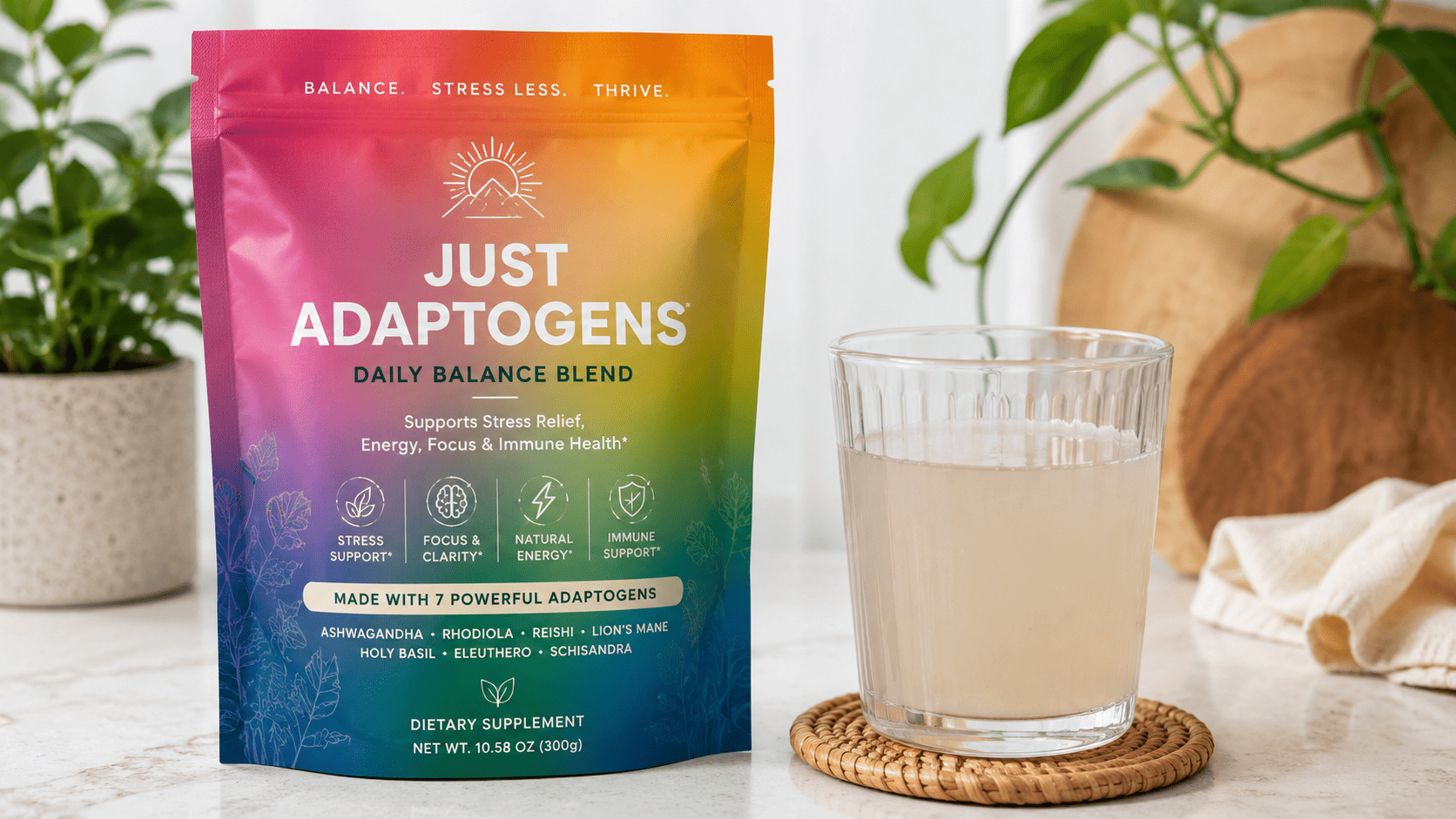
3. $18 “Focus” Adaptogen Powders
Ashwagandha and rhodiola have genuine early research behind them — in isolated, studied doses, not necessarily in a proprietary blend stirred into flavored water. Buy the single-ingredient supplement from a reputable brand if you want the compound, and skip the branded “focus” version of the same shelf.
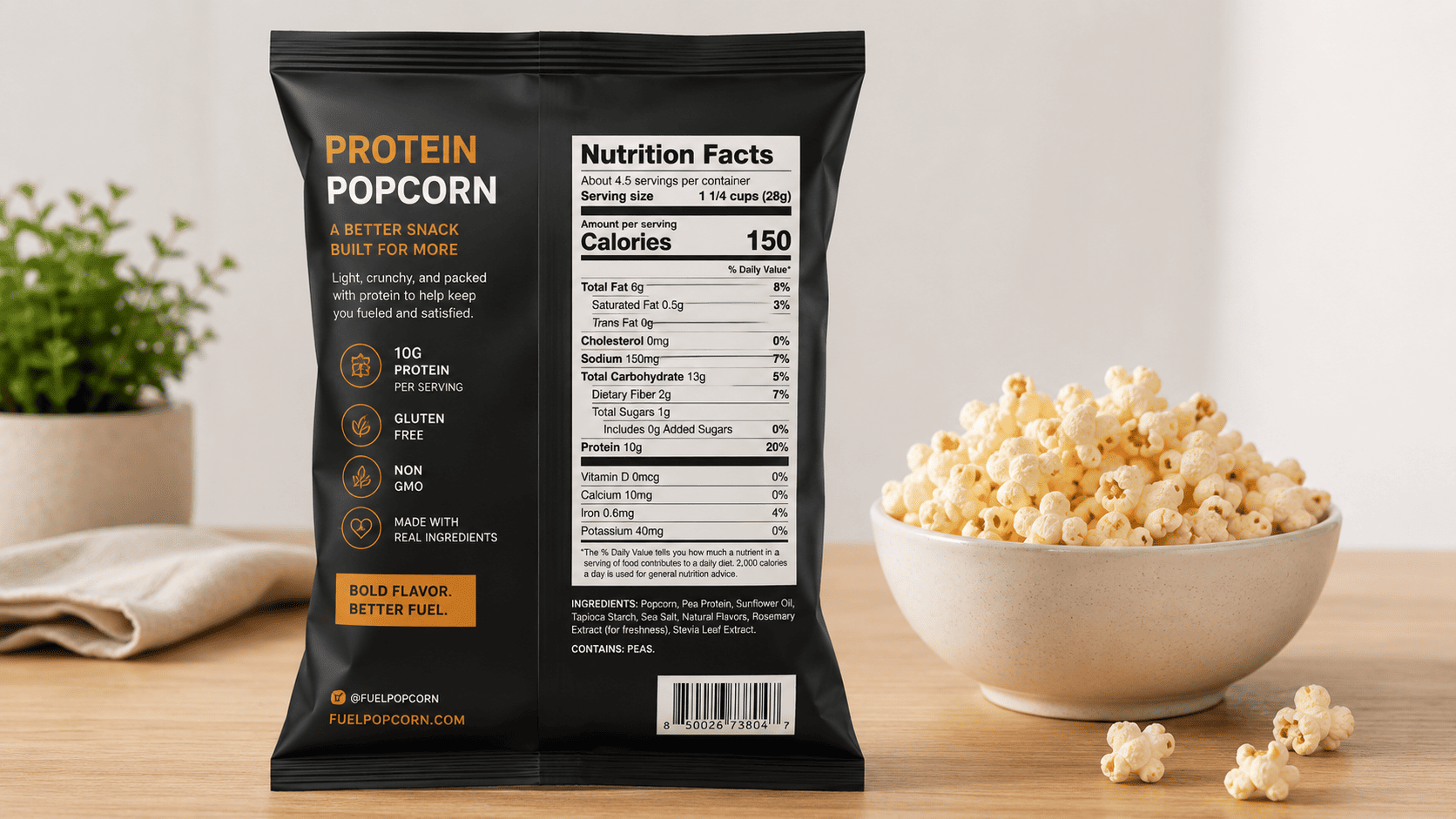
4. Protein Popcorn
A snack food fortified to sound like a supplement. The protein add is usually small enough that it doesn’t meaningfully change your day, and it costs roughly double regular popcorn. If protein intake actually matters to you, it’s coming from your meals, not your movie snack.
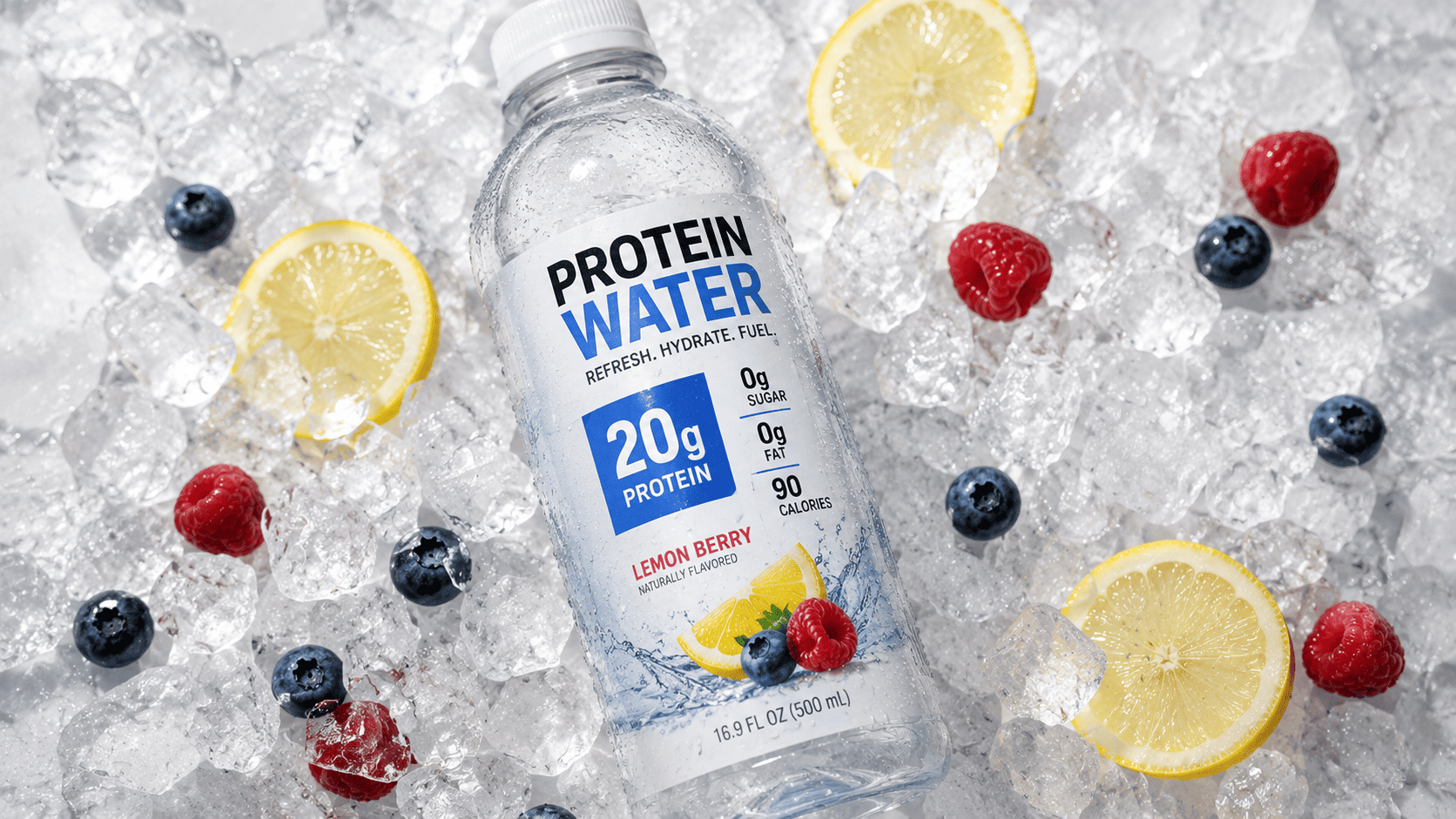
5. Flavored Protein Water
Clear, fruity, and marketed like a sports drink, it’s often just water with a small amount of collagen or whey isolate and a lot of flavor engineering. A real protein shake or a piece of fruit and a glass of water does more for less.
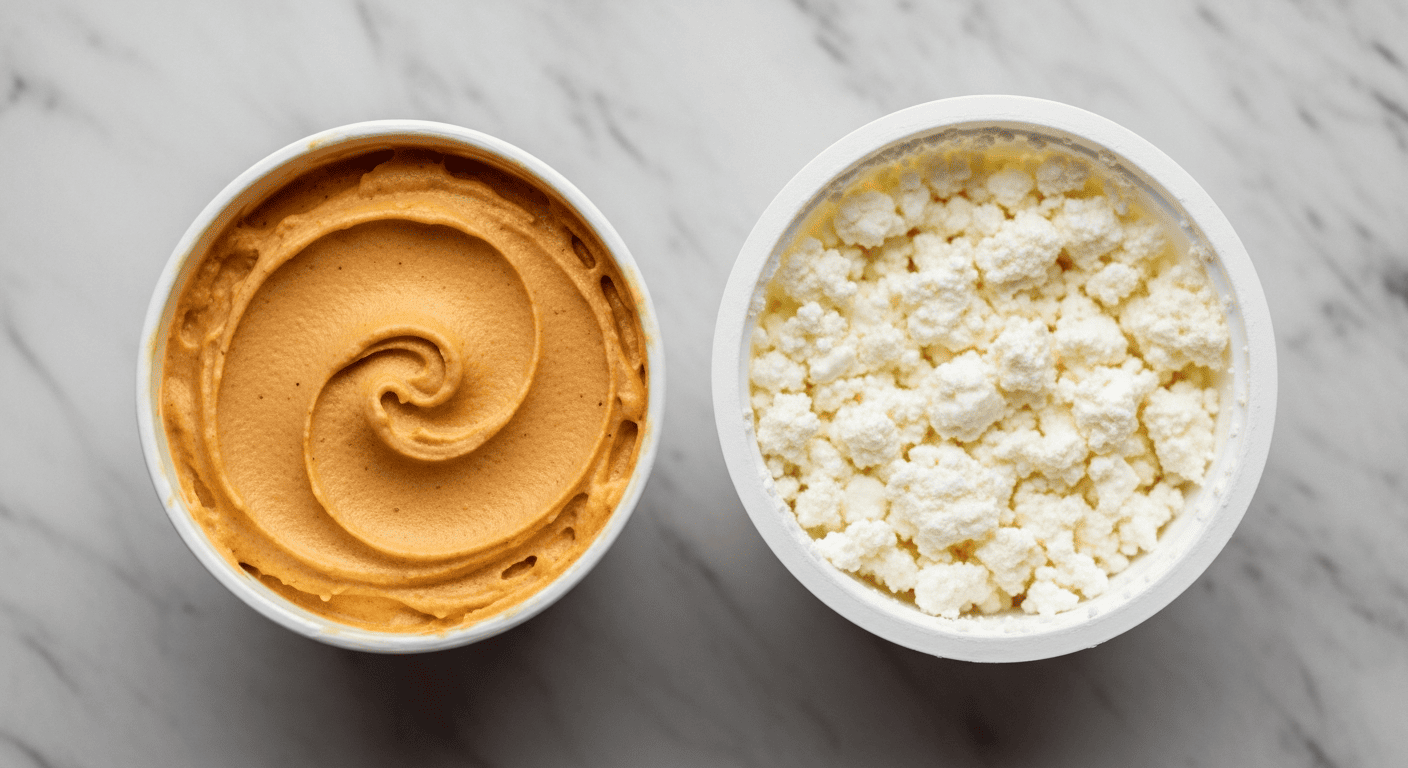
6. Cottage Cheese “Ice Cream” Tubs
The cottage-cheese-blended-into-dessert trend is genuinely clever as a DIY hack — a blender and five minutes gets you the same thing. The pre-made tubs charge dessert prices for what is, ingredient-for-ingredient, a much cheaper blend-it-yourself situation.
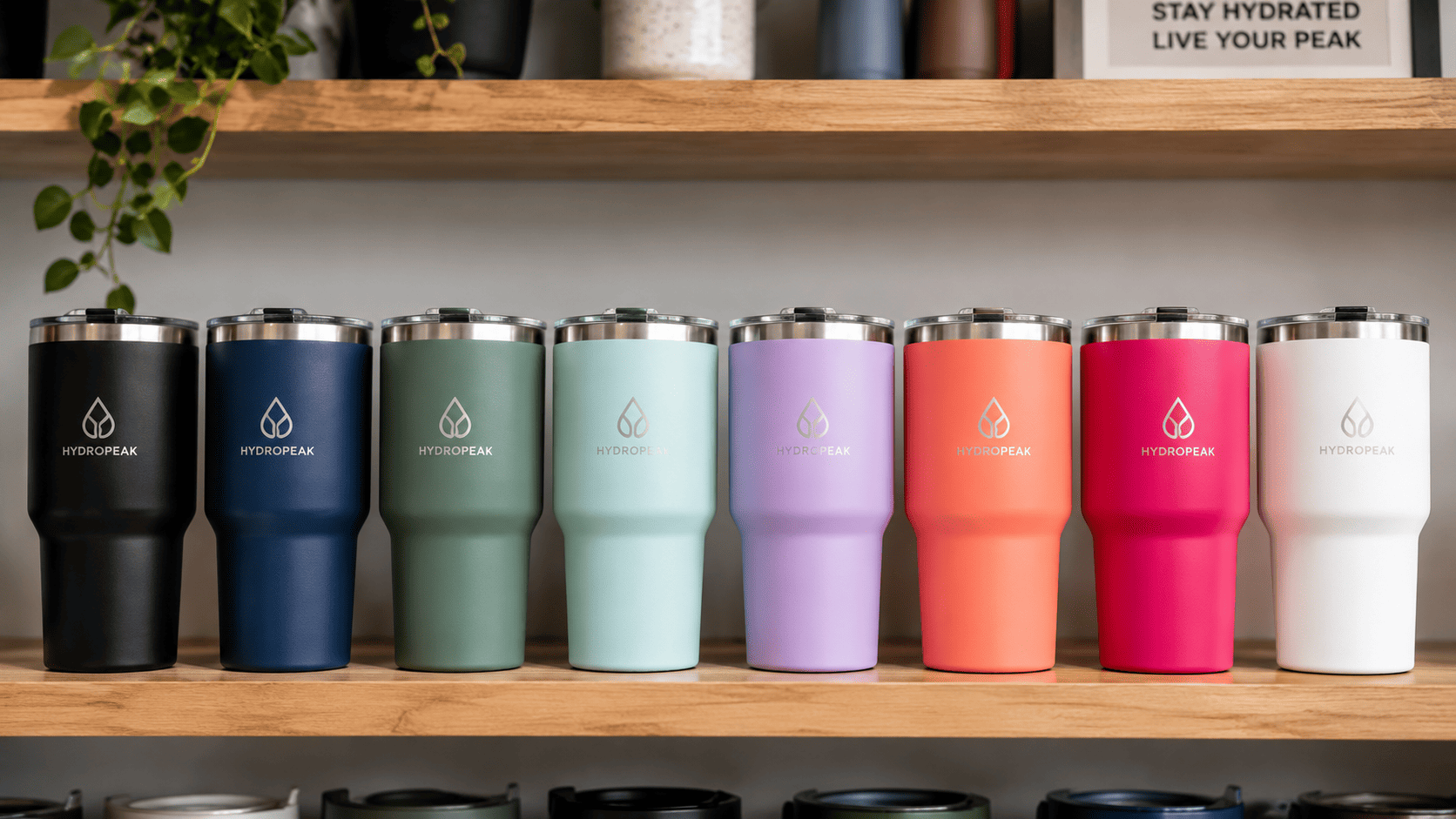
7. Another Giant Insulated Tumbler
One good tumbler keeps ice frozen for a full workday. A fourth one in a new seasonal colorway keeps nothing that the first three didn’t already handle. This is less about hydration and more about the collecting instinct dressed up as a health habit.
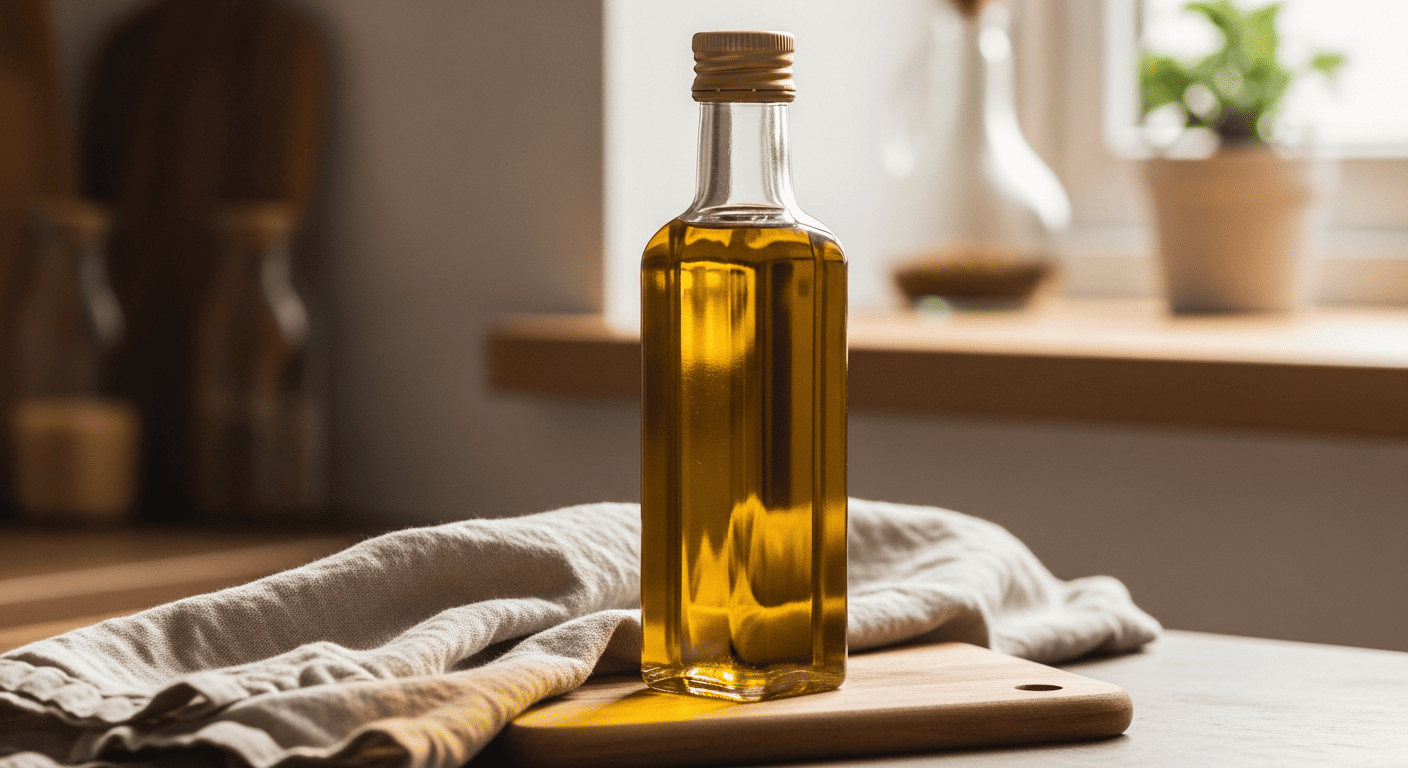
8. Fancy “Finishing” Olive Oil for Everyday Cooking
Beautiful bottle, beautiful counter presence, and often used for sautéing — which wastes the delicate flavor a finishing oil is built for. Keep one small finishing bottle for raw drizzling, and cook with a solid, unremarkable everyday olive oil. Your pan doesn’t know the difference.
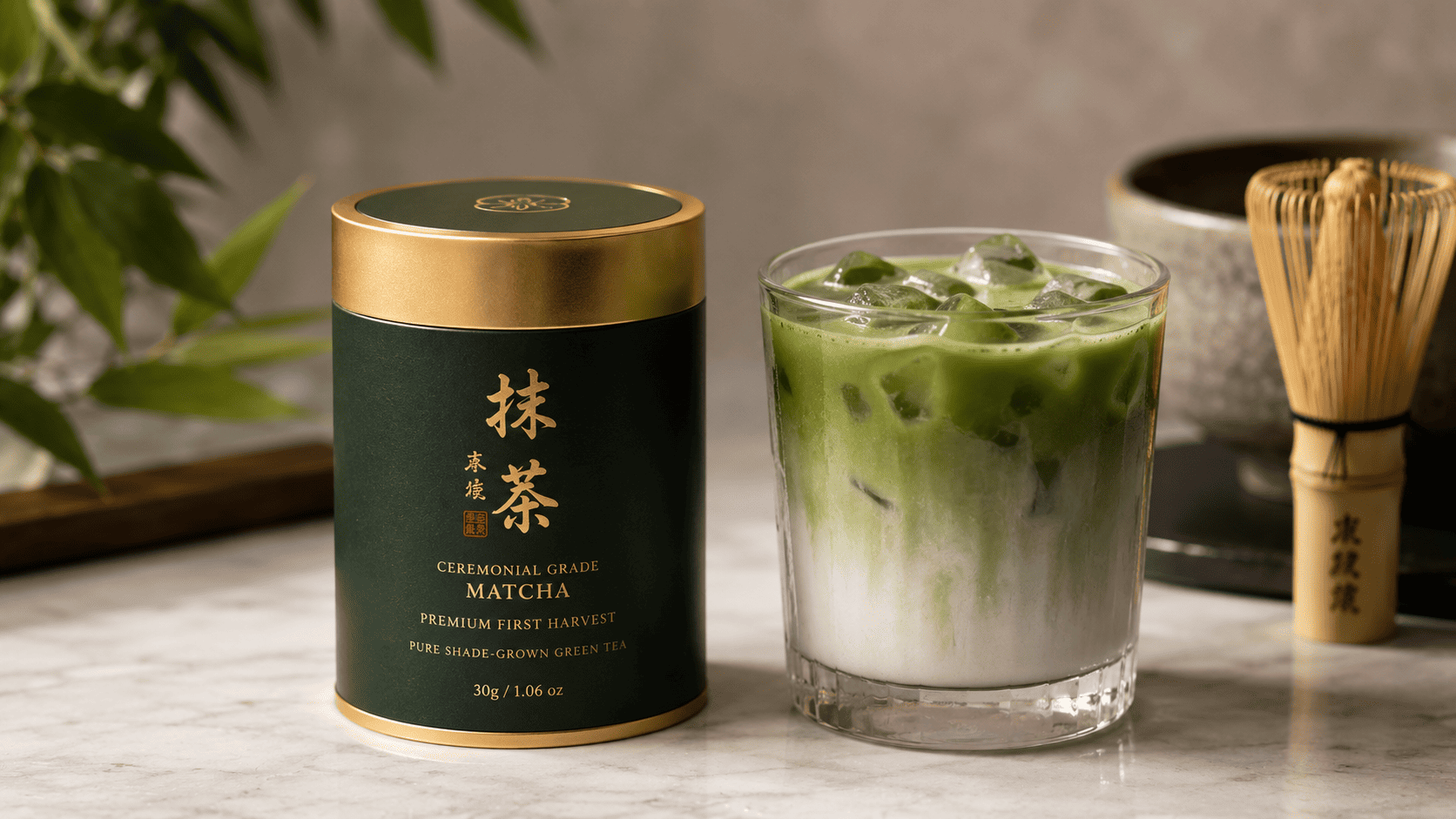
9. Ceremonial-Grade Matcha for Everyday Lattes
Ceremonial grade is delicate, meant for water alone, and gets overwhelmed the moment milk and sweetener enter the picture. A culinary or “latte” grade is bolder, stands up to milk, and typically costs half as much — save the good tin for the quiet bowl, not the ice and oat milk.
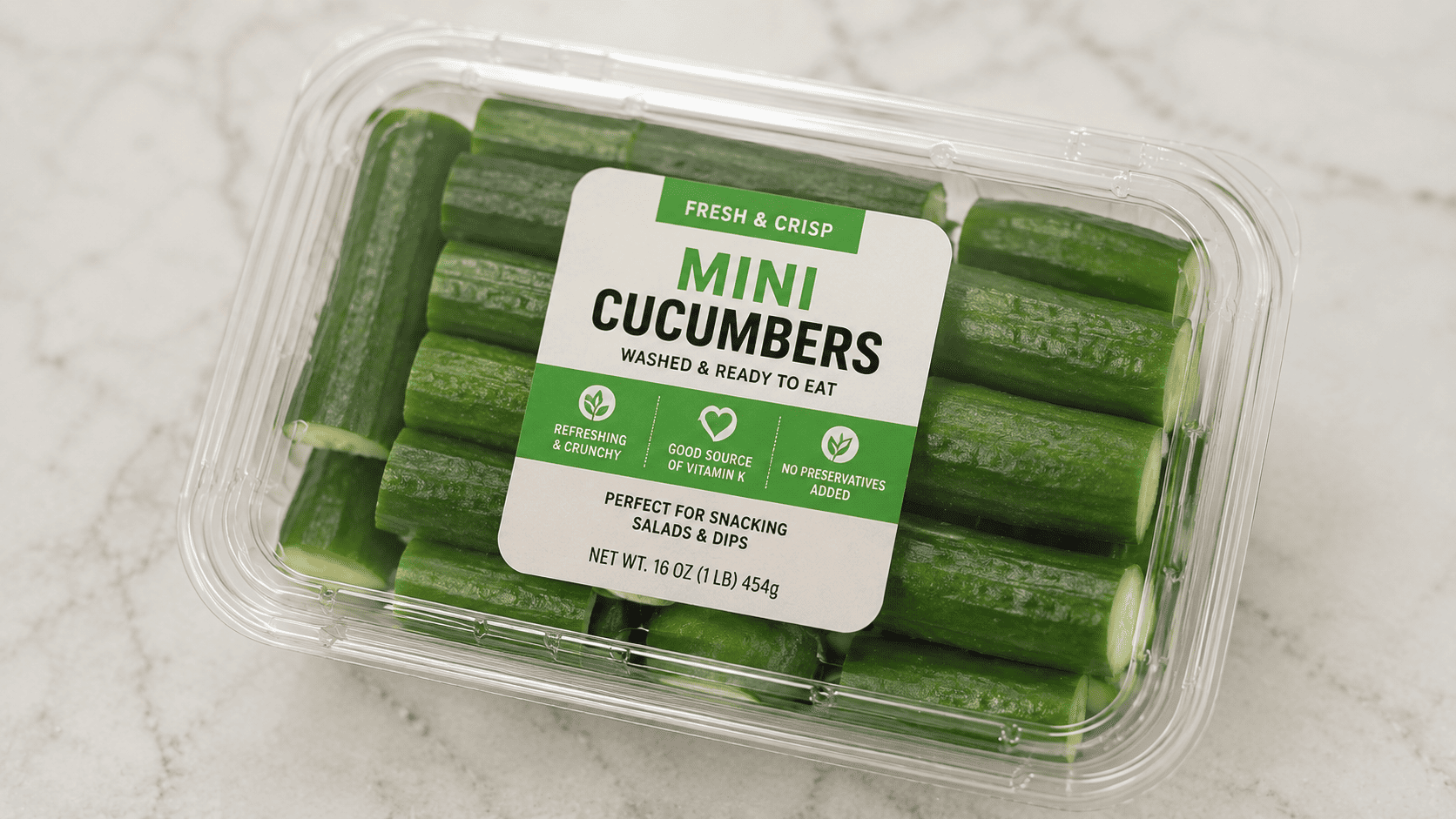
10. Pre-Cut Mini Cucumbers
Whole cucumbers, cut into spears, do the exact same job in about ninety seconds. The pre-cut version can cost two to three times more per pound for the convenience of skipping a task most people already have the tools for.
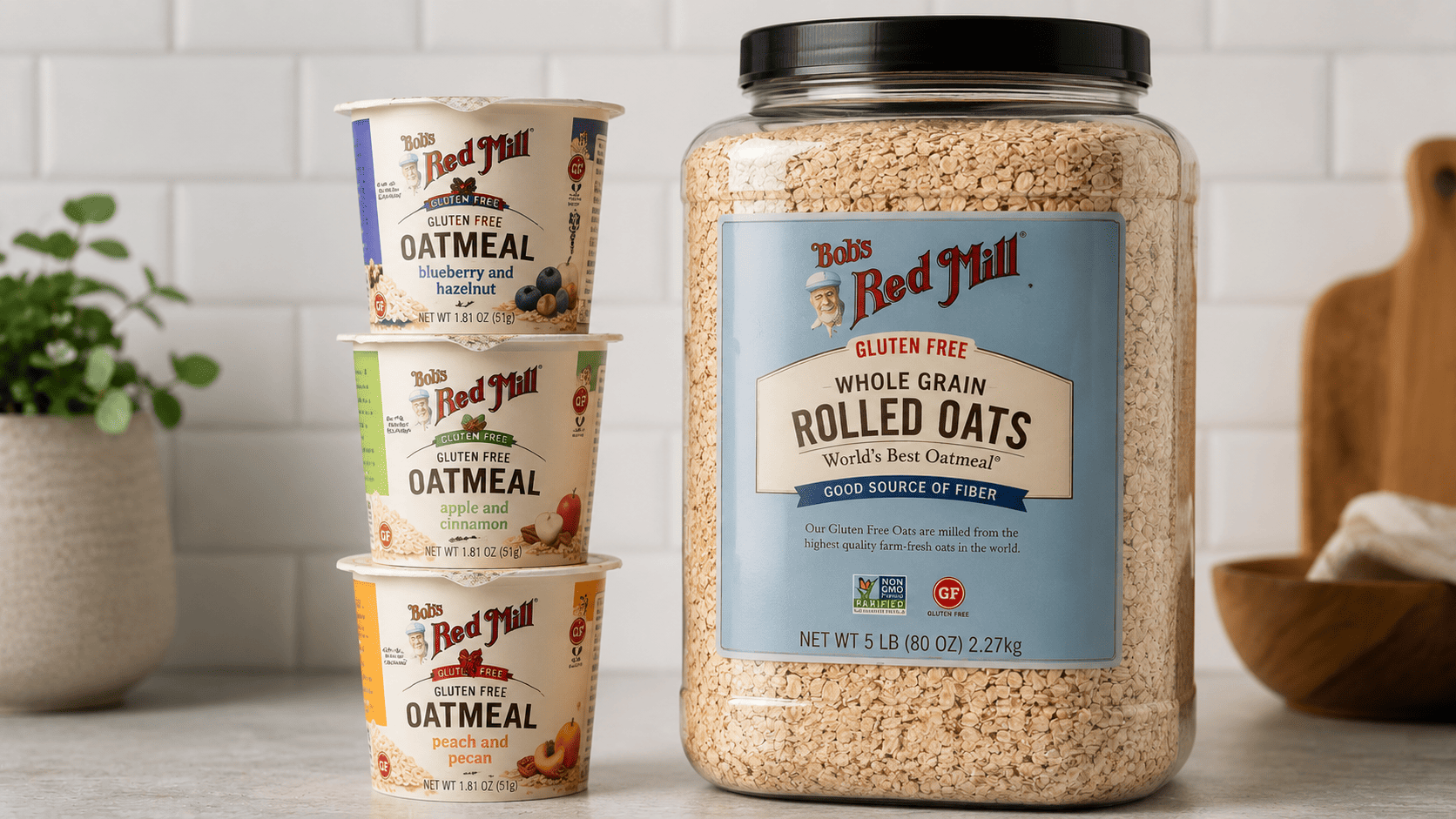
11. Single-Serve Oatmeal Cups
A tub of plain oats, portioned into jars once on a Sunday, costs a fraction of the individually wrapped cups and produces far less packaging waste. The only thing the cup buys you is not owning a spoon and a bowl for ninety seconds.
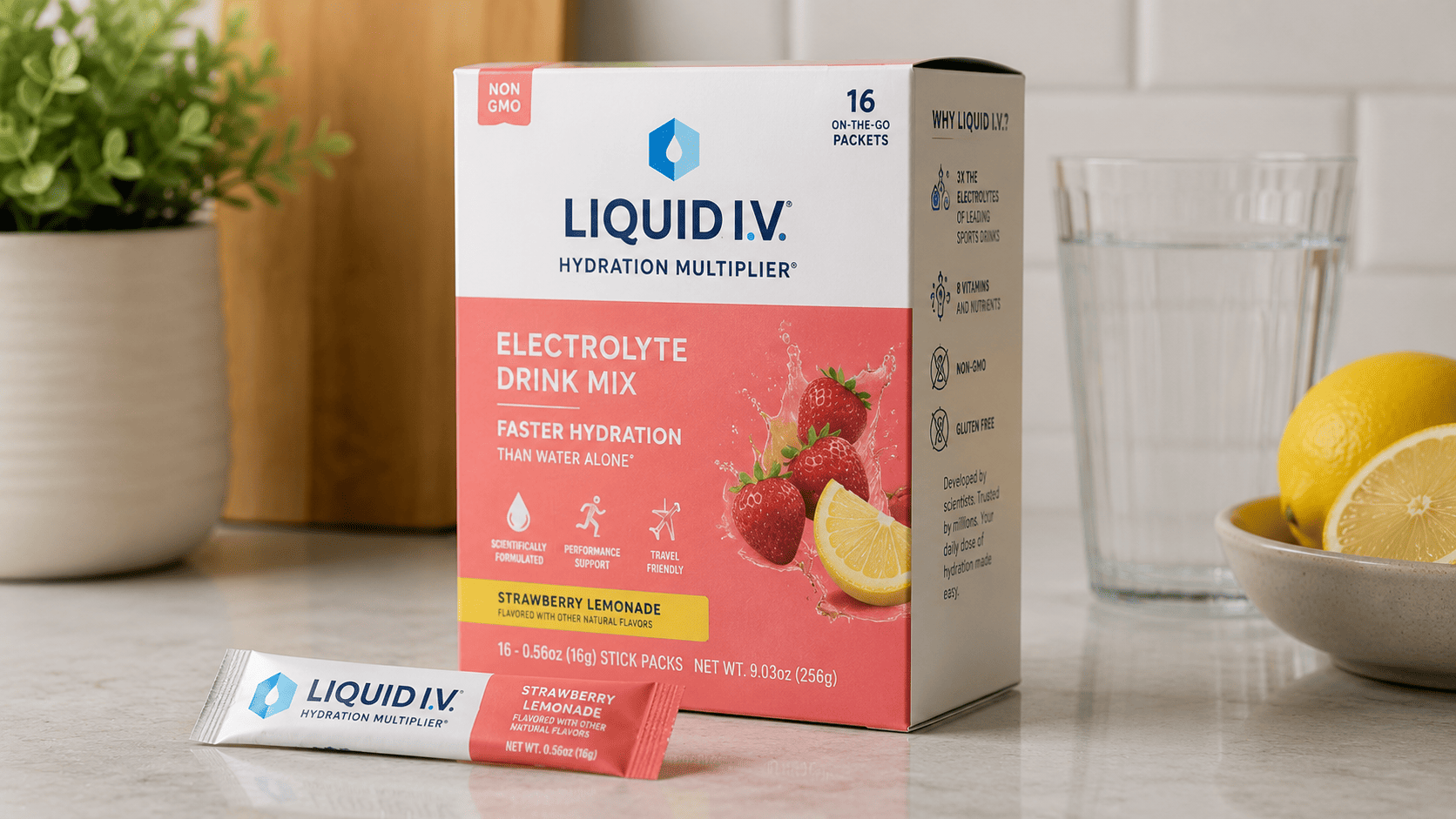
12. Electrolyte Packet Multipacks
Genuinely useful after real sweat loss — a hard workout, a hot flight, a stomach bug. Genuinely unnecessary stirred into a normal glass of water on a normal Tuesday. A pinch of salt and a squeeze of citrus in water gets most people the same result for pennies.
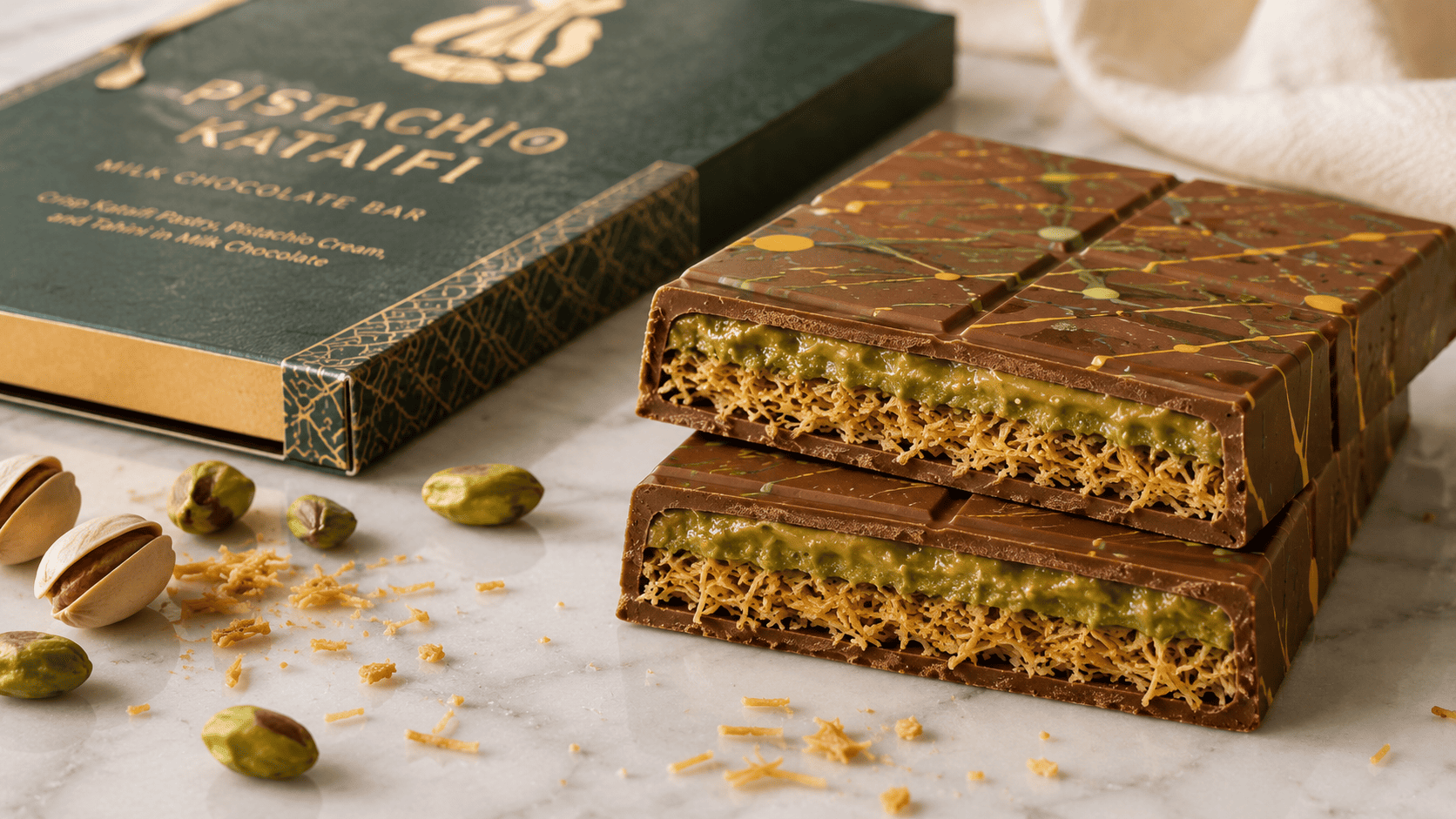
13. Dubai Chocolate Bars
The pistachio-kataifi bar is delicious and also, at this point, a demand-driven markup story more than a chocolate story. A knock-off from a smaller chocolatier or a homemade version — melted chocolate, toasted shredded phyllo, pistachio spread — gets you 90% of the experience for a third of the price.
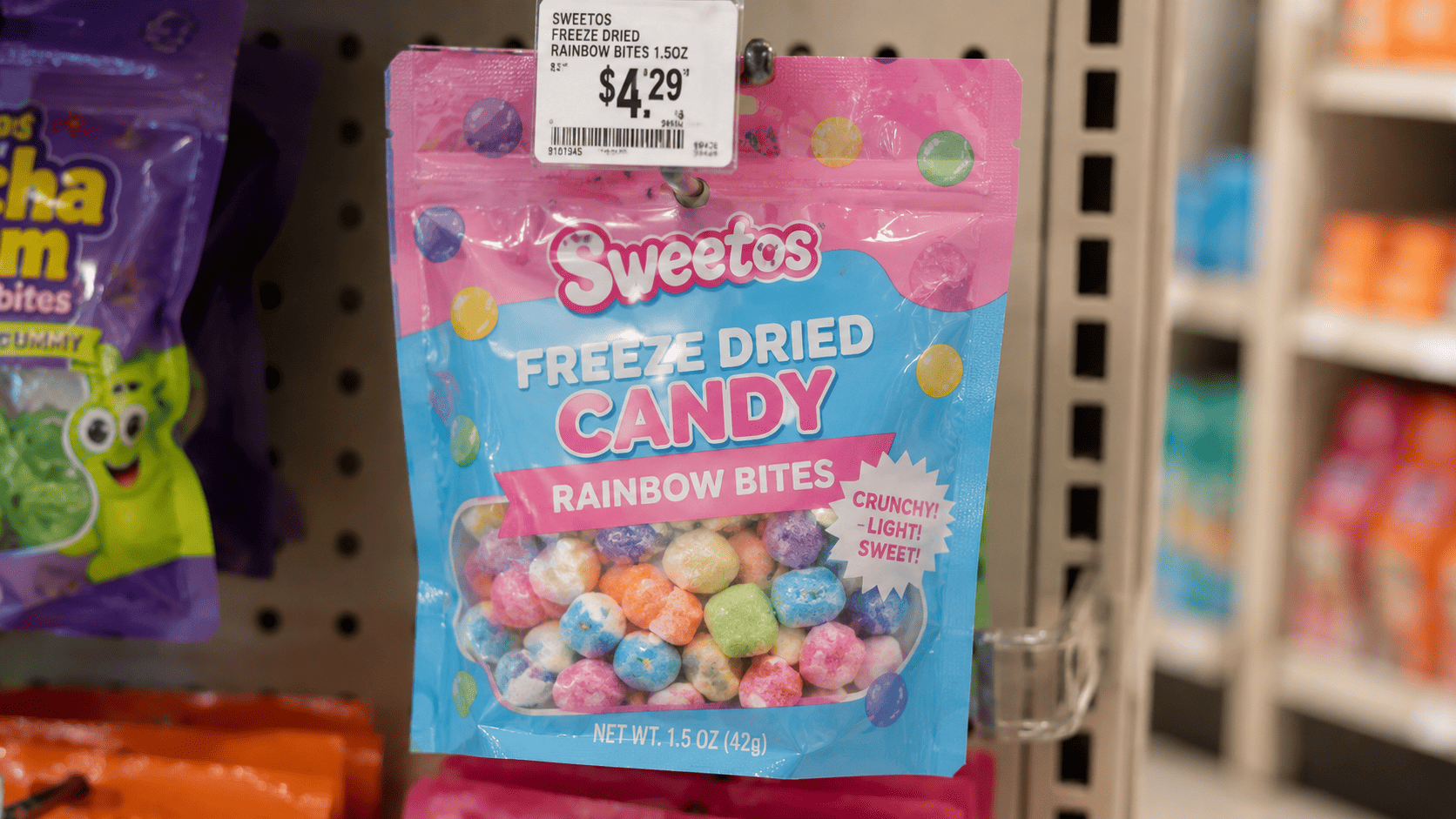
14. Freeze-Dried Candy
Fun texture, real novelty, and a price per ounce that rivals fine cheese. It’s the same candy, put through a process that mostly removes water and adds cost. Buy it occasionally as a treat, not as a pantry staple — the markup is the actual product here.
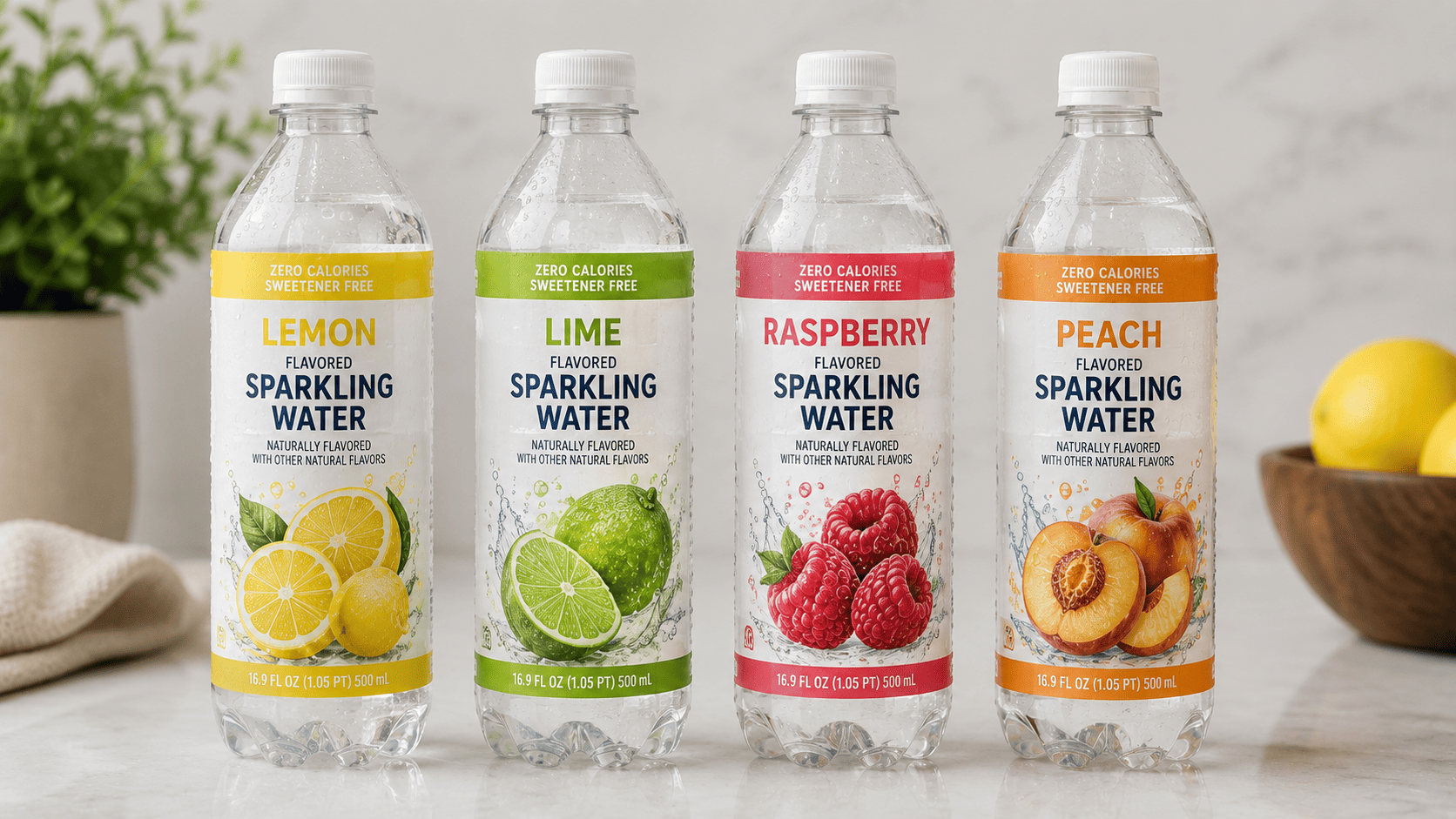
15. Flavored Sparkling Water Multipacks You Buy “Just to Try”
Every new limited flavor drop doesn’t need its own case in your cart. Half the appeal is the collecting itself — the pastel cans, the seasonal name — not the drink underneath. Pick one or two favorites and stop restocking novelty flavors “just in case.”
De-Influencing FAQ
None of this is about deprivation. It’s about noticing which purchases are actually yours, and which ones were quietly written by an algorithm that’s never once opened your fridge.
The best-stocked kitchen this summer probably isn’t the fullest one. It’s the one where everything on the shelf actually gets eaten.