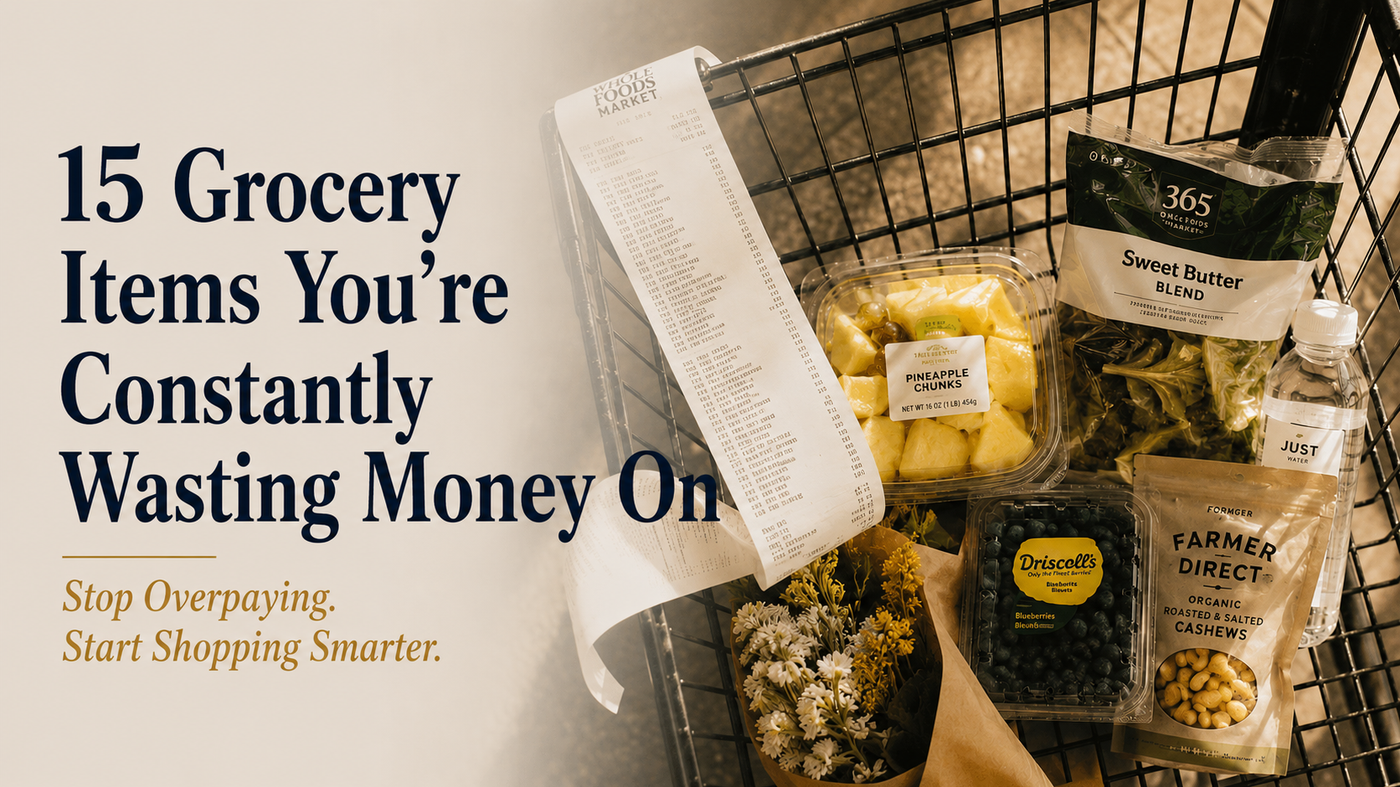
15 Grocery Items You’re
Constantly Wasting Money On
None of these are scams. They’re worse — they’re small, reasonable-feeling choices that quietly skim a few dollars off every trip, until the average family is throwing away $1,800 a year without ever noticing the leak.

Nobody walks into a store planning to overspend. You grab the tub of pre-cut pineapple because the line is long and the whole one looks like work. You take the bag of pre-shredded cheese because it’s right there. Each decision feels like nothing — fifty cents here, a dollar there.
Then the receipt is longer than you expected, again, and you’re not sure why.
Here’s the uncomfortable backdrop: the U.S. throws away somewhere between 30 and 40 percent of its food supply, and a family of four loses an estimated $1,800 a year to food that never gets eaten. A surprising amount of that leak starts at the shelf — with items practically designed to cost more or spoil faster. These are the fifteen that do it most quietly.
Paying Someone to Do Five Minutes of Knife Work
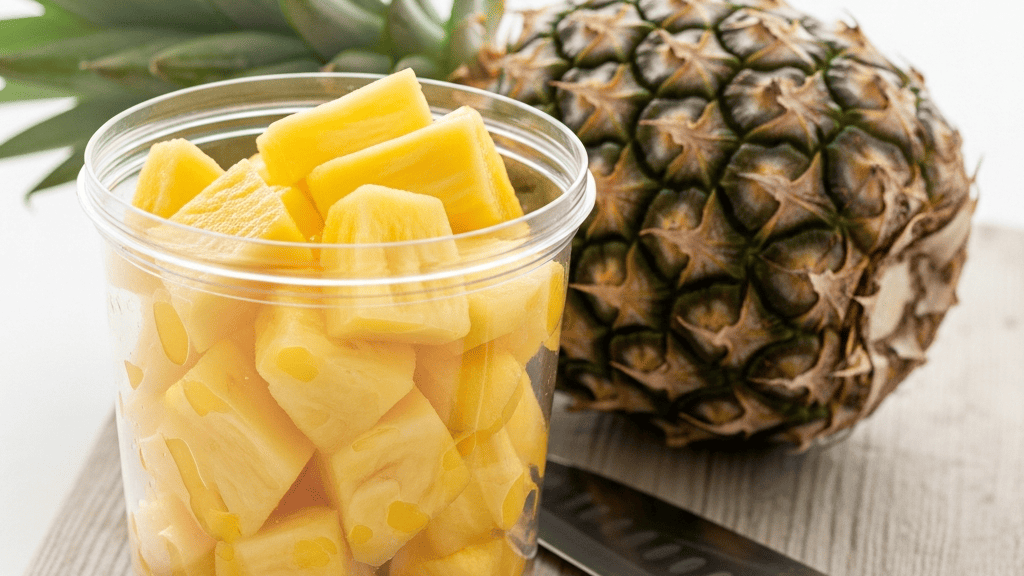
The premium isn’t the food. It’s the labor — and the plastic it comes in.
Every item in this group is real food sold at a steep upcharge for one reason: someone already cut it. That’s the trade. And it’s almost always a bad one.
1. Pre-cut fruit and vegetables
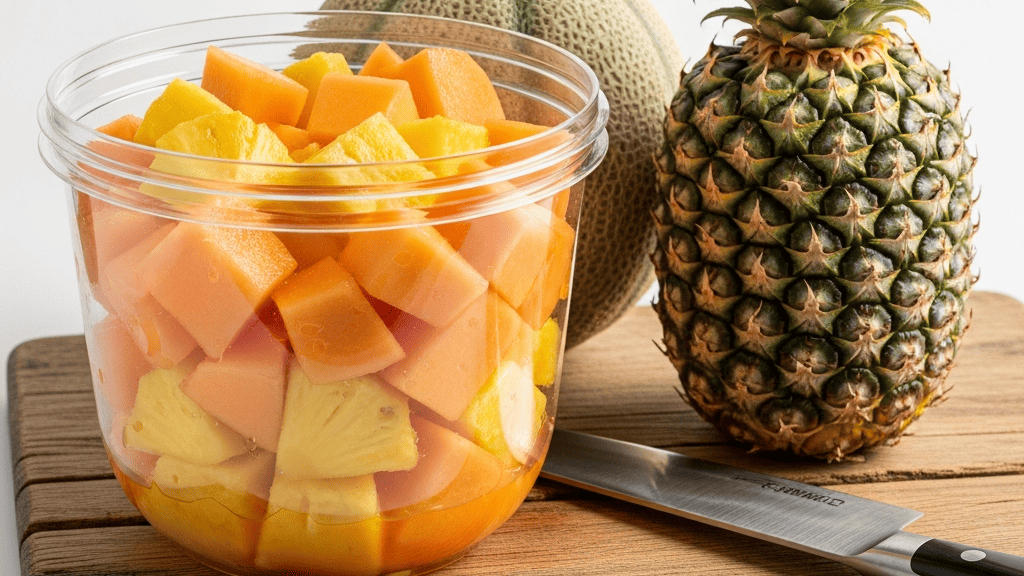
Chopped, cubed, spiralized — produce that’s been prepped runs an average of about 40% more, and the worst offenders are wild: testing by Consumer Reports’ ShopSmart found pre-cut kale carrying a 317% markup and pre-cut onions an eye-watering 392% — roughly $4.65 a pound versus 99 cents. You’re paying nearly five times the price to skip a task that takes minutes.
There’s a quieter cost, too. Once produce is cut, its protective skin is gone and the clock speeds up — it spoils faster, so more of it ends up in the bin. The smart move: buy whole, prep the moment you get home, or reach for the freezer aisle for things like riced cauliflower and diced peppers, where frozen genuinely wins on both price and waste.
2. Bagged salad kits
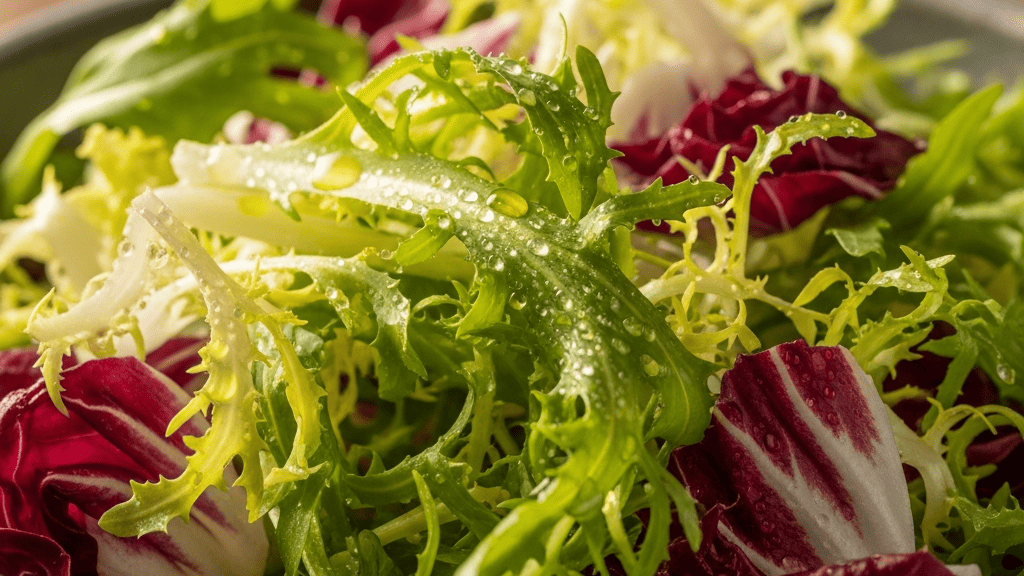
The most predictable casualty in any fridge. A bag of pre-washed greens with a little pouch of dressing and croutons feels efficient, but it’s priced like a delicacy and wilts on a deadline. Bagged greens are one of the foods people most often watch turn to slime before they open them.
A head of romaine or a bunch of spinach costs a fraction per serving, keeps longer, and tastes fresher. If salads are your thing, building your own is cheaper and better — our fresh salad recipes are a good place to steal ideas.
3. Pre-shredded and pre-sliced cheese
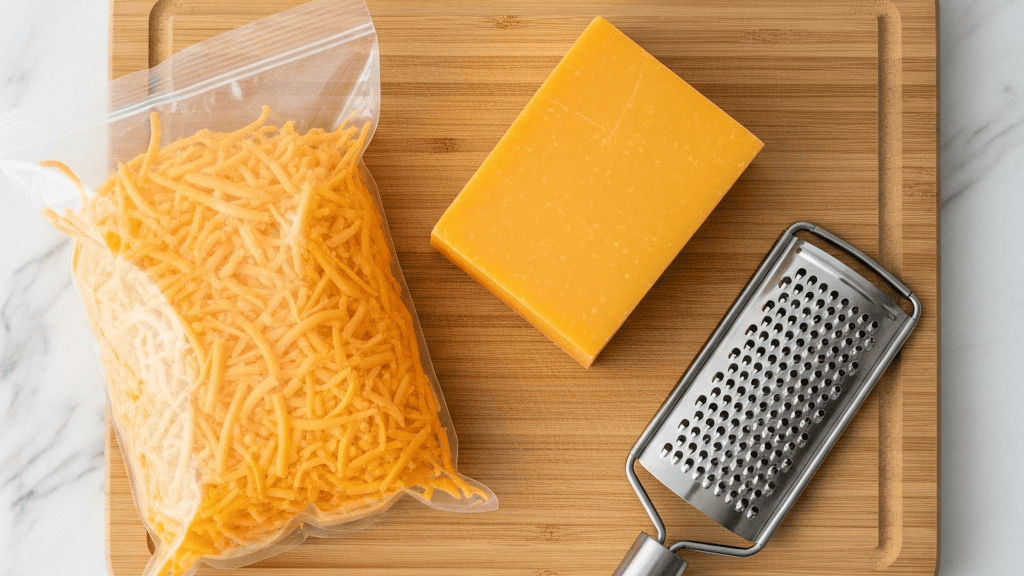
Two hidden costs hide in that bag. First, price: shredded cheese costs more per ounce than a block, and an 8-ounce block grates into noticeably more cheese than an 8-ounce bag of pre-shredded. Second, that fine powdery coating is an anti-caking agent — usually cellulose, used at low levels and considered safe, but it’s there to stop clumping, not to help you. Its side effect is that pre-shredded cheese resists melting into that smooth, glossy pull you actually want.
Buy the block. Grate what you need, and freeze the rest spread flat so it doesn’t clump. Cheaper, meltier, fewer fillers.
4. Pre-marinated and pre-seasoned meat
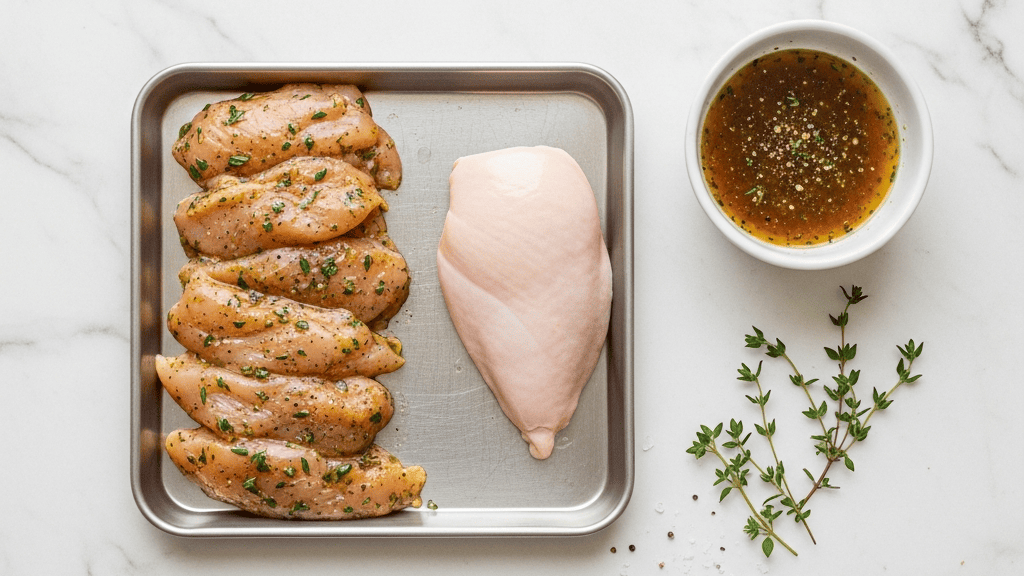
Marinated chicken and seasoned pork can run up to 60% more than the plain cut — and the marinade does more than add flavor. It’s a convenient place to move meat that’s closer to its sell-by date, with strong seasoning covering for it.
Buy the plain cut, ideally on a manager’s markdown, and make a marinade from oil, acid, and whatever’s in your spice drawer. Thirty seconds of whisking, a fraction of the price, and you actually know what’s in it.
When the Wrapper Costs More Than What’s Inside
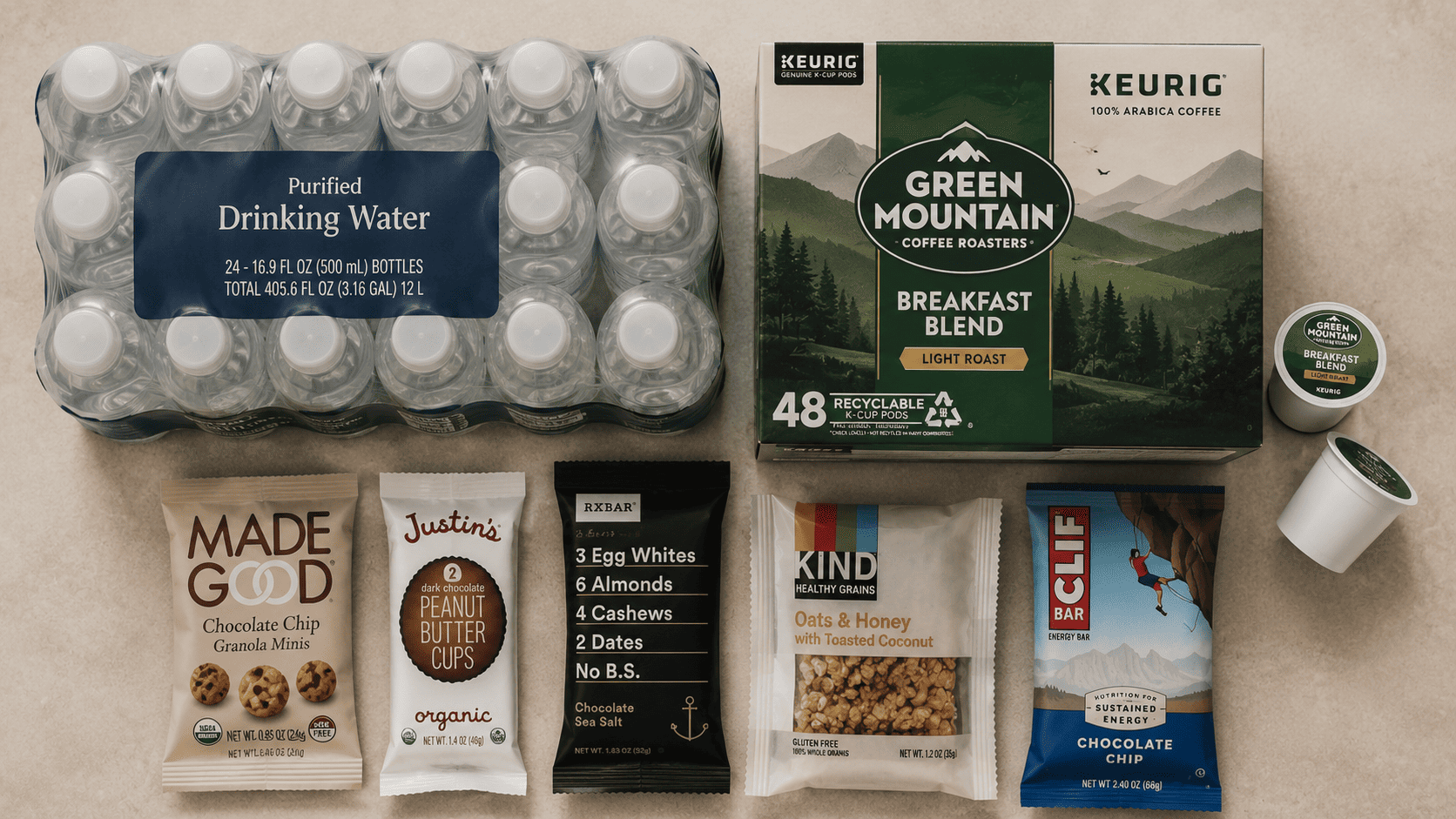
Portioning is a service. You’re paying full price for it every time.
This group sells you a number you already had: small portions. The product is fine. The packaging is the upcharge.
5. Bottled water
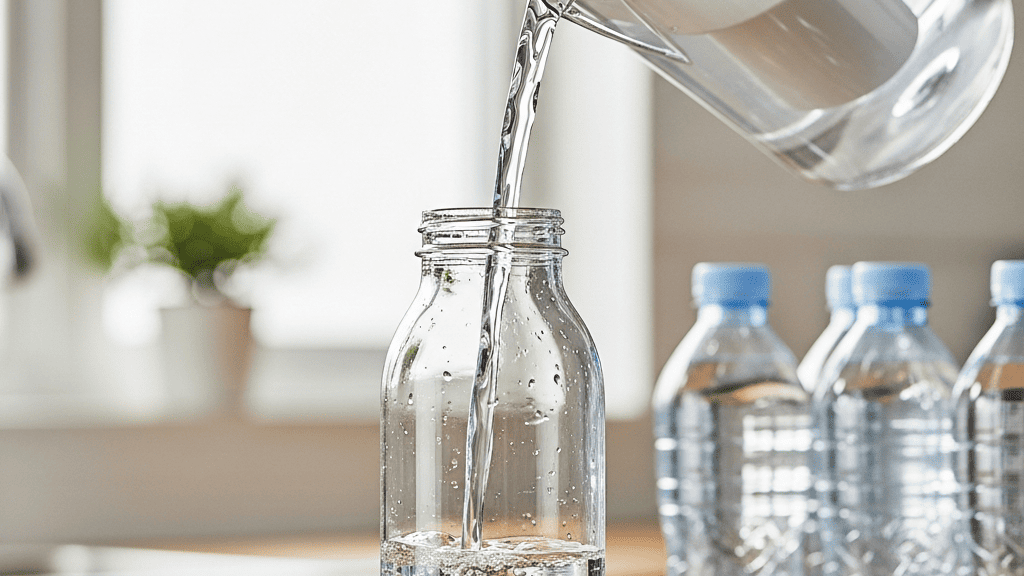
The starkest markup in the entire store. Tap water costs a fraction of a cent per gallon; buy it by the single bottle and you’re paying somewhere around $7 to $12 a gallon — hundreds to thousands of times more for something flowing out of your kitchen faucet. And regulators set bottled-water safety standards no stricter than those for tap.
A reusable bottle and a basic filter pay for themselves in weeks. Save bottled water for travel, emergencies, and the times tap genuinely isn’t an option.
6. Single-serve snack packs
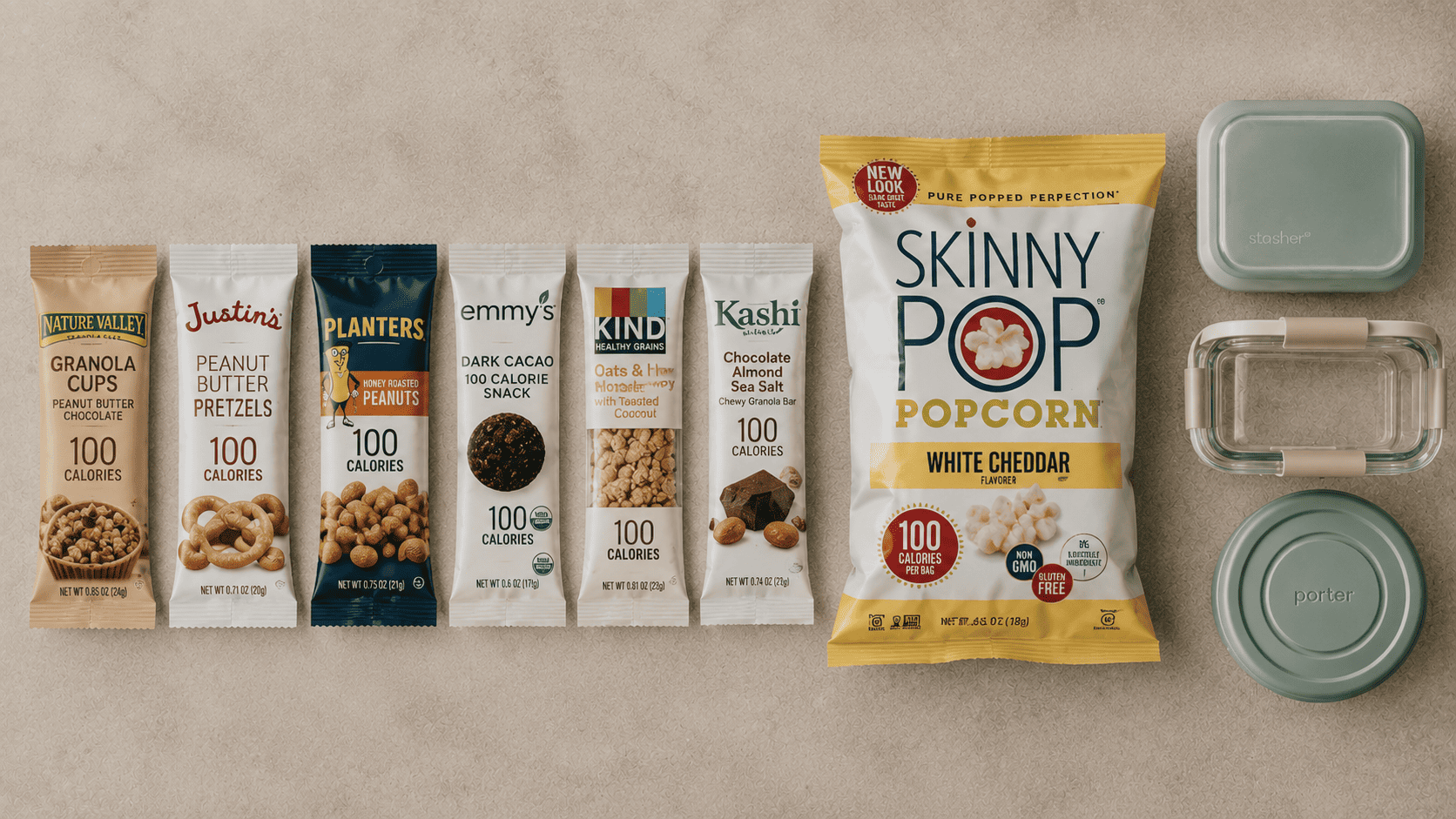
The 100-calorie packs, the snack-size chip multipacks, the little cups of crackers. You’re buying air, plastic, and a portion line you could draw yourself for free. Per ounce, the markup over the full-size bag is substantial.
Buy the big bag and spend two minutes with a box of reusable containers on grocery day. Same portions, a fraction of the cost — and the same trick rescues most easy snack routines from the convenience tax.
7. Granola, protein, and energy bars
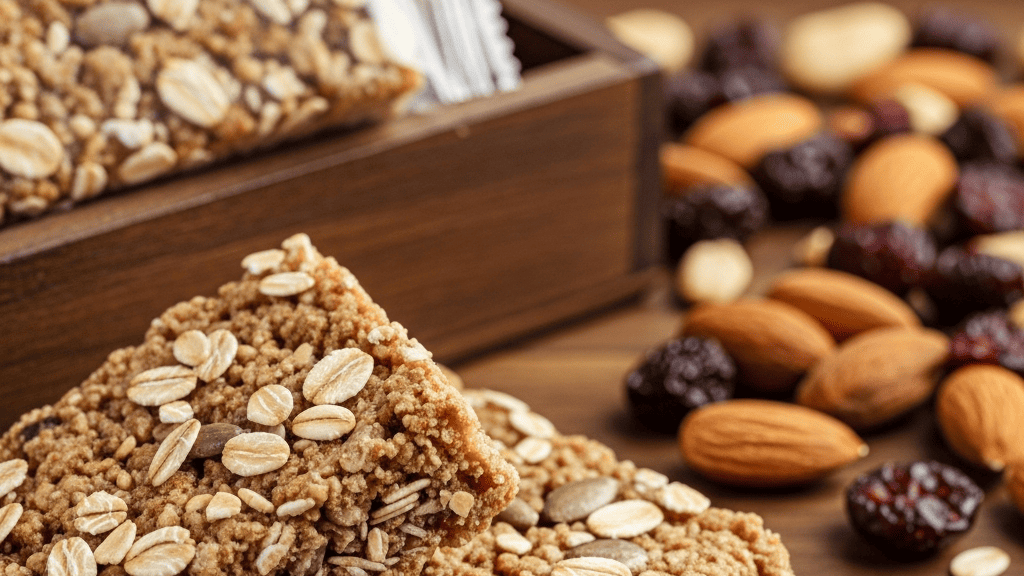
Priced per gram, boxed bars are one of the most expensive ways to buy oats, nuts, and sugar — and a lot of them are, nutritionally, candy with a wellness label. The convenience is real, but so is the premium.
A batch of homemade oat bars or a handful of trail mix portioned at home costs a fraction and lets you skip the mystery binders. Even a banana and a spoon of peanut butter beats most bars on price and staying power.
8. Coffee pods (K-cups)
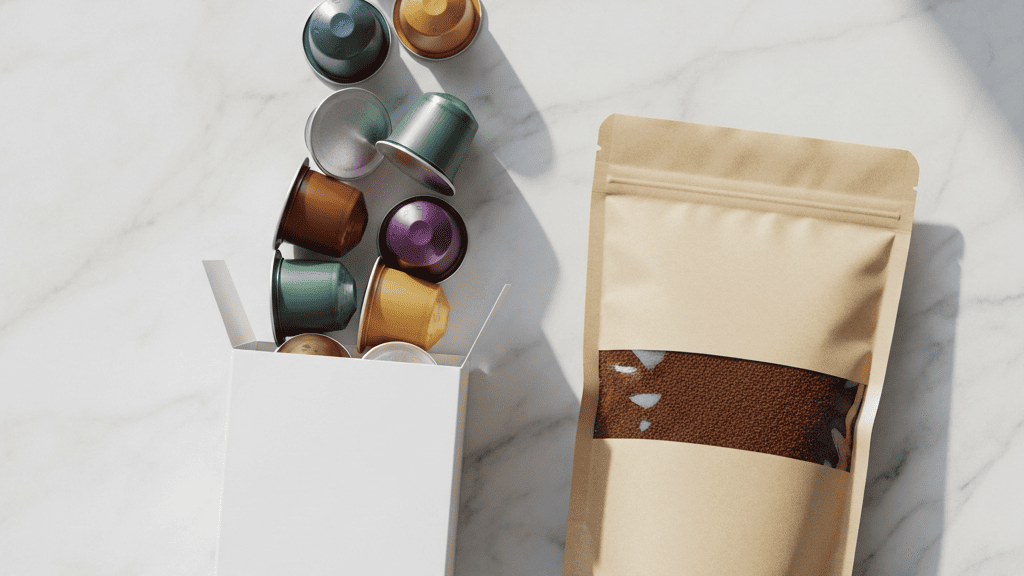
The little capsules feel cheap one at a time, which is exactly the trap. Do the math by weight and the coffee inside a pod works out to roughly $40 a pound or more — several times the price of the same brand as ground coffee. A two-cup-a-day pod habit can cost hundreds of dollars more a year than a drip machine or French press.
A refillable pod for your existing machine, or a $20 French press, closes most of the gap — and brews fresher. If you want to fall back in love with the ritual rather than the capsule, our café-style drink recipes are built for exactly that.
The Brand Premium on Identical Ingredients
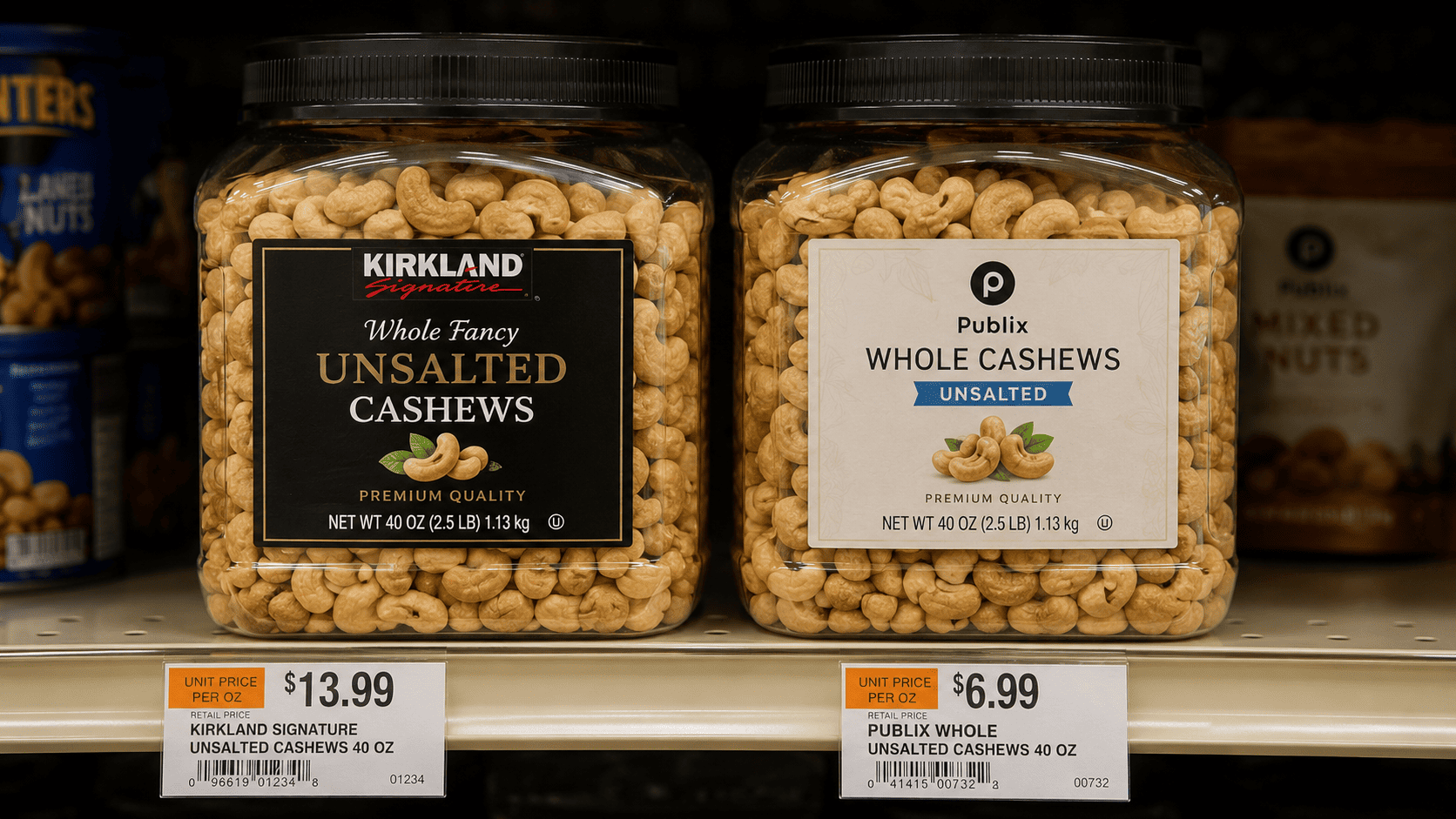
Flip the package over. The manufacturer line often gives the game away.
In blind taste tests, Consumer Reports found store brands matched or beat national brands about as often as not, and store brands typically cost 25–30% less. For single-ingredient staples especially, the store version is frequently made by the very same manufacturer, on the same line — different label, lower price.
Consumer Reports, “Store-Brand vs. Name-Brand Taste-Off”
9. Name-brand spices
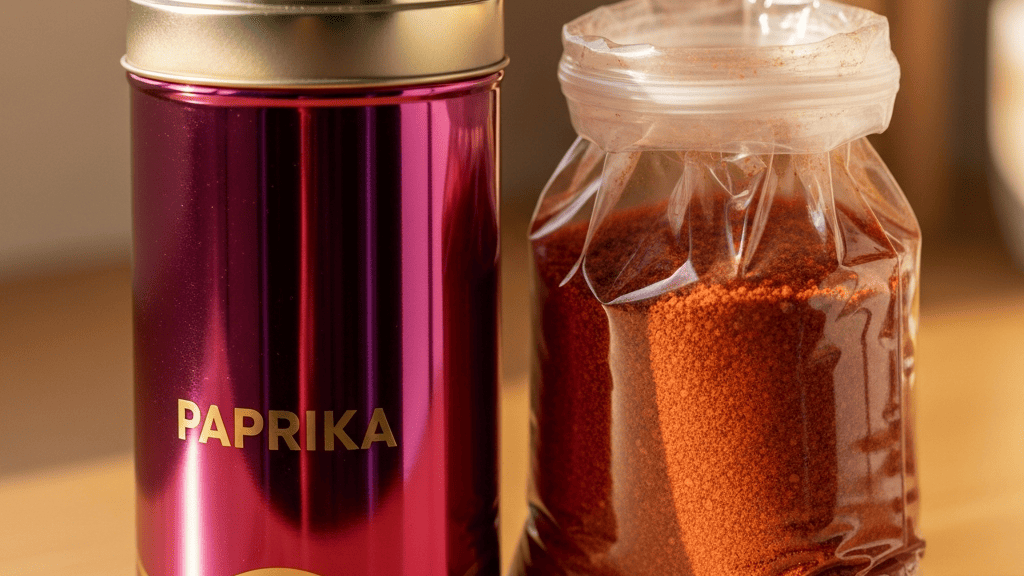
Those iconic little tins carry a markup near 100% over the identical spice sold elsewhere in the same store. Cumin is cumin. Paprika is paprika.
The international aisle and bulk bins often sell the same spices in plain bags for a fraction of the branded price. Buy small amounts there so they stay fresh, and skip the premium for the logo.
10. Branded baking staples
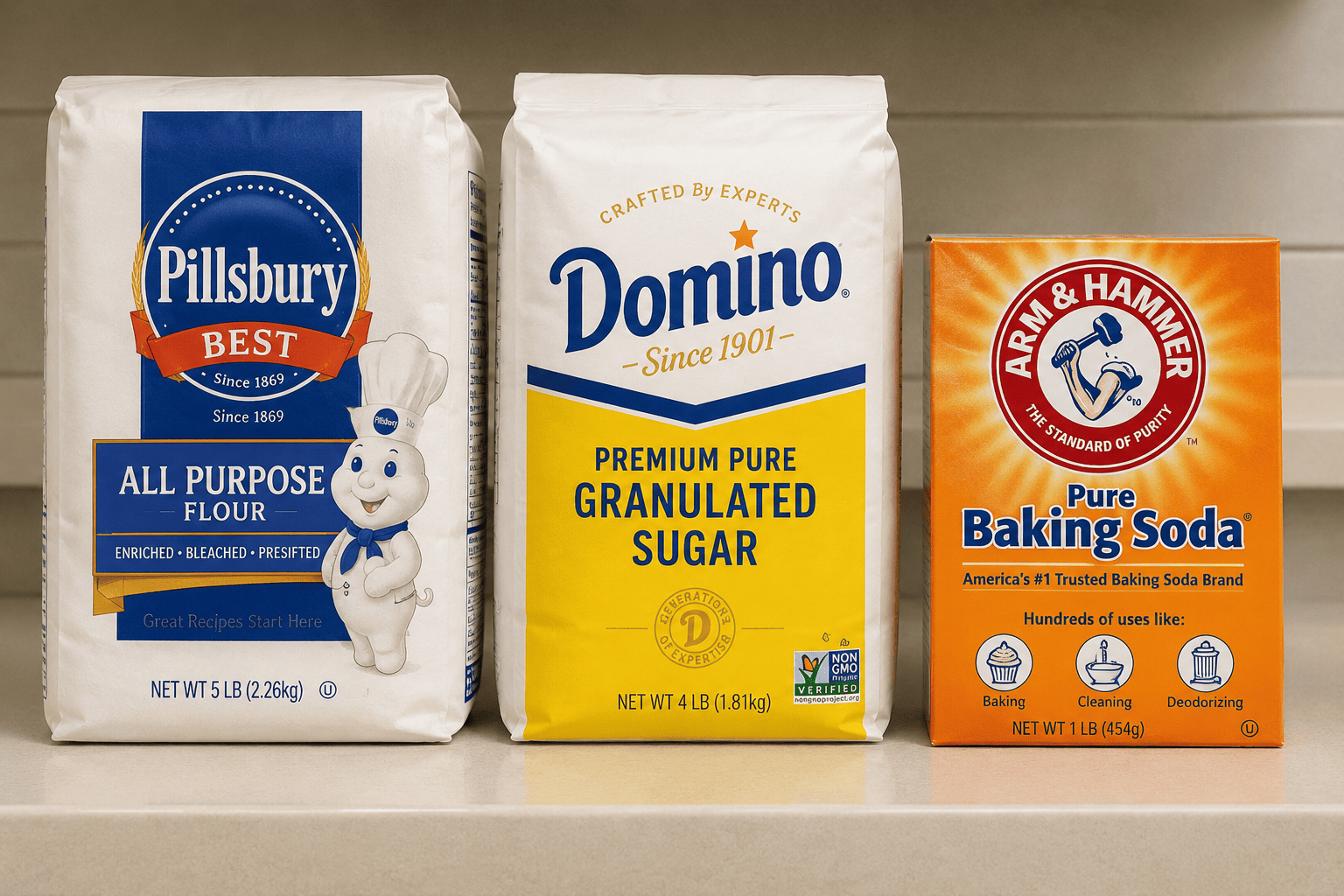
Flour, sugar, salt, baking soda. These are single-ingredient commodities with no formula to differentiate — store-brand and name-brand are, in practice, the same thing. Professional chefs lean heavily on generics for exactly these pantry staples.
Default to the store brand on anything with a one-word ingredient list. Across a full cart, those small gaps stack into real money.
11. Bottled salad dressing
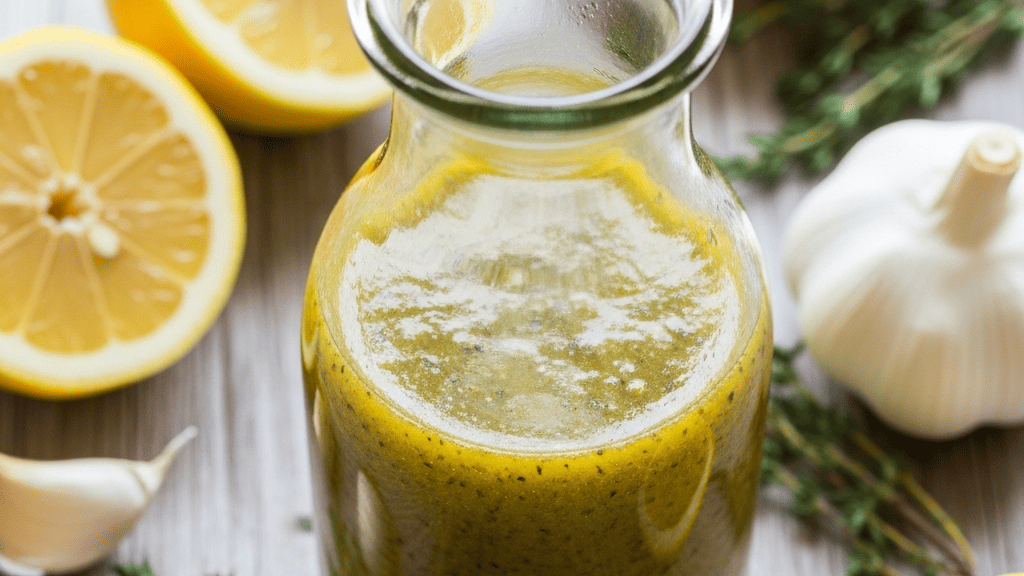
A bottle of vinaigrette is mostly oil, vinegar, and water you already own — sold back to you with emulsifiers and a brand tax. A basic dressing is three ingredients and thirty seconds in a jar.
Whisk oil, acid, and a little mustard or honey, and you’ve got something fresher and cheaper than anything bottled — the same logic behind making your own dips and dipping sauces at home.
12. Jarred minced garlic and ginger

You pay a premium for pre-minced garlic in a jar, and you lose the very thing you’re cooking with it for: fresh garlic’s bright punch fades fast once it’s jarred in liquid and preservatives.
A head of garlic costs pennies per clove. Mince a batch and freeze it flat, or in oil in an ice-cube tray, and you get convenience and flavor without the upcharge.
The Spoilage You End Up Paying for Twice

The most expensive food is the kind you buy and never eat.
Throwing food away is the purest form of wasted money — you paid full price for zero meals. Most of it traces back to two habits: buying produce out of season, and buying perishable things on optimism rather than a plan.
13. Out-of-season fresh produce
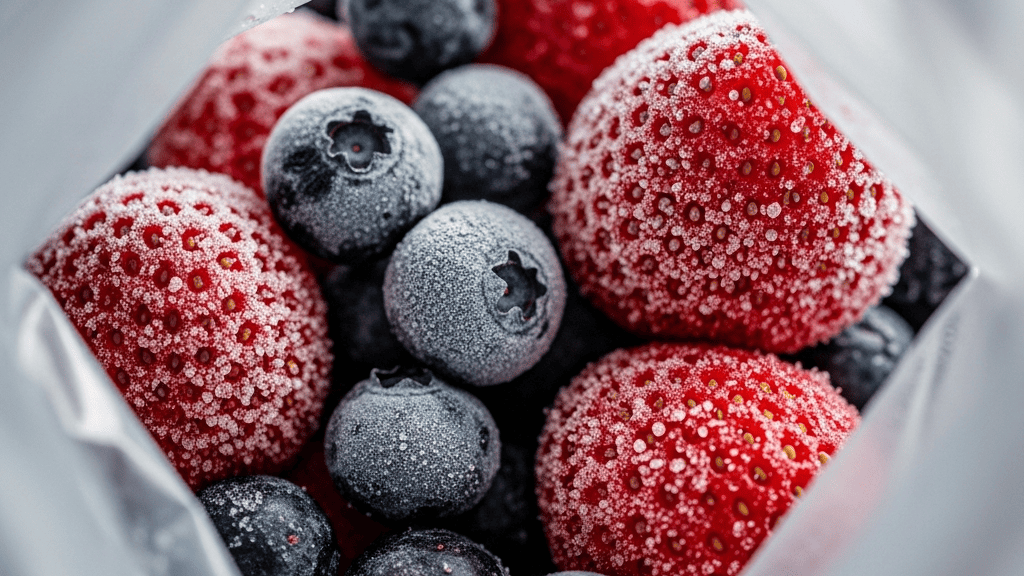
Fresh berries in January cost more, taste worse, and spoil faster — you’re paying a premium for fruit shipped a long way past its peak. Frozen produce, by contrast, is picked and frozen at the height of ripeness, which is often when its nutrients peak too.
Let the season — or the freezer aisle — choose your produce. For smoothies, baking, and cooking, frozen is usually cheaper, lasts for months, and lines up neatly with the kind of everyday whole foods linked to longer, healthier lives.
14. Pre-made guacamole and dips
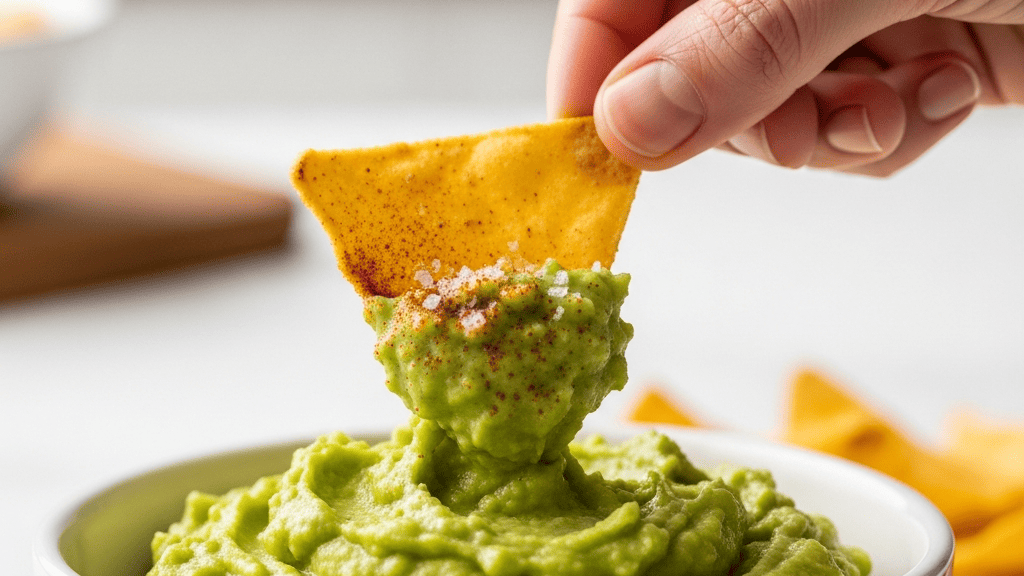
Tubs of guacamole, hummus, and queso carry a steep convenience markup over the few ingredients inside — and they’re built on a short shelf life, so half the tub often browns before it’s finished.
A couple of avocados, lime, and salt make guacamole in five minutes; a can of chickpeas blends into hummus for pocket change. Make the amount you’ll actually eat, and the waste disappears with the markup.
15. Microwave popcorn

Boxed microwave bags charge a real premium for what is, by weight, one of the cheapest snacks on the planet. A jar of popcorn kernels makes dozens of batches for the price of a single box of bags.
Pour a quarter-cup of kernels into a bowl, cover with a plate, microwave — or shake them in a pot with a little oil. You control the salt and butter, and you’ll wonder why you ever bought the bags.
The Convenience Markup, Item by Item
How much extra you pay for the “done-for-you” version, expressed as a percentage above the do-it-yourself price.
Note: Markups vary by store, region, and item. Figures are representative for illustrative comparison. Coffee pods shown as a cost-per-pound multiple, not a percentage.
Four Habits That Quietly Cut the Bill
Every item on this list is really one of four leaks in disguise. Plug these four, and the rest takes care of itself — no coupon-clipping required.
(NRDC estimate)
(Consumer Reports / ShopSmart)
5 “Savings” Beliefs That Quietly Cost You More
Some of the most expensive habits in the cart feel like the frugal choice. These five are worth a second look.
Grocery-Saving FAQ
None of this is about depriving yourself. It’s about noticing where the money actually goes — because almost every item here is sold on the same quiet promise: that you don’t have time, that the task is harder than it is, that the convenience is worth whatever it costs.
Usually it isn’t. The whole onion, the block of cheese, the bag of kernels, the bunch of spinach you’ll actually finish — they ask for a few extra minutes and hand you back real money in return. Maybe the smartest thing in your cart isn’t a product at all. It’s the five minutes you decide to keep for yourself.