“Fake” American Food:
The Truth Behind the Mockery
Somewhere on TikTok right now, someone abroad is holding a box of American cereal like it’s evidence. Here’s what’s actually different, what’s actually banned, and why an entire genre of comedy grew out of our grocery aisles.

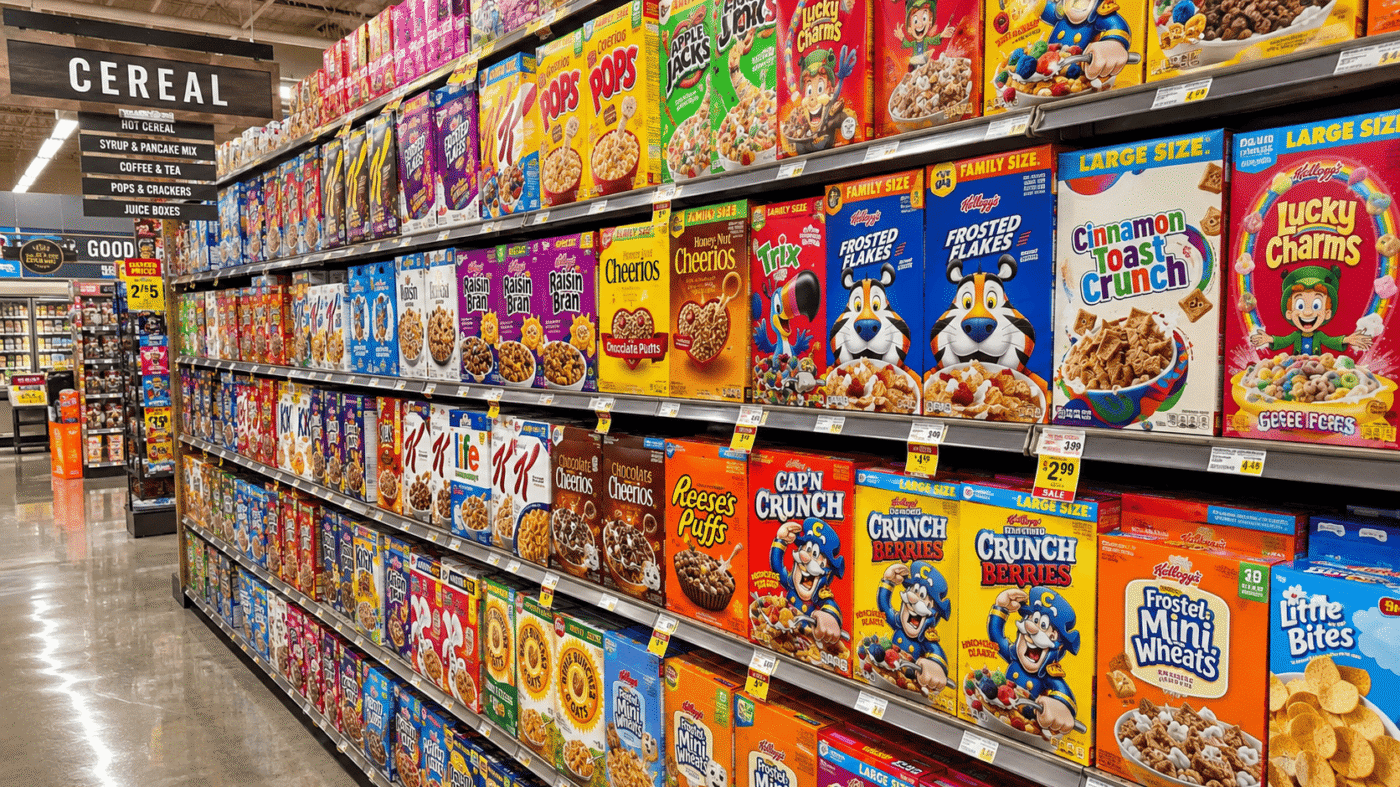
A box of Froot Loops sits on a kitchen counter in Berlin. Someone films it the way you’d film a strange bug. The colors look like a warning label. The caption reads some version of “America, what is this.” It gets four million views by Thursday.
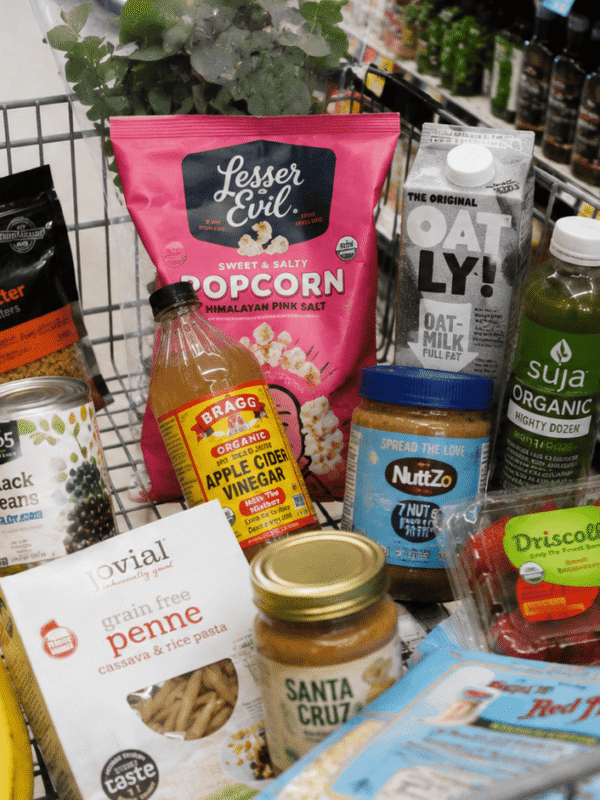
This is a genre now. Grocery hauls filmed like crime-scene footage. European exchange students narrating the cereal aisle like nature documentarians. A running joke that American food is, somehow, not quite real food — more like a chemistry set shaped like breakfast.
Some of it is just bit-making. But underneath the joke is a real, documented, decades-long gap between how the U.S. and the rest of the world decide what’s allowed on a shelf — and that gap produces some genuinely strange facts. Including one country’s supreme court ruling, with a straight face, that a sandwich chain’s bread is legally cake.
Why Your Cereal Looks Radioactive — And Theirs Doesn’t
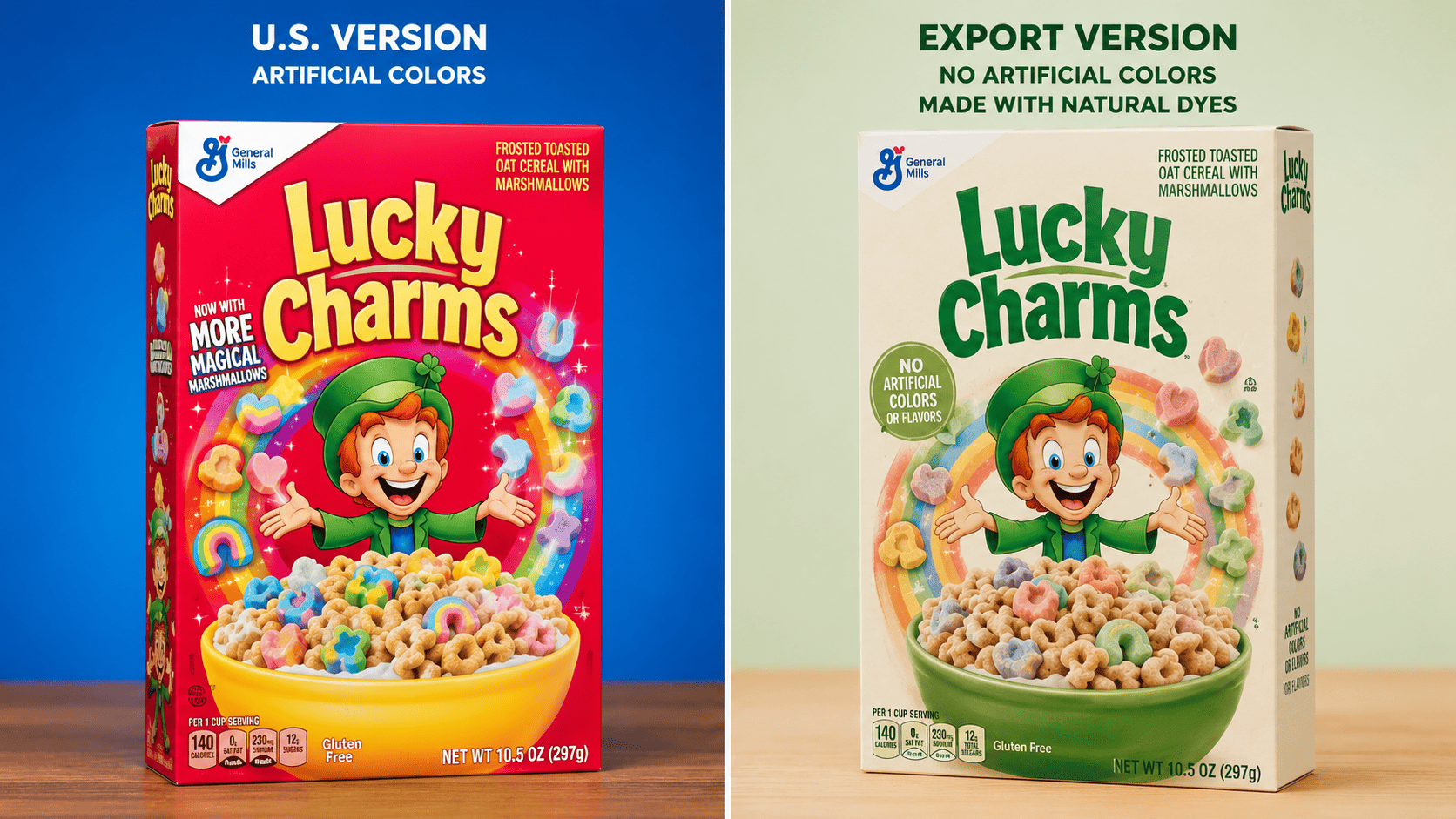
Same brand, same shelf logic, two completely different color palettes.
The joke usually starts here, because it’s the most visible. A lot of iconic American snacks are, quite literally, painted a different color once they leave the country — not reformulated in some deep chemical sense, just recolored, because the dye that makes them glow isn’t available to use.
Skittles sold in parts of Europe swap titanium dioxide and synthetic dyes for plant-based coloring. Froot Loops abroad lean on fruit and vegetable extracts instead of Red 40 and Yellow 5, which is why the international box looks like it’s been left out in the sun. Little Debbie Swiss Rolls, Twinkies, and Lucky Charms have all been sold in versions the U.S. formula legally can’t match in certain European markets, purely over dye choice.
Synthetic dyes like Red 40, Yellow 5, and Yellow 6 aren’t outright illegal across the EU — but products containing them are required to carry a label warning that the coloring “may have an adverse effect on activity and attention in children.” Rather than print that warning, most manufacturers simply reformulate with natural colorants for that market and keep the original recipe for U.S. shelves.
Sources: GoodRx, “6 U.S. Food Ingredients That Are Banned Abroad” · EU food information regulations on synthetic colorant labeling
The color isn’t cosmetic trivia — it’s the whole reason the mockery genre exists. Nobody films a viral video about slightly different preservative levels. But a cereal that looks like a lava lamp next to a cereal that looks like actual grain? That’s a thumbnail.
Two Rulebooks, One Product — Why the Same Company Sells Two Different Foods
Here’s the part that rarely makes it into the joke: this isn’t really about ingredients. It’s about two completely different legal philosophies for deciding whether an ingredient gets to exist in food at all.
The FDA generally treats a new substance as fine to use until there’s clear evidence it causes harm. The EU’s food safety authority does close to the opposite: an additive has to clear a safety review and prove there’s no reasonable doubt about harm before it’s approved at all. Same industry, same science, two opposite starting assumptions — and that single difference explains most of what shows up in the “banned in Europe” videos.
The FDA’s GRAS (“Generally Recognized As Safe”) system lets a manufacturer’s own hired panel declare a new ingredient safe — often without ever formally notifying the FDA. The EU requires an independent government review before approval. One system trusts industry self-certification by default; the other doesn’t.
Around 2010, the EU systematically went back and re-reviewed additives approved decades earlier under older science. The U.S. hasn’t run an equivalent sweep — many ingredients approved in the 1950s–70s have simply never been revisited.
Some EU bans, like chlorine-washed chicken, aren’t really about the chemical being dangerous to eat. They’re a bet that fixing hygiene earlier in the farming process beats disinfecting the problem away at the end.
U.S. trade officials have long argued some of these rules are protectionism in a lab coat — a way to keep cheaper American meat and produce out of European markets without saying so directly. Europe disputes that framing. Both things can be partly true at once.
The Subway Bread Verdict — When a Sandwich Legally Becomes Cake
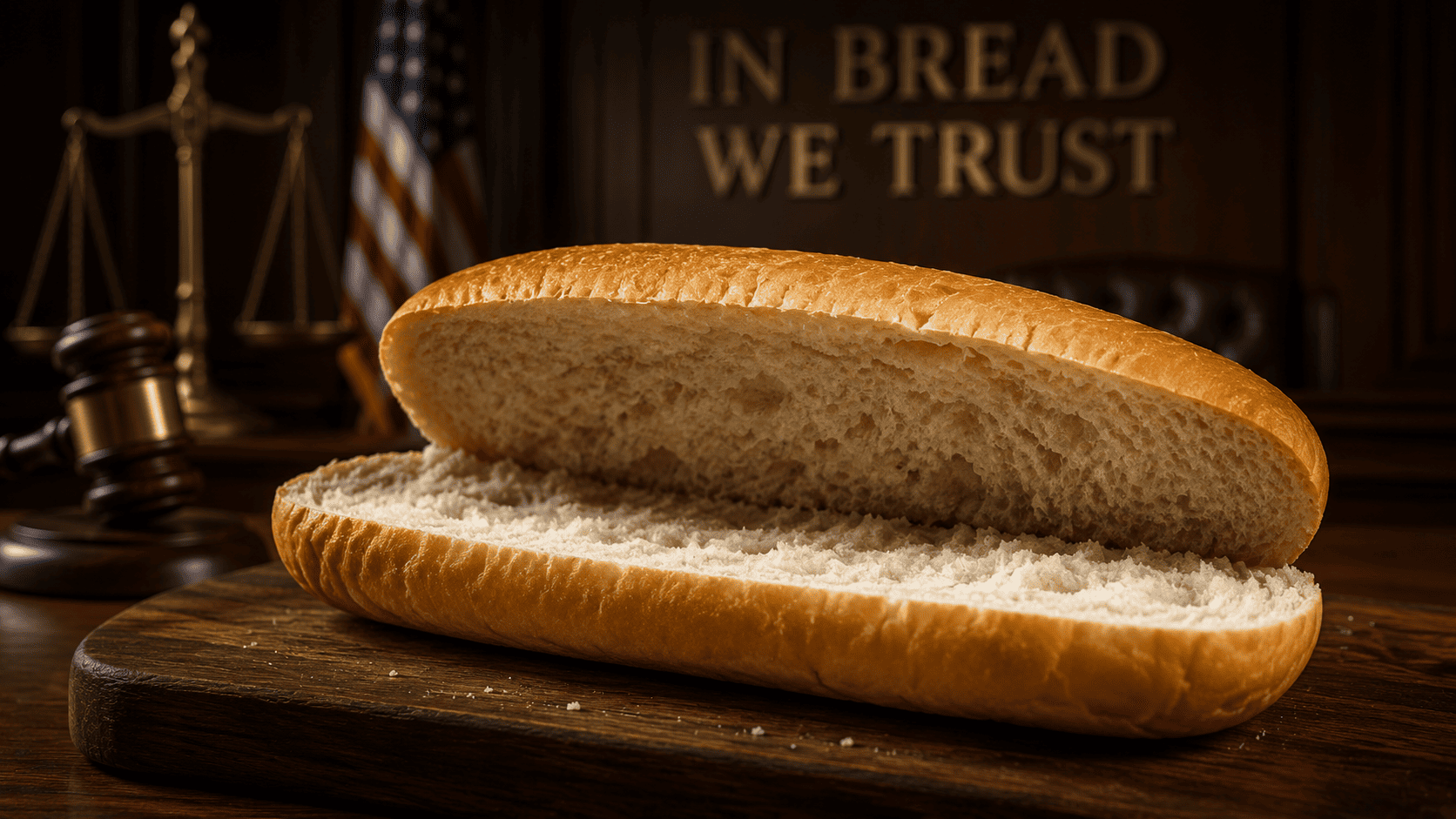
Exhibit A.
This is the one that even people who don’t follow food news somehow remember. In 2020, Ireland’s Supreme Court ruled — in a genuine tax case, with a genuine five-judge panel — that Subway’s sandwich bread contains so much sugar it legally cannot be called bread.
The case wasn’t really about health at all. An Irish Subway franchisee was arguing its bread should be tax-exempt as a “staple food.” Under a 1972 Irish law, staple bread can’t contain sugar exceeding 2% of the weight of its flour. Subway’s bread came in at 10% — five times the limit — which legally reclassified it as a “confectionary or fancy baked good.” A cake, in other words, for tax purposes.
This wasn’t an EU-wide food-safety ruling — it was one country’s tax law being applied literally. Subway pushed back publicly, saying “Subway’s bread is, of course, bread.” The ruling stood anyway, and to this day, Subway bread is not legally bread in the Republic of Ireland.
It went viral for the same reason the cereal videos do: it’s a small, absurd, extremely quotable fact that happens to be completely true. But it’s also a useful reminder that “banned abroad” stories range from serious regulatory science all the way down to a bored tax court noticing something odd about a sandwich.
Chlorinated Chicken & the Hormone Beef Wars — The Bans That Started Actual Diplomacy
Most “banned in Europe” content is snack-aisle trivia. These two aren’t. Chlorinated chicken and hormone-treated beef have shown up in actual UK-US and EU-US trade negotiations, because the two sides fundamentally disagree about what the ban is even protecting against.
Hormone beef: American cattle are commonly raised with growth-promoting hormones to add weight faster. In 1989, the EU banned the practice entirely, applying the precautionary principle after finding evidence some of the hormones used could plausibly be carcinogenic — without waiting for definitive proof. That ban has held for 37 years and counting.
Chlorinated chicken: U.S. poultry processors routinely rinse chicken carcasses in a chlorinated water bath to kill bacteria late in processing. The EU banned the practice in 1997 — but its own regulators have been fairly explicit that the chlorine rinse itself isn’t the health threat. The objection is what it allows: looser welfare and hygiene standards earlier in the farming process, patched over by a disinfectant rinse at the very end.
Ractopamine belongs in this section, too — it’s a leanness-boosting feed additive used in most of the U.S. pork industry and banned outright in the EU, China, and Russia under the same precautionary framework. It’s a big enough sticking point that Russia briefly halted American pork and beef imports over it entirely, and it remains one of the quiet reasons U.S. pork exports to the EU stay so limited.
The Regulation Gap — Visualized
Years since the EU banned each practice, measured against 2026. All three remain standard U.S. practice today.
For contrast: the FDA only revoked approval for brominated vegetable oil in 2024 — over 50 years after the first safety concerns were flagged to the agency.
Why Mocking American Food Became Internet Content — And Why It Won’t Stop
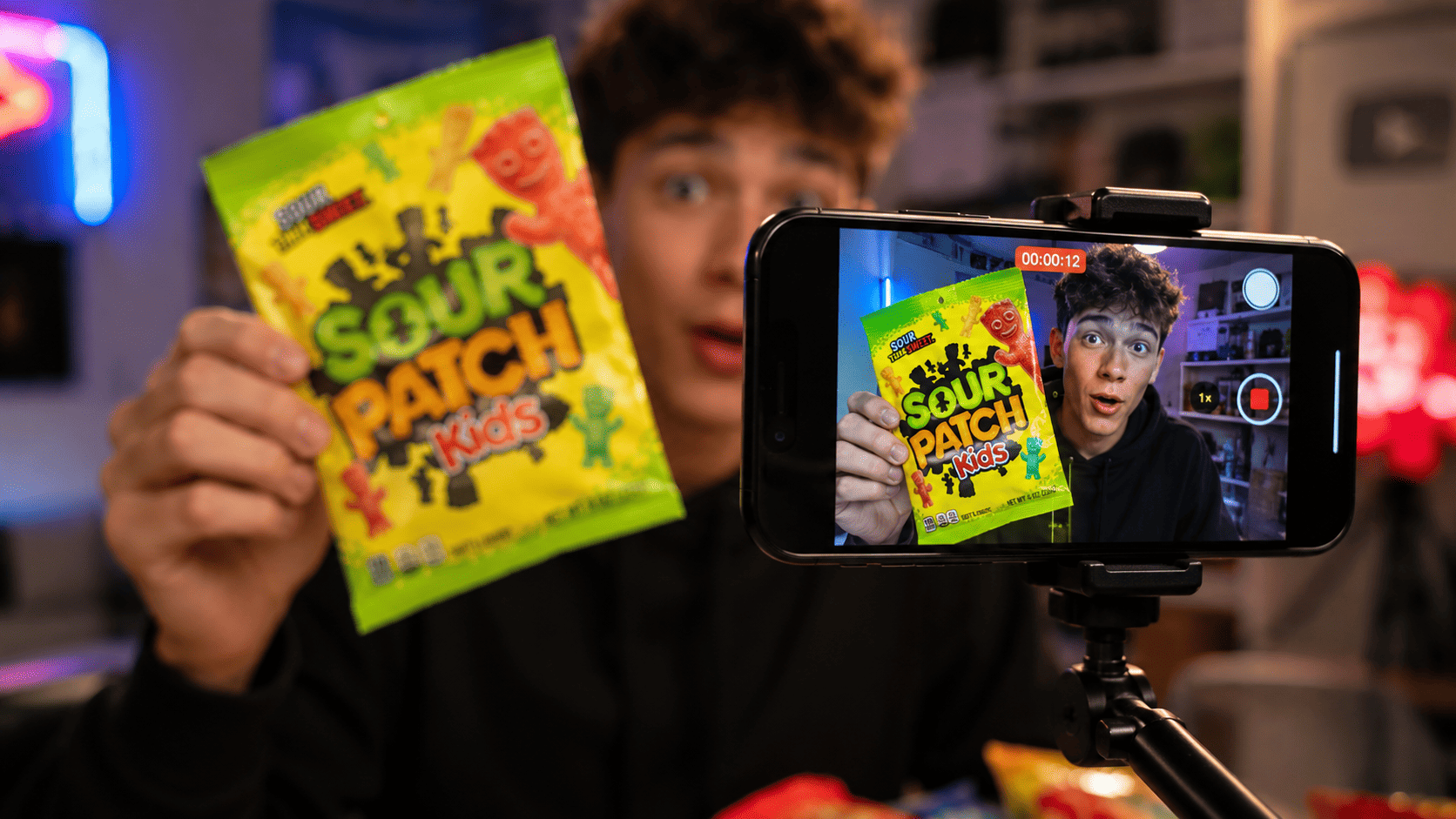
The format practically directs itself.
Strip away the regulatory details and something simpler is going on. “American grocery haul” videos work because they follow the exact structure of every good reaction video: a familiar object, a shocking reveal, a punchline the audience can repeat. Neon cereal is a punchline that doesn’t need translation.
There’s also a quieter identity story underneath the joke. Food has always doubled as a stand-in for national self-image — indulgent, convenient, maximalist versus restrained, artisanal, cautious. Mocking American additives lets creators outside the U.S. say something about their own food culture without saying it directly: we do it differently here, and we think differently is better. Whether that’s fair is a separate question from whether it’s satisfying content.
And Americans participate right back — plenty of the highest-performing “banned in Europe” videos are made by U.S. creators themselves, mining their own pantry for content. Nobody’s really the villain of this genre. Everybody’s just workshopping the bit.
5 Claims About “Banned” American Food the Evidence Complicates
The mockery videos usually skip the fine print. Here’s the fine print.
“Fake” American Food FAQ
So is American food “fake”? Not exactly — but it is the product of a regulatory system built on a different bet than most of the world’s, one that trusts industry first and asks questions later. The neon cereal, the recolored candy, the sandwich a court declared cake — none of it is really about deception. It’s about two very different answers to the same question: how much uncertainty are you willing to eat?
The grocery-haul videos will keep coming, and honestly, they’ve done more to move U.S. food policy in the last few years than most op-eds have. Sometimes the punchline and the policy brief turn out to be the same document.