Stop Wasting Money:
10 “Superfoods” That Are Complete Bullsh*t
Regulators sued one of these. The USDA quietly deleted the number that sold another. None of them are evil — they’re just nowhere near worth the markup. Here’s where the receipts stop matching the marketing.

A juice bar somewhere just charged someone twelve dollars for sixteen ounces of liquefied celery and a promise. The celery cost about a dollar. The promise was the expensive part.
“Superfood” is the only word in the grocery store that adds value without adding anything. It can’t be measured, it can’t be regulated in most countries, and it turns an ordinary vegetable into a wellness ritual you’ll happily overpay for.
None of the ten foods below are bad for you. That’s the trick. They’re real foods wearing borrowed lab coats — and once you see what the actual evidence says, you can keep the food and stop paying for the story.
Drinks That “Flush Toxins” — And Flush Mostly Your Wallet
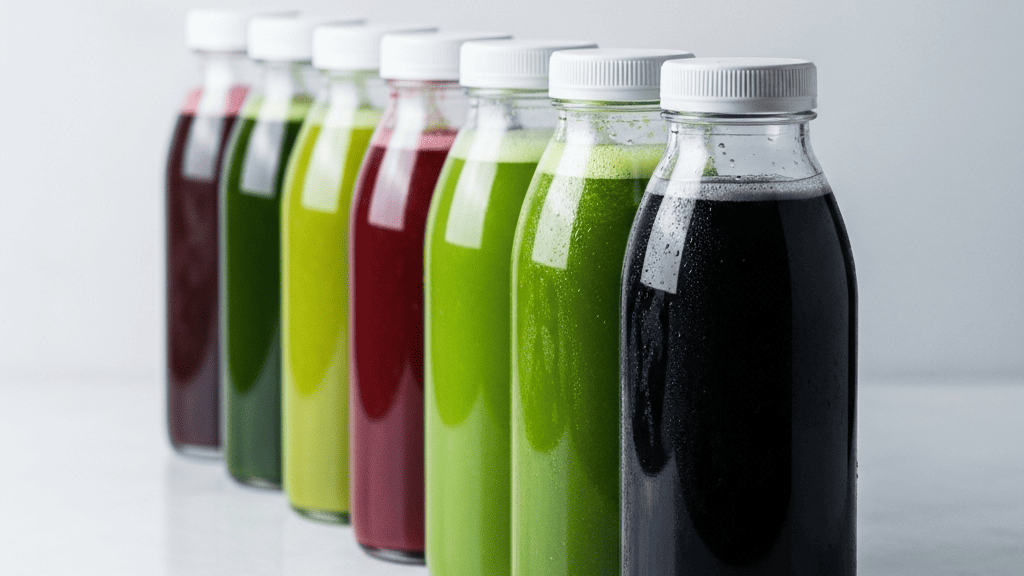
The entire “detox” category rests on a word no one selling it can define.
Before we name names, one fact dissolves most of this section. Your body already runs a continuous, sophisticated detox operation: the liver biotransforms compounds, the kidneys filter blood, the lungs offload acid as carbon dioxide. Johns Hopkins Medicine is blunt about it: liver “cleanses” lack clinical evidence, aren’t regulated, and don’t undo a rough weekend. A widely cited review found no compelling evidence that commercial detoxes remove toxins or aid weight loss at all.
1. Celery Juice
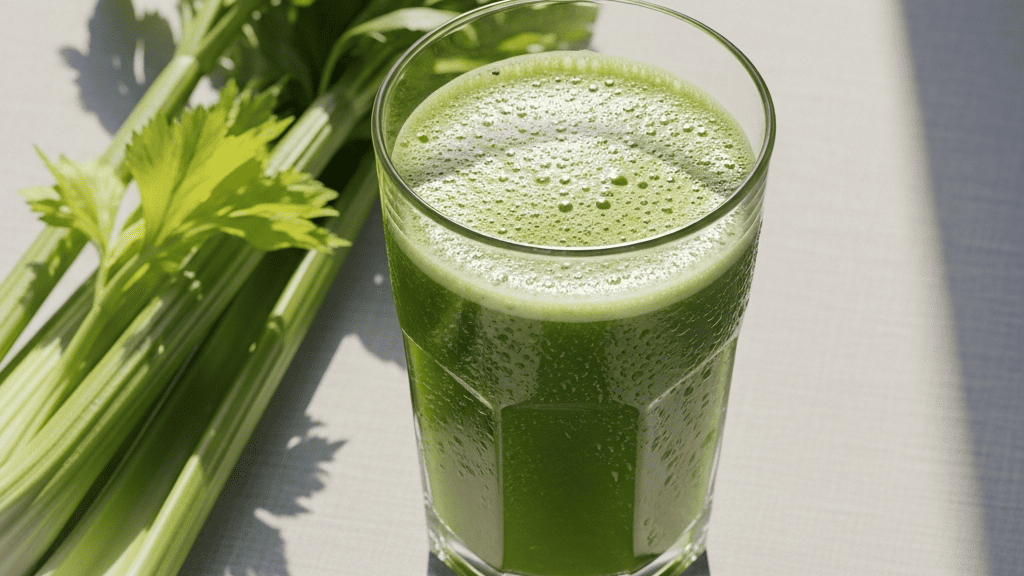
The pitch: 16 oz on an empty stomach “heals” the gut, reverses chronic illness, and flushes pathogens.
The morning-celery ritual traces almost entirely to one self-titled “Medical Medium” with no clinical credentials. The claims about undiscovered “cluster salts” can’t be evaluated because they aren’t recognized by science. Dietitians who’ve actually looked are consistent: as UnityPoint Health puts it, celery is a fine source of vitamin K and potassium — but there’s no magic in a single juiced vegetable, and most of its “benefits” apply to vegetables generally.
💸 The receipt: You’re juicing away the fiber and paying a premium for it. Eat the celery, or any vegetable you’ll actually finish.
2. Wheatgrass Shots
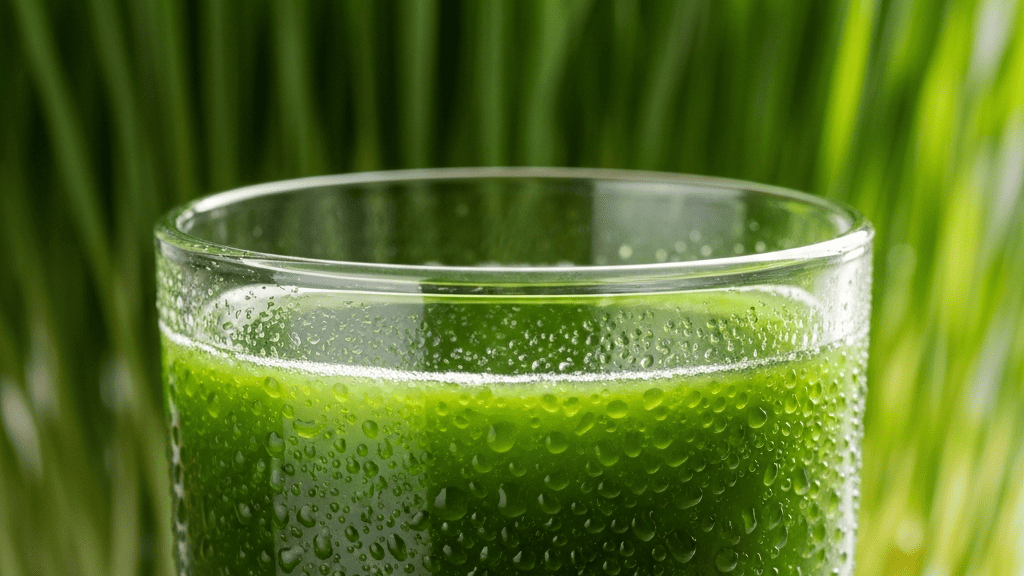
The pitch: chlorophyll “oxygenates the blood,” builds red blood cells, and detoxifies.
The blood-building idea rests on chlorophyll vaguely resembling hemoglobin — except chlorophyll is built around magnesium, not iron, and your body has no special use for it. Memorial Sloan Kettering notes the marquee claims aren’t backed by human studies, and the American Cancer Society has said the evidence doesn’t support wheatgrass curing or preventing disease. It’s a fine little plant; it is not a syringe of vitality.
💸 The receipt: A spinach side dish delivers similar nutrients for a fraction of the per-ounce cost of a juice-bar shot.
3. Activated Charcoal Lattes & Lemonades

The pitch: the black drink “absorbs toxins” and detoxifies you from the inside.
Activated charcoal is genuinely used in emergency medicine — to bind certain poisons in the gut, minutes after they’re swallowed, under supervision. Marketing borrowed the medical use and dropped the context. As a King’s College London nutrition lecturer explains, charcoal only binds whatever happens to be in your stomach right then — including the vitamins, minerals, and any medications you took. Last night’s indulgence is already in your bloodstream; the charcoal can’t reach it.
💸 The receipt: You may be paying to absorb your own birth control or blood-pressure pill. Skip it unless an ER doctor hands it to you.
The word “toxin” is never specified. No product names which toxin, at what level, removed by what mechanism — because naming it would invite a test it can’t pass. “Detox” sounds like the medical word “detoxification,” and that borrowed authority is the entire product. When a label can’t tell you what it removes or how, it isn’t medicine. It’s vocabulary.
4. Detox Teas & Juice Cleanses
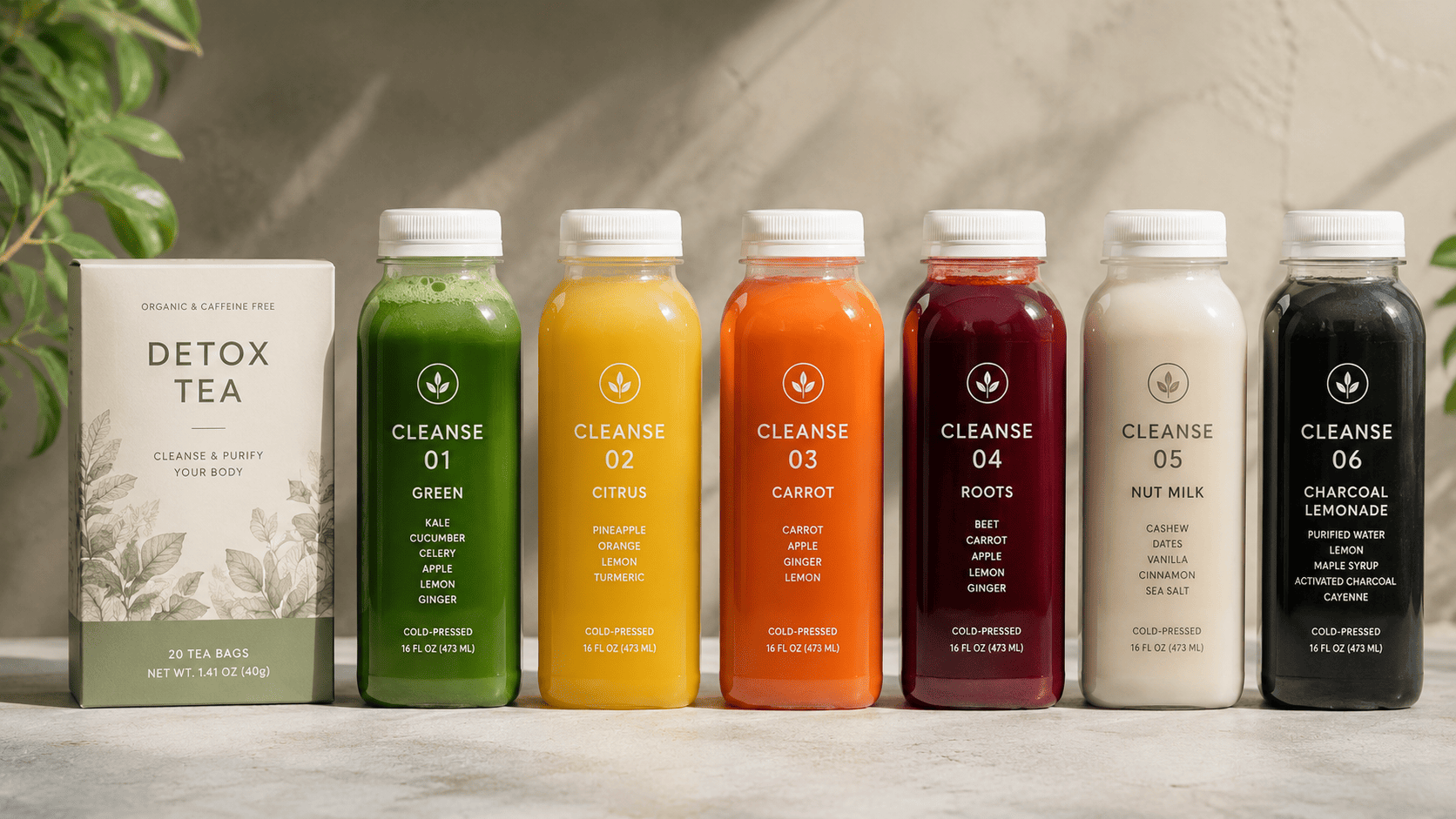
The pitch: a multi-day “reset” that flushes the system and jump-starts weight loss.
The “weight loss” is water and the contents of your colon, and it returns by Thursday. Many “skinny” teas work because they contain senna, a laxative — that’s not detoxification, it’s diarrhea with a luxury label. Per a registered dietitian and Academy of Nutrition and Dietetics spokesperson speaking to PBS, there’s no strong evidence detox diets or cleanses improve health in healthy adults — and unregulated cleanse supplements have, in real cases, injured livers they claimed to purify.
💸 The receipt: Your detox already runs 24/7 and bills you nothing. Spend the cleanse money on vegetables and sleep.
5. Alkaline Water
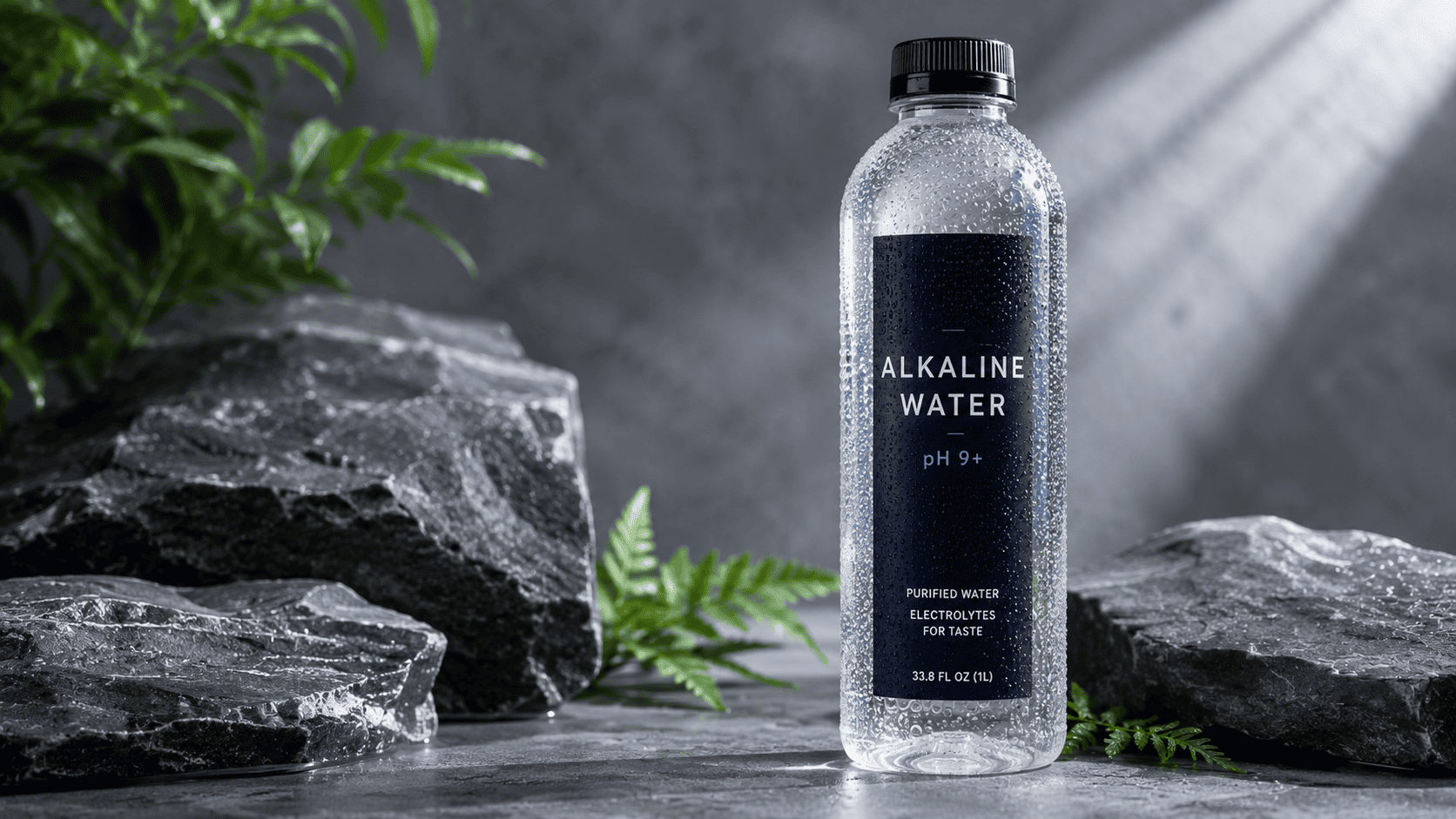
The pitch: high-pH water “alkalizes your body,” fights disease, even starves cancer.
Your blood pH is held in a razor-thin band around 7.4 by your lungs and kidneys, because drifting outside it is dangerous. A glass of water cannot move it — and the moment alkaline water hits your stomach acid, it’s neutralized anyway. Henry Ford Health sums it up dryly: drinking it changes the pH of your urine, not your blood — so you’re paying a premium to alter the contents of your toilet bowl.
💸 The receipt: Tap water hydrates identically. The only thing the higher pH reliably raises is the price.
Exotic Berries Sold on a Number That No Longer Exists
For a decade, “superfruit” marketing ran on a single metric — the ORAC score, a lab measure of antioxidant capacity in a test tube. Bigger number, healthier halo. There was just one problem: the number never predicted anything about a human body.
In 2012 the USDA withdrew its ORAC antioxidant database entirely — stating the values had “no relevance to the effects of specific bioactive compounds on human health” and were “routinely misused” by manufacturers to sell products. The headline metric of the entire superfruit industry was retired by the agency that created it.
6. Goji Berries & Açaí
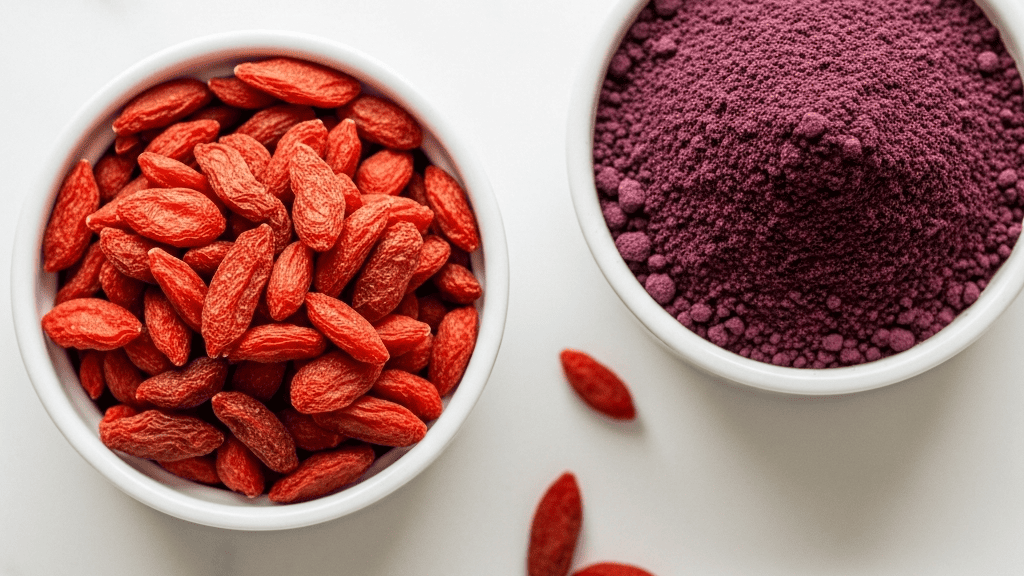
The pitch: imported “antioxidant powerhouses” that ordinary fruit can’t match.
Goji and açaí are perfectly good berries. They are not chemically special enough to justify costing several times what local berries do. The antioxidant superiority was always an in-vitro story — and once you eat the thing, antioxidant capacity in a test tube simply doesn’t map onto what your cells experience. A blueberry, a blackberry, even a humble red grape, sit in the same league for pennies.
💸 The receipt: “Imported and expensive” is a flavor of marketing, not nutrition. Frozen mixed berries win on cost and lose nothing on evidence.
7. Pomegranate Juice (The POM Wonderful Case)
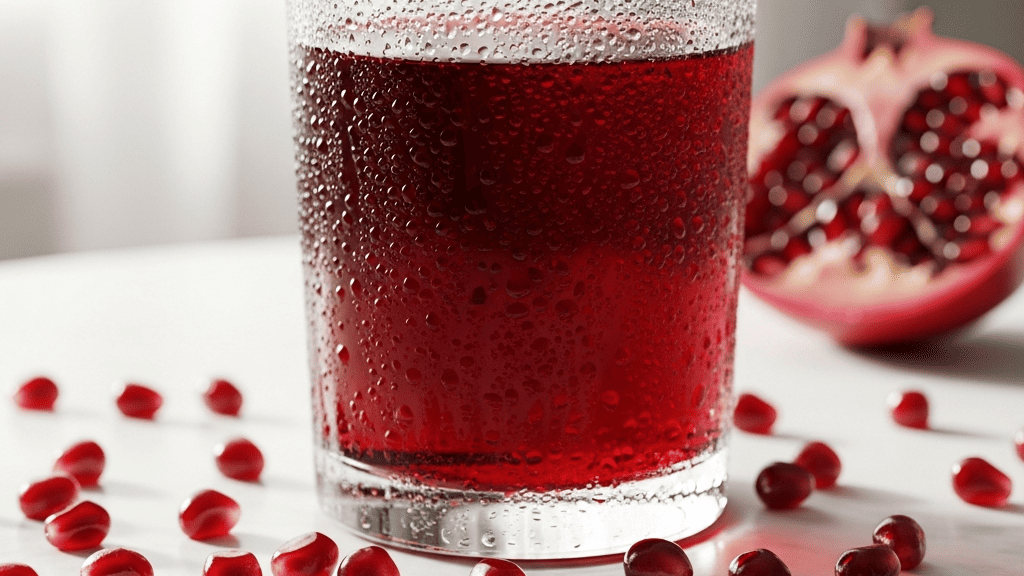
The pitch: clinically proven to fight heart disease, prostate cancer, and erectile dysfunction.
This one didn’t just get debunked — it got litigated. The Federal Trade Commission charged POM Wonderful with deceptive advertising, and the case was upheld on appeal. The damning detail: POM had run its own controlled trials, and they failed to show the heart benefits the ads trumpeted. The juice is fine. The “$25 million in medical research proves it cures things” pitch was found to be false.
💸 The receipt: Drink it because you like it — it’s also loaded with sugar. Don’t drink it as medicine; a federal court already weighed in.
The “Healthy” Fat and the “Healing” Broth That Got Promoted Past Their Evidence
Two pantry darlings whose halos outran the data.
8. Coconut Oil
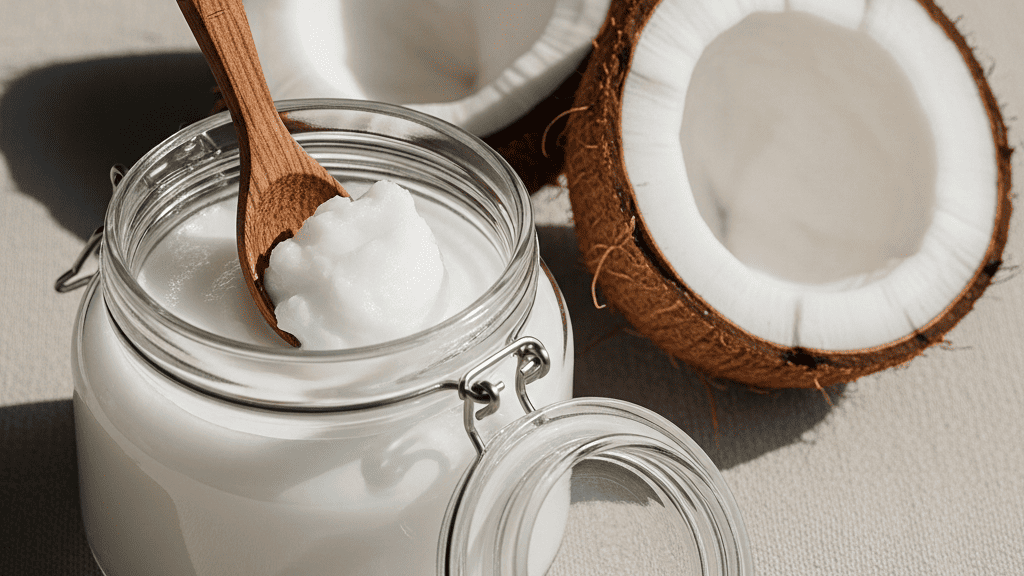
The pitch: a heart-healthy “good fat” that boosts metabolism and melts belly fat.
Coconut oil is about 82% saturated fat — higher than butter or lard — and the American Heart Association’s advisory, an analysis of 100-plus studies, found it raises LDL (“bad”) cholesterol as much as those animal fats. Harvard’s Nutrition Source lands on the honest verdict: coconut oil is “neither a superfood nor a poison.” The metabolism claims came from a special 100%-MCT oil used in studies — not the jar on your shelf.
💸 The receipt: Fine for flavor in moderation. For everyday cooking, olive or canola oil is the cheaper, genuinely heart-smarter pour.
9. Bone Broth

The pitch: “liquid gold” — drink collagen to rebuild your joints, gut, and skin.
Here’s the biology marketing skips: eat collagen and your stomach dismantles it into amino acids, which the body sends wherever it likes — not on a courier run straight to your knees and face. Harvard’s Nutrition Source notes there’s a lack of research showing dietary collagen directly benefits skin or joints, and analyses find many broths don’t even contain enough collagen to matter. It’s a pleasant, protein-ish stock with wildly variable nutrition — and commercial versions can run high in sodium.
💸 The receipt: Love it as a cozy, savory drink. As a joint cure at boutique prices, it’s a warm cup of wishful thinking.
Coconut Oil’s “Healthy” Halo, Visualized
Saturated fat as a share of total fat. The “good fat” sits at the top of the chart with butter and lard — not with olive oil.
The greener the bar, the better the cardiovascular case. Coconut oil is the reddest one on the board.
The Most Expensive Word in the Grocery Store
10. The Word “Superfood” Itself

The pitch: this food is in a special, elevated tier above ordinary nutritious food.
There is no scientific or legal definition of “superfood.” It’s a marketing term — which is exactly why, back in 2007, the European Union banned the word on packaging unless it’s backed by an authorized, evidence-based health claim. Across the EU, you cannot legally call a food a “superfood” just because it sounds healthy. In the US, the label stays unregulated, which is why it’s stamped on everything from kale to candy bars.
💸 The receipt: “Superfood” on a package is a price signal, not a nutrition fact. The most powerful “super” food remains a varied plate of ordinary ones.
3 Rules to Spot Superfood BS in Two Seconds
You don’t need a nutrition degree to dodge most of this. Three questions catch nearly every overhyped product on the shelf.
The genuinely well-supported foods rarely shout. They show up quietly in the research on populations that live longest — beans, leafy greens, olive oil, nuts, whole grains, and yes, green tea. If you want the version of “superfood” that actually holds up, it’s in our breakdown of six foods linked to longer lifespans — none of which need a marketing department.
The 3 Beliefs Holding the Whole Industry Up
Debunk these and most “superfoods” lose their power at once.
Superfood Myths FAQ
Here’s the quiet irony under all ten of these. The foods themselves were never the problem. A celery stalk, a pomegranate, a spoon of coconut oil — none of them did anything wrong. We just dressed them in claims they couldn’t carry and charged ourselves extra for the costume.
Real nutrition has never been exotic or expensive. It’s a varied plate, eaten consistently, with people you like. Everything sold above that line is mostly a story — and stories, it turns out, are the one thing your liver can’t digest.