What Is “Clean Eating” Really?
Debunking the Myths
7 persistent clean eating myths examined against the actual science — with research from Harvard, the WHO, and peer-reviewed nutrition journals. What healthy eating actually looks like without the noise.

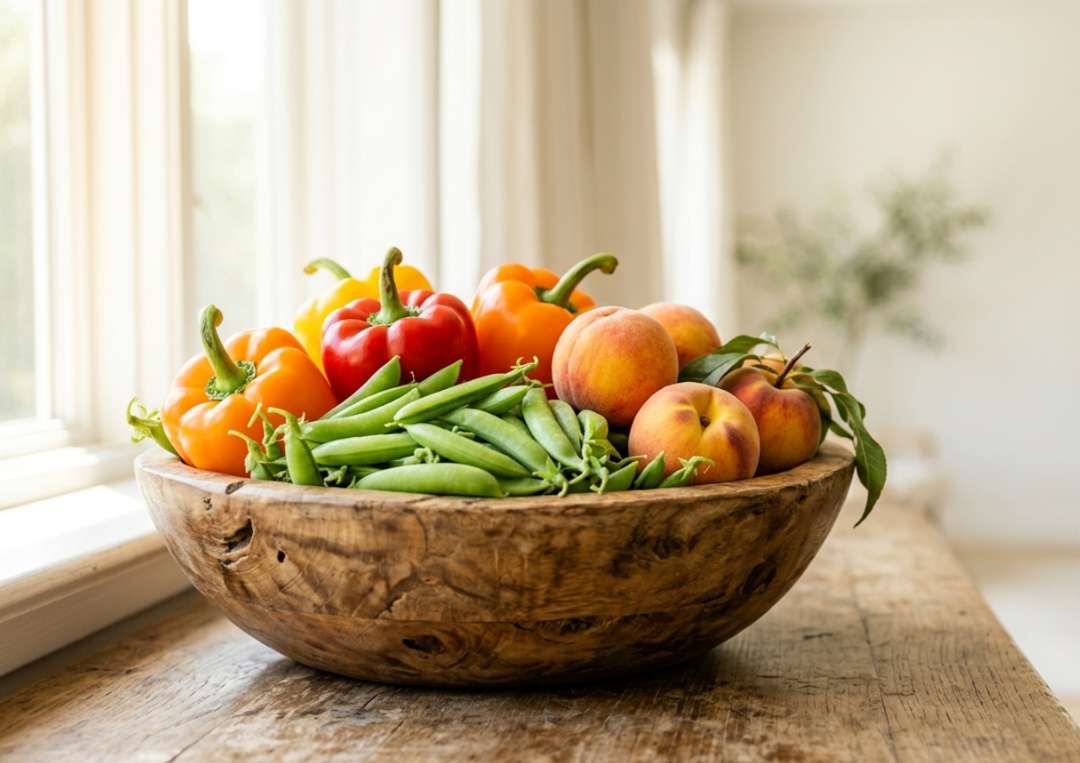
Whole, real food has never needed a label. The label arrived later, with everything it carried.
Somewhere between a wellness influencer’s breakfast bowl and a nutritionist’s office, the phrase “clean eating” got detached from any fixed meaning. It now belongs to everyone and no one simultaneously — used to describe a juice cleanse, a gluten-free month, a vegan challenge, a sugar detox, and a plate of grilled chicken with rice, all at the same time. It’s the most popular nutrition concept of the social media era and the least precisely defined.
The word “clean” is doing a lot of work here. It implies its opposite. If some eating is clean, other eating is dirty — morally compromised, something to feel guilty about. That framing, quietly embedded in the language, is part of why researchers studying eating behavior and disordered eating have grown concerned about the term’s cultural momentum.
What does the actual science say about how to eat well? It turns out to be significantly less complicated — and significantly more permissive — than clean eating culture suggests. This article goes through seven of the most persistent clean eating myths, examines what peer-reviewed nutrition research actually finds, and offers a clearer picture of what genuinely healthy eating patterns look like.
No guilt. No purity. Just evidence.
Where “Clean Eating” Came From — And Why Nobody Agrees What It Means
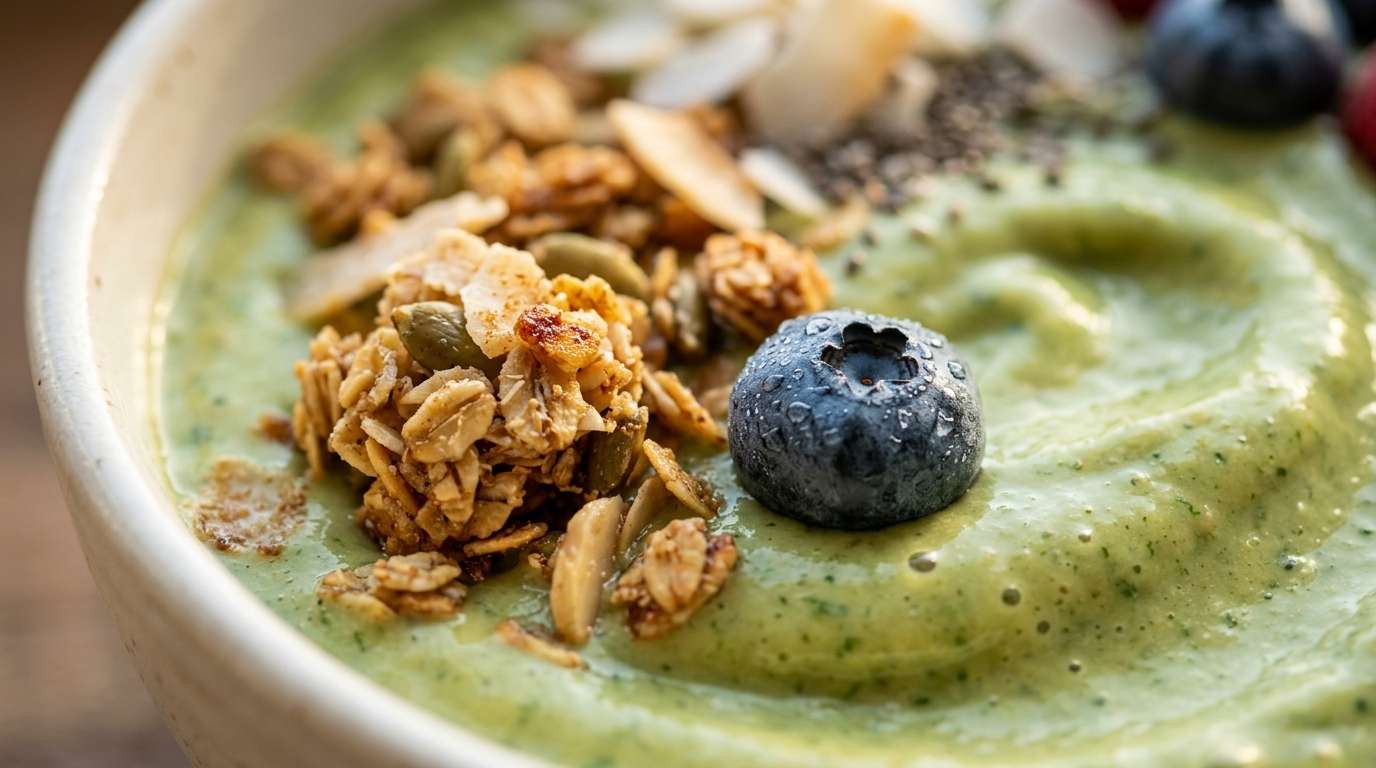
The aesthetic of wellness culture — beautiful, aspirational, and largely undefined.
The phrase “clean eating” doesn’t appear in any clinical nutrition guidelines. It has no formal definition from the World Health Organization, the USDA, or any peer-reviewed nutrition body. It emerged organically through fitness blogs and bodybuilding culture in the early 2000s — meaning different things in different communities — before Instagram amplified it into a global aesthetic movement somewhere around 2013.
By 2015, #cleaneating had over 40 million posts on Instagram. By 2020, the number had tripled. The visual identity was precise even when the definition wasn’t: bright overhead shots of colorful bowls, avocado on sourdough, smoothies in glass jars, snack plates arranged with visible intention. The look of the concept spread faster than any coherent meaning could.
In the absence of a fixed definition, “clean eating” absorbed whatever its user needed it to mean. For some, it meant avoiding processed foods. For others, it meant eliminating gluten, or sugar, or animal products, or anything with more than five ingredients. For many, it came to mean a moral relationship with food — a system where certain choices were virtuous and others required guilt or compensation.
A 2021 review in Nutrients found that exposure to “healthy eating” content on social media was significantly associated with symptoms of orthorexia nervosa — an obsessive preoccupation with eating “correctly” that the DSM-5 does not yet recognize as a formal diagnosis, but which researchers increasingly link to anxiety, dietary restriction, and impaired quality of life. The clean eating aesthetic, which appears healthy by definition, can function as cover for disordered restriction.
Strahler J. Social-media use frequency and problematic use predict orthorexic eating behavior in a German adult sample. Nutrients. 2021;13(4):1261.
This matters before going into the myths — because the harm from clean eating culture rarely comes from eating vegetables. It comes from the moral framework wrapped around the food. The language of “clean” and “dirty,” purity and contamination, creates psychological risks that are entirely separate from any nutritional question.
7 Clean Eating Myths the Research Has Debunked
These are the most widely repeated beliefs in clean eating culture — and the ones most clearly at odds with peer-reviewed evidence.
What Science Actually Says About Healthy Eating — From the Institutions That Study It
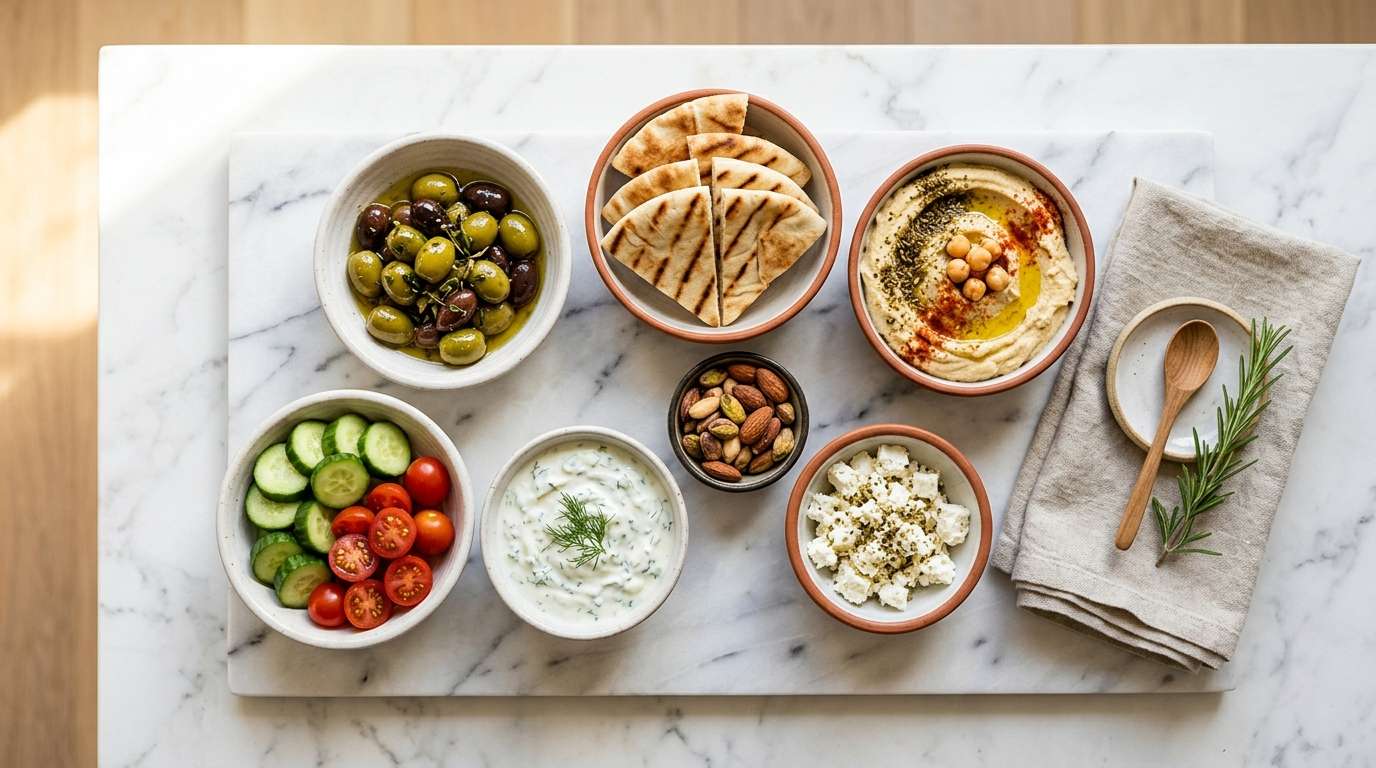
The Mediterranean dietary pattern — the most studied healthy eating framework in the world — includes bread, cheese, wine, and pasta. No food group is forbidden.
When you set aside the language of “clean” and look at what large-scale nutrition research actually identifies as protective dietary patterns, a consistent picture emerges — and it is notably different from what clean eating influencers typically prescribe.
Harvard’s Healthy Eating Plate — developed by nutrition scientists as an evidence-based alternative to government dietary guidelines — recommends: half the plate in vegetables and whole fruits; a quarter in whole grains; a quarter in healthy protein (fish, poultry, beans, nuts). Healthy oils are encouraged. Dairy is moderate. No food category is labeled clean or dirty. The guidance is built on dietary pattern research across multiple populations over decades.
Harvard T.H. Chan School of Public Health, The Nutrition Source. The Healthy Eating Plate. Updated 2023.
The PREDIMED randomized trial (New England Journal of Medicine, 2013) — involving 7,447 participants at high cardiovascular risk — found a 30% relative reduction in major cardiovascular events in the Mediterranean diet group compared to a low-fat control. The Mediterranean diet includes bread, pasta, legumes, fish, dairy, and moderate wine. No ingredient is forbidden. The benefit came from the overall pattern, not from excluding specific foods.
Estruch R, et al. N Engl J Med. 2013;368(14):1279–1290.
The National Institutes of Health consistently frames healthy eating advice around dietary patterns — not individual “good” or “bad” foods. Their research endorses dietary variety, adequate fiber from whole grains, legumes and vegetables, healthy fats, and moderate sodium. The consistent finding: no single food makes a diet healthy or unhealthy. Cumulative pattern does.
National Heart, Lung, and Blood Institute. Heart-Healthy Eating. National Institutes of Health. Updated 2024.
Clean Eating vs. Evidence-Based Eating
Two frameworks for thinking about food. One shaped by culture and aesthetics. One shaped by longitudinal population research.
What Food Guilt Actually Does to Your Eating Behavior

The relationship with food matters as much as the food itself. Research consistently shows that anxiety around eating undermines the benefits of good dietary choices.
Clean eating culture’s most underexamined cost is psychological. The moral framing of food — “clean” eating versus implicitly dirty eating — creates a relationship with food that nutrition researchers have linked to measurable harms, independent of any nutritional question.
The mechanism is well-documented. When a food is classified as forbidden, its perceived desirability increases — a phenomenon called the forbidden fruit effect, consistent across multiple laboratory eating studies. Dietary restriction in the name of “purity” tends to produce the binge-restrict cycle that clean eating culture is ostensibly trying to prevent. Eating a “forbidden” food produces guilt; guilt produces compensatory restriction; restriction produces craving; craving produces overeating. The cycle is not a character failure. It is a predictable physiological and psychological response to moralizing language around food.
A 2017 study in Appetite found that feelings of food guilt significantly predicted future overeating behavior — not moderation. Participants who experienced guilt after eating a “forbidden” food were significantly more likely to report subsequent loss-of-control eating than those who did not categorize the food as forbidden. The implication is uncomfortable for clean eating culture: the framework designed to promote health may actively generate the behavior it claims to prevent.
Vartanian LR, et al. Guilt and pride following food consumption. Appetite. 2017;111:1–8.
This is not an argument for dietary indifference. It is an argument for replacing moral language with descriptive language. A food is not “dirty.” It may be high in sodium, or low in fiber, or calorie-dense relative to its nutritional contribution. Those are specific, actionable descriptions. “Dirty” is a judgment. Judgments about food don’t produce better eating — they produce anxiety about eating.
5 Things to Do Differently, Starting Today
Evidence-based, practical, and requiring no special products, subscriptions, or moral commitments.
Clean Eating Questions, Answered
Eating Well Has Always Been Simpler Than the Trend Cycle Suggests
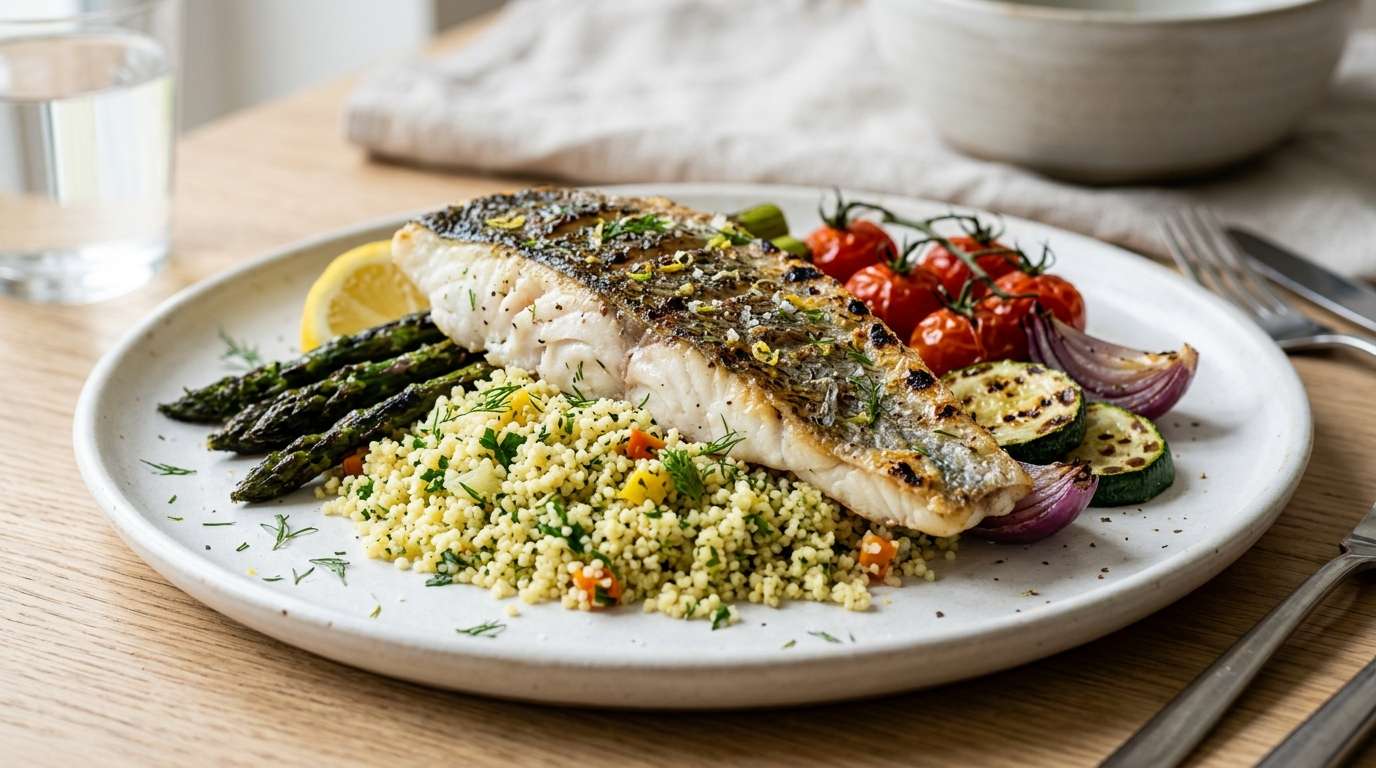
The communities with the longest, healthiest lives on record were not tracking macros or following 30-day cleanses or buying organic at a premium. They were eating the food that grew where they lived, cooking it the way their grandmothers cooked it, eating it slowly with the people they loved, and not thinking about it much beyond that.
The wellness industry — a $72 billion market in the US alone — has a financial interest in making healthy eating feel more complicated than it is. Complexity creates products. Products create revenue. The evidence base creates something else entirely: a picture of healthy eating that is affordable, flexible, culturally varied, and entirely free of guilt.
The food doesn’t need to be labeled clean to be good for you. It never did.