What Your Cravings Are Actually Telling You
15 Cravings, Decoded
Your body almost never wants magnesium when it asks for chocolate. It wants something far more interesting — and the real answers involve sleep, stress, memory, and the sound of a crunch.

It usually arrives without warning. You’re fine, you’re working, you’re not even hungry — and then a single food appears in your mind with total clarity. Not “a snack.” That snack. The salted one. The one in the blue packet. The one your grandmother made on Sundays.
The internet has a tidy explanation for this: cravings are your body requesting missing nutrients. Chocolate means magnesium. Salt means minerals. Red meat means iron.
It’s a lovely idea. It’s also mostly wrong.
The real messages are stranger and far more personal. A craving is often a report on how you slept, how stressed you are, what time it is, and what you ate as a child. Here are fifteen of them — decoded with the research, and a few honest exceptions where your body really is trying to tell you something.
Your Body Is a Poor Nutritionist — But a Brilliant Memory Machine
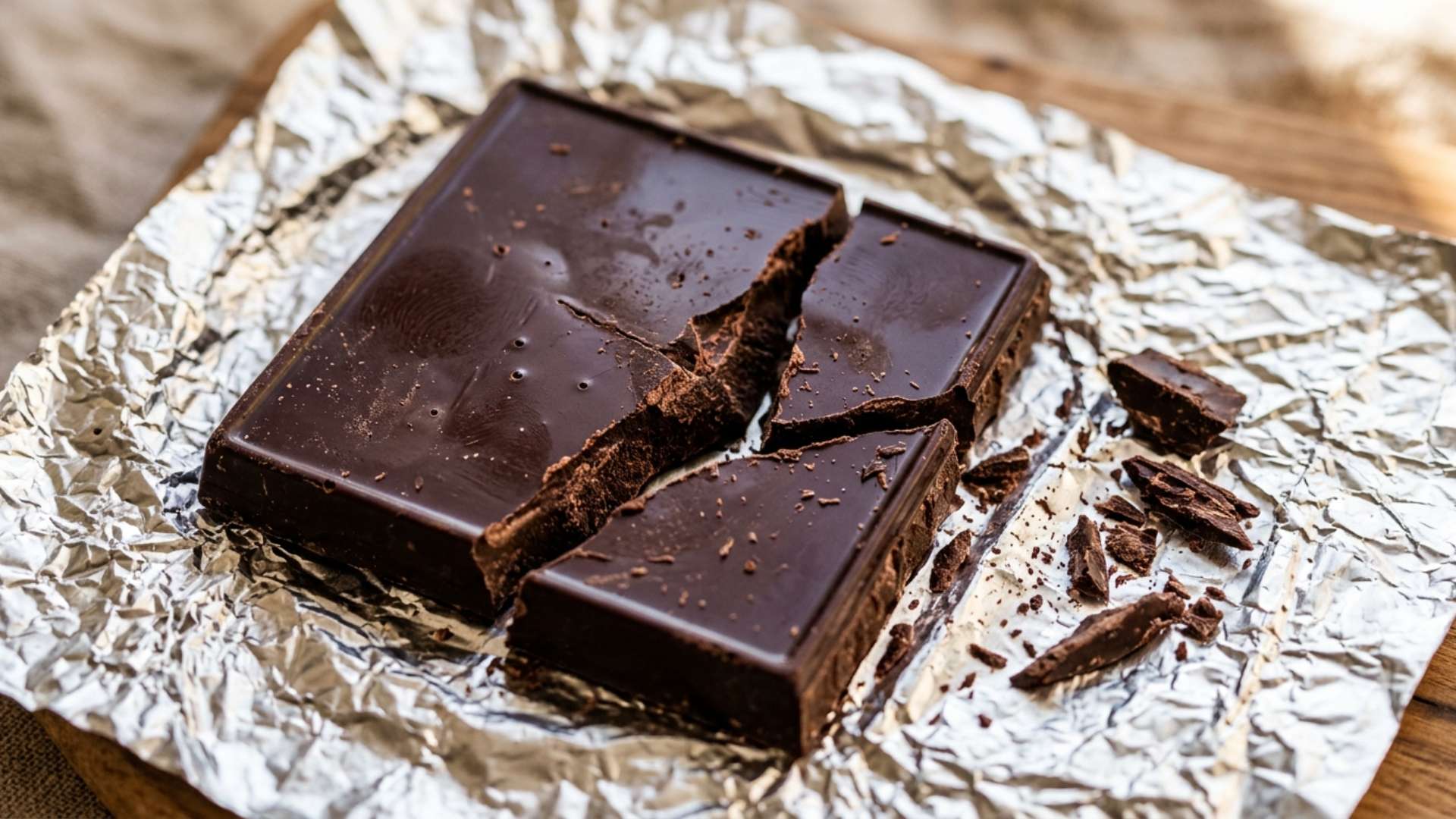
📷 If chocolate cravings were about magnesium, we’d be dreaming of spinach.
Here’s the problem with the deficiency theory. If your body were really hunting for magnesium, it would crave pumpkin seeds, almonds, or a plate of greens. It almost never does. It craves milk chocolate — a food where sugar and fat do most of the talking.
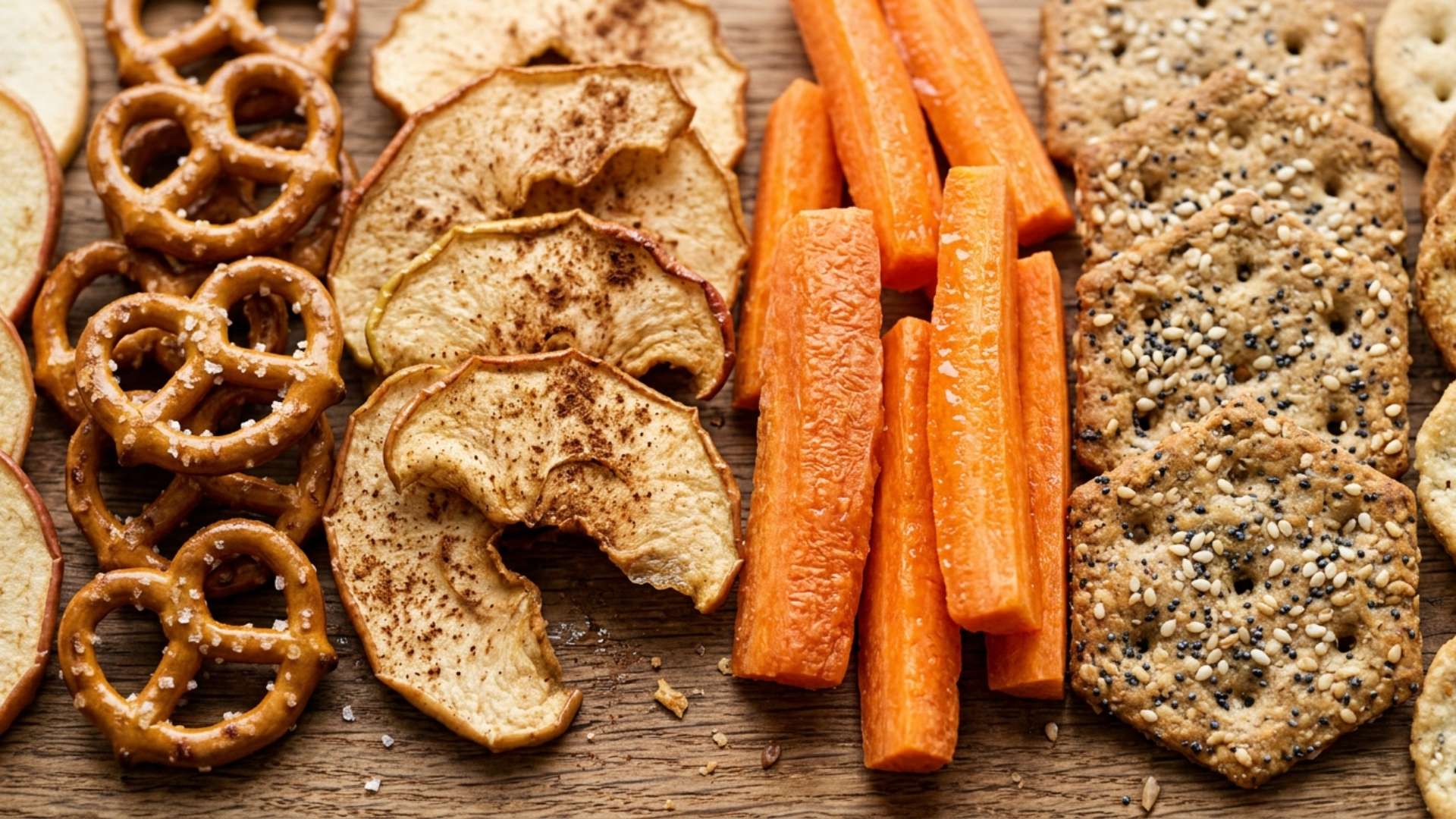
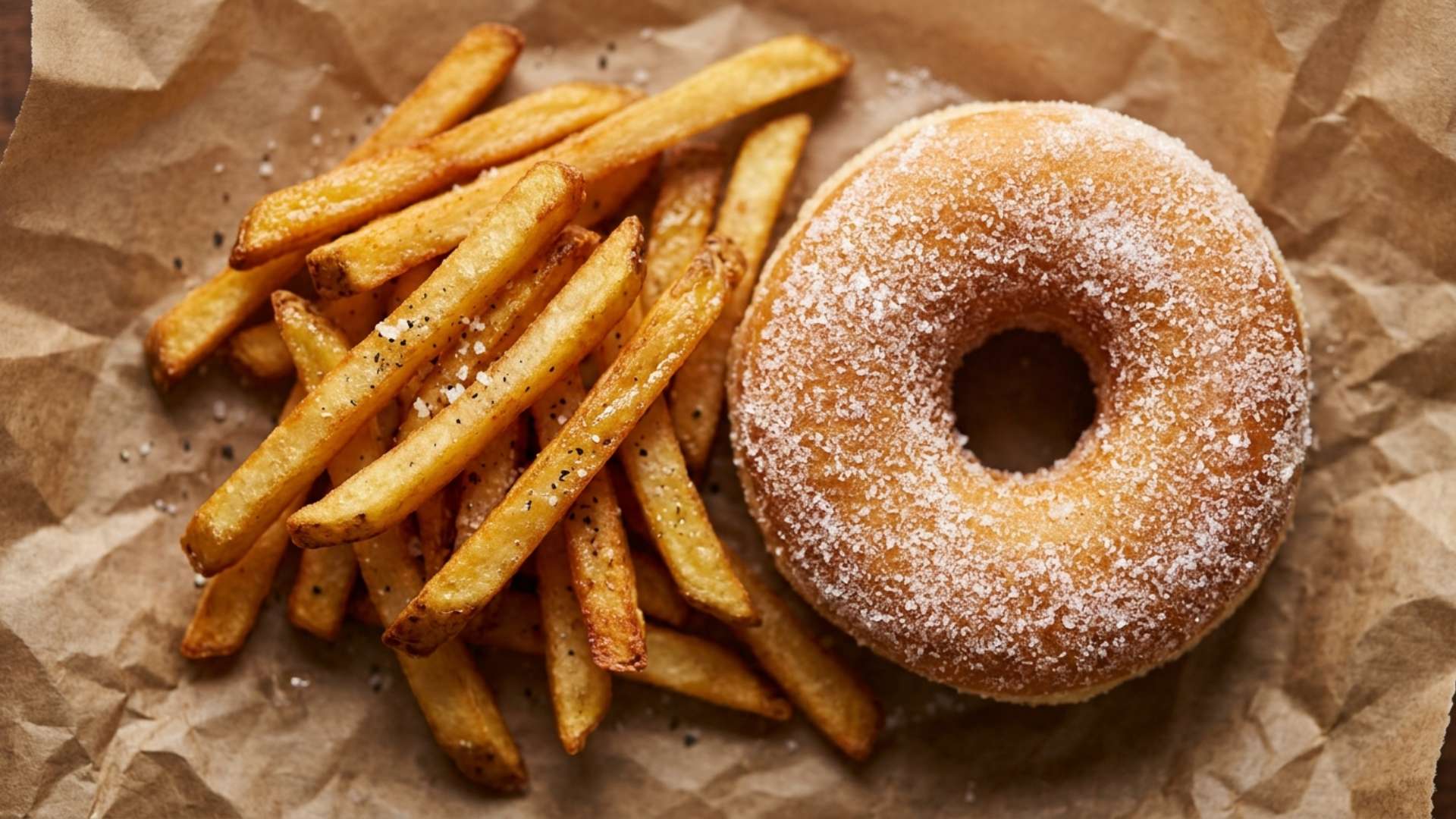
The same pattern repeats across almost every common craving. The foods we want most are rarely the foods richest in what we lack. They are the foods richest in reward: sweet, salty, fatty, crunchy, warm, familiar.
The surprising part? Cravings behave less like a fuel gauge and more like a memory. Your brain records when, where and how a food made you feel — then replays that file when similar conditions return. A certain hour. A certain mood. A certain kind of tired.
The famous “PMS chocolate craving” is a good test case. Researchers at the University at Albany, led by Julia Hormes, examined menstrual chocolate craving and found little support for a purely hormonal explanation. Earlier cross-cultural work had already shown that women in Spain report this craving far less often than American women. The craving is real — but culture appears to write a large part of the script.
Hormes JM, Niemiec MA. Does culture create craving? Evidence from the case of menstrual chocolate craving. PLoS One. 2017;12(7):e0181445
None of this means cravings are meaningless. It means they’re reporting on a different subject. Instead of “you need zinc,” the message is usually closer to “you slept five hours,” “you’re overwhelmed,” or “it’s 3 p.m., and this is what we do at 3 p.m.” And in a few genuine cases — you’ll meet them in Section 04 — the body really is waving a flag.
The Comfort Cravings — When Food Is Standing In for a Feeling
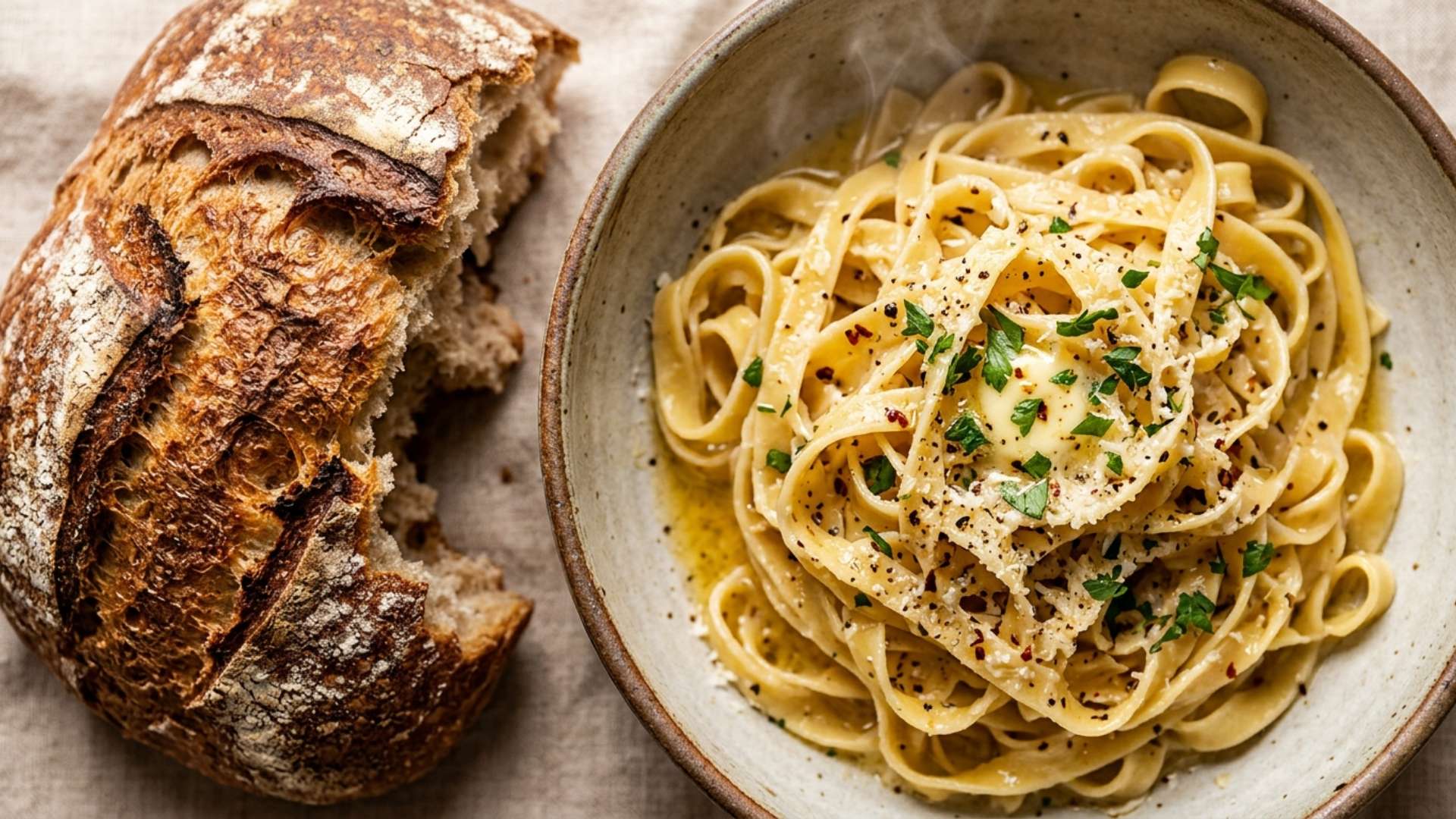
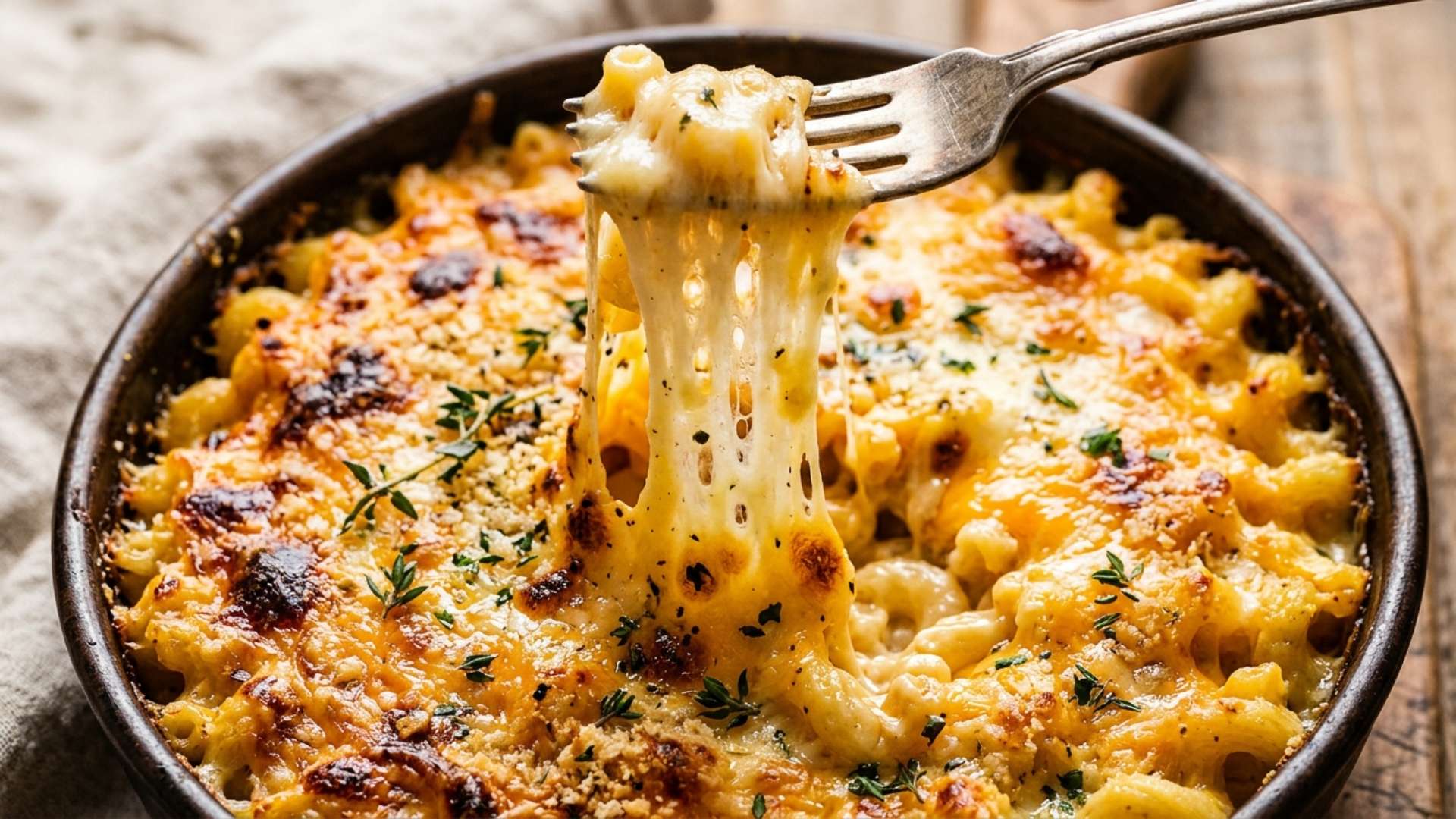
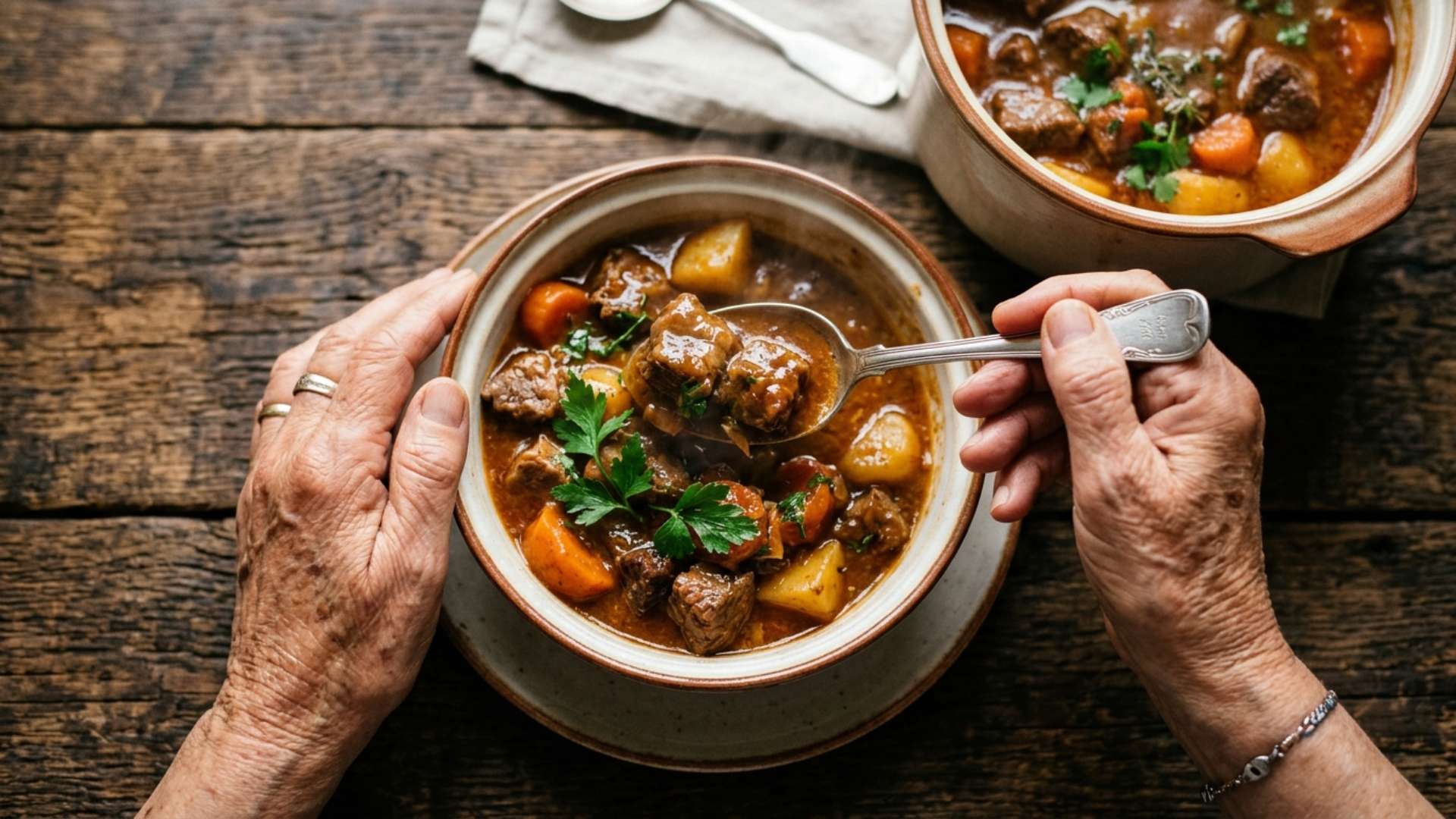
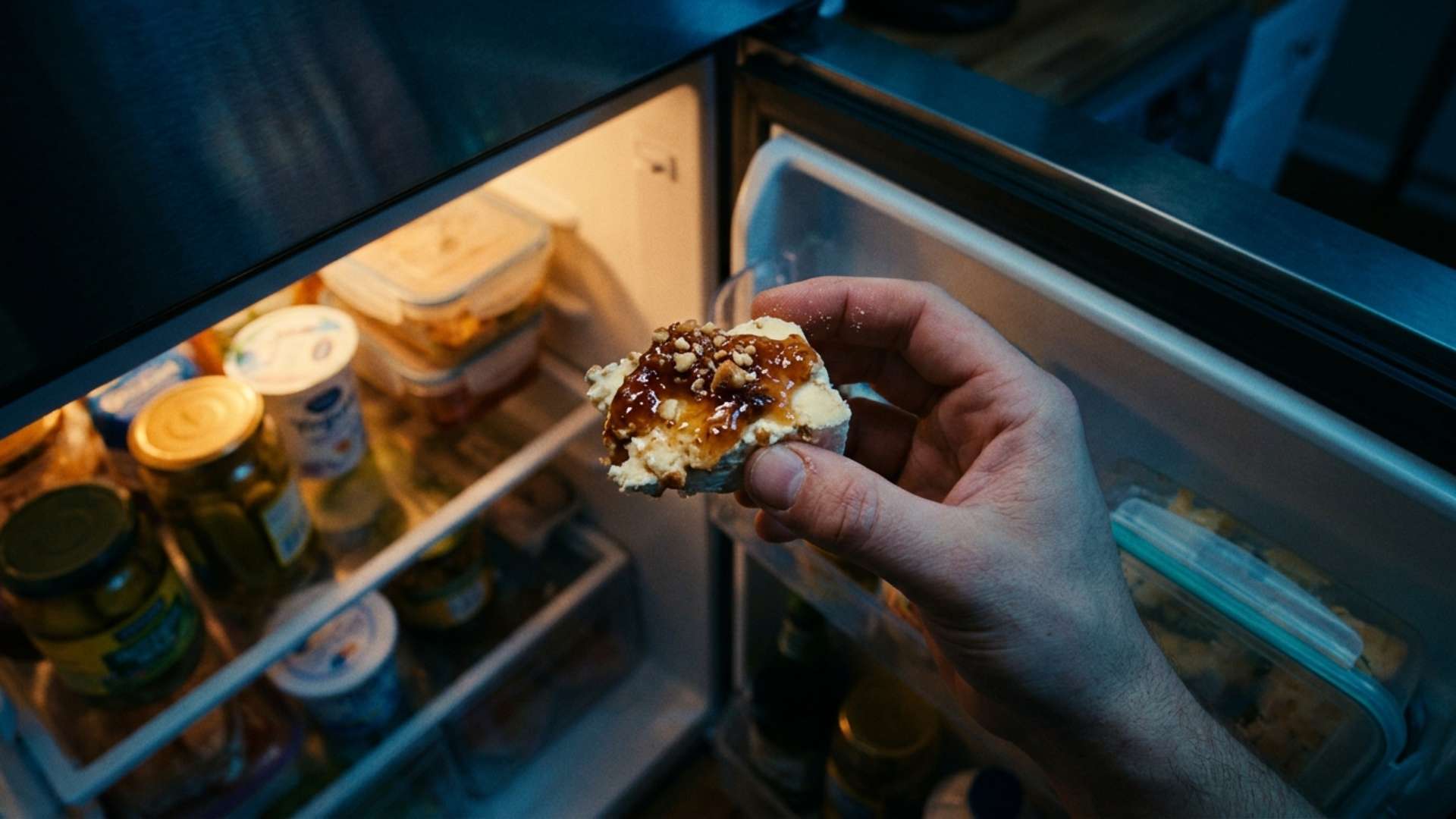
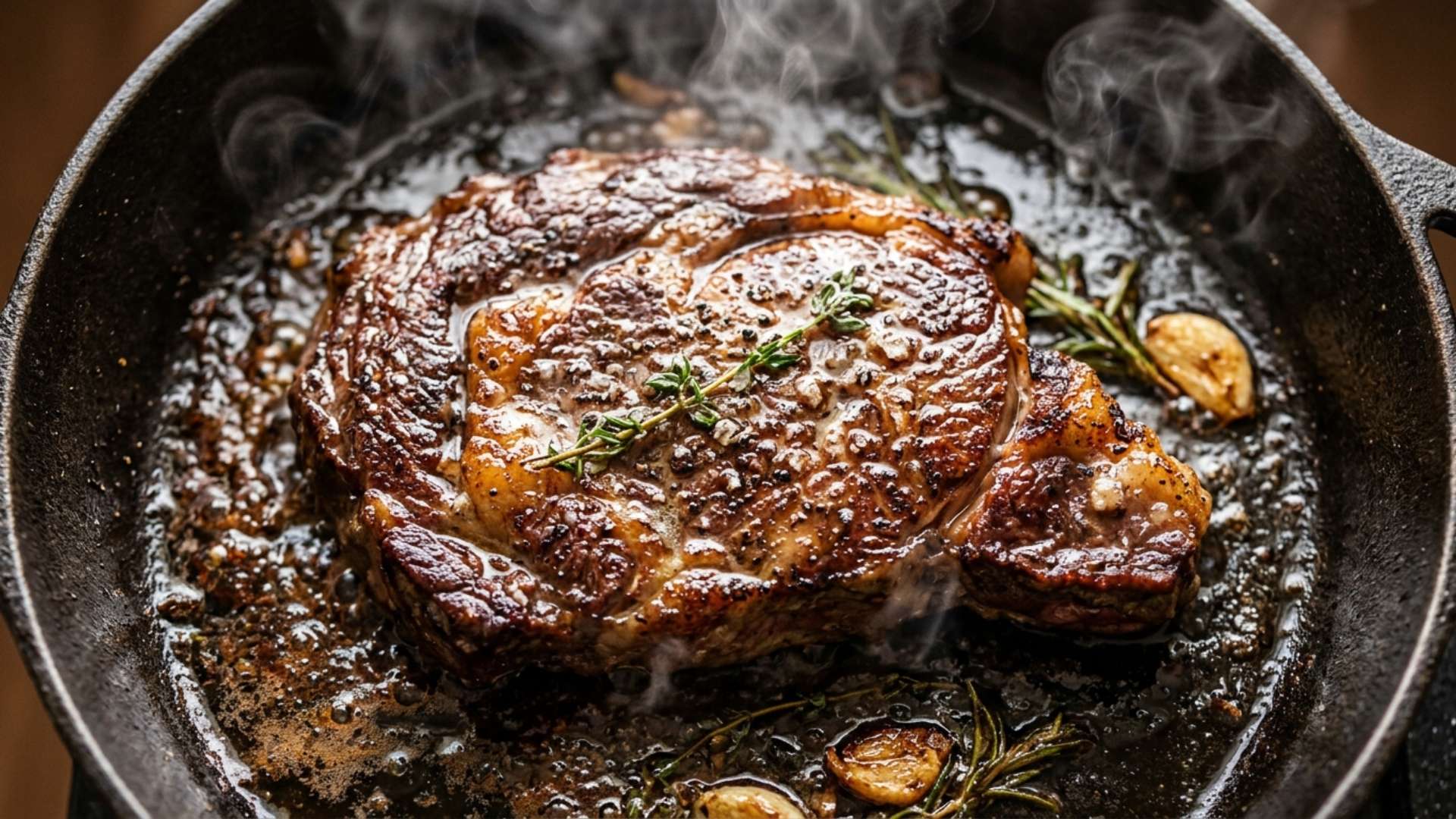
These five arrive with an emotional weather report attached. They show up after hard days, lonely evenings, and long weeks — and they’re far more about safety than sugar.
The Tired & Stressed Cravings — When Your Nervous System Orders the Snack
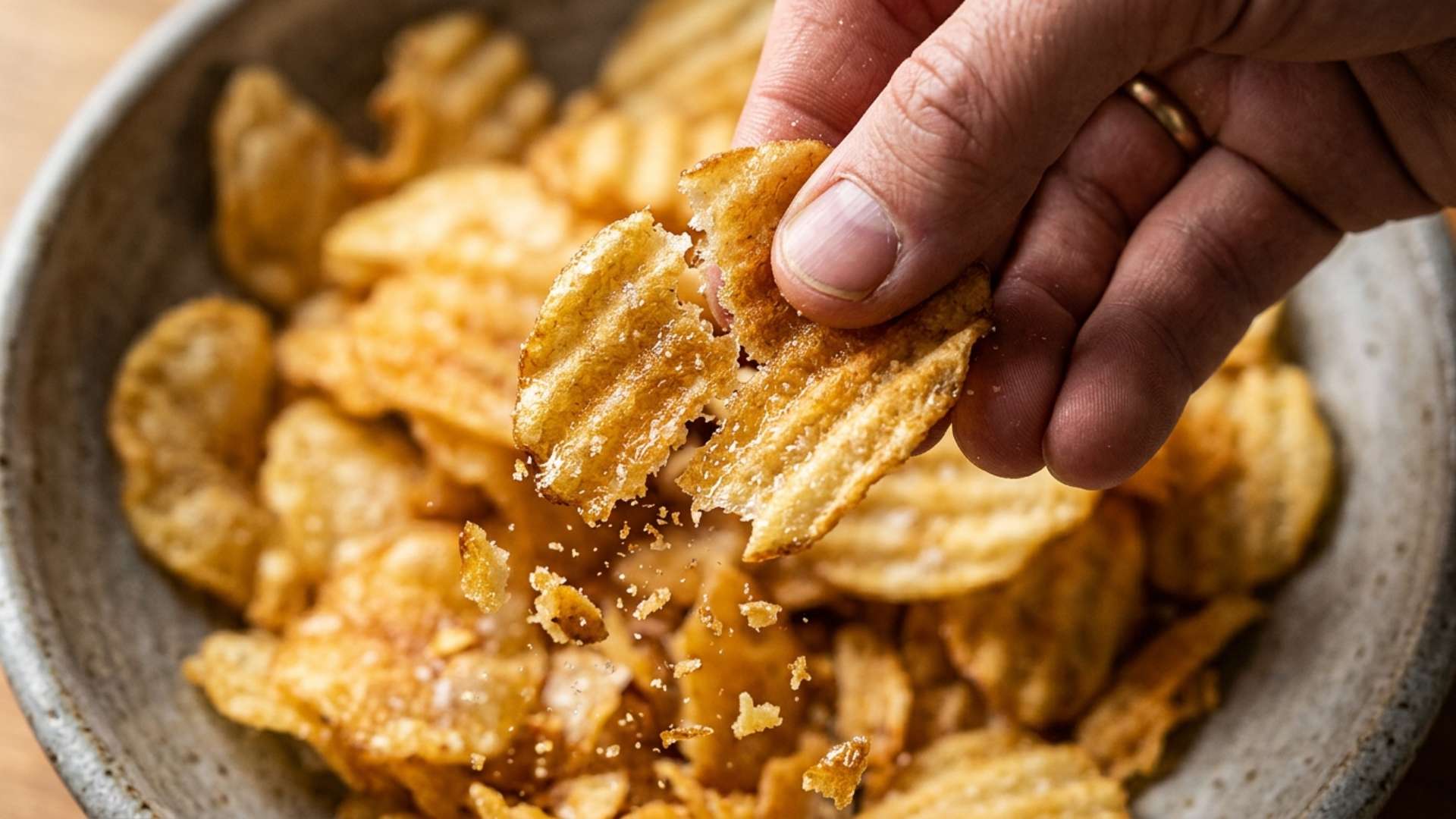
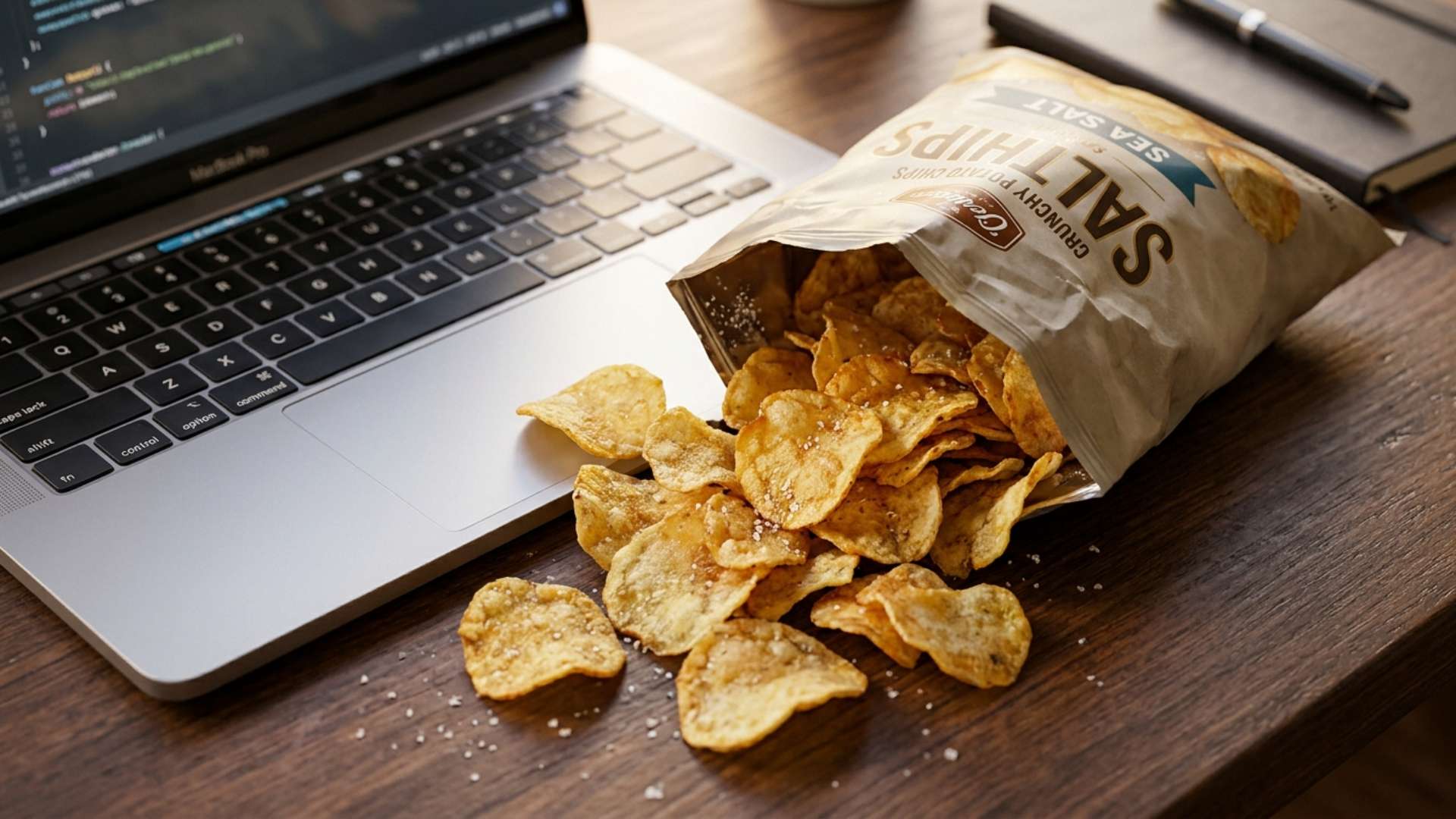
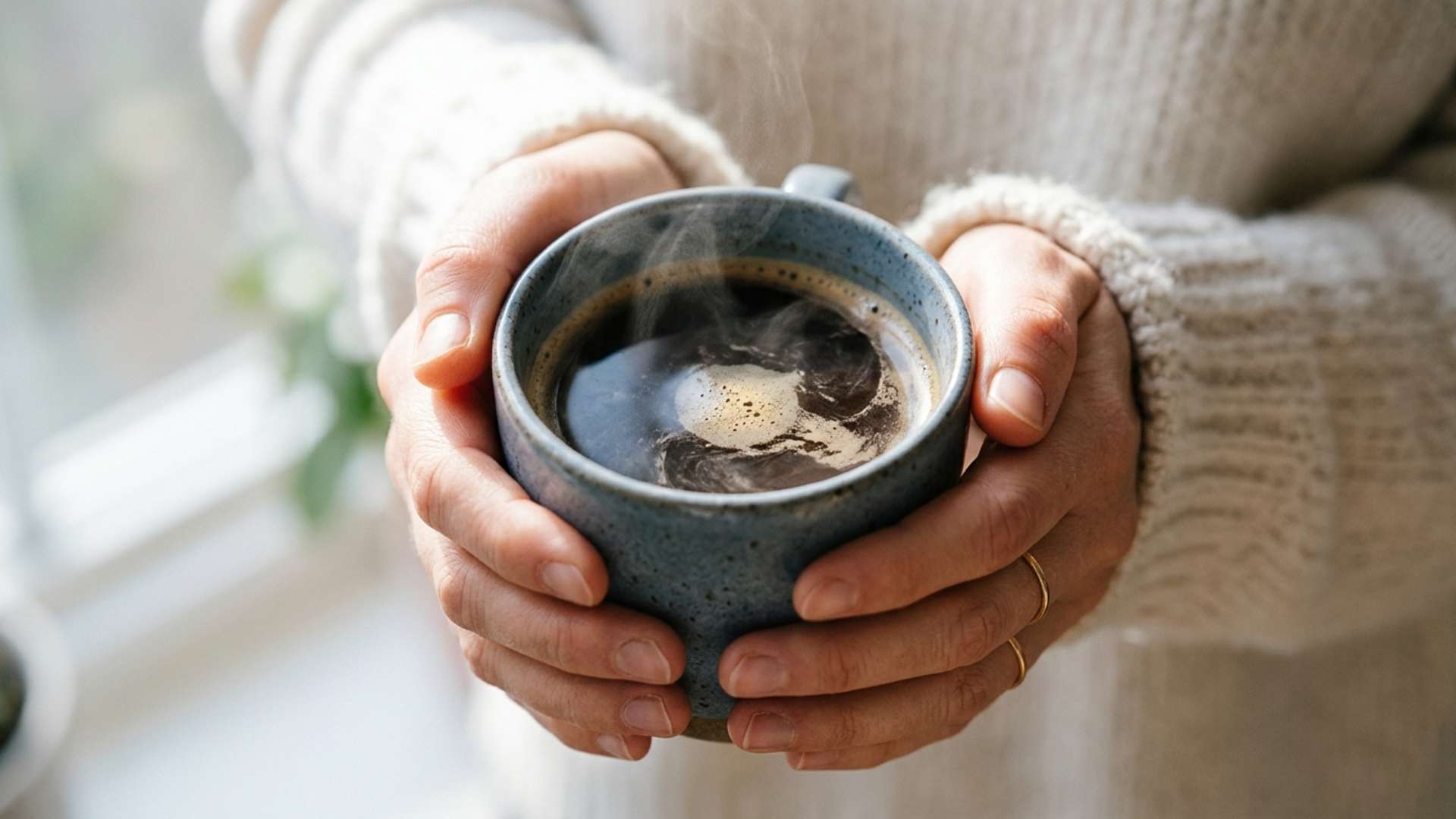
📷 Part of the appeal is the sound — your brain is listening as much as tasting.
If the comfort cravings are about feelings, these five are about load. They spike when sleep is short, deadlines are long, and the evening finally gives your brain permission to stop holding it together.
Elissa Epel’s lab at UC San Francisco has spent two decades linking stress hormones to food choice. In a 2011 study of 59 women, the most chronically stressed participants reported more emotional eating — and their bodies showed a dampened cortisol response, hinting that sugary, fatty comfort food may work as a kind of self-medication. It’s one reason stress cravings feel so urgent: in the short term, they genuinely take the edge off.
Tomiyama AJ, Dallman MF, Epel ES. Psychoneuroendocrinology. 2011;36(10):1513–1519
(Univ. of Chicago, 2004)
(Cell Metabolism, 2018)
What Two Short Nights Do to Your Cravings
Healthy young men slept 4 hours a night for two nights, then 10 hours for two nights. Changes shown for the short-sleep condition.
Note: a small, short-term lab study. Lighter shading on the first bar shows the 33–45% range reported across food categories.
This University of Chicago study is small, but its pattern has been echoed by much larger research since. The takeaway is wonderfully practical: the most effective anti-craving strategy might be going to bed. Fewer hours asleep means more of the hormone that says “eat” and less of the one that says “enough” — and the extra appetite goes straight to sweets, chips and bread, not salad.
The Body-Signal Cravings — When Your Body Really Is Talking
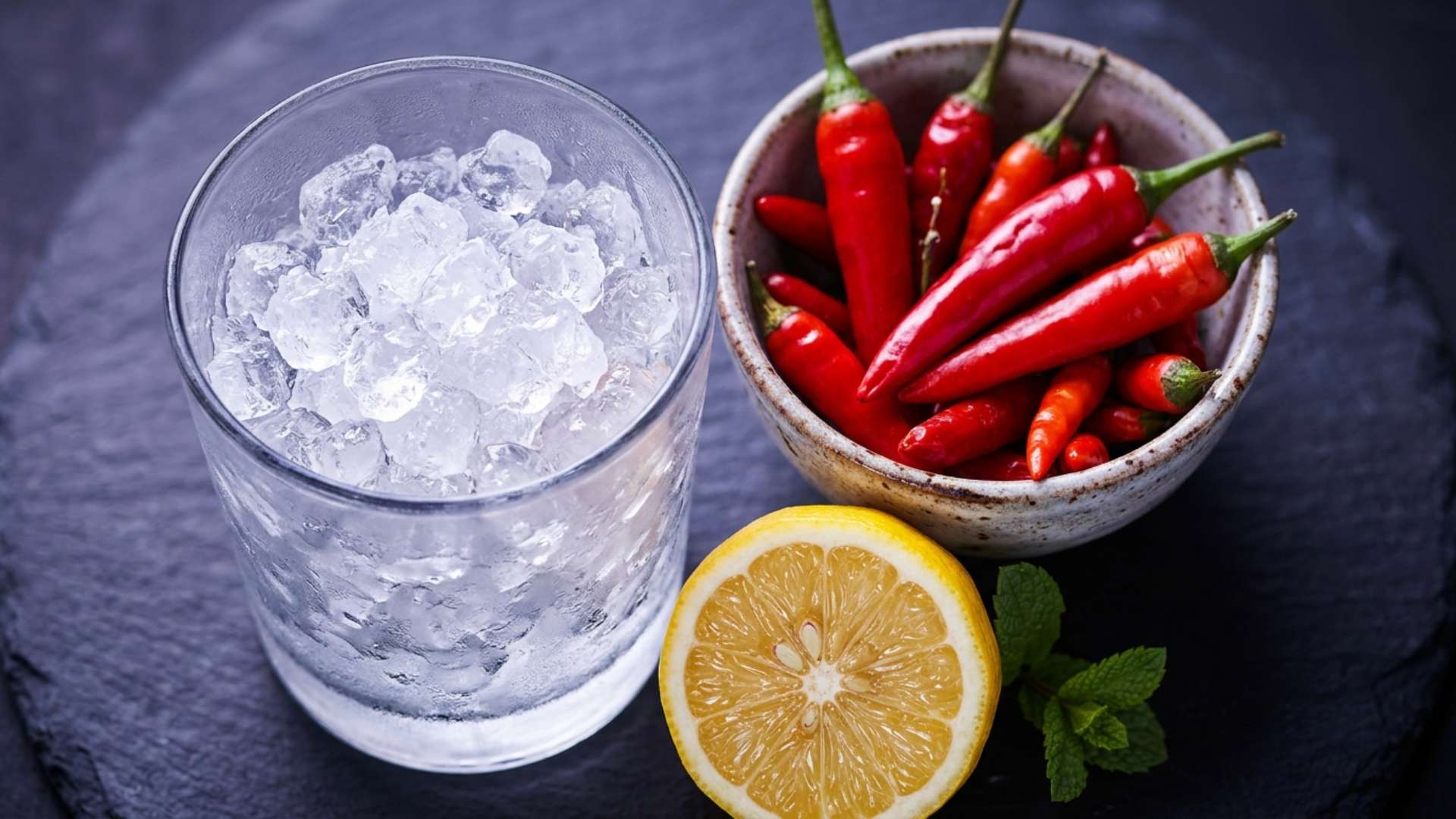
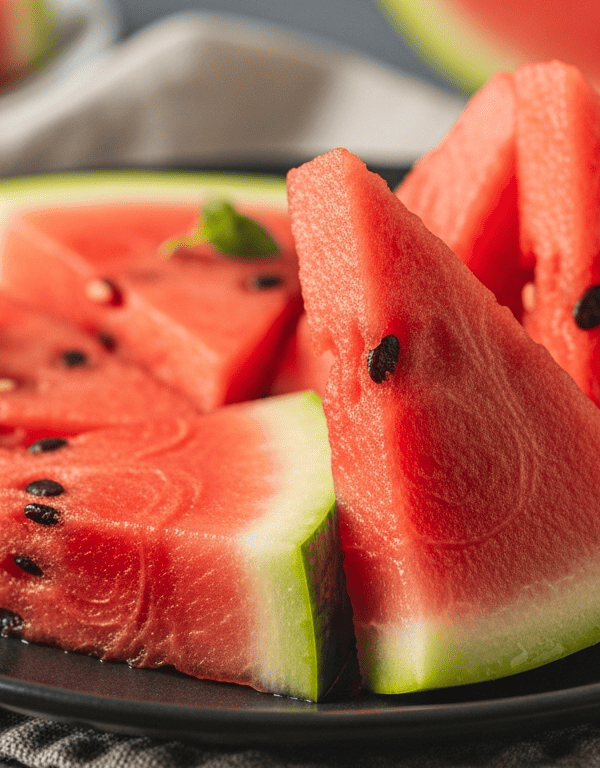
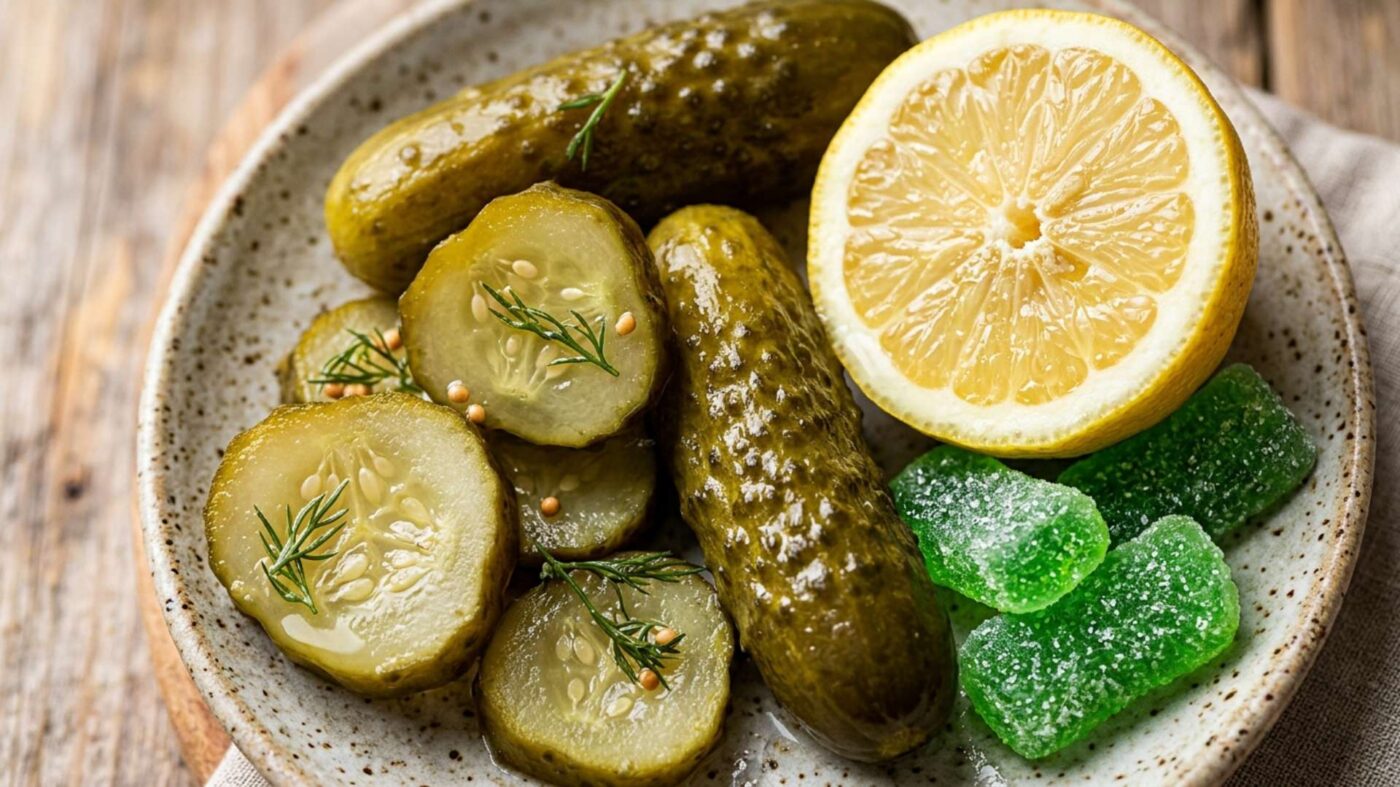
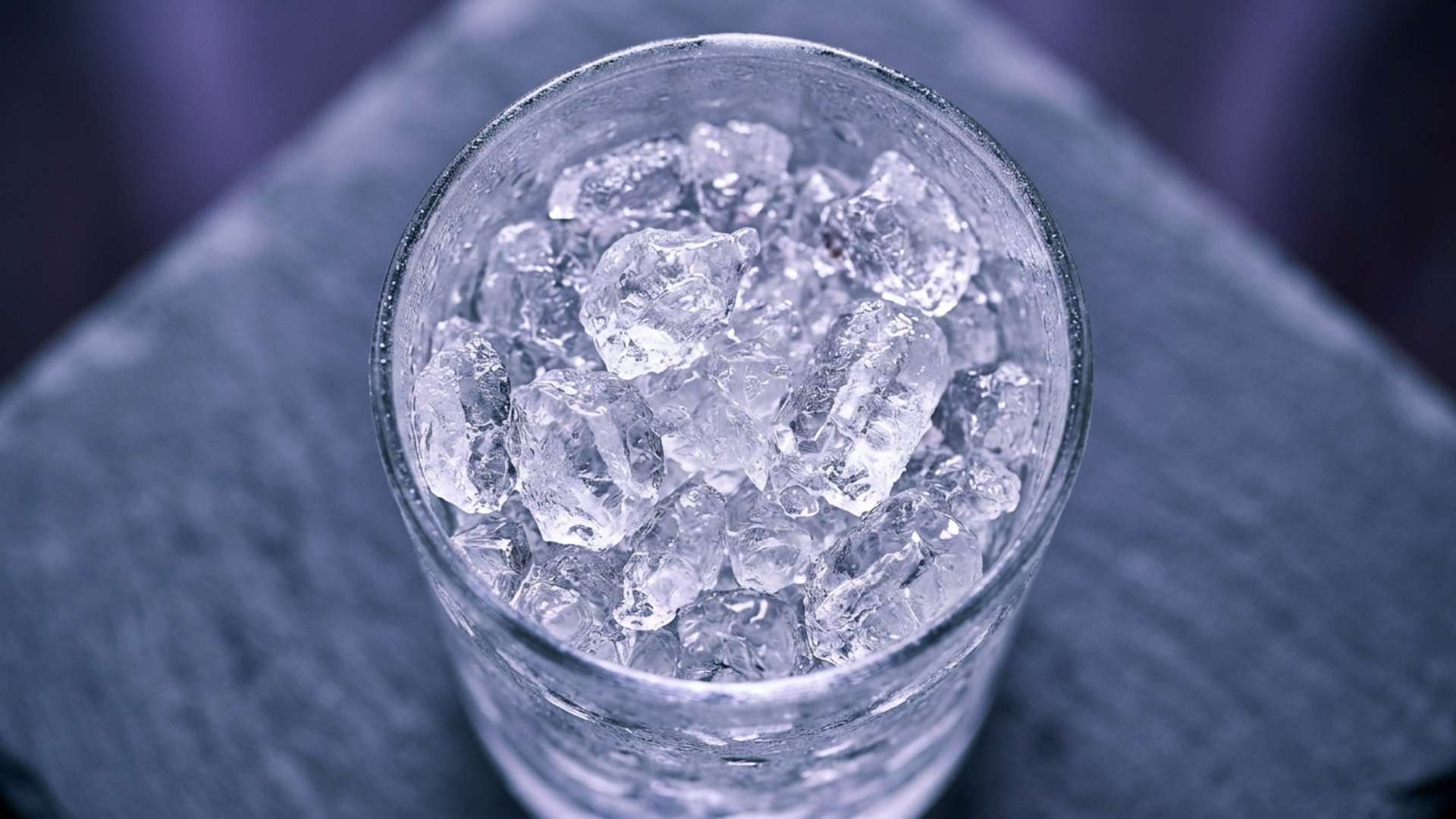
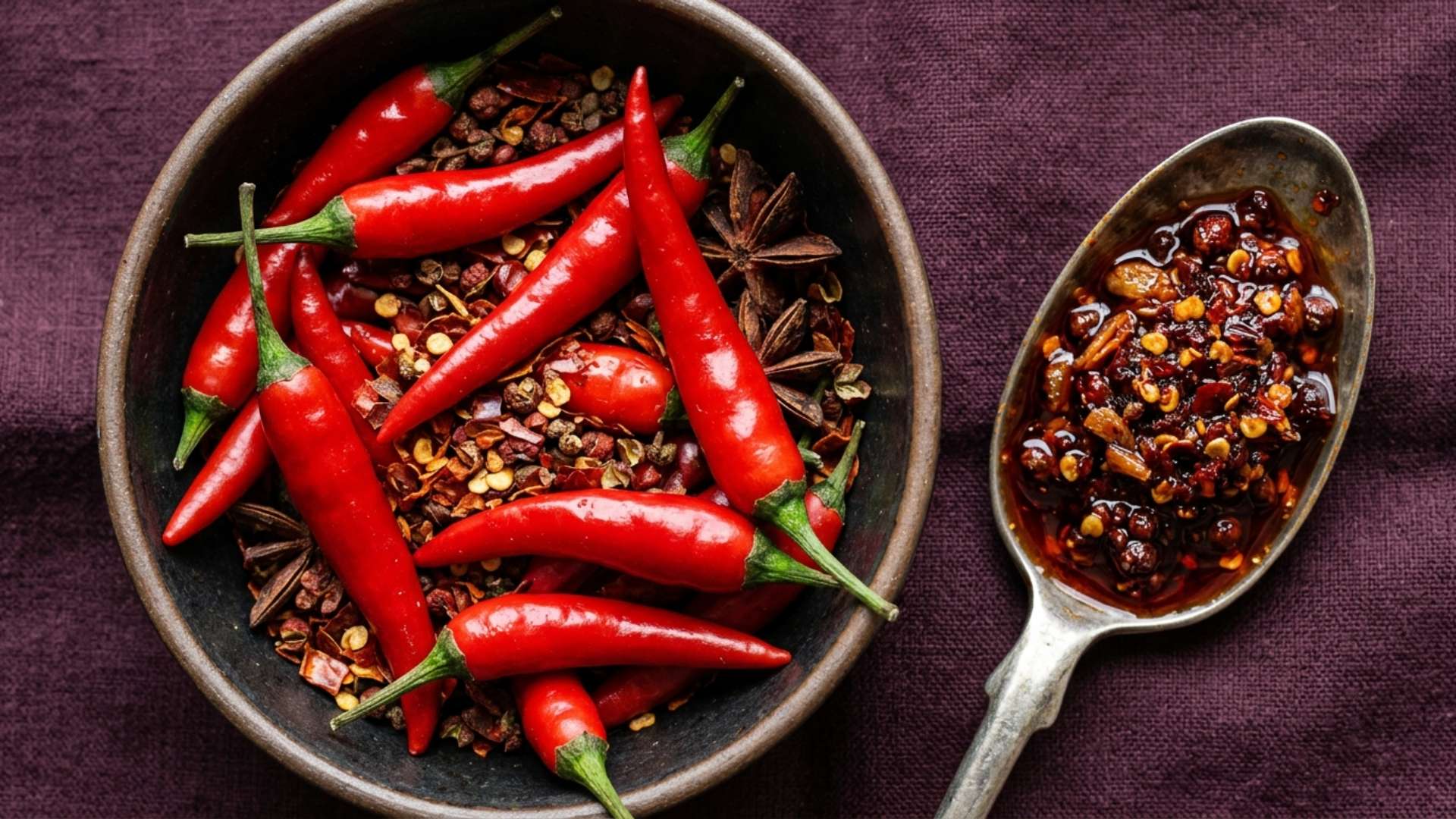
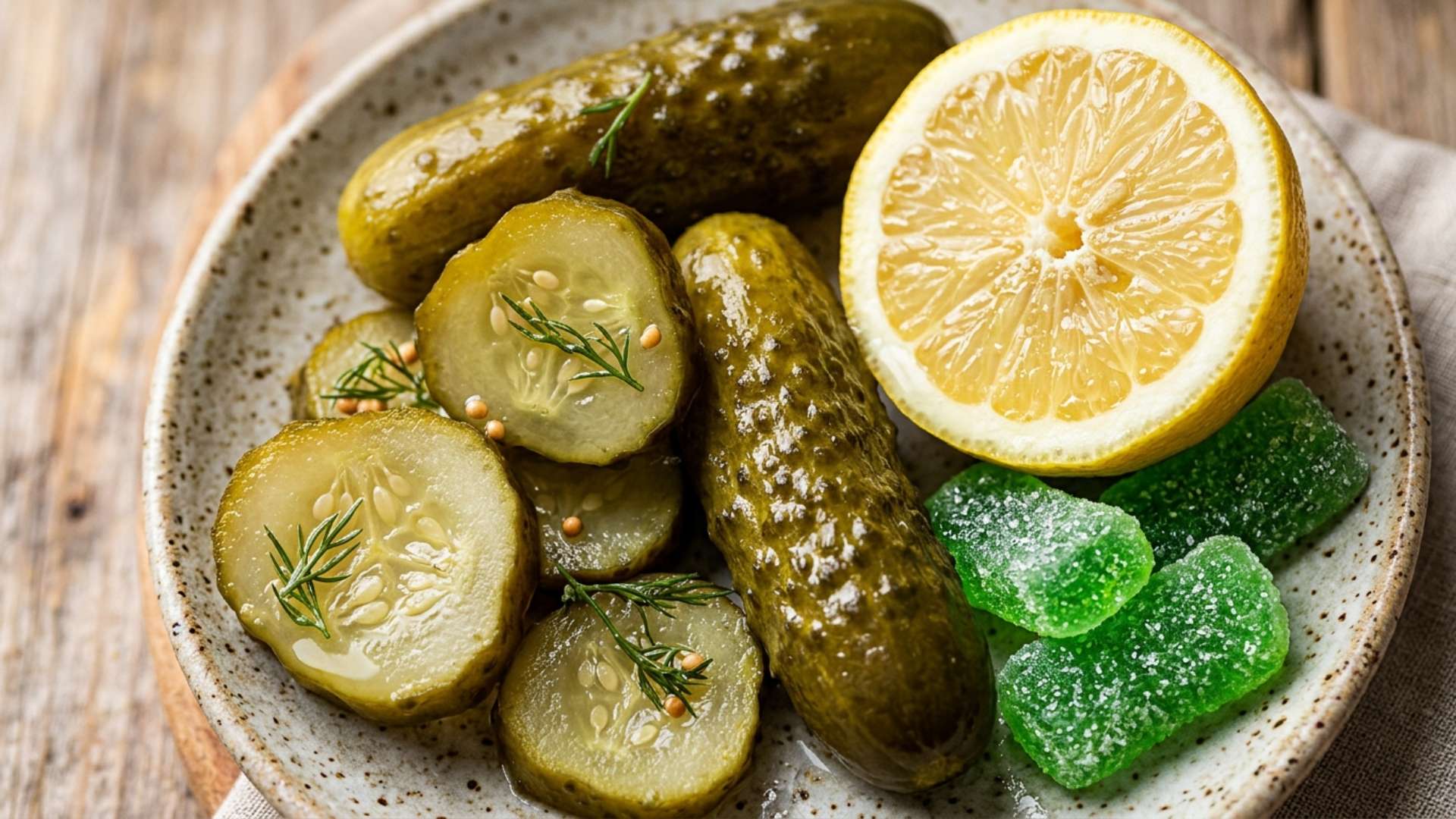
📷 Ice, chili and citrus — three cravings with surprisingly physical stories.
Few people realize that the deficiency theory isn’t entirely wrong — it’s just badly overused. A handful of cravings are linked to real physical states, and one of them is so reliable that some doctors treat it as a clue.
The Craving Decoder — All 15 at a Glance
What Almost Every Craving Has in Common
Line up all fifteen and four quiet patterns emerge. They’re worth knowing, because they explain more cravings than any nutrient chart.
4 Craving “Facts” the Research Quietly Corrects
Craving charts circulate endlessly on Pinterest. These are the claims most worth retiring.
Food Cravings FAQ
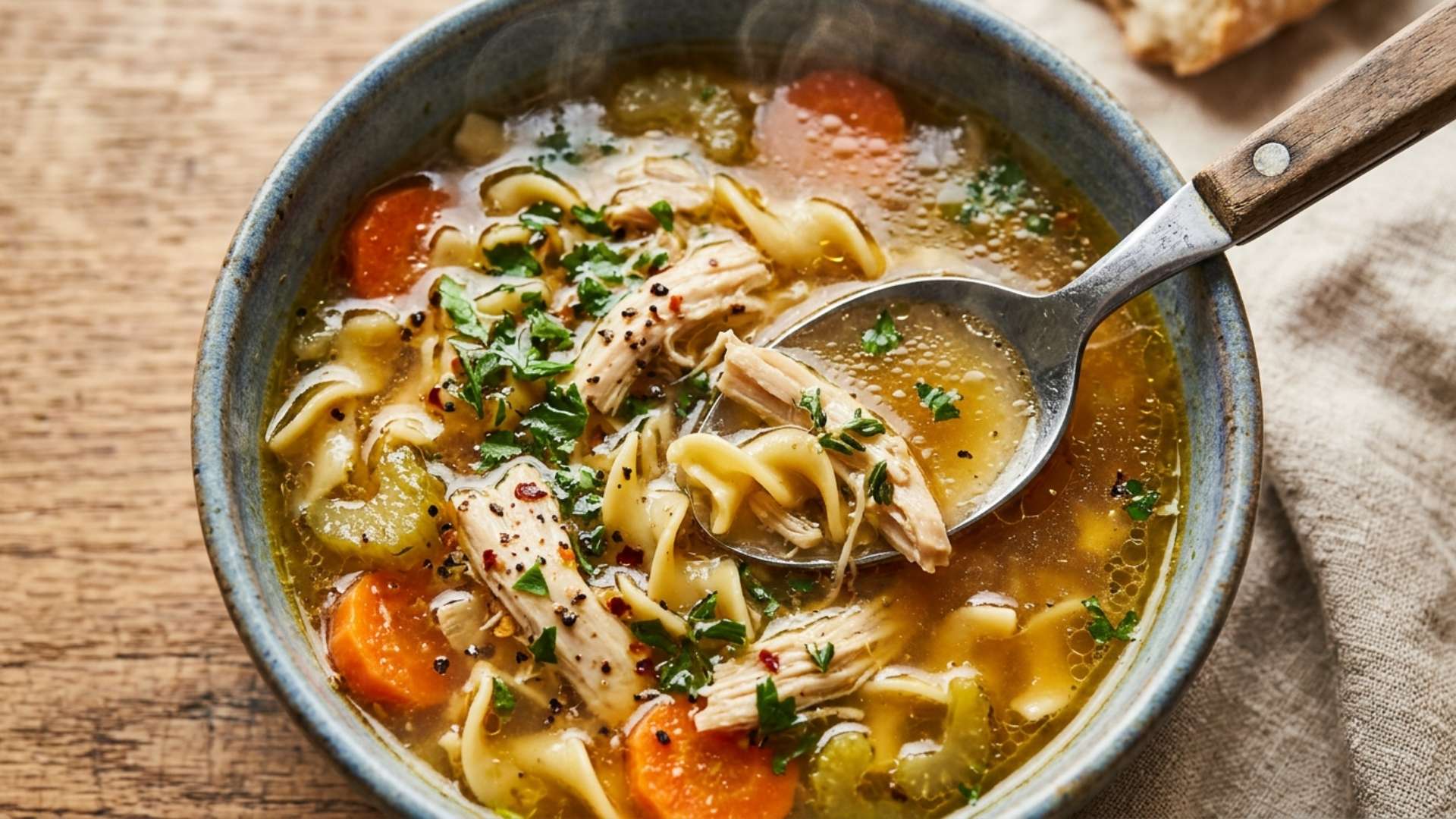
We’ve spent years treating cravings like enemies to defeat or nutrient alarms to obey. They’re neither. They’re closer to letters from the parts of ourselves we stop listening to — the tired part, the anxious part, the part that still remembers a kitchen from twenty years ago.
So the next time a single food appears in your mind with total clarity, try asking a different question. Not “Should I eat this?” but “What did today feel like?” The answer might be a square of chocolate. It might be an early night. And sometimes, it’s a phone call to the person who used to make the soup.