Healthy Alternatives to Kid Favorites
The Nugget, Pizza & Mac Swaps That Actually Work
Your kid isn’t loyal to chicken nuggets. They’re loyal to a crunch sound, a beige color, and a shape that never surprises them. Here’s the food science behind that loyalty — and how to keep the loyalty while changing what’s inside it.

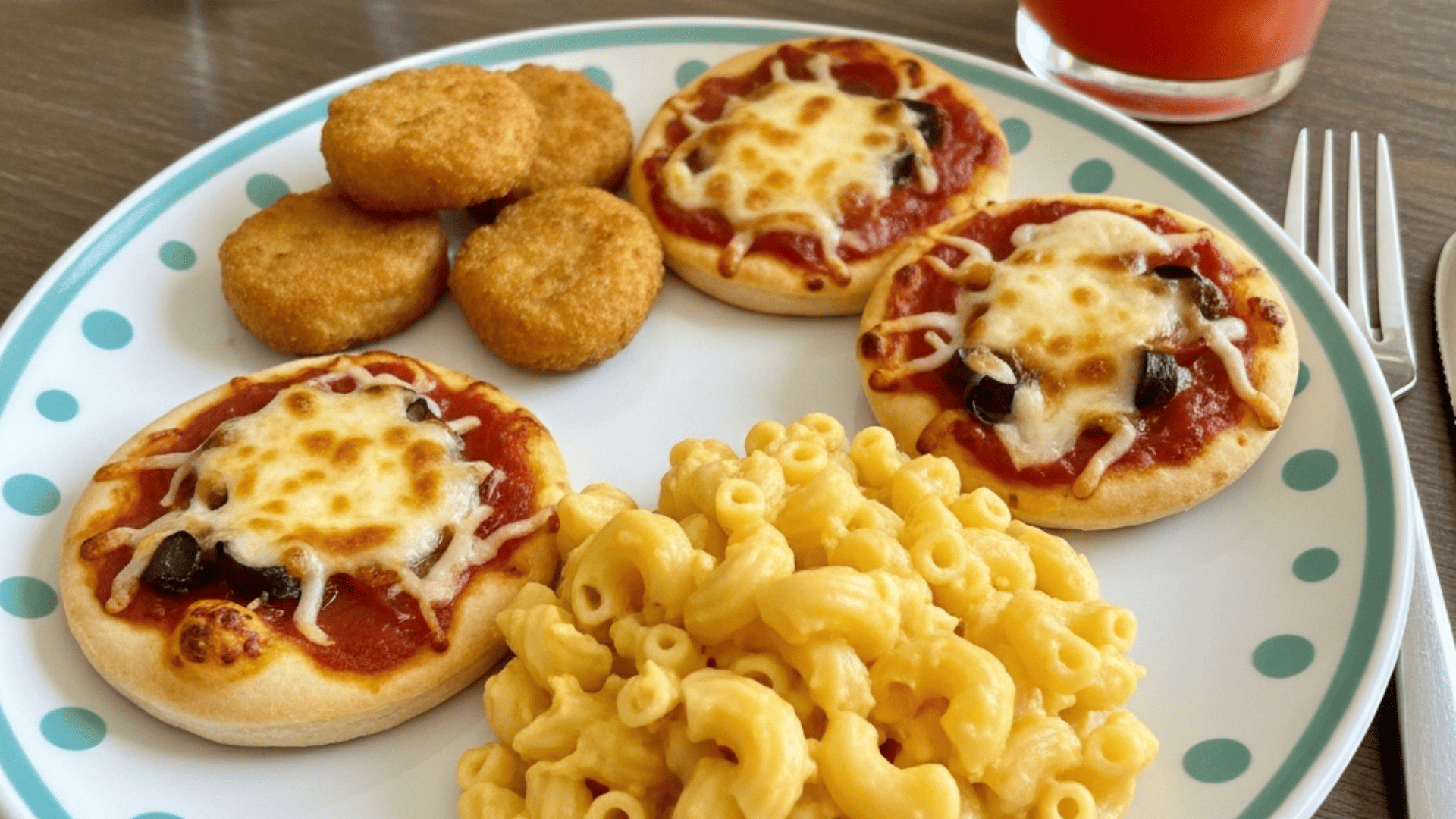
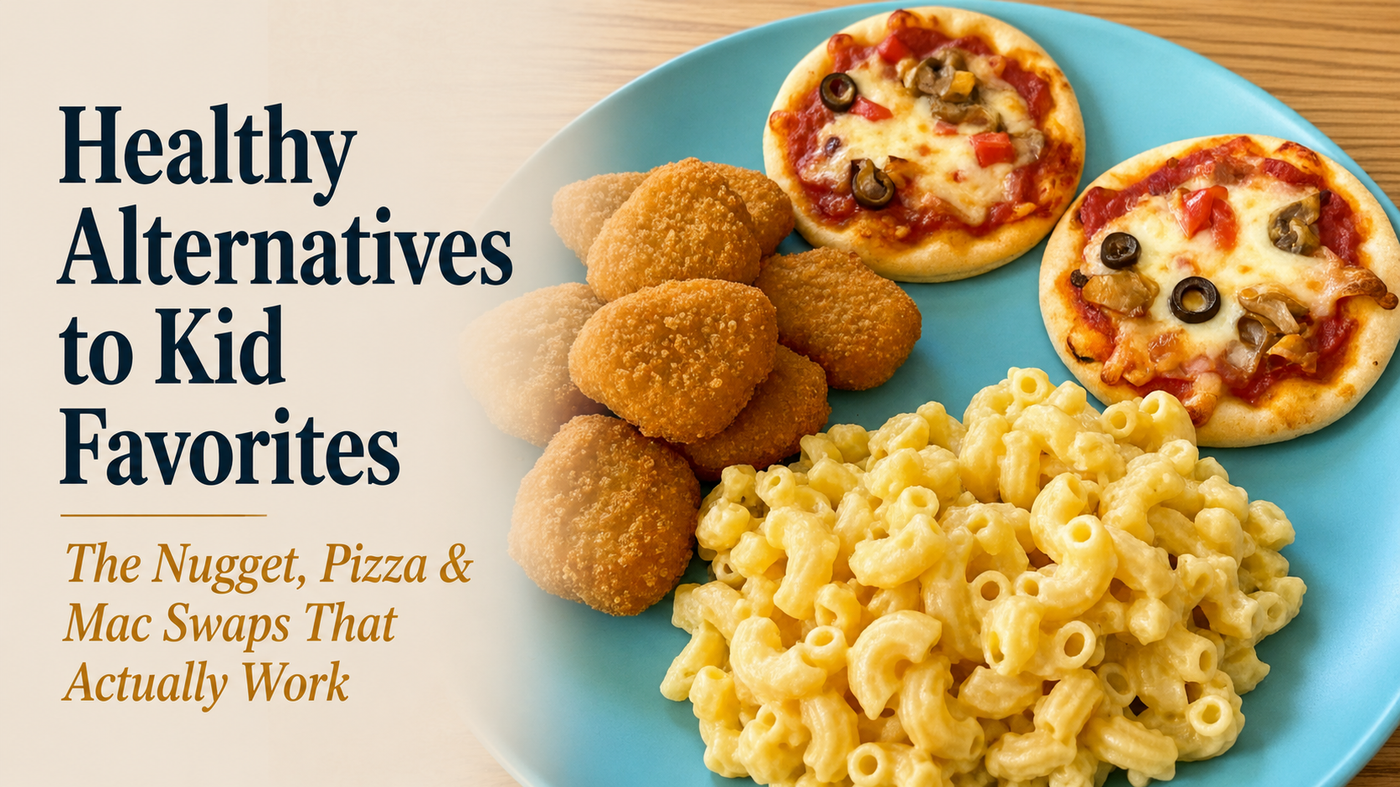
📷 Same shapes, same colors, same crunch. Completely different ingredient list.
No kid has ever requested chicken. What they request is a nugget — that specific dimpled, golden, snappable little shape that sounds a certain way when you bite it and tastes the same in every country on Earth. The chicken is almost incidental.
Once you see kid food this way — as a set of sensory promises rather than a set of ingredients — the whole “healthy swap” problem gets easier. You don’t have to fight the craving. You just have to keep the promise and rebuild what’s underneath it.
This is a deep dive into the actual research behind why kids fixate on nuggets, pizza, and mac and cheese — the sound science, the texture psychology, the sodium math nobody tells you — and the specific swaps that satisfy the craving without quietly overloading a six-year-old’s daily sodium budget before lunch is even over.
Why Kids Love These Foods — It’s Not Really About Flavor
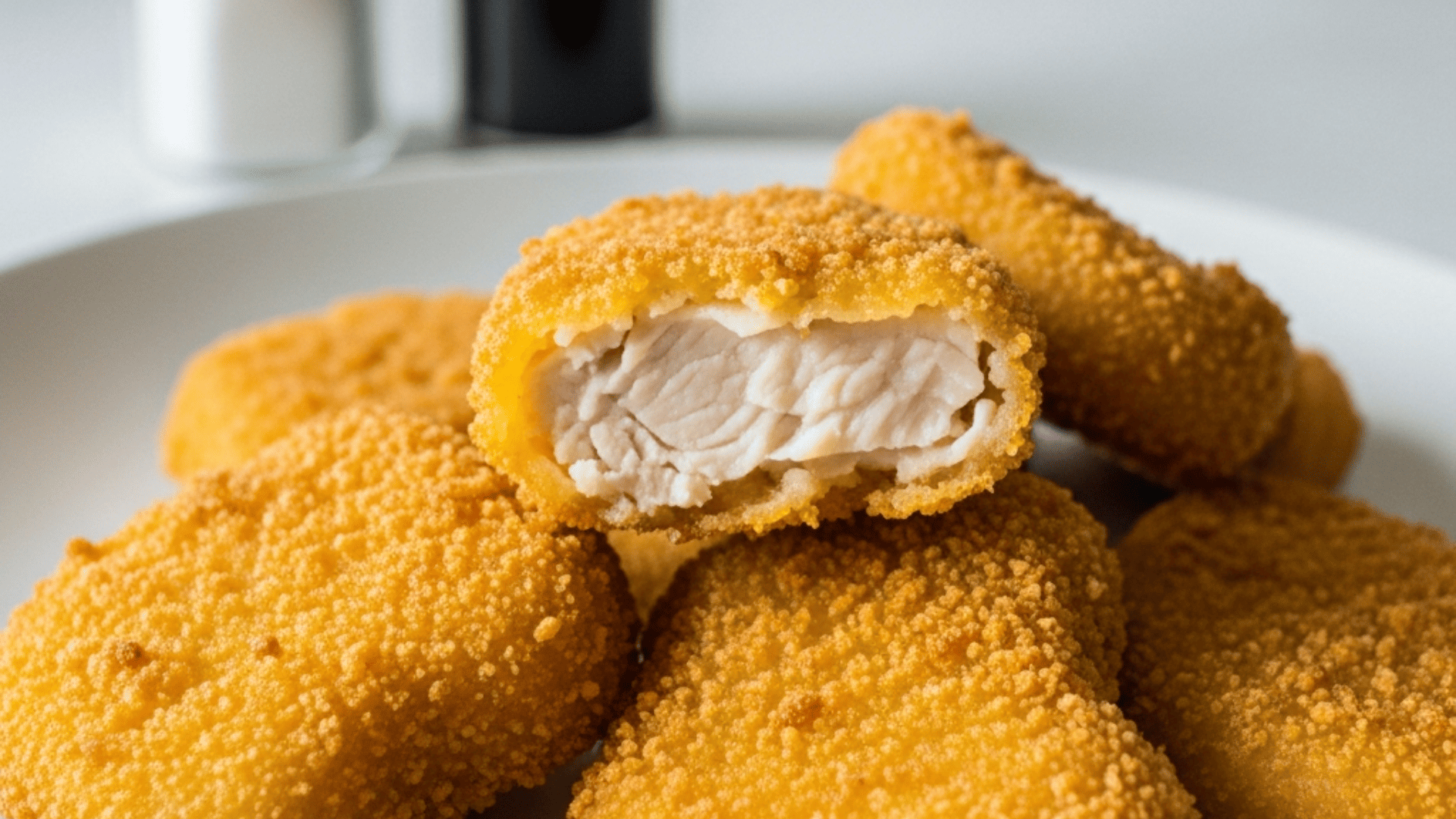
📷 That exact sound is doing more work than the seasoning is.
Ask a nutritionist why kids love nuggets and you’ll get an answer about salt and fat. Ask a sensory scientist and you’ll get a much stranger, more interesting answer: sound.
Oxford psychologist Charles Spence ran an experiment where 200 volunteers ate identical potato chips through headphones. When he electronically amplified the crunch, people rated the exact same chip as fresher and crispier — a 15% perception shift from sound alone. Nothing about the chip changed. Only what they heard themselves chewing changed.
Spence C. “Sonic Seasoning.” Oxford Crossmodal Research Laboratory — reported via Gastropod / Edible Geography.
Nuggets, crackers, fries, the corner of a grilled cheese — these foods all share a high-frequency, staccato crunch that the brain reads as a freshness signal left over from a much older instinct. Soft, mushy food used to mean spoiled food. A sharp snap meant safe to eat. Kids, with their less filtered sensory responses, react to that signal even more strongly than adults do.
Then there’s color. Nuggets, fries, mac and cheese, pizza crust — almost everything on the official kid-menu is some shade of beige, gold, or orange. That’s not an accident of fast food marketing. It’s the predictable end-product of frying and baking starches and cheeses, and predictability is exactly what a developing palate wants. A green sauce is information a young brain hasn’t finished processing yet. A beige crunchy shape is information it already trusts.
And the shape never changes. A nugget is the same nugget every single time — same size, same dip-to-bite ratio, same six bites to finish. For a brain still building a model of how the world works, that sameness isn’t boring. It’s restful. The food is one less unpredictable thing in a day that’s already full of them.
What’s Actually in the Box — The Math Nobody Reads at the Grocery Store
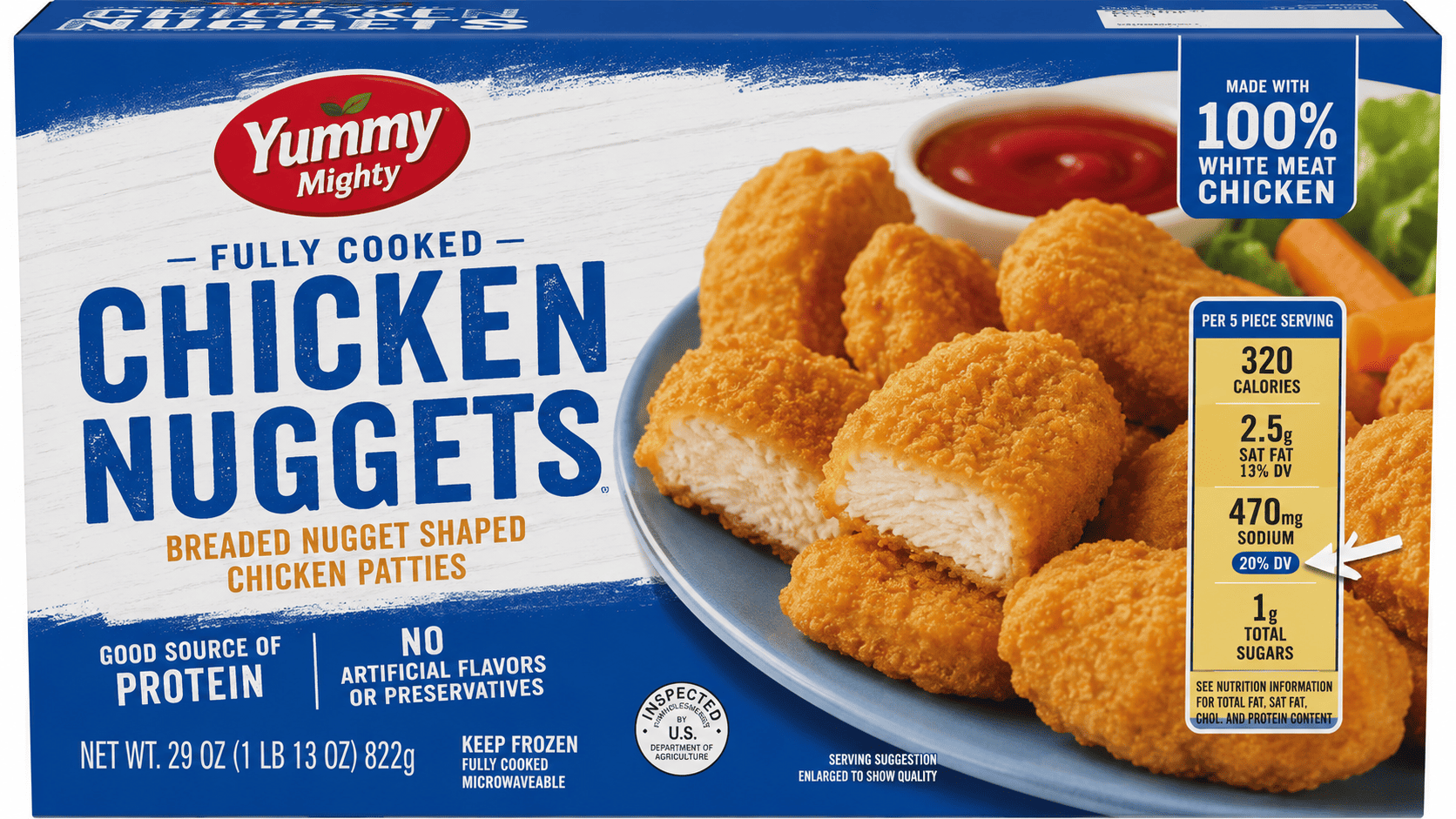
📷 The label tells the truth. Almost nobody flips the box over to find it.
Here’s the part that doesn’t show up on the cartoon mascot. The American Heart Association reports that children ages 2 to 18 eat an average of 3,330mg of sodium a day — more than 40% above the recommended ideal limit. Most of that sodium doesn’t come from the salt shaker. It comes from processed, packaged, and prepared foods already built into the day before a parent ever touches a spice jar.
A child aged 4–8 has an adequate intake recommendation of about 1,200mg of sodium a day. A single serving of fast-food nuggets can run 400–600mg on its own. Add fries and a side of dip and lunch alone can clear the daily target — before dinner exists.
It isn’t really about one meal. It’s about what the research calls ultra-processed food — the NOVA classification system’s term for products built from industrial ingredients rather than recognizable foods. A 2024 review in the Jornal de Pediatria found that regular ultra-processed food consumption in children and adolescents consistently clustered with poor diet quality and insufficient physical activity across the studies it reviewed.
A 2025 study of 450 school-aged children in Chile, published in a peer-reviewed obesity journal, went a layer deeper: kids getting roughly 29% of their daily calories from ultra-processed foods showed measurable markers of systemic inflammation — and that 29% was actually lower than comparable cohorts in the UK (59%) and Brazil (nearly 70%) reported in the same review. The trend line, wherever researchers look, points the same direction.
None of this makes any single nugget dangerous. It makes the daily pattern worth noticing — and homemade versions of the exact same shapes are the most painless way to shift that pattern without a single argument at the dinner table.
10 Kid Favorites & Their Healthy Alternatives — Same Shape, Same Crunch, Rebuilt Underneath
None of these swaps require an announcement at the table. Each one works specifically because it’s invisible — the food still looks, sounds, and mostly tastes like the version a child already trusts.
Chicken Nuggets → Air-Fried Panko Chicken Bites
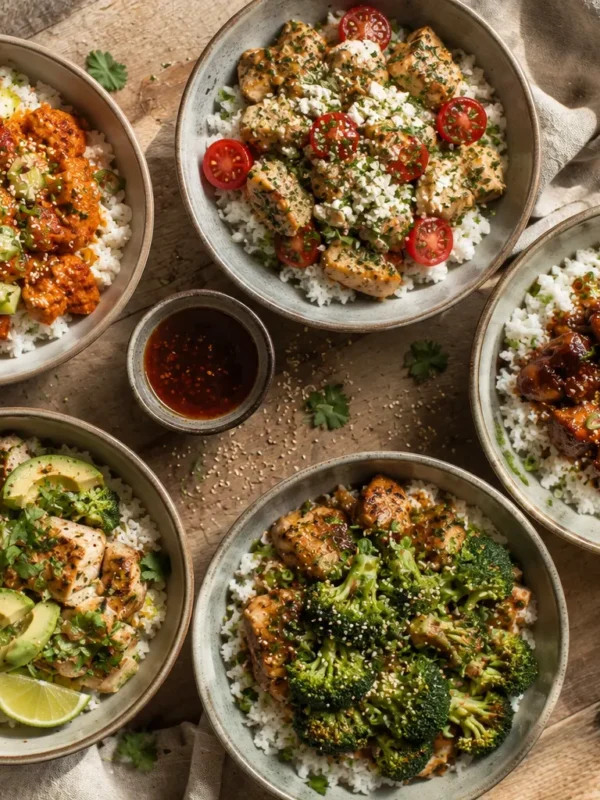
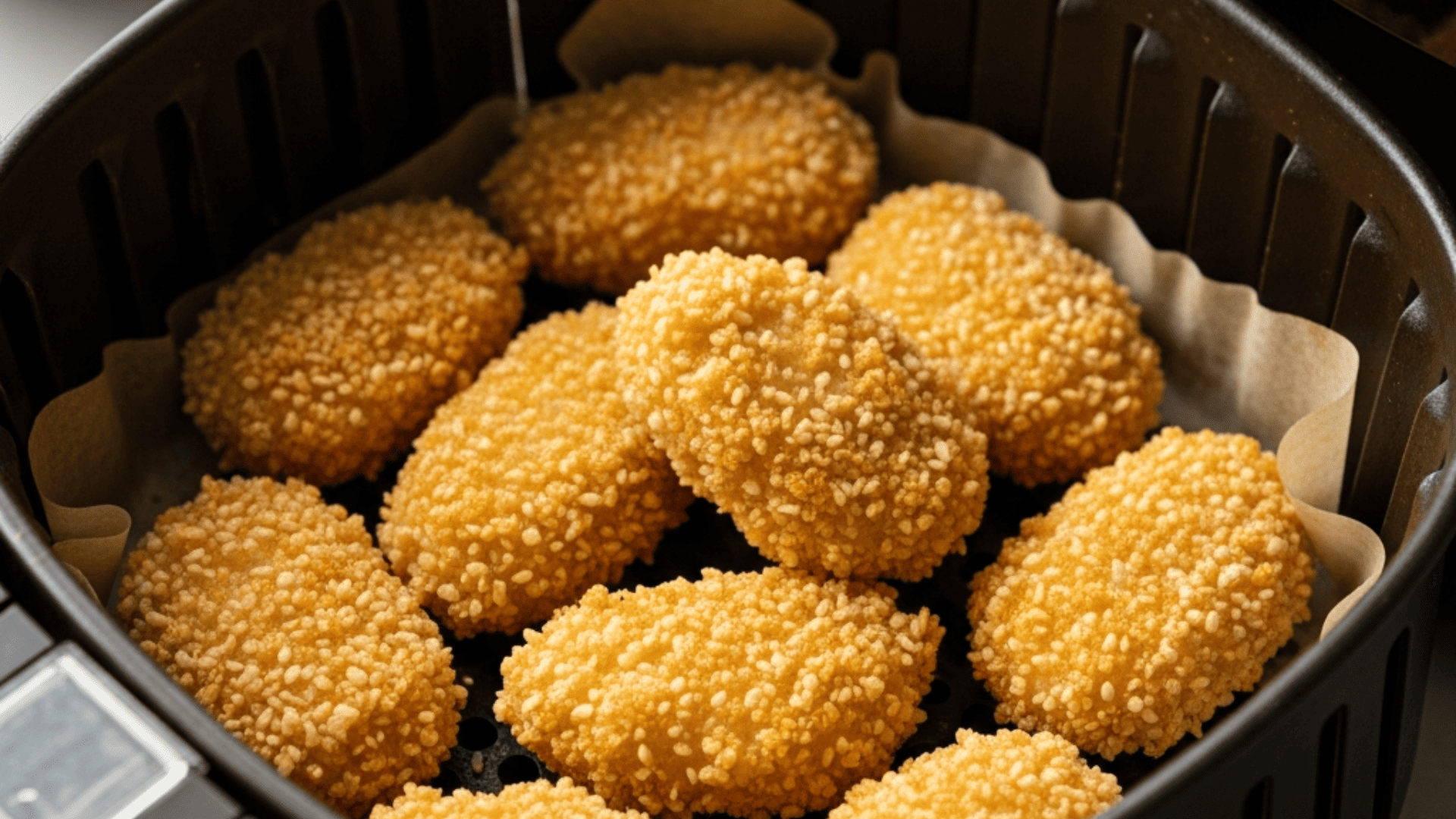
Most store-bought and fast-food nuggets lean on mechanically separated chicken plus a thick layer of breading — roughly 296 calories, 18g of fat, and 600–800mg of sodium per 100g for about 15g of protein. Cut boneless chicken breast into nugget-sized pieces, dip in egg wash, and press into whole-wheat panko — its craggy surface produces the same sharp, high-frequency crunch sound the brain reads as freshness. Air-fry or bake on a wire rack at 400°F for 10–12 minutes, flipping once. Same snap, double the protein, a fraction of the sodium.
Pizza → Whole-Wheat Mini Pizzas with Hidden Veggie Sauce
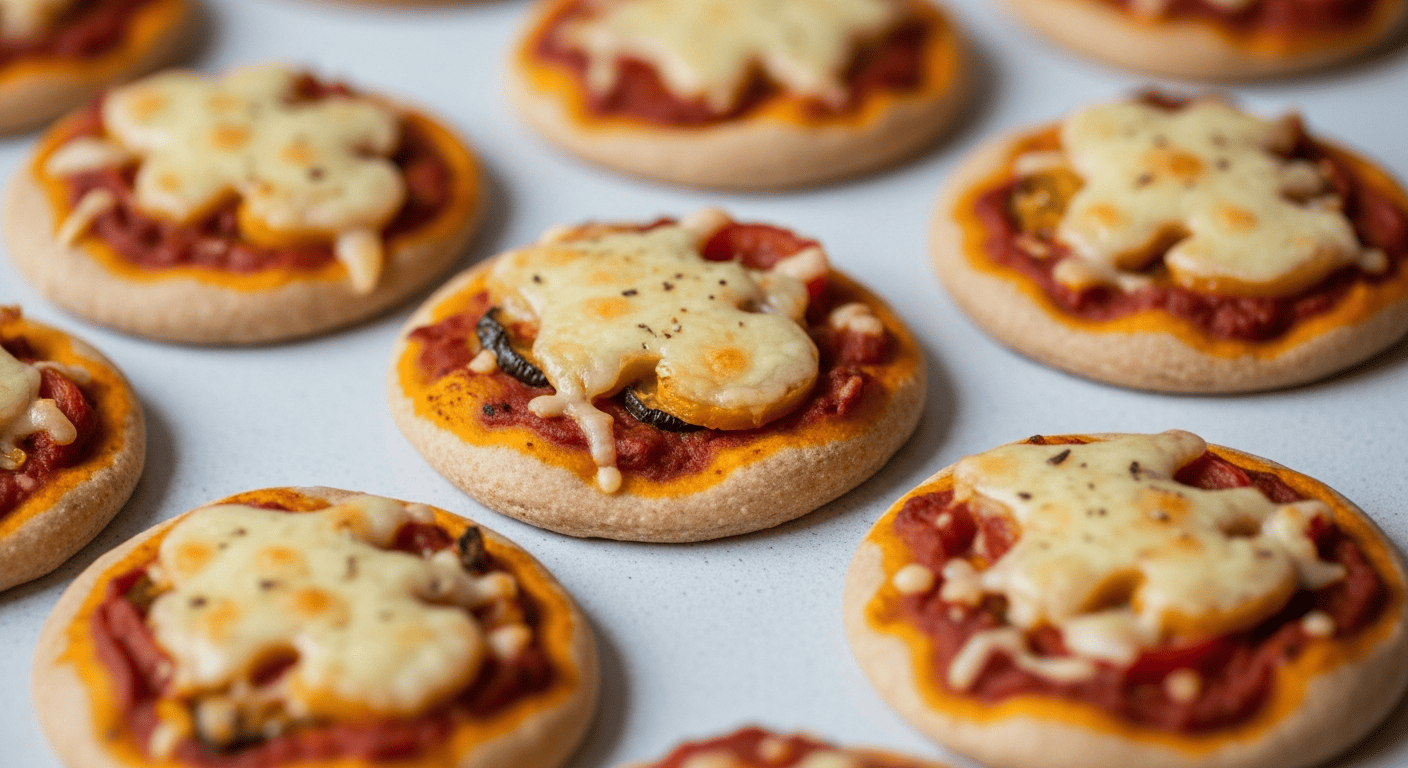
Pizza’s real draw is the cheese pull, not the crust — so leave the cheese alone and change everything underneath it. Swap refined white flour for a whole-wheat or cauliflower crust, and blend carrot and red pepper purée into a basic tomato sauce; it disappears completely under melted mozzarella, both visually and in flavor. Bake mini personal pizzas instead of slicing one large pie for built-in portion control. Pureed vegetables in a familiar sauce bypass the visual rejection that triggers food neophobia in the first place — exposure without the alarm bell.
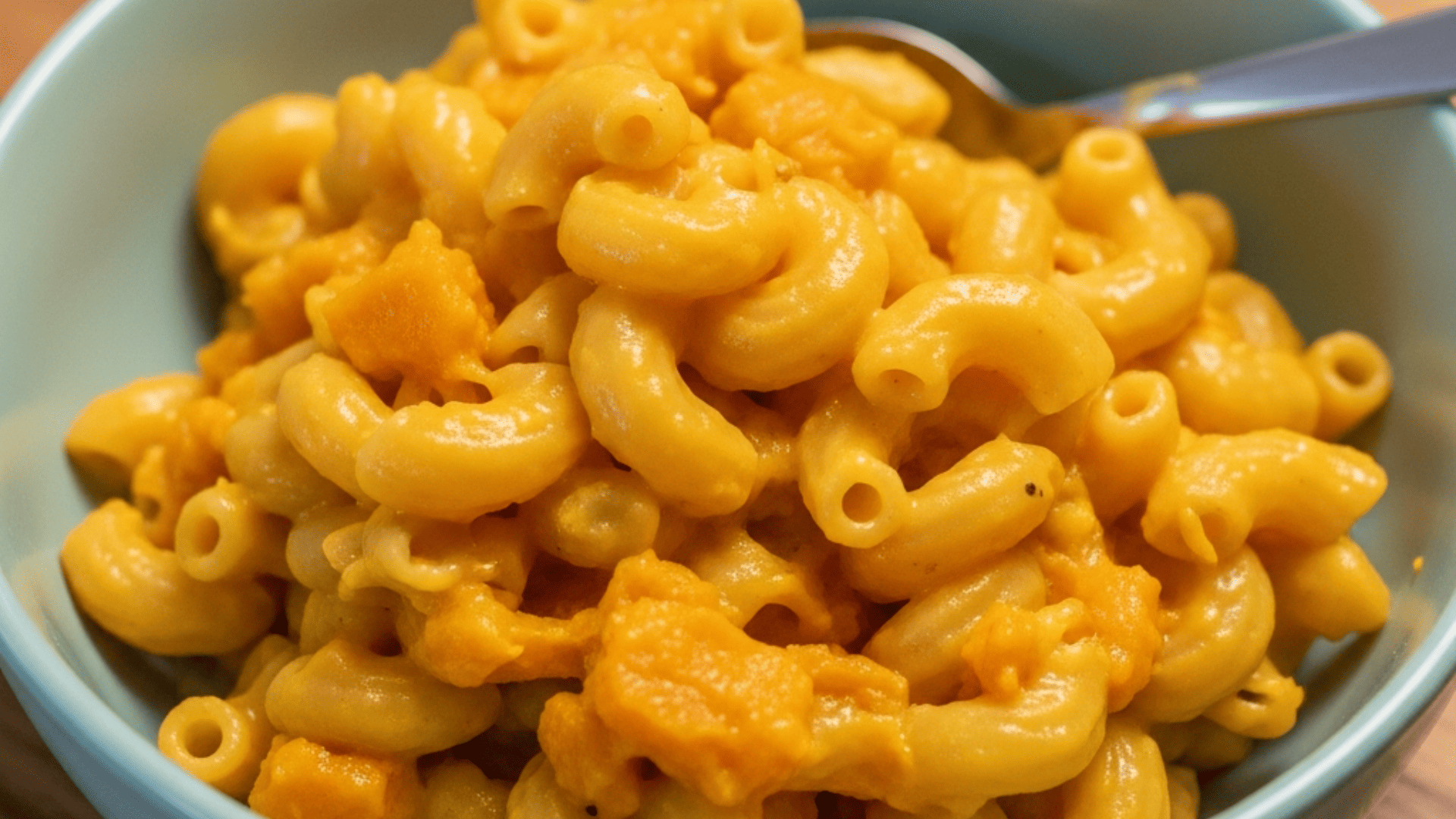
Mac & Cheese → Butternut Squash Mac
Stir roasted, blended butternut squash into the cheese sauce. The color barely shifts — already orange, already creamy — but a third of the cheese can be replaced with vegetable purée while the dish keeps its exact silhouette. The bite, the stretch, and the color all hold. The fiber and vitamin A go up considerably, and the swap is invisible precisely because orange stays orange.
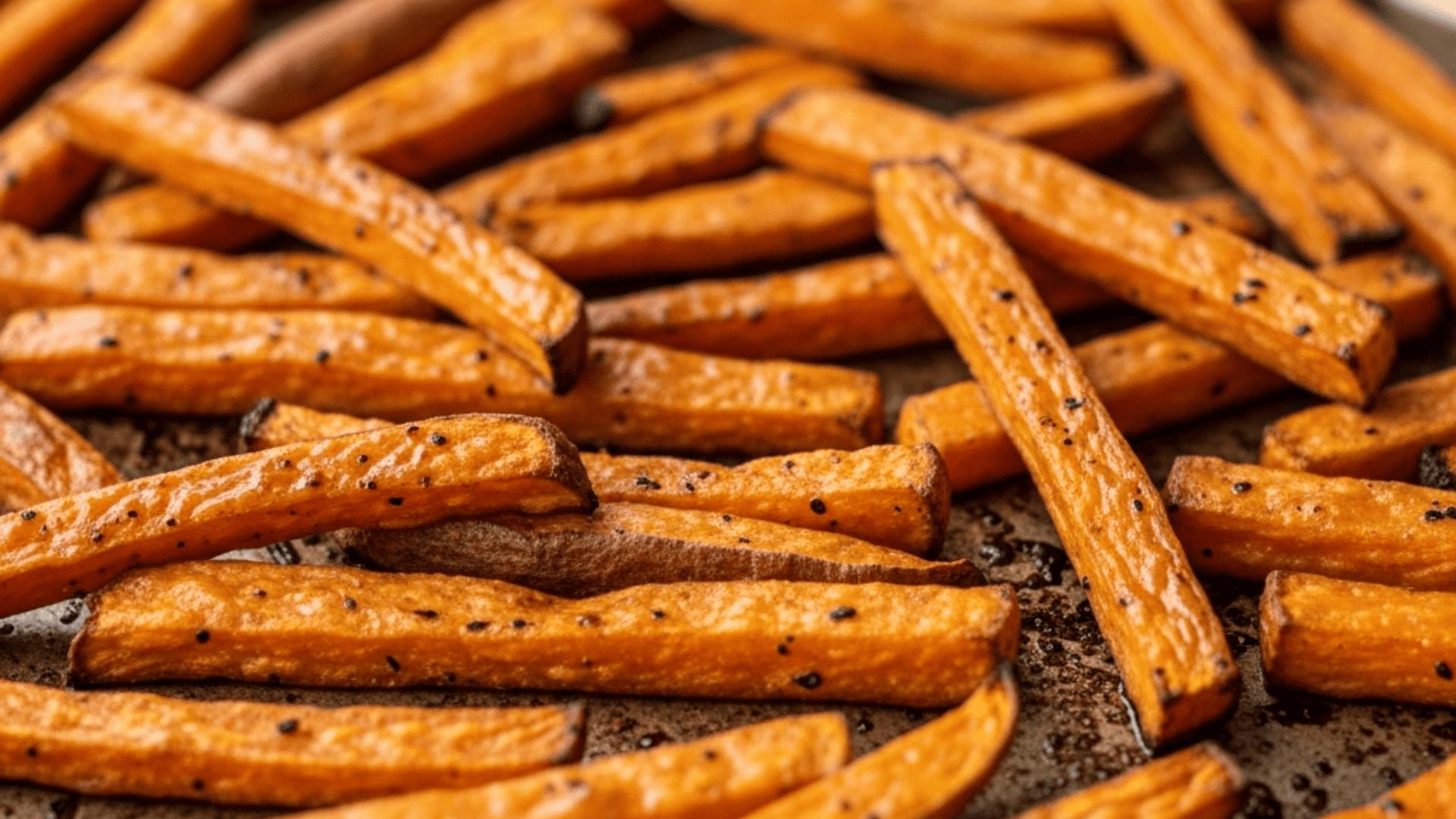
French Fries → Baked Sweet Potato Fries
Cut into matchsticks, toss in a teaspoon of oil, and bake hot (425°F) on a single layer with space between each piece — crowding is what makes oven fries go soft instead of crisp. Sweet potato brings beta-carotene and a natural sweetness kids respond to immediately, with none of the deep-fry oil load. No hidden ingredients, no flavor negotiation — the lowest-friction swap on this whole list.
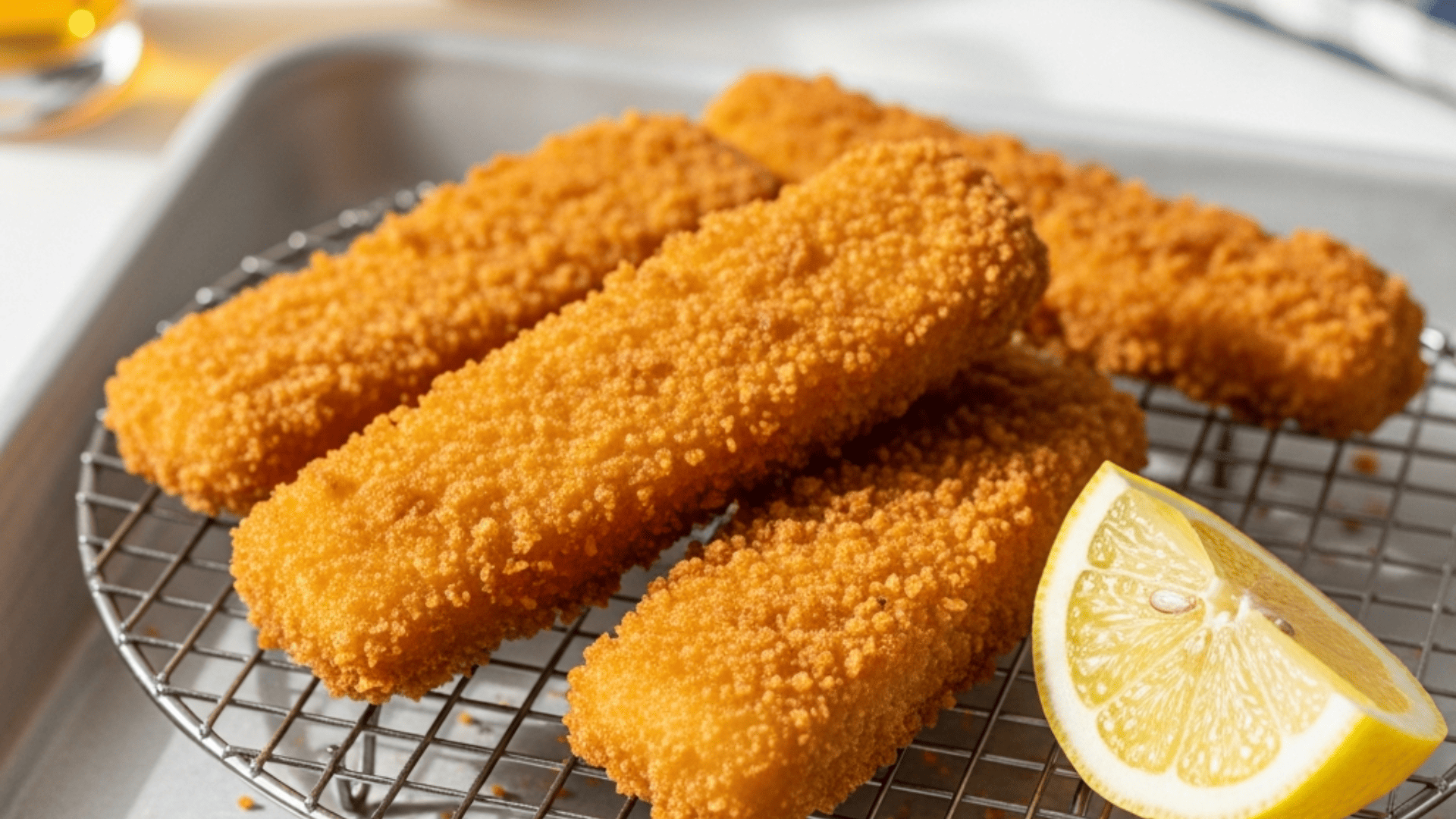
Fish Sticks → Homemade Panko-Baked Fish Sticks
A standard serving of frozen fish sticks runs about 565mg of sodium, and even “reduced-fat” baked versions still carry around 340mg — for a fish content often padded out with batter. Cut fresh cod or haddock into strips, coat in egg and panko, and bake on a wire rack at 425°F for 15–20 minutes. Homemade versions consistently land closer to 400–500mg of sodium with nearly double the protein per serving, since the breading is no longer doing most of the work.
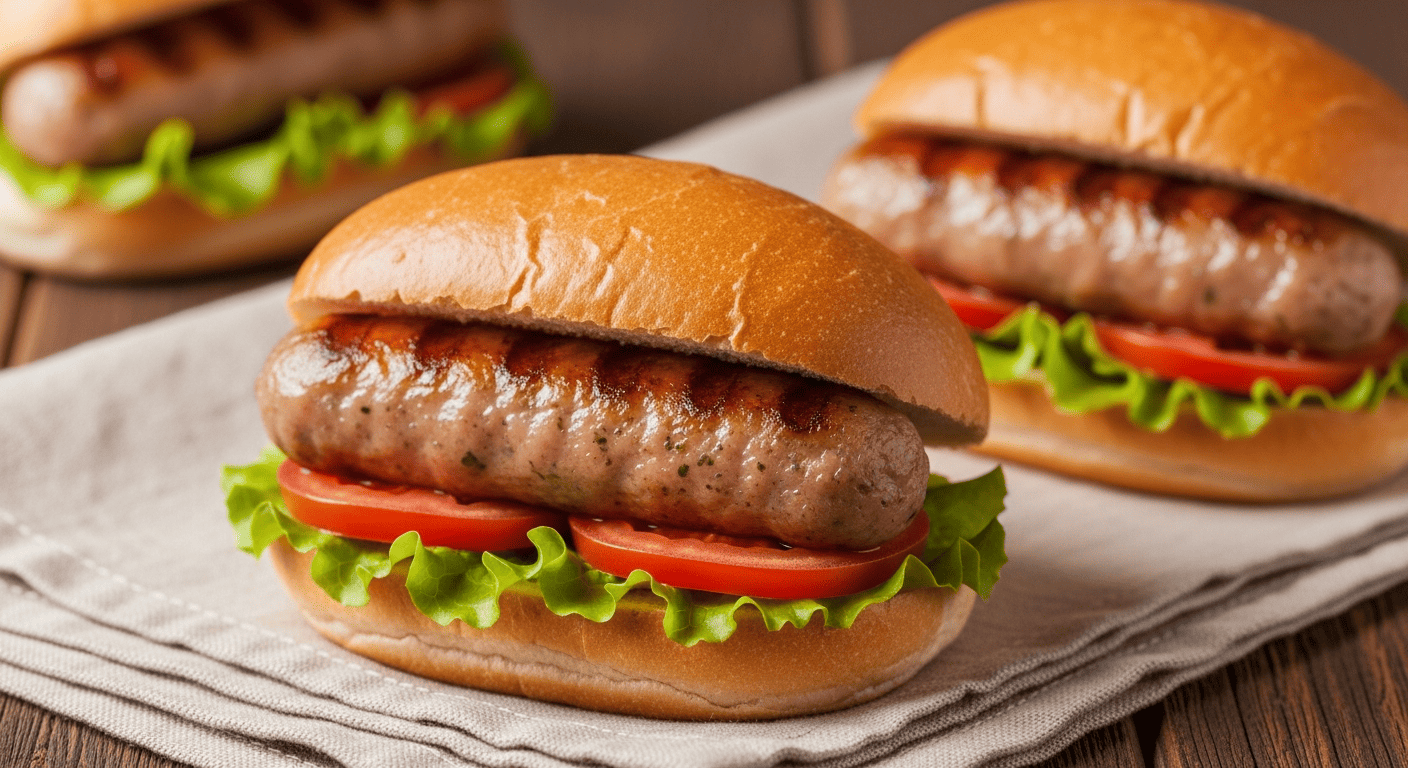
Hot Dogs → Grilled Chicken or Turkey Sausage Links
The World Health Organization’s International Agency for Research on Cancer classifies processed meat as a carcinogen, and conventional hot dogs typically rely on synthetic nitrites for color and shelf life. Swapping in lean grilled chicken or turkey sausage links — or “uncured” versions using celery-juice-derived nitrates — won’t eliminate every concern with processed meat, but it does cut saturated fat and sodium meaningfully, and keeps the format (bun, ketchup, the snap of the casing) completely intact.
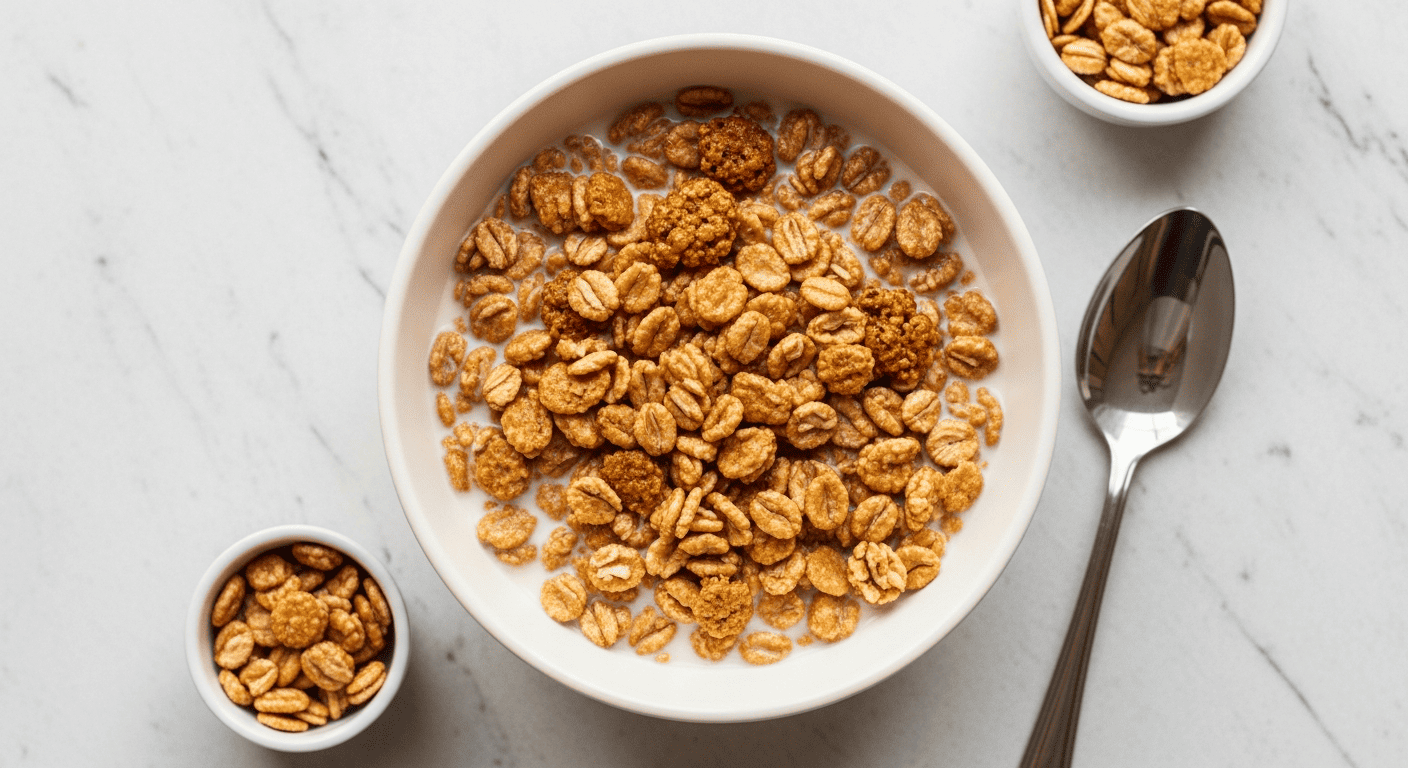
Sugary Cereal → Homemade Honey-Oat Crunch Cereal
The American Heart Association caps added sugar for kids at 25g a day — and a single bowl of a popular kid’s cereal can carry 12g or more before milk even hits it. Toast rolled oats with a light drizzle of honey and cinnamon until golden and clustered, then let it cool into clusters. Same bowl, same crunch-in-milk ritual, a fraction of the added sugar, and you control exactly how much sweetness goes in.
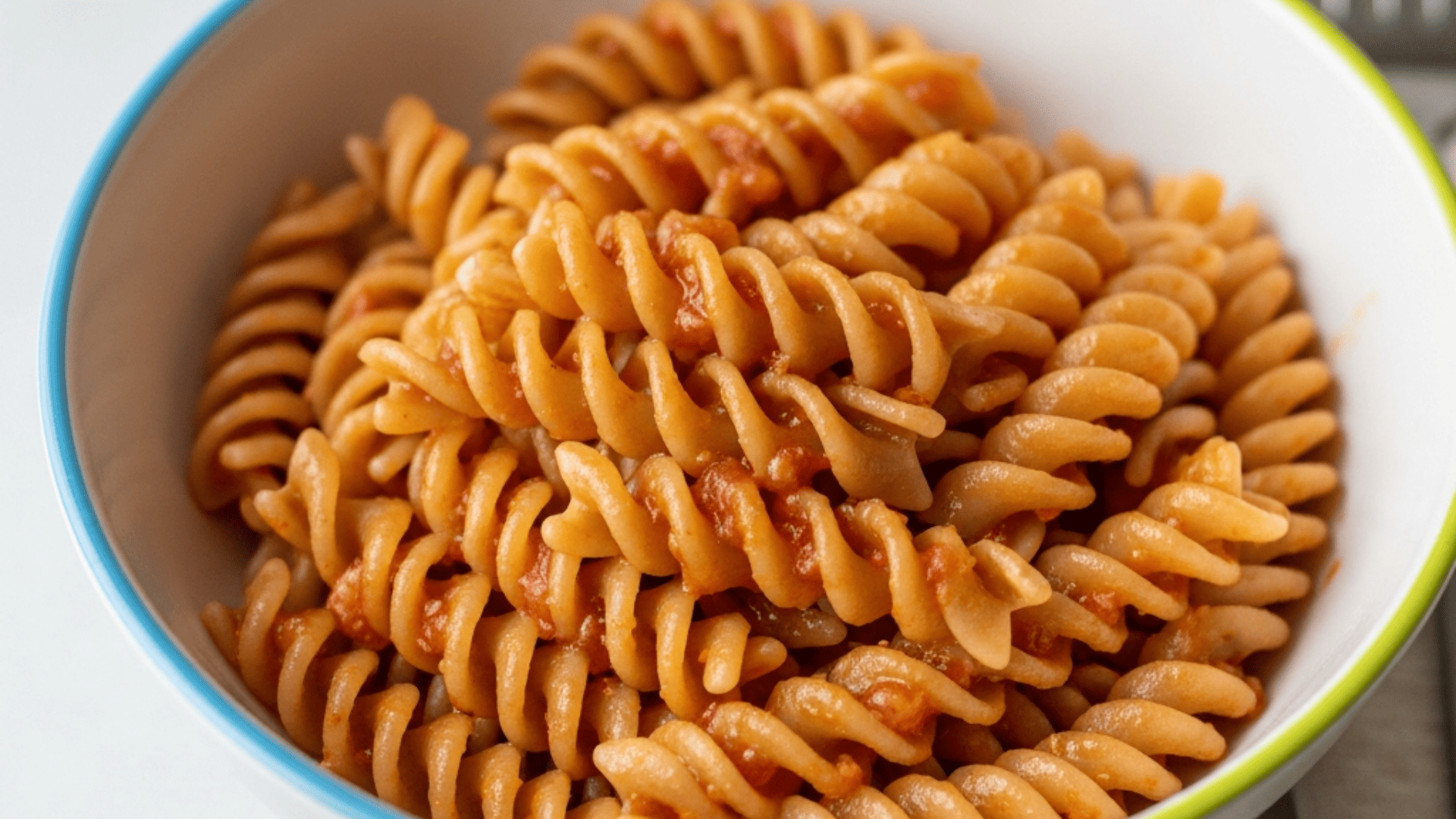
White Pasta → Whole-Wheat or Veggie-Blend Pasta with Butter Sauce
Refined white pasta strips out most of the fiber and B vitamins present in the original wheat grain. A 50/50 blend of whole-wheat and regular pasta — or a lentil- or chickpea-based pasta, which looks and cooks almost identically — adds fiber and protein without changing the buttery, simple sauce kids already love. The shape and the sauce stay exactly the same; only the noodle underneath changes.
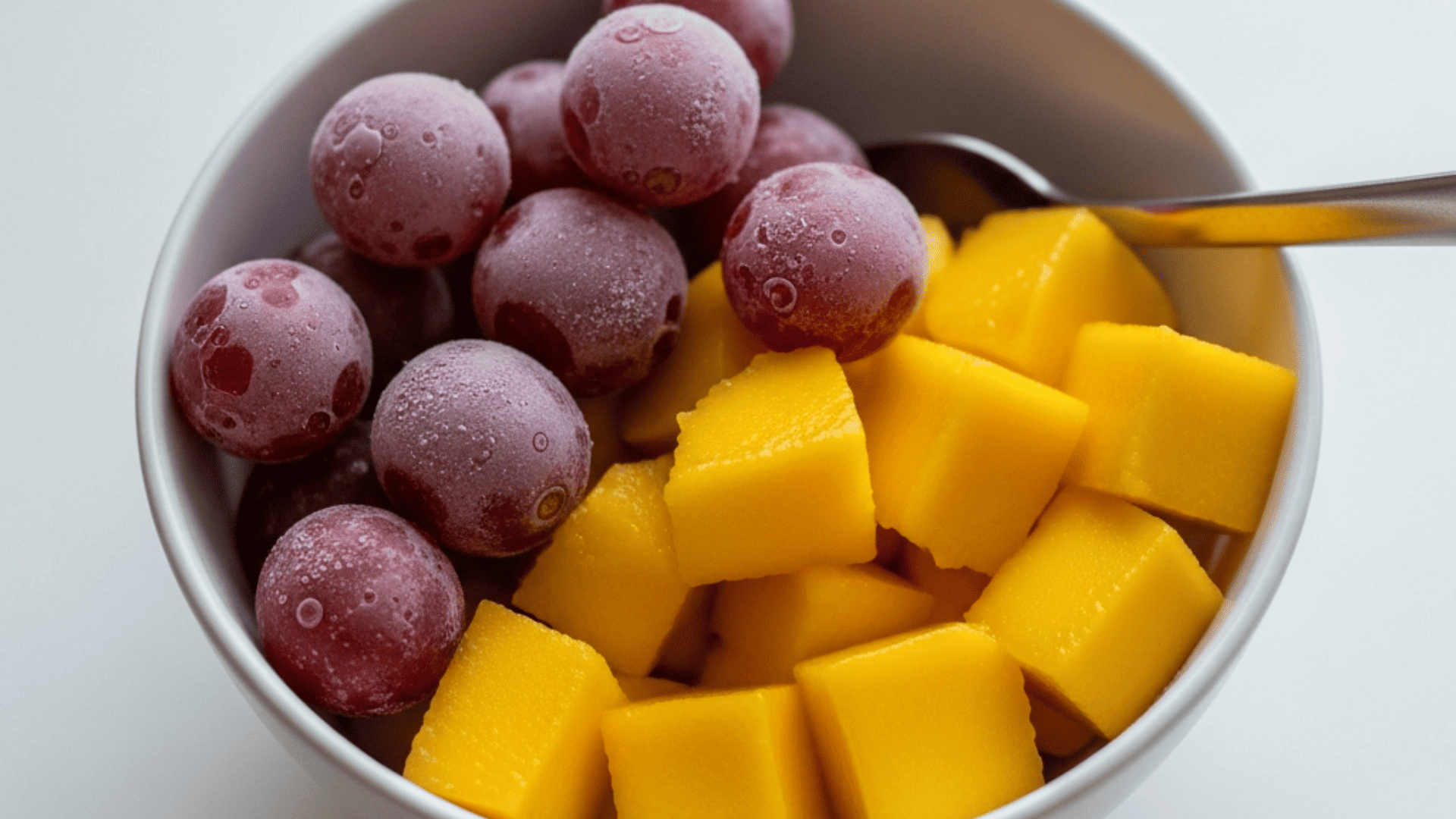
Fruit Snacks → Frozen Fruit Bites
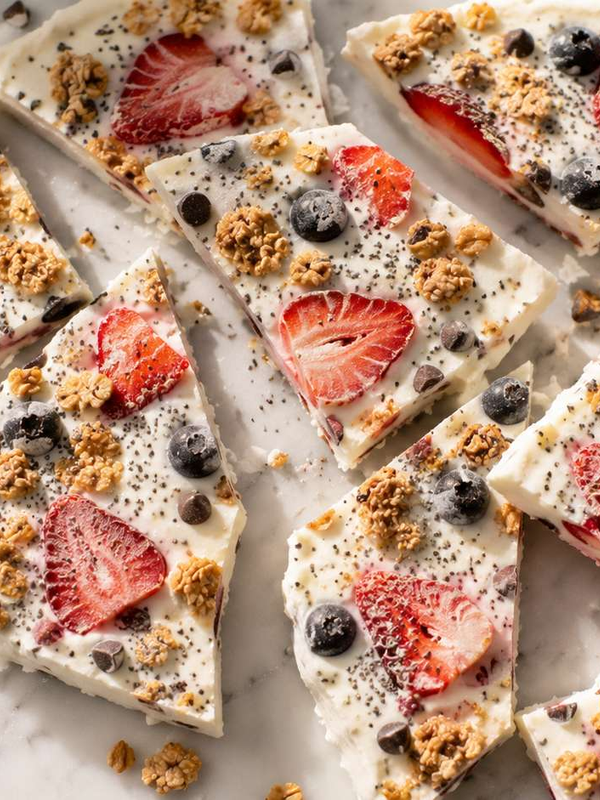
Commercial fruit snacks are mostly corn syrup with fruit-flavored coloring — often less actual fruit content than the name implies. Frozen grapes, mango chunks, or banana coins deliver the same chewy-cold-sweet payoff with real fiber attached, and the cold temperature itself adds a sensory novelty kids tend to enjoy. Pack them in an insulated pouch and they’ll thaw to the perfect texture by snack time.
Juice Boxes & Sports Drinks → Fruit-Infused Sparkling Water
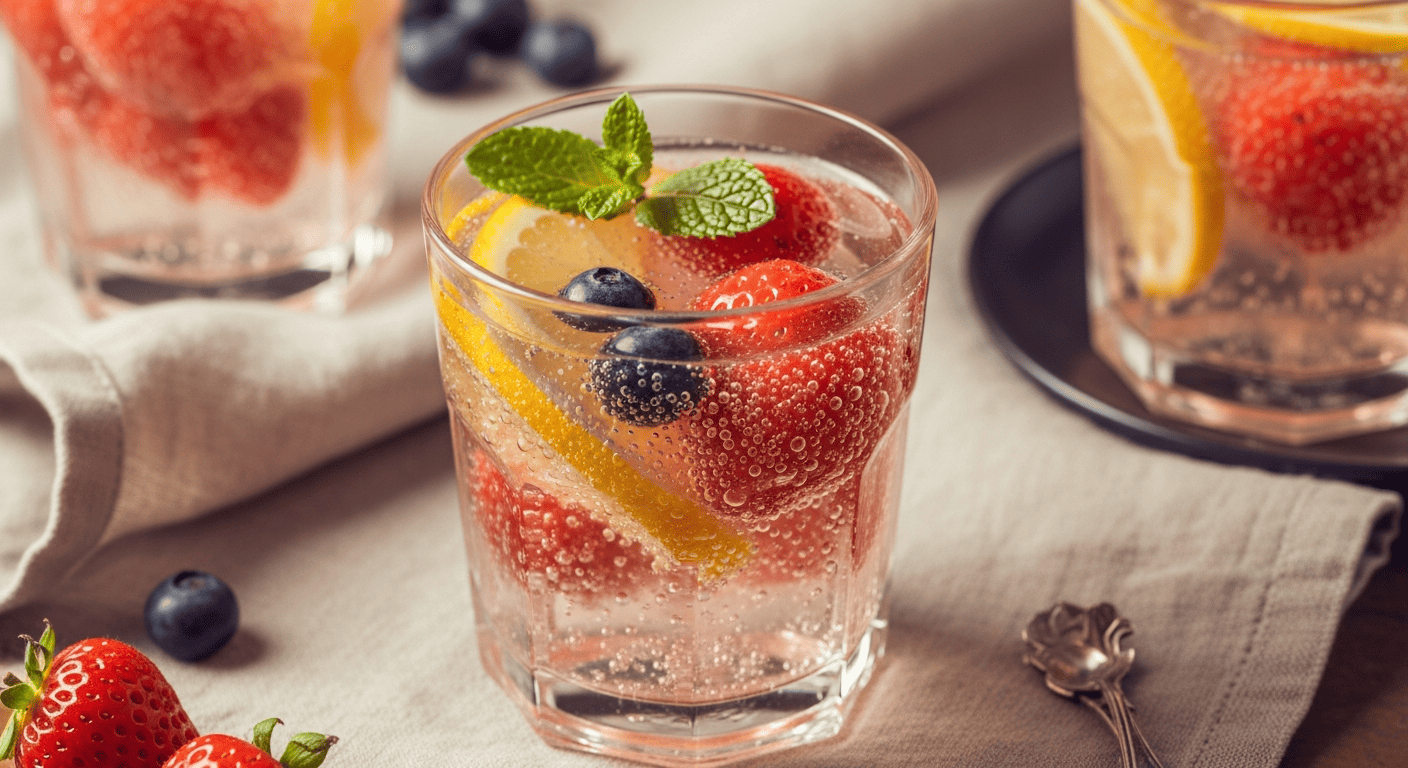
A 20-ounce sports drink can carry 30–35g of added sugar — more than an entire day’s recommended limit in one bottle. Muddle berries, citrus slices, or cucumber into sparkling water, and pour into the same juice box or pouch format kids already associate with treat time. The carbonation and color do most of the sensory work that sugar used to do, with effectively none of it.
The 10–15 Bite Rule — Why “They Just Won’t Eat It” Has an Expiration Date
Here’s the single most useful fact in all of picky-eating research, and almost no one tells parents about it directly: rejection is not a verdict. It’s a stage.
A systematic review in Revista Paulista de Pediatria found that 10 to 15 positive exposures to a new food are consistently sufficient to move a child from rejection to acceptance — a finding that traces back to foundational work by psychologist Leann Birch in the early 1980s and has been replicated repeatedly since. A separate study in the Journal of the American Dietetic Association specified the exposures need to be eight to fifteen repeated tastings — not just visual exposure on the plate — to meaningfully shift liking and consumption.
Birch LL, Marlin DW. Appetite. 1982 · Wardle J, et al. J Am Diet Assoc. 2003 · Lima TM, et al. Rev Paul Pediatr. 2021.
The catch is that the exposure has to involve actual tasting, not just looking at the food on the plate. A separate study published in Appetite tested this directly with two- to five-year-olds and found looking and tasting produced very different results — both built familiarity, but only tasting reliably built preference. A vegetable that sits on the plate untouched for a year teaches a child to recognize it, not to like it.
There’s good news buried in the harder finding too. A longitudinal study tracking exposure across multiple foods found that the number of exposures required actually decreases as a child accumulates experience accepting new foods generally — meaning the tenth new food you introduce is typically easier than the first. The skill itself appears to be learnable, not just the individual food.
The practical version of this: serve the homemade swap alongside one bite of the familiar version, not instead of it, and don’t take “no” on day three personally. You’re not failing at dinner. You’re somewhere around exposure number four of fifteen.
Sodium Per Serving — Store-Bought vs. Homemade
Typical sodium content per standard kid-sized serving (100g), illustrative midpoints.
Note: Sodium varies meaningfully by brand, recipe, and added sauces. Figures are typical midpoints for illustrative comparison only.
What the Evidence Actually Supports
Strip away the parenting-blog guilt and the marketing noise, and four ideas survive contact with the actual research.
5 Kid-Food Beliefs the Evidence Quietly Corrects
Well-meaning advice circulates faster than the research that’s supposed to back it up. Here’s what the data actually shows.
Healthy Kid-Food Swap FAQ
None of this is really about nuggets, or pizza, or the specific shade of orange in a mac and cheese bowl. It’s about noticing that a child’s food preferences are built from sound, shape, and color long before they’re built from flavor — and that the system responds to small, repeated, low-drama changes far better than it responds to a single dramatic dinner-table stand.
The crunch can stay. The cheese pull can stay. The orange color can absolutely stay. Almost everything else is more negotiable than it looks from across the table — you just have to keep offering, eleven or twelve more times, with the same patience the research already promised would pay off.